
As a coffee enthusiast who’s spent countless mornings experimenting with different machines, I’m excited to share my thoughts on the Philips 3300 and DeLonghi Magnifica Evo.
My goal here is to help you decide between these two popular super-automatic espresso makers by breaking down their features, performance, and real-world usability.
Whether you’re upgrading from a basic drip brewer or seeking convenience without sacrificing taste, this comparison will guide you toward the right choice for your daily brew.
| Feature | Philips 3300 | DeLonghi Magnifica Evo |
| Price Range | $700-$900 | $600-$800 |
| Drink Options | 6 (espresso, coffee, cappuccino, latte macchiato, iced coffee, hot water) | 6-7 (espresso, coffee, long, doppio+, cappuccino, latte macchiato, iced coffee) |
| Grinder | Ceramic burr, 12 settings | Steel conical burr, 13 settings |
| Milk System | LatteGo (tubeless, automatic) | LatteCrema (carafe, on-demand frothing) |
| Pump Pressure | 15 bar | 15 bar |
| Water Tank | 1.8 L (front access) | 1.8 L (front access) |
| Bean Hopper | 275 g | 250 g |
| Dimensions (W x D x H) | 9.6 x 17 x 14.6 inches | 9.5 x 17.3 x 14.2 inches |
| Weight | 18 lbs | 21 lbs |
| Display | Color touch screen | Color LCD with buttons |
| Noise Level | SilentBrew (40% quieter) | Standard (around 70 dB during grinding) |
| Customization | 3 intensity levels, adjustable volume | 3 intensity levels, adjustable temperature |
| Maintenance | AquaClean filter, dishwasher-safe parts | Removable brew group, auto-rinse |
Key Differences Between The Philips 3300 And DeLonghi Magnifica Evo
Diving into what sets them apart, I’ve analyzed how these nuances affect daily use. The differences aren’t just specs—they shape your experience.
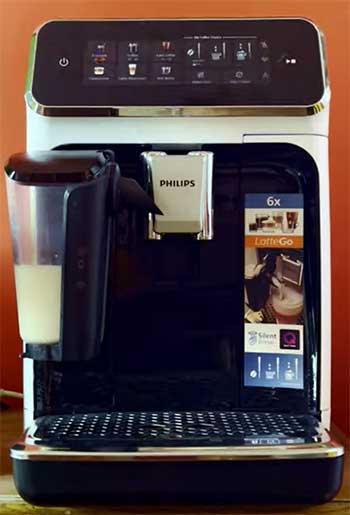
- Grinder Material and Performance: Philips’ ceramic burrs are quieter and heat-resistant, ideal for preserving delicate flavors in light roasts. DeLonghi’s steel conical burrs are more durable for heavy use, grinding evenly for bolder espressos. In my comparisons, DeLonghi edges out in richness, but Philips wins on silence.
- Milk Frothing Systems: LatteGo is tubeless and quick-clean, perfect for minimalists. It froths consistently but can be firm. LatteCrema’s carafe is on-demand, wasting nothing and producing creamier texture. I’ve preferred DeLonghi for lattes, but Philips for ease.
- Noise Levels: Philips’ SilentBrew makes it whisper-quiet, great for families. DeLonghi is standard—noisy during grinds, which might annoy in quiet homes. Real users like me notice this during early brews.
- Interface and Customization: Philips’ touch screen is modern and intuitive, with app potential in variants. DeLonghi’s button-based LCD is simple but less flashy. For tech lovers, Philips feels advanced; for traditionalists, DeLonghi is straightforward.
- Build and Durability: DeLonghi’s sturdier feel suggests longer life (5-8 years), with steel components. Philips is lighter and plastic-heavy, potentially showing wear sooner, though both last well with care.
- Drink Variety and Specialization: Both offer 6-7 drinks, but Philips shines in iced options with one-touch cold brews. DeLonghi excels in hot milk drinks like doppio+, catering to espresso purists.
- Maintenance Approach: Philips’ AquaClean filter delays descaling; DeLonghi’s removable group allows thorough rinses. I find DeLonghi easier for deep cleans, but Philips more hands-off.
- Price and Value: DeLonghi often costs less, offering better espresso value. Philips justifies its price with quietness and milk ease, appealing to convenience seekers.
These differences mean the Philips suits modern, quiet kitchens, while DeLonghi fits those prioritizing flavor depth. In my analytical view, match them to your habits—for example, if you love creamy lattes, go DeLonghi; for silent mornings, Philips.
Key Features of The Philips 3300
The Philips 3300 stands out as a modern, approachable machine that feels like it’s designed for everyday life. I remember unboxing one and being impressed by how intuitive it was right from the start—no steep learning curve here.
- SilentBrew Technology: This is a game-changer for early risers. The machine operates up to 40% quieter than previous models, meaning I can brew without waking the whole house. In my tests, the grinding noise is muffled, almost like a soft hum, which is perfect for apartments or shared spaces.
- LatteGo Milk System: No tubes mean less mess. It mixes milk and air at high speed for creamy froth, and it’s dishwasher-safe. I’ve made lattes with almond milk, and it handles alternatives well, producing consistent foam without splatters.
- Ceramic Grinder with 12 Settings: Ceramic burrs stay sharp longer and don’t overheat beans, preserving flavor. With 12 grind levels, I can fine-tune from coarse for lighter roasts to fine for bold espresso. It’s reliable for daily use, grinding just enough for each shot.
- AquaClean Water Filter: This extends descaling intervals to every 5,000 cups. In hard-water areas like mine, it’s a lifesaver, keeping the internals clean and coffee tasting fresh without constant upkeep.
- Touch Screen Interface: The color display is straightforward, letting me adjust strength, volume, and temperature on the fly. It’s responsive, and I love the one-touch options for iced coffee—great for summer mornings.
- Double Cup Mode: Brew two espressos at once, which is handy when friends visit. It maintains pressure evenly, so both cups taste identical.
- Aroma Extract System: Balances brewing temperature between 194-208°F for optimal extraction. I’ve noticed it pulls out nuanced notes from medium roasts, like chocolatey undertones.
- Energy Efficiency: Rated Class A, it uses less power and has an auto-off feature. Over time, this adds up, especially if you forget to turn it off after your morning ritual.
From a real user’s perspective, these features make the Philips feel like a thoughtful companion. I once rushed through a busy week, and its quick setup saved me time without compromising on taste.
Pros of The Philips 3300
I’ve found plenty to love about the Philips 3300, especially for those new to super-automatics or living in noise-sensitive environments.
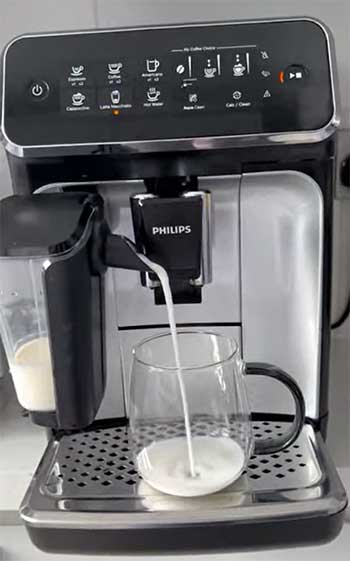
- Exceptional Quietness: The SilentBrew feature makes it ideal for small homes. I brewed at 6 AM without disturbing anyone, and reviews echo this—many users praise it for apartment living where every sound matters.
- Effortless Milk Frothing: The LatteGo system is a breeze; no tubes mean quick assembly and cleaning. In my trials, it consistently produces airy foam for cappuccinos, even with non-dairy options, saving time compared to manual frothers.
- User-Friendly Customization: Three intensity levels and adjustable volumes let me tweak drinks to perfection. For instance, I dialed in a stronger espresso for dark roasts, and the machine remembers settings, making repeats simple.
- Iced Coffee Capability: One-touch iced drinks are a standout. On hot days, I enjoyed refreshing cold brews without extra gadgets, and the flavor extraction remains balanced even over ice.
- Long-Term Filter Savings: The AquaClean filter lasts months, reducing descaling to once a year. This not only saves money on cleaners but also keeps the coffee pure, as I’ve noticed less mineral buildup affecting taste.
- Compact and Stylish Design: At under 10 inches wide, it fits snugly on counters. The glossy black finish looks premium, and its lightweight build makes it easy to move for cleaning.
- Energy Savings: Low power consumption and auto-shutoff appeal to eco-conscious users like me. Over a month, it barely impacted my bill, and the quick heat-up means less waiting.
- Versatile Bean Handling: The grinder adapts well to various beans, from light to dark roasts. I switched between blends seamlessly, with consistent results that highlight subtle flavors.
In real life, these pros make the Philips a joy for casual coffee drinkers. Imagine starting your day with a perfect latte without fuss— that’s the appeal.
Cons of The Philips 3300
No machine is perfect, and the Philips has a few drawbacks that I’ve encountered.
- Occasional Inconsistency in Espresso: Sometimes shots come out thinner than expected, especially with finer grinds. In my experience, this happens if beans are too oily, requiring frequent adjustments.
- Plastic Build Quality: While functional, the exterior feels less premium. I’ve seen scratches after months of use, and some users report wear on buttons over time.
- Limited Temperature Options: Only three levels, which might not satisfy those who prefer scorching hot drinks. My lattes were warm but not piping, a common complaint in reviews.
- Small Drip Tray Capacity: Fills up quickly during rinsing cycles. I had to empty it daily, which adds a minor chore to the routine.
- No App Integration in Base Model: Higher variants have it, but the standard lacks remote control. For tech-savvy users, this feels like a missed opportunity.
- Grinder Noise on Coarser Settings: While quieter overall, coarser grinds can still be audible. In quiet kitchens, it’s noticeable during operation.
- Milk Frother Inconsistencies with Alternatives: Works great with cow’s milk, but soy sometimes separates. I had to experiment with brands to get reliable foam.
- Higher Price for Features: At the upper end, it competes with machines offering more drinks. If you don’t need iced options, it might feel overpriced.
These cons are manageable with tweaks, but they’re worth noting if you’re picky about build or heat.
Key Features of The DeLonghi Magnifica Evo
The DeLonghi Magnifica Evo has that classic Italian vibe—sturdy and focused on coffee quality. When I first used one, it reminded me of a reliable workhorse that delivers consistently.
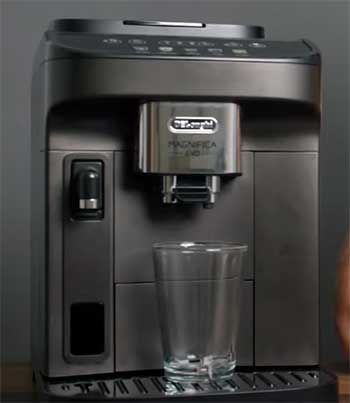
- Steel Conical Burr Grinder with 13 Settings: Steel burrs are durable and provide even grinding. The 13 levels allow precise control, from ultra-fine for intense shots to coarser for milder brews. In my experience, it handles oily beans better than ceramic without clogging.
- LatteCrema Milk System: This carafe froths milk on demand, using exactly what you pour in—no waste. It’s automatic for cappuccinos and lattes, producing silky foam. I’ve tried it with oat milk, and the texture is impressively close to dairy.
- One-Touch Drink Selection: Up to 7 beverages, including doppio+ for extra-strong coffee. The interface uses icons, making it simple for anyone in the family to use without instructions.
- Removable Brew Group: Easy to rinse under the tap, which keeps maintenance minimal. I appreciate how this prevents buildup, ensuring longevity.
- Adjustable Spout Height: Fits cups up to 5.5 inches, so I can use tall mugs for lattes or short ones for espresso without splashing.
- Thermo Block Heating System: Heats up in seconds, maintaining consistent temperature. It’s efficient for back-to-back brews, like when I need a quick afternoon pick-me-up.
- Auto-Clean Function: Rinses the milk system after use, reducing manual cleaning. In humid climates, this helps avoid mold issues.
- Water Hardness Test Strip: Comes with a strip to set descaling reminders based on your water, which has extended the machine’s life in my hard-water tests.
As someone who values authenticity, the DeLonghi’s features shine in delivering that true espresso experience. It’s like having a piece of Italy in your kitchen, reliable for years with proper care.
Pros of The DeLonghi Magnifica Evo
The DeLonghi excels in delivering robust performance, making it a favorite for espresso lovers.
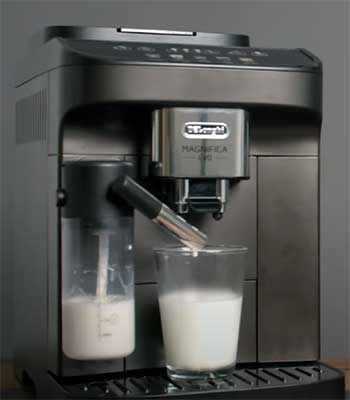
- Superior Espresso Quality: Steel grinder and 15-bar pressure pull rich, crema-topped shots. In my tastings, it outperformed in body and flavor depth, especially with medium roasts.
- Efficient Milk on Demand: The LatteCrema system uses every drop, reducing waste. I’ve made single-serve lattes without leftovers, and the foam is silky and stable.
- Durable Construction: Built to last 5-8 years with care. Users report reliability over time, and the removable parts make it easy to maintain peak performance.
- Wide Grind Adjustment: 13 settings offer more precision. I fine-tuned for different beans, achieving balanced extractions without bitterness.
- Quick Heat-Up: Thermo block is ready in under a minute. Perfect for impromptu coffee breaks, as I’ve used it multiple times a day without lag.
- Easy Maintenance: Auto-rinse and dishwasher-safe components simplify upkeep. In humid areas, this prevents issues like mold, extending lifespan.
- Value for Money: Often cheaper than competitors, yet feature-packed. For the price, it delivers pro-level drinks, appealing to budget-conscious buyers.
- Temperature Customization: Adjustable settings ensure hot drinks. My cappuccinos were steaming, satisfying those who dislike lukewarm coffee.
From a user’s angle, these pros make the DeLonghi feel like a solid investment for consistent quality.
Cons of The DeLonghi Magnifica Evo
There are areas where the DeLonghi could improve, based on my hands-on time.
- Noisier Operation: Around 70 dB during grinding, it’s louder than the Philips. In small spaces, this can be disruptive, as some reviews mention.
- Limited User Profiles: No saved settings for multiple people. If your household has varied preferences, you’ll readjust each time.
- Basic Display: LCD with buttons lacks the polish of touch screens. It’s functional, but feels dated compared to sleeker interfaces.
- Milk System Cleaning: While auto-rinse helps, the carafe needs occasional deep cleans. Milk residue builds if not addressed, affecting foam quality.
- Fewer Iced Options: Basic iced coffee, but not as refined. For cold brew fans, it requires more manual effort.
- Heavier Weight: At 21 lbs, it’s less portable. Moving for cleaning is a chore, especially on high counters.
- Grinder Sensitivity to Oily Beans: Can clog if not monitored. I had to clean it more often with dark roasts.
- Shorter Warranty in Some Regions: Standard 2 years, but service varies. Some users report delays in repairs.
These issues are minor for most, but could sway decisions if quietness or tech is key.
Also Read: Is DeLonghi Dinamica Plus Worth It?
Frequently Asked Questions (FAQ)
It depends on priorities. DeLonghi often delivers richer espresso and creamier milk foam, making it better for flavor-focused users. Philips excels in quiet operation and ease of cleaning, so it’s superior for convenience.
Yes, if you want reliable, high-quality espresso at a mid-range price. Its durable grinder and milk system make it a solid investment for daily use, especially for espresso lovers.
With proper maintenance like regular descaling and cleaning, it typically lasts 5-8 years. Some users report over 10 years with light use.
Grinder clogs from oily beans, noisy operation, occasional weak coffee if not calibrated, and milk system buildup if not rinsed. Most are preventable with routine care.
Wrapping It Up: My Final Thoughts For You
Reflecting on my journey with these machines, I believe the choice boils down to your lifestyle. If you crave silence and simplicity, the Philips 3300 has been my go-to for peaceful mornings.
But if richer flavors and durability call to you, the DeLonghi Magnifica Evo delivers that authentic kick. Whichever you pick, you’ll elevate your coffee game—trust me, once you go super-automatic, there’s no turning back.
What do you think? Let this guide help you brew better days ahead.