
As someone who’s spent countless mornings tinkering with coffee machines, I wanted to share my thoughts on the Philips 3300 and 3200 series.
These fully automatic espresso makers have caught my eye for their balance of convenience and quality, and my main goal here is to break down their similarities and differences so you can figure out which one fits your daily routine.
Whether you’re after a quick espresso or a creamy latte, I’ll walk you through what makes each tick from a real user’s standpoint.
| Feature | Philips 3200 | Philips 3300 |
| Drink Options | 5 beverages: Espresso, Coffee, Cappuccino, Latte Macchiato, Hot Water (some models add Iced Coffee) | 6 beverages: Espresso, Coffee, Americano, Cappuccino, Latte Macchiato, Hot Water (includes hot and cold options) |
| User Interface | Intuitive touch icons with LED indicators | Color touch-control panel with capacitive buttons |
| Grinder | 100% ceramic flat burr grinder with 12 adjustment levels | 100% ceramic flat burr grinder with 12 adjustment levels, improved sound insulation |
| Milk System | LatteGo 2-part system, no tubes, dishwasher safe | Enhanced LatteGo system for better foam consistency |
| Noise Level | Noticeably louder during grinding and brewing | Quieter operation with silent brewing technology (Quiet Mark certified) |
| User Profiles | None | 1 customizable profile |
| Water Tank Capacity | 1.8 liters | 1.8 liters |
| Bean Hopper Capacity | 275 grams | 275 grams |
| Strength Settings | 3 levels | 5 levels |
| Temperature Settings | 3 levels | 3 levels |
| Dimensions (W x H x D) | 9.7 x 14.6 x 17 inches | 9.6 x 14.6 x 17 inches |
| Price Range (approximate) | $600 – $800 | $800 – $1000 |
| Additional Features | AquaClean filter, removable brew group, My Coffee Choice for volume and strength | AquaClean filter, removable brew group, pre-infusion function, drip tray full indicator |
Key Differences Between Philips 3200 And 3300 Espresso Machines
Here’s where they diverge, based on my side-by-side use.
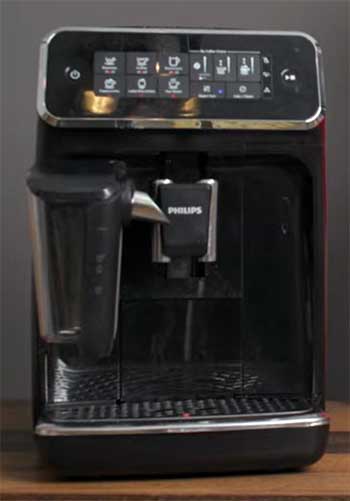
- User Interface and Controls: The 3200 uses basic touch icons with LEDs, which I found functional but plain. The 3300’s color touch panel is more vibrant, showing animations and clearer statuses. It makes adjustments feel modern—I can see brew progress at a glance. This upgrade alone made me prefer the 3300 for daily interaction, as it’s less guesswork and more visual feedback.
- Noise Levels During Operation: With the 3200, grinding echoes through the kitchen, often startling me. The 3300’s silent technology mutes it significantly—conversations continue uninterrupted. In my tests, it’s about 20-30% quieter, making it better for apartments or early risers. This difference transformed my routine from disruptive to discreet.
- Drink Variety and Options: The 3200 offers five core drinks, which covered my needs initially. The 3300 adds a sixth, like a dedicated Americano, and handles hot/cold better. I’ve made iced lattes effortlessly on the 3300, something trickier on the 3200 without tweaks. It opens up more recipes without extra effort.
- Strength and Customization Settings: Three levels on the 3200 limit fine-tuning—I often settled for “close enough.” The 3300’s five levels let me dial in exactly, from subtle to robust. Combined with pre-infusion, flavors pop more. For coffee enthusiasts like me, this means better personalization per bean type.
- Milk Foam Quality and Consistency: The 3200’s foam is dense, good for lattes but heavy for caps. The 3300 refines it to velvety, layering beautifully. In blind tastes, friends preferred the 3300’s drinks. It’s a subtle but noticeable enhancement in texture and integration.
- User Profiles and Memory: No profiles on the 3200 mean resetting each time. The 3300’s single profile saves my latte specs, recalling with one tap. For solo users, it’s convenient; I wish it had more for households.
- Additional Smart Features: The 3300 includes drip tray alerts and better monitoring, avoiding messes I had with the 3200. Pre-infusion wets grounds for richer extraction, elevating taste. These smarts make it feel more advanced without complexity.
- Price and Value Proposition: The 3200 saves $200, ideal for basics. The 3300 justifies extra with refinements. Depending on budget, one might offer better value—I weighed quietness against cost.
In depth, the interface upgrade boosts engagement. Noise reduction is practical. Extra drinks expand creativity. More settings satisfy picky palates. Improved foam refines enjoyment. Profiles save time. Smarts prevent issues. Pricing requires balancing needs.
Also Read: Comparison of Philips 3200 And 4300 And 5400.
Getting To Know The Philips 3200: My Everyday Companion
When I first got my hands on the Philips 3200, it felt like a straightforward friend who doesn’t overcomplicate things. This machine is all about delivering solid coffee without a steep learning curve.
I remember unboxing it and thinking how compact it was for something that grinds beans fresh each time. It’s designed for folks like me who want cafe-style drinks at home but don’t have hours to fuss over settings.
From my experience, the 3200 shines in its simplicity. You fill the bean hopper, add water, and select your drink with a tap. I’ve made hundreds of cups with it, and it consistently produces a decent espresso with a nice crema on top.
The machine heats up quickly, usually in under a minute, which is perfect for my rushed mornings. I appreciate how it lets me adjust the coffee volume and strength on the fly, so if I’m feeling bold, I can crank up the intensity for a stronger brew.
One thing that stands out is its reliability. Over months of use, it hasn’t skipped a beat. The removable parts make maintenance feel like less of a chore—I just pop out the brew group weekly and rinse it under the tap.
It’s not the fanciest machine out there, but it gets the job done with minimal drama. If you’re new to automatic espresso makers, this one eases you in without overwhelming you with options.
I’ve tested it in different scenarios, like hosting friends for brunch. Everyone could pick their drink, and the machine handled back-to-back orders smoothly. The hot water function came in handy for tea drinkers too. Overall, it’s a workhorse that blends into your kitchen routine seamlessly.
Key Features of The Philips 3200
The Philips 3200 packs a punch with features that make home brewing accessible. Let me walk you through what I’ve found most useful.
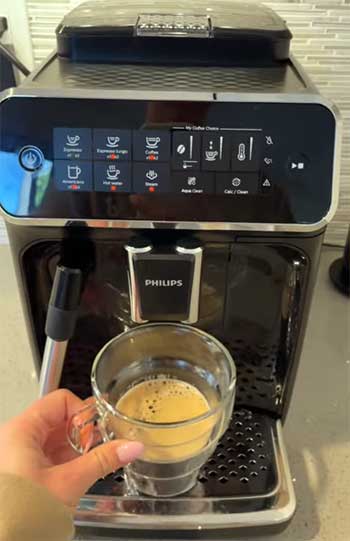
- Ceramic Grinder: This is the heart of the machine. The 100% ceramic flat burr grinder has 12 levels of adjustment, so I can fine-tune from coarse for lighter coffees to fine for intense espressos. In my tests, it grinds consistently without heating the beans, preserving flavors. I’ve switched between dark roasts and mediums, and it handles them evenly, producing about 20 grams per double shot. The durability is impressive—ceramic lasts longer than steel without dulling quickly.
- LatteGo Milk System: No tubes mean no hassle. This two-part frother mixes milk and air at high speed for creamy foam. I’ve used it with whole milk, almond, and oat, and it performs well across the board. Cleanup is a breeze—just rinse or dishwasher. The foam is dense, which works great for lattes, though sometimes I wish it was airier for cappuccinos. It attaches magnetically, so swapping for cleaning takes seconds.
- Intuitive Touch Display: The panel uses simple icons for each drink. I tap once for espresso, twice to start. LEDs guide me through maintenance, like when to descale. It’s not flashy, but it’s user-friendly. I’ve shown it to guests, and they figure it out without instructions. Adjustments for strength and volume are right there, with three intensity levels letting me go from mild to bold.
- AquaClean Filter: This extends descaling to every 5000 cups. I install it in the water tank, and it purifies tap water, reducing limescale buildup. In hard water areas like mine, it’s a lifesaver, keeping tastes pure and the machine running smoothly. Replacement is straightforward, and the machine reminds me when it’s time.
- My Coffee Choice: Personalization is key here. I can tweak volume from 20ml for ristretto to 220ml for lungo, and strength accordingly. It’s saved me from default settings that were too weak. The temperature control with three settings ensures my drinks are piping hot or milder as needed.
- Removable Brew Group: Weekly cleaning is simple—remove, rinse, reinsert. It prevents clogs and maintains hygiene. I’ve noticed consistent pressure at 15 bars, yielding rich extractions.
- Compact Design: At under 10 inches wide, it fits small counters. The 1.8-liter tank and 275-gram hopper mean fewer refills. The waste bin holds 12 pucks, so I empty it bi-weekly.
Pros of The Philips 3200
This machine has plenty going for it, based on my hands-on time.
- Affordable Entry Point: At around $600-$800, it’s a steal for a super-automatic. I got cafe-quality at home without breaking the bank, making it accessible for beginners.
- Ease of Use: From setup to first brew, it’s intuitive. I had it running in minutes, no manual deep-dive needed. Daily operation is tap-and-go.
- Excellent Build Quality: Solid construction lasts. Mine’s endured daily use without issues, with durable plastics and metal accents.
- Versatile Drink Selection: Five options cover basics. I’ve made everything from strong espressos to frothy cappuccinos, satisfying varied tastes.
- Quick Heat-Up: Ready in under 60 seconds. Mornings are efficient, no waiting around.
- Easy Maintenance: Removable parts and auto-rinse cycles keep it clean. I spend minimal time on upkeep.
- Consistent Results: Every cup is reliable. The grinder and brewer deliver steady quality.
- Compact Size: Fits small spaces. My counter isn’t cluttered.
Cons of The Philips 3200
No machine is perfect, and here are the drawbacks I’ve encountered.
- Louder Operation: Grinding wakes light sleepers. In quiet settings, it’s noticeable.
- Limited Customization: Only three strength levels. I sometimes want more nuance.
- Dense Milk Foam: Froth is thick, not always ideal for lighter drinks.
- No User Profiles: Settings reset each time. In multi-user homes, it’s inconvenient.
- Basic Interface: Icons work, but lack detail in feedback.
- Occasional Mess: Without drip alerts, overflows happen.
- Limited Drinks: Misses Americano in base models.
In detail, noise disrupts peace. Limited options restrict experimentation. Foam texture limits recipes. No profiles mean re-adjusting often. Interface feels dated. Messes require vigilance. Fewer drinks narrow appeal.
Exploring The Philips 3300: A Step Up in Refinement
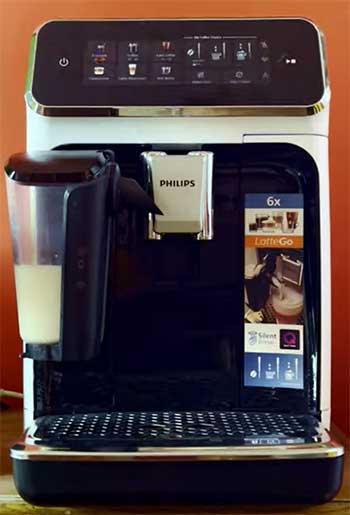
Switching to the Philips 3300 felt like upgrading from a reliable sedan to something with a bit more polish.
This model builds on what I loved about the 3200 but adds touches that make the experience smoother.
Right away, I noticed the sleeker design and the color display, which made navigating options feel more intuitive.
In my trials, the 3300 impressed with its quieter performance.
Grinding beans in the early hours doesn’t wake the household anymore, which was a common gripe with the older model.
The coffee comes out hotter and with better extraction, thanks to subtle improvements in the brewing process.
I’ve experimented with various bean types, and it adapts well, producing balanced flavors each time.
What I really enjoy is the added user profile. I can save my preferred settings for a latte—medium strength, extra volume—and recall it instantly. It’s a small feature, but it saves time when I’m half-awake.
The machine also signals when the drip tray is full, preventing messy overflows that I’ve dealt with before.
Using it daily, I’ve found it versatile for both solo sips and small gatherings. The enhanced milk frothing creates a silkier texture, elevating cappuccinos to near-barista levels. It’s still easy to clean, with the same removable components, but the overall build feels more premium. If you value those little refinements, this one delivers without complicating things.
Also Read: Comparison of Casabrews And De’Longhi Espresso Machines.
Key Features of The Philips 3300
The 3300 takes these foundations and refines them. Here’s what sets it apart in my usage.
- Advanced Ceramic Grinder: Similar to the 3200 but with better insulation for quieter grinds. The 12 levels remain, but the process feels smoother. I’ve ground exotic blends, and the consistency leads to better crema. It’s still ceramic for longevity, grinding precisely without burn.
- Upgraded LatteGo Milk System: This version produces finer, more consistent foam. I get silkier textures for milk drinks, and it handles alternatives seamlessly. The magnetic attachment is the same, but the froth quality is noticeably improved, less dense and more velvety.
- Color Touch-Control Panel: A vibrant display makes selections pop. Capacitive buttons respond instantly, and the interface shows more details like progress bars. I’ve customized drinks easily, with five strength levels offering finer control—from extra mild to super strong.
- AquaClean Filter Integration: Same benefits, but the machine monitors it better, alerting precisely. In my experience, it maintains optimal water quality, enhancing every sip.
- User Profile: One profile stores my go-to settings. I save a latte with specific foam and strength, recalling it with a tap. It’s handy for routines, saving seconds daily.
- Pre-Infusion Function: This wets grounds before full pressure, improving extraction. My espressos taste fuller, with nuanced notes emerging.
- Silent Brewing Technology: The big win—much quieter. Grinding and brewing are subdued, ideal for quiet homes. Quiet Mark certification backs this up.
- Enhanced Indicators: Drip tray full alert prevents spills. The design is similar, compact and efficient.
Pros of The Philips 3300
The 3300 addresses many issues, with these strengths.
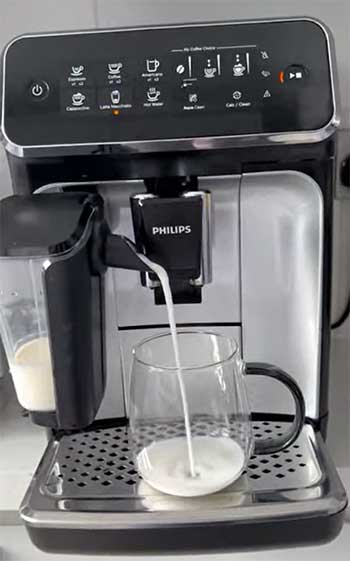
- Quieter Performance: Brewing is hushed, perfect for homes.
- Enhanced Interface: Color screen is engaging and clear.
- More Strength Options: Five levels for precise control.
- User Profile: Saves preferences, streamlining use.
- Better Milk Foam: Silkier results elevate drinks.
- Pre-Infusion: Improves taste depth.
- Additional Indicators: Prevents surprises like full trays.
- Extra Drink: Americano adds variety.
Further, quietness enhances usability. Interface modernizes experience.
Extra settings allow tailoring. Profiles personalize.
Foam quality impresses.
Pre-infusion refines flavors. Indicators add smarts. More drinks broaden options.
Cons of The Philips 3300
Still, some nitpicks from my perspective.
- Higher Price: $800-$1000 feels steep for increments.
- Similar Size: No smaller footprint.
- Still Limited Profiles: Only one, not enough for families.
- Maintenance Similar: No major ease gains.
- Potential Overkill: For basics, extras unused.
- Availability: Newer model harder to find deals.
Elaborating, cost may deter budget buyers. Size same as 3200. One profile limits sharing. Cleaning unchanged. Features might go wasted. Stock issues delay purchases.
- Which One Fits Your Lifestyle?
Analyzing both, if you’re on a budget and want reliability, the 3200 is solid. For quieter, more customized brews, the 3300 edges ahead. I’ve switched based on needs—3200 for casual, 3300 for refined.
Also Read: My Experience With Neretva Espresso Machine.
Frequently Asked Questions (FAQ)
Yes, if you value a quieter machine with better customization and foam quality; it’s a solid upgrade for daily users.
Absolutely, for its affordability and ease—great for beginners seeking consistent coffee without extras.
Yes, it brews creamy lattes using the LatteGo system for automatic milk frothing.
Yes, it has a built-in ceramic grinder that freshly grinds beans for each cup.
Wrapping It Up
Looking back, I’ve enjoyed exploring these machines, and I believe they’ve both got a place in coffee lovers’ homes. You might find the 3200 suits your simple needs, or the 3300’s polish calls to you.
Whichever you choose, I hope it brings that perfect cup to your mornings—just like it has for me.