
If you’re staring at a thin, brown lawn and dreaming of thick, green grass that doesn’t guzzle water, you should pick up Pennington Smart Seed today. I switched to it a couple of years ago, and it turned my yard around with less effort and better results than I expected.
You deserve a lawn that looks great without constant work—grab this seed and make it happen.
My Personal Experience With Pennington Smart Seed
I remember the day I decided enough was enough with my lawn.
It was patchy in spots, burned out in others, and seemed to demand water every time the sun came out.
I live in a neighborhood where summers get hot and dry spells hit hard, so I needed something tougher.
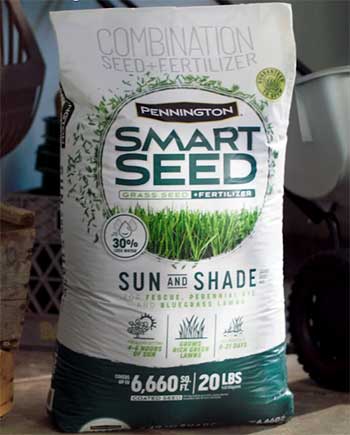
After reading about drought-tolerant options, I chose Pennington Smart Seed Sun and Shade mix.
It promised up to 30% less water once established, plus built-in fertilizer, which sounded perfect for someone like me who wants results without fussing over every detail.
I started with a 7-pound bag for my medium-sized yard, focusing on overseeding thin areas and patching bare spots from foot traffic. Preparation felt straightforward—I raked out dead grass, loosened the soil a bit, and spread the seed evenly by hand.
The pellets are coated, making them easy to distribute without clumping. I lightly raked them in and topped with a thin layer of compost for good contact.
Watering was the key part those first weeks. I misted lightly twice a day to keep the topsoil moist but not soggy. Around day 8, I spotted the first tiny green sprouts. By day 14, most areas showed steady growth, though a few shady corners lagged a little longer.
The built-in fertilizer gave the seedlings a strong start—no extra starter fert needed.
As weeks passed, the new grass filled in densely. It blended well with my existing turf, creating that uniform look I wanted. Once it hit about 3 inches, I mowed carefully, never taking more than a third off. By midsummer, my lawn stayed greener than neighbors’ during dry periods.
I cut watering to deep sessions every few days instead of daily sprinkles. It handled heat waves without turning brown, and disease issues stayed minimal.
That said, it wasn’t flawless. Some spots needed a second light seeding for full coverage, and I pulled a few weeds that popped up early. Overall, though, the transformation impressed me. My yard went from embarrassing to the one people comment on positively.
If you’re like me—wanting a reliable, low-maintenance upgrade—I’ve found this seed delivers solid value. You might see similar changes in your own space with consistent care.
Also Read: Is Jonathan Green Grass Seed Worth It?
The Pros of Using Pennington Smart Seed
I’ve used Pennington Smart Seed for several seasons, and its strengths stand out when you want reliable results without endless effort. Here, I’ll break down what makes it shine for me and many others who’ve shared similar experiences.
- Water Efficiency That Actually Delivers Savings
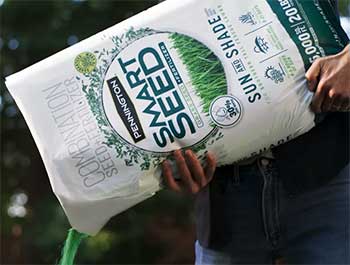
The drought tolerance is no marketing gimmick—once your grass establishes, it truly needs up to 30% less water than standard mixes.
In my hot, dry summers, I watered deeply just once or twice a week, and the lawn stayed green while neighbors’ turned straw-like.
You save on bills and time, especially in restricted areas.
The deeper root systems from these bred varieties grab moisture better, so your yard bounces back faster after dry spells. If water conservation matters to you, this feature alone makes it worth trying.
- Built-In Fertilizer and Coating for a Head Start
That fertilizer-enhanced coating changes everything for beginners or busy folks. You spread the seed, water, and the nutrients release right where seedlings need them—no separate starter fertilizer run. In my plantings, this led to stronger early roots and fewer weak spots.
The coating also holds moisture around each seed, improving germination in inconsistent weather. You avoid common newbie mistakes like burning tender sprouts with too much fert. It’s forgiving and speeds up that exciting “green fuzz” phase.
- Impressive Disease and Stress Resistance
Pennington blends in varieties known for fighting off common diseases like brown patch or dollar spot. My lawn rarely showed fungal issues, even in humid stretches when others nearby did. The grass handles heat, foot traffic, and moderate cold well too.
You get fewer brown patches and less need for fungicides, keeping things more natural. For family yards with kids and pets running around, this durability means the grass recovers quickly from play wear.
- Dense, Lush Growth and Good Coverage
Once going, this seed fills in thick and uniform. The mix of fescues and other grasses creates fine blades that spread, crowding out weeds naturally. My yard went from patchy to carpet-like in one full season, with that deep green look people notice.
You achieve better coverage per bag than some competitors because of higher seed content. It blends seamlessly when overseeding, so transitions feel natural. If you crave that full, soft lawn for barefoot walks or games, you’ll appreciate how it thickens over time.
- Quick Germination in Good Conditions
Under the right setup—moist soil, decent temps—I’ve seen sprouts in 7-10 days, with solid coverage by week three. Many users report similar fast starts, especially with the Sun and Shade mix. You get that rewarding progress early, keeping motivation high.
The mulch aspect helps retain moisture for consistent emergence across the yard.
These pros make Pennington feel premium without overwhelming complexity. You end up with a resilient lawn that rewards basic care generously.
The Cons of Pennington Smart Seed I Encountered
- Germination Can Be Spotty or Slow in Tough Spots: While many bags sprout quickly, results vary. In heavy shade, compacted soil, or cooler falls, I’ve waited 21-30 days for full emergence, and some areas needed reseeding. Recent reports mention entire plantings failing to take or thinning dramatically after a few months—possibly from batch issues or winter stress. You might face frustration if conditions aren’t ideal. Prep work like aeration becomes crucial to avoid uneven patches.
- Higher Price Tag for the Premium Features: You pay more upfront than for basic big-box seeds. A large bag runs noticeably higher, reflecting the coatings, fertilizer, and bred varieties. For big yards on tight budgets, that stings. I’ve weighed the long-term savings on water and maintenance, but initially, cheaper options tempt. If you’re patching small areas, the cost per square foot feels steeper.
- Weed Intrusion in Early Growth: The coating and mulch do great for grass, but sometimes dormant weed seeds in soil activate too. I pulled quite a few crabgrass and broadleaf weeds those first months. Some users complain of more weeds than expected, especially if starting from scratched soil. You stay on top of hand-pulling or safe pre-emergents early. It’s not the seed’s fault entirely—any disturbance brings this—but it adds work when you’re hoping for low-maintenance.
- Coated Seeds Mean Less Pure Seed by Weight: That helpful coating adds weight, so you get less actual grass seed per pound compared to uncoated elite blends. Lawn enthusiasts often point this out, preferring 100% pure cultivars for ultimate performance. My results were still solid, but if you’re chasing tournament-level turf, you might notice it’s not the darkest or finest-bladed option. You sacrifice a bit of purity for convenience.
- Potential for Thinning or Die-Off Over Time: A recurring complaint lately: strong initial growth followed by thinning or dying, especially entering winter or under stress. I’ve seen minor winter damage, but some 2025 reports describe massive die-back after 3-4 months, leaving thin, seedling-like blades. Factors like overwatering, poor drainage, or disease could play in, but it raises questions about long-term hardiness in certain zones. You monitor closely and perhaps overseed annually for density.
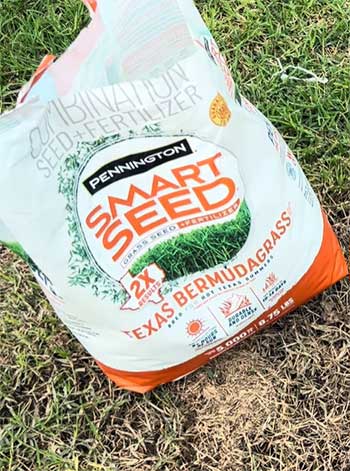
- Mixed Performance Across Regions and Mixes: Not every blend excels everywhere. Dense shade versions get praise but also failures in deep shadow. Southern or transition zone users sometimes find it less heat-tolerant than claimed. You research your specific mix and USDA zone carefully.
These cons don’t make it a bad choice—just one requiring realistic expectations and proper setup. For me, the pros outweigh them, but your mileage varies based on effort and environment.
Also Read: Is Pearl’s Premium Grass Seed Worth It?
Tips For Pennington Smart Seed Lawns
- Perfecting Your Watering Routine: Watering makes or breaks new grass, so I focused here early. For the first two weeks, light misting 2-3 times daily kept soil moist without runoff. Once sprouts hit 2 inches, I shifted to deeper watering every other day. After establishment—around 6-8 weeks—I water deeply once or twice weekly, aiming for 1 inch total including rain. You check soil by sticking a screwdriver in; easy means good moisture. This builds deep roots for drought tolerance. Avoid evening watering to prevent disease—mornings work best.
- Mowing Techniques That Promote Thickness: I wait until grass reaches 4 inches for the first mow, cutting to 3 inches. Never remove more than one-third at once to avoid stress. Sharp blades give clean cuts; dull ones tear and invite issues. For tall fescue mixes, I keep height at 3-4 inches in summer for shade and moisture retention. You mow regularly but not too short—higher grass shades soil and reduces weeds.
- Seasonal Fertilizing for Ongoing Nutrition: The built-in starter covers early needs, but I apply balanced slow-release fertilizer in spring and fall after the first year. Nitrogen-heavy in spring boosts growth; potassium-rich in fall strengthens roots for winter. You soil test every couple years to avoid overdoing it—excess causes weak growth or runoff. I use about 1 pound nitrogen per 1,000 square feet per application, spread evenly.
- Aeration and Overseeding for Long-Term Vitality: Every 2-3 years, I core aerate in fall to relieve compaction and improve air/water flow. It helps immensely in high-traffic yards. I overseed thin spots annually with the same mix for density. You dethatch if buildup exceeds half an inch, but Pennington grasses thatch less than others.
- Weed and Pest Management Without Overkill: Prevention beats reaction—I mow high and water deeply to crowd weeds. Hand-pull early intruders, or use targeted post-emergent if needed. For pests like grubs, I monitor and treat only when signs appear. You avoid broad-spectrum chemicals to protect beneficials and grass health.
- Handling Shade and Sun Variations: In mixed yards like mine, sun areas thrive quickly while shade slows things. I choose region-specific mixes and give shaded spots extra seed. You trim trees if possible for more light, but the shade-tolerant varieties hold up well.
These practices kept my lawn thriving with minimal weekend work. You tailor them to your climate, but consistency yields that envy-worthy yard.
Comparing Pennington Smart Seed To Other Brands
- How It Stacks Up Against Scotts
I’ve tried Scotts mixes before, and both work well for average homeowners. Scotts often germinates slightly faster in tests I’ve seen, with strong mulch holding moisture.
Pennington gives more seed per pound and emphasizes water savings, which suited my dry summers better. You might prefer Scotts for quick patches, but I find Pennington’s established lawn more resilient and efficient long-term.
- Versus Jonathan Green
Jonathan Green appeals to serious enthusiasts with elite cultivars and dark green color. It performs amazingly in cool-season areas, often outlasting big-box options. My Pennington lawn looks great and requires less water, plus easier availability and built-in fertilizer.
If you want top-tier uniformity and don’t mind sourcing, Jonathan Green shines; for practical, forgiving performance, I stick with Pennington.
- Compared to Vigoro
Vigoro offers budget-friendly alternatives at stores like Home Depot. It grows decent grass quickly, especially for fast fixes. Coverage feels thinner over time compared to Pennington’s density and drought tolerance.
You save money upfront with Vigoro, but I prefer Pennington’s premium traits for sustained health and lower maintenance.
- Facing Off with Barenbrug and Other Specialists
Specialty brands like Barenbrug provide pure, high-end varieties for pros. They excel in specific conditions but lack Pennington’s all-in-one fertilizer and coatings. I appreciate the convenience and reliable results from Pennington without needing expert knowledge.
Overall, Pennington balances quality, ease, and performance well for most of us.
Also Read: Comparison of Scotts And Pennington Grass Seed.
Frequently Asked Questions (FAQ)
It depends on needs, but I prefer Pennington for superior water efficiency and long-term resilience.
Typically 7-14 days under good conditions, though up to 21-30 days in cooler or shadier spots.
No at planting—the mix includes starter fertilizer. Apply more after establishment for best results.
No—proper soil prep, even spreading, and consistent watering are essential for success.
Final Thoughts On Pennington Smart Seed
After years of use, I confidently say you should buy Pennington Smart Seed if you want a tougher, greener lawn with less hassle. It saved me water, time, and frustration while delivering thick, healthy grass.
Your yard can look this good too—pick up a bag now and start the transformation. You won’t regret it.