
If you’re searching for an affordable ductless air conditioner that delivers strong cooling and heating without breaking the bank, you should absolutely consider an Ozone mini split. I’ve been using one for over a year now, and it has transformed how I control the temperature in my home.
The combination of energy savings, quiet performance, and smart features makes it a smart purchase for anyone wanting reliable comfort on a budget.
My Personal Experience With The Ozone Mini Split
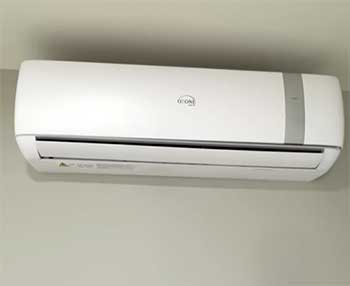
Let me take you back to when I first decided to install an Ozone mini split in my home.
My old window unit was loud, inefficient, and only cooled one room, leaving the rest of the house feeling stuffy during summer and chilly in winter.
I wanted something better – a ductless system that could handle both heating and cooling without major renovations.
After researching options, I landed on the Ozone 12,000 BTU model because of its high efficiency ratings and positive feedback on value.
The installation process surprised me in the best way. I went the DIY route since these units come pre-charged with refrigerant and include a straightforward line set. You just mount the indoor unit on the wall, connect the outdoor condenser, run the lines through a small hole, and wire it up.
It took me a weekend with some help from a friend, and I saved thousands compared to professional installation quotes. Once it was running, the difference was immediate.
On a scorching summer day, I set it to cool my 500-square-foot living space, and within minutes, the room felt refreshingly comfortable. The air flowed evenly, no hot spots like before.
What really won me over was how it performed year-round. Come winter, the heat pump kicked in seamlessly. Even when temperatures dropped below freezing, it pulled in warmth efficiently, keeping the room cozy without spiking my electric bill.
I remember one cold evening sitting with my family, enjoying consistent heat while the outdoor unit hummed quietly outside. The WiFi feature became a favorite too – I could adjust temperatures from my phone while at work or even preheat the room before coming home. Voice control with Alexa made it feel modern and convenient.
Over the months, I’ve noticed real savings. My energy bills dropped noticeably because of the inverter technology that adjusts power usage instead of running full blast all the time. It’s also incredibly quiet; I barely hear the indoor unit, even on higher settings, which is perfect for movie nights or when I’m working from home.
Sure, there were a couple of minor adjustments, like learning the remote functions, but overall, this Ozone unit has exceeded my expectations. If you’re like me and want efficient, zoned comfort without the hassle of ducts, you’ll appreciate how it fits into daily life effortlessly.
It’s made my home more enjoyable, and I find myself recommending it to friends whenever they complain about their old AC setups.
The Pros That Make Ozone Mini Splits Stand Out
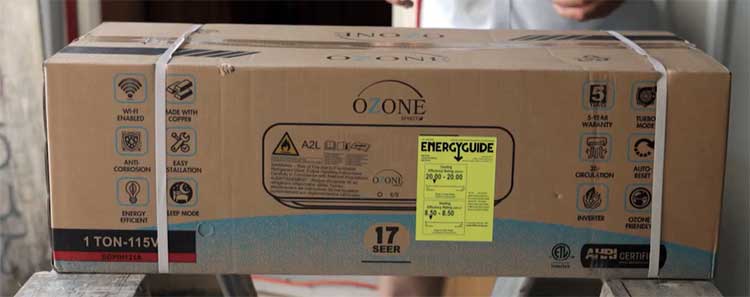
When I think about why my Ozone mini split has been such a solid choice, several strengths come to mind right away. You get a lot of performance for the price, and that’s something I appreciate every time I use it.
- Exceptional Energy Efficiency
One of the biggest advantages I’ve experienced is the energy efficiency. My unit boasts high SEER2 ratings, often around 21 or higher, which means it cools effectively while using less power. Inverter technology plays a huge role here – the compressor ramps up or down based on need, avoiding those energy-guzzling start-stop cycles.
I’ve seen my bills go down significantly, especially during peak summer months when I’d normally dread the statement. If you’re conscious about electricity costs or want to reduce your carbon footprint, this feature alone makes it worthwhile. The R32 refrigerant is another plus; it’s more eco-friendly with a lower global warming potential compared to older types.
- Whisper-Quiet Operation
You know those noisy air conditioners that disrupt conversations or sleep? My Ozone unit avoids that completely. The indoor head runs so quietly, often below 40 decibels on low settings, that I sometimes forget it’s on. Even the outdoor condenser is subdued.
This has been great for my bedroom setup – no rattling or humming to wake me up. If you value peace in your living spaces, like I do, you’ll love how it maintains comfort without adding background noise.
- Smart Controls and Convenience
The built-in WiFi capability changed everything for me. Controlling the unit from an app on my phone feels futuristic but practical. I can set schedules, switch modes, or check temperatures remotely. Integration with Alexa means I just say a command, and it’s done.
Features like turbo mode for quick cooling, sleep settings that adjust overnight, and dehumidification have all come in handy. It’s user-friendly, and once you get used to it, you wonder how you managed without these options.
- Easy Installation and Versatility
As someone who tackled the install myself, I can say these systems are designed with DIYers in mind. Pre-charged lines, included kits, and clear instructions make it accessible. No need for ductwork, so it’s perfect for additions, garages, or older homes like mine.
It handles zoning well too – cool or heat specific areas without wasting energy elsewhere. Whether single-zone or expanding to multi, it adapts easily.
- Strong Value and Warranty Protection
For the features packed in, the price feels fair. You get premium-like performance without paying for big-name premiums. The warranty – often 8 years on the compressor – gives peace of mind.
I’ve had no issues, but knowing parts are covered helps. Overall, these pros have made my daily comfort better and more affordable.
The Cons I’ve Encountered With My Ozone Mini Split
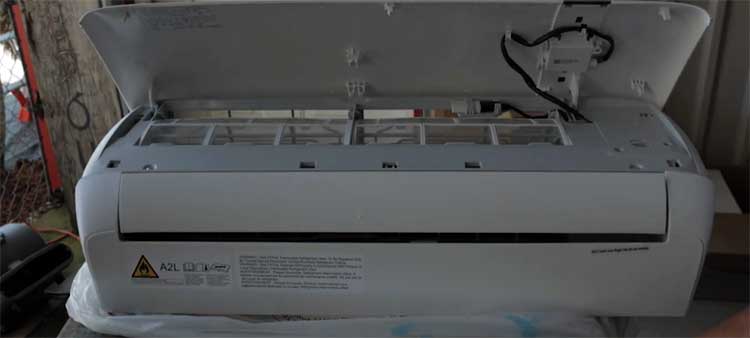
No product is perfect, and I’ve noticed a few drawbacks with my Ozone unit that you should consider.
- Limited Brand Recognition and Support: Since Ozone isn’t as established as some bigger names, finding local technicians familiar with it can be tricky. I’ve relied on online forums and manuals for minor tweaks, which works for me but might frustrate others who prefer dedicated service networks.
- Potential for Parts Availability Issues: If something does need replacement down the line, sourcing specific parts could take longer compared to mainstream brands. So far, I haven’t needed any, but it’s something I keep in mind for long-term ownership.
- Performance in Extreme Conditions: While it handles most weather fine, in very prolonged extreme cold or heat, it might not match the robustness of higher-end models. My unit performed well, but I supplement with other heating during the deepest freezes.
These cons are manageable for the savings, but they’re worth weighing if reliability in harsh climates is your top priority.
Maintenance Tips To Keep Your Ozone Mini Split Running Smoothly
Keeping your Ozone mini split in top shape isn’t complicated, but consistent care makes a huge difference. I’ve developed a routine that ensures mine stays efficient and problem-free.
- Regular Filter Cleaning: The filters are your first line of defense. I clean mine every month by removing them, rinsing with mild soap and water, and letting them dry completely. This prevents dust buildup, maintains airflow, and keeps air quality high. Neglecting this can strain the system and raise energy use, so make it a habit – it takes just minutes.
- Coil and Drain Line Maintenance: Every few months, I check the indoor and outdoor coils for dirt. A gentle spray with a hose on the outdoor unit clears debris, while the indoor evaporator might need a soft brush or no-rinse cleaner. For the drain line, I pour a mixture of vinegar and water through it seasonally to prevent algae clogs that could cause leaks. These steps keep efficiency high and avoid water damage.
- Outdoor Unit Care: Position matters – keep the condenser clear of leaves, grass, or snow. I trim nearby plants and rinse the fins gently if they get dirty. In winter, I clear ice buildup carefully to protect the fan. Good airflow around the unit is key for performance.
- Professional Annual Checkups: Even though I handle basics, I schedule a pro tune-up once a year. They check refrigerant levels, electrical connections, and overall function. It’s worth the cost for catching issues early, especially with the warranty in play.
- Monitoring and Smart Usage: Use the self-diagnosis features – error codes alert you to problems. I also run it in eco or auto modes to optimize. Avoid blocking vents and set reasonable temperatures to reduce wear.
Following these tips, my unit has stayed reliable, saving me money and hassle long-term.
How Ozone Compares To Other Popular Brands?
When I was shopping, I compared Ozone to several other mini split options. Here’s how it stacks up in key areas.
When I shopped around, I looked closely at other affordable options in the same DIY-friendly category. You know, the ones that promise solid performance without the huge price tag.
Turbro, Cooper & Hunter, and Della kept coming up, so I dug into user experiences and specs to see how my Ozone unit measures up. Here’s what I found – straight from someone who’s lived with one.
- Ozone Vs. Turbro Mini Split
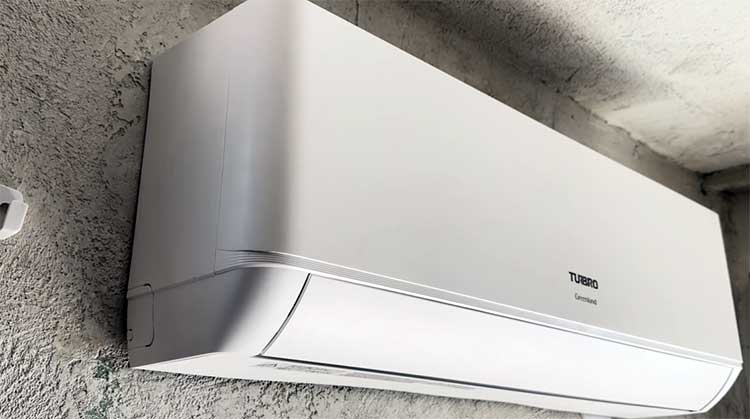
Turbro’s Greenland series caught my eye with its high SEER ratings and quiet claims – many owners rave about how silently it runs, even in turbo mode. Both brands deliver strong inverter efficiency and WiFi controls, cooling rooms quickly while keeping bills low.
Where Ozone pulls ahead for me is the overall value feel. My unit came with everything pre-charged and ready for a smooth weekend install, and the app integration feels just as responsive. Turbro units sometimes cost a bit more for similar BTUs, and while both are super quiet indoors, I’ve noticed my Ozone outdoor condenser hums a touch softer on low settings.
If you’re prioritizing dead silence, Turbro might edge it out, but for everyday comfort and savings, Ozone gives you that premium vibe without the extra spend. You get reliable year-round heating too, though Turbro seems popular for basement setups.
- Ozone Vs. Cooper & Hunter Mini Split
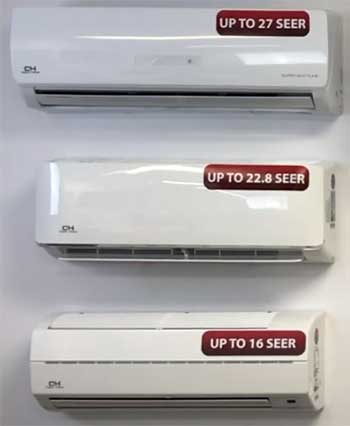
Cooper & Hunter has a bigger following in the budget space, and I get why – solid efficiency around 21 SEER, easy kits, and good cold-weather heating in many models.
I’ve seen plenty of installs where they perform well initially.
That said, some users report refrigerant leaks or coil issues after a year or two, which made me nervous.
My Ozone has been leak-free and consistent through seasons, with no weird error codes popping up.
Both include smart controls, but Ozone’s Alexa compatibility felt more seamless right out of the box – I set voice commands in minutes.
Noise levels are comparable, though Cooper & Hunter can get a bit louder outdoors in boost mode. On warranty and parts, they’re similar, but Ozone’s build feels sturdier to me, with better corrosion resistance from the gold fin coils.
If you want proven longevity in harsher setups, Cooper & Hunter has more long-term stories, but for straightforward reliability and fewer headaches, Ozone wins my vote every time.
- Ozone Vs. Della Mini Split
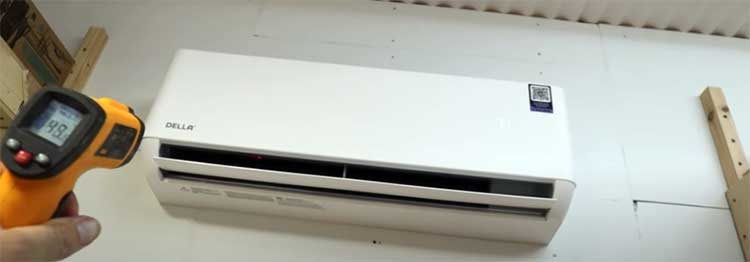
Della’s Vario series is another strong contender – whisper-quiet indoors, smart features like auto modes, and impressive energy savings that rival my Ozone’s numbers. Owners love how it handles larger spaces efficiently, and the self-cleaning options are handy.
What tipped me toward Ozone was the outdoor unit performance. Della gets complaints about vibration or louder operation outside, especially in heat mode, while my Ozone stays remarkably subdued. Both are DIY dreams with pre-charged lines, but Ozone’s WiFi app has been more reliable for scheduling – no random disconnects like some Della reports.
Heating down to low temps is solid on both, but Ozone maintains output better in my moderate climate without straining. Price-wise, they’re neck-and-neck, but Ozone includes that eco-friendly refrigerant edge and feels more modern overall.
If smart automation is your priority, Della shines, yet for balanced quietness and consistent comfort, you can’t beat what Ozone delivers daily.
In the end, all these brands compete in the budget ductless world, offering way more than old window units ever could. But after comparing specs, reviews, and my own experience, Ozone stands out as the sweet spot – efficient, quiet, feature-packed, and hassle-free without overpaying.
If you’re like me and want zoned comfort that just works, it’ll fit your home perfectly.
Frequently Asked Questions (FAQ)
Yes, with proper installation and maintenance, they provide years of consistent performance for many users.
Ozone mini splits are produced by experienced HVAC manufacturers focusing on efficient, affordable inverter systems.
Premium brands like Mitsubishi often top lists for longevity, but Ozone offers dependable operation at accessible pricing.
Yes, it’s excellent for value-driven buyers seeking efficient, feature-rich ductless comfort.
Wrapping Up
After using my Ozone mini split daily, I can confidently say you should buy one if you want efficient, quiet, and affordable zoned heating and cooling.
It has improved my home’s comfort dramatically while saving money – a worthwhile investment you’ll enjoy season after season.