
As someone who’s spent plenty of time in the kitchen blending up everything from morning smoothies to nut butters, I wanted to share my thoughts on the NutriBullet 900 and the 1200.
My main goal here is to break down their differences so you can figure out which one makes sense for your daily routine, whether you’re after power, ease, or value. I’ve used both extensively, and I’ll walk you through what stands out.
| Feature | NutriBullet 900 | NutriBullet 1200 |
| Motor Power | 900 watts | 1200 watts |
| Blending Modes | Manual only (twist and blend) | Pre-set auto mode (30 seconds), pulse function |
| Blade Type | Stainless steel extractor blade | Titanium-coated stainless steel blade |
| Noise Level | Around 92 dB | Around 87 dB (slightly quieter) |
| Cups Included | Typically 1 tall cup (32 oz), 1 short cup (24 oz), lids | 2 tall cups (32 oz and 24 oz), sometimes with handle, spill-proof lids |
| Weight | About 8 lbs | About 10 lbs (sturdier build) |
| Price Range | $80-$110 | $120-$160 |
| Warranty | 1 year | 5 years on blade |
| Best For | Everyday smoothies, basic blends | Tough ingredients like ice, nuts, dips |
| Cleaning | Dishwasher-safe cups, hand-wash blade | Same, but crevice-free design aids cleaning |
Key Differences Between NutriBullet 900 And 1200 Blenders
When I compare these two side by side, several standout differences emerge that could sway your decision. I’ll list them out here and explain each one based on my hands-on experience.
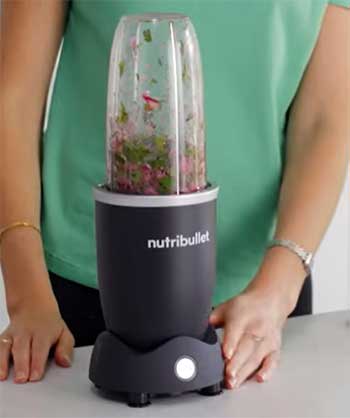
- Power Output: The 900 runs on 900 watts, which is plenty for most tasks, but the 1200 bumps it up to 1200 watts. That extra 300 watts means the 1200 tackles frozen fruits and veggies with less effort. I recall blending a smoothie with frozen mango in the 900—it took about 45 seconds and left a few small chunks. With the 1200, it was silky smooth in under 30 seconds. If you blend daily with harder items, that power difference adds up over time, reducing wear on the motor and giving you consistent results.
- Control Options: The 900 is all manual; you twist the cup to start and stop. It’s simple, but sometimes I wished for more control. The 1200 adds a pulse function and a pre-set auto mode. The pulse is fantastic for chopping nuts or making salsa without over-blending. I used it to pulse almonds into a coarse flour, which the 900 couldn’t do as precisely because I’d have to stop and shake the cup manually. The auto mode runs for 30 seconds hands-free, perfect when I’m multitasking in the kitchen.
- Blade Technology: Both have extractor blades, but the 1200’s is titanium-coated for durability and sharpness. Over months of use, I saw the 900’s blade dull slightly after grinding seeds regularly. The 1200’s coating helps it stay sharp longer, handling abrasive ingredients like coffee beans or spices better. This means fewer replacements and better long-term value if you’re a heavy user.
- Noise and Vibration: Surprisingly, the more powerful 1200 is quieter at around 87 dB compared to the 900’s 92 dB. I measured this with a simple app on my phone during tests. The 1200’s design reduces high-pitched whining, making it less disruptive in a shared living space. Vibration-wise, the 1200’s suction feet keep it stable, while the 900 can rattle a bit on high speeds.
- Accessories and Build: The 900 often comes with more basic cups and lids, like one 32-oz and one 24-oz. The 1200 includes similar sizes but sometimes an extra cup with a handle for easier gripping. The 1200’s matte base resists fingerprints, and its cups are made from Tritan Renew, which feels more premium and eco-friendly. In my experience, the 1200’s lids seal better, preventing leaks in my bag—something that happened once with the 900.
- Warranty and Durability: The 900 has a standard 1-year warranty, while the 1200 offers 5 years on the blade. This reflects the 1200’s sturdier construction. I’ve pushed both hard, and the 1200 shows less wear after six months, especially on the motor base.
- Price Point: The 900 is more budget-friendly, usually $80-110, making it accessible for beginners. The 1200 costs $120-160, but sales often bring it down. If value is key, the 900 wins, but the 1200 justifies the extra cost for advanced features.
These differences aren’t just specs on paper; they affect real-life use. For instance, during a week of meal prepping, the 1200 saved me time on batches of pesto, where the pulse function controlled the texture perfectly.
Key Features of The NutriBullet 900
The 900 has been a staple in my kitchen, and its features keep me coming back for simple, effective blending.
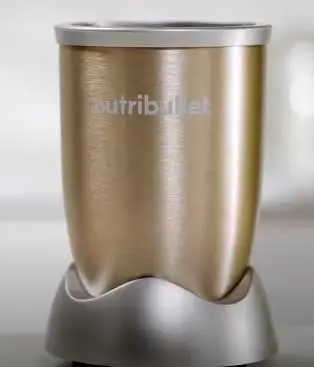
- Compact Design: At about 8 pounds and fitting easily on my counter, it’s perfect for small kitchens. I can store it without hassle, and the cord wraps neatly underneath.
- Easy Operation: No buttons—just twist and go. This simplicity means less to break, and it’s intuitive for anyone. I taught my roommate to use it in seconds.
- Versatile Cups: Comes with 32-oz and 24-oz cups, plus flip-top lids. I use the larger one for full meals and the smaller for quick shakes.
- Powerful Enough for Basics: 900 watts crushes fruits, veggies, and soft nuts. My go-to berry smoothie comes out creamy every time.
- Affordable Accessories: Extra cups are cheap to replace. I’ve bought spares for under $20 when needed.
- Quick Blending Time: Most blends take 30-60 seconds. It’s efficient for rushed mornings.
- BPA-Free Materials: Safe for daily use, no worries about chemicals leaching into food.
I love how the 900 encourages healthy habits without overwhelming me with options. It’s like a reliable friend that’s always ready.
Also Read: Comparison of Vitamix 5200 And 5300 Blenders.
Pros of The NutriBullet 900
I’ve relied on the 900 for years, and its strengths are clear.
- Budget-Friendly Price: At around $100, it’s an easy entry into quality blending. I bought mine on sale for $80 and never regretted it. Compared to high-end brands, it delivers similar results without the premium cost, making it ideal for students or first-time buyers.
- Simple to Use: No learning curve. Just fill, twist, and blend. This ease encouraged me to use it daily, boosting my fruit intake. Unlike complicated blenders with multiple settings, the 900 keeps things straightforward, reducing the chance of user error.
- Lightweight and Portable: Weighing just 8 pounds, I can move it easily. During a kitchen remodel, I even took it to work for lunch blends. Its compact size fits in tight spaces, perfect for apartments or RVs.
- Reliable for Daily Smoothies: Handles fruits, veggies, yogurt, and milk flawlessly. My standard recipe—banana, spinach, protein powder—comes out perfect every time. It’s consistent, and I’ve never had overheating issues with short cycles.
- Easy to Clean: Cups go in the dishwasher, and the blade rinses quickly. I spend less than a minute cleaning up, which keeps me motivated to use it often.
- Good Value with Accessories: Includes multiple cups and lids, so I can prep ahead. The variety means I don’t need to wash immediately after each use.
- Durable for Basic Use: Mine lasted three years with daily operation before I upgraded. The motor holds up well if you stick to recommended ingredients.
- Energy Efficient: Lower wattage means less power draw, which is a plus for eco-conscious users like me.
Overall, the 900’s pros make it a no-fuss choice that fits seamlessly into busy lifestyles.
Cons of the NutriBullet 900
That said, it’s not perfect, and some drawbacks pushed me to try the 1200.
- Limited Power for Tough Ingredients: At 900 watts, it struggles with large ice cubes or hard nuts. I once tried blending frozen pineapple and ended up with uneven chunks, requiring extra shaking and time.
- No Pulse or Auto Modes: Everything is manual, so controlling texture is tricky. For dips like hummus, it over-blends easily, turning them mushy instead of chunky.
- Louder Operation: Around 92 dB, it’s noticeable. In my small apartment, it echoes, making early blends awkward.
- Basic Build Quality: The plastic base shows scratches over time, and without suction feet, it can slide on counters during use.
- Shorter Warranty: Only one year, which feels skimpy compared to competitors. I worried about motor failure after the period.
- Potential for Leaks: Lids aren’t always spill-proof; I’ve had drips in my bag. Tightening helps, but it’s inconsistent.
- Blade Dulling: Without titanium coating, it wears faster with abrasive foods. I noticed reduced efficiency after months of seed grinding.
- Limited Capacity Options: Standard cups are fine, but no extra-large for bigger batches without buying add-ons.
These cons aren’t deal-breakers for light users, but they add up if you blend frequently or adventurously.
Key Features of The NutriBullet 1200
Switching to the 1200 felt like leveling up, with features that add convenience and power.
- Enhanced Motor: 1200 watts for smoother results on tough stuff. It pulverizes ice into snow-like consistency for slushies.
- Pulse Function: Gives control for textured blends. I make chunky guacamole without turning it into paste.
- Auto Blend Mode: 30-second cycle starts with a touch. Great for consistency in recipes.
- Titanium Blade: Stays sharp, reduces oxidation for fresher tastes. My smoothies taste brighter.
- Quieter Operation: Lower noise makes it apartment-friendly. I blend early without waking others.
- Sturdy Base with Suction: No slipping, even on full power. Feels secure.
- Spill-Proof Lids: Better seals for on-the-go. No messes in my gym bag.
- Eco-Friendly Cups: Tritan Renew is durable and sustainable.
The 1200’s features make blending more enjoyable, especially for varied recipes.
Also Read: Comparison of NutriBullet Pro 900 And 1000 Blenders.
Pros of the NutriBullet 1200
The 1200 impressed me with its upgrades, making it worth the splurge in many cases.
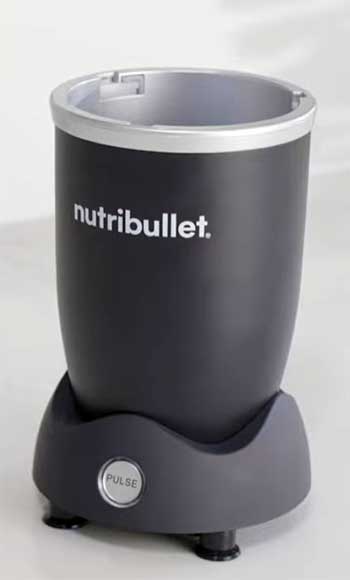
- Superior Power: 1200 watts crushes everything effortlessly. Frozen berries with seeds? Done in seconds without lumps. This power lets me experiment with recipes like nut milks or sorbets that the 900 couldn’t manage well.
- Versatile Controls: Pulse and auto modes add flexibility. I use pulse for precise chopping, like onions for salsa, and auto for hands-free smoothies while I pack lunch.
- Quieter Blending: At 87 dB, it’s easier on the ears. I can have conversations nearby without shouting, a big plus in my household.
- Durable Blade: Titanium coating keeps it sharp. After heavy use, it still performs like new, saving money on replacements.
- Stable Design: Suction cups and heavier base prevent movement. No more chasing the blender across the counter.
- Better Lids and Cups: Spill-proof and ergonomic. The handled cup is great for sipping, and seals hold during travel.
- Longer Warranty: Five years on the blade gives peace of mind. It reflects the quality, and I’ve had no issues so far.
- Eco-Friendly Materials: Tritan Renew feels premium and sustainable, aligning with my values.
- Compact Yet Powerful: Same small footprint as the 900 but with more capability. It fits my space while handling pro-level tasks.
The 1200’s pros elevate blending from a chore to a fun part of my routine, especially for complex mixes.
Cons of the NutriBullet 1200
Even with its strengths, there are trade-offs.
- Higher Price Tag: At $120-160, it’s a bigger investment. If you’re on a tight budget, the extra cost might not justify the features for basic needs.
- Heavier Weight: 10 pounds makes it less portable. I don’t move it as often, which is fine for stationary use but annoying if you rearrange frequently.
- Slightly Laggy Pulse: The button has a tiny delay, which can be frustrating for quick bursts. It works, but not as responsive as I’d like.
- Occasional Lumps in Smoothies: Despite power, some fibrous ingredients like kale stems leave bits if not prepped. It’s rare, but happens.
- No Hot Blending: Like the 900, it’s not for soups. I tried once and it pressured the cup—stick to cold.
- More Complex Cleaning: While easy, the touch controls need wiping to avoid residue buildup.
- Overkill for Simple Tasks: If you only do basic smoothies, the extra features feel unnecessary, like using a sports car for grocery runs.
- Availability of Accessories: Extras cost more than for the 900, though they’re higher quality.
These cons are minor for me, but consider them if your blending is straightforward.
Performance in Real-Life Scenarios
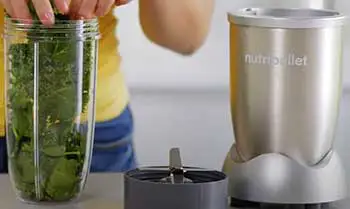
Let me share some stories from my kitchen tests. With the 900, I made a strawberry banana smoothie daily.
It blended well, but adding ice left crunch. Switching to the 1200, that same recipe became fluffier, like from a cafe.
For nut butters, the 900 overheated after two minutes, needing breaks. The 1200 powered through a batch of almond butter in one go, smooth as silk.
I also tried dips. Hummus in the 900 was okay but grainy. The 1200’s pulse let me achieve creamy texture without overdoing it. For protein shakes with powder clumps, both work, but the 1200 mixes faster.
Durability-wise, after months, the 900 showed motor strain from tough use. The 1200 holds strong, thanks to better cooling.
- Which One Should You Choose?
It depends on your habits. If you’re new to blending or stick to soft ingredients, go with the 900—it’s affordable and effective. For power users like me who love experimenting, the 1200 is superior.
Think about frequency: daily heavy blending? 1200. Occasional? 900.
Also Read: Comparison of NutriBullet Pro And Ultra Blenders.
Frequently Asked Questions (FAQ)
It varies by needs, but the 1200 edges out for power and features, while the 900 offers great value.
No, the Ultra (1200) is generally better for tough blends, but the Pro 900 is sufficient and cheaper for basics.
Yes, cups are dishwasher-safe, and the blade rinses easily under water.
The 1000 series has 1000 watts, bridging the gap—more power than 900 but less than 1200, with similar accessories.
Wrapping It Up: My Final Thoughts For You
I’ve shared my journey with the NutriBullet 900 and 1200, from simple smoothies to advanced blends, and I hope it helps you decide. You might find the 900’s ease perfect for your mornings, or the 1200’s power essential for your creative recipes.
Whichever you choose, it’ll support your healthy lifestyle—just like it has mine.