
I’ve tried just about every protein shake on the market over the past few years. Some taste like chalk water, others feel like a guilty pleasure disguised as health food.
Lately, two names keep coming up in my routine: Nurri and Premier Protein. Both promise 30 grams of protein in a convenient ready-to-drink format, but they deliver that promise in very different ways.
In this comparison, I’ll break down everything I’ve experienced with both—from taste and texture to nutrition, ingredients, price, and how they fit into real life—so you can decide which one (or maybe neither) is right for you.
| Aspect | Nurri | Premier Protein |
| Calories per serving | 150 | 160 |
| Protein | 30g (ultra-filtered milk protein) | 30g (milk protein concentrate + whey) |
| Sugar | 1g | 1g |
| Total Carbs | 6g | 5g |
| Fat | 2.5g | 3g |
| Lactose-Free | Yes | No (contains lactose from milk proteins) |
| Sweeteners | Sucralose + acesulfame potassium | Sucralose + acesulfame potassium |
| Key Additives | Lactase enzyme, pectin, potassium phosphate | Carrageenan, cellulose gel/gum, high oleic sunflower oil |
| Vitamins & Minerals | 10 added vitamins and minerals | 24 added micronutrients |
| Bottle Size | 11 fl oz (slim can) | 11 fl oz (plastic bottle) |
| Average Price per Shake | ~$1.25–$1.50 (Costco/Walmart packs) | ~$2.00–$2.50 |
| Texture | Thinner, closer to skim milk | Thicker, more milkshake-like |
Key Differences Between Nurri And Premier Protein

Here’s where they really stand apart, based on months of drinking both side-by-side and continuing to track them into 2026 as they both hold strong popularity.
- Ingredient philosophy: Nurri embraces a minimalist approach with ultra-filtered skim milk as the core, adding only lactase enzyme for lactose breakdown, pectin for light stability, and potassium phosphate—keeping the list short and avoiding thickeners or oils. Premier takes a more complex route, blending milk protein concentrate with whey and using carrageenan, cellulose gel and gum, plus high oleic sunflower oil to engineer that rich, creamy consistency many crave, though it introduces additives some prefer to skip.
- Texture and mouthfeel: Nurri stays deliberately thin and light, flowing like chilled skim milk with subtle flavor that feels refreshing and goes down effortlessly, especially when you want something quick and non-heavy. Premier commits to a thick, velvety milkshake texture that coats the mouth and delivers a more decadent, lingering satisfaction—perfect when you’re in the mood for indulgence but less ideal if you prefer something lighter.
- Lactose content: Nurri actively adds lactase enzyme to eliminate lactose entirely, making it reliably gentle even for those with moderate dairy sensitivities who otherwise experience discomfort. Premier relies on milk proteins that naturally contain lactose and isn’t formulated as lactose-free, so it can trigger bloating or digestive upset in sensitive people.
- Calorie density: Nurri’s 150 calories give it a noticeable lean advantage for anyone tracking tightly or aiming for multiple shakes daily without calorie creep. Premier sits at 160, a small gap individually but one that accumulates over time or when stacking with other foods.
- Micronutrient load: Premier goes heavy on fortification with 24 vitamins and minerals, offering broader daily value percentages that can help fill nutritional gaps on busy days. Nurri provides a solid but more focused set of 10, prioritizing protein delivery over acting as a full supplement.
- Sweetness level: Both use sucralose and acesulfame potassium, yet Premier often amps the sweetness higher for a bolder, dessert-forward profile that can feel intense after a while. Nurri dials it back for a milder, more authentic milk-like balance that avoids overwhelming the palate.
- Packaging: Nurri’s slim, recyclable aluminum cans chill rapidly, stack efficiently, and travel lightly, though they’re single-serve only once opened. Premier’s resealable plastic bottles allow pausing mid-drink and portion control, but they’re bulkier, less eco-friendly in terms of recycling rates, and take up more fridge space.
- Price accessibility: Nurri consistently delivers better value, especially in 12-packs at Costco, Sam’s Club, or Walmart where it often lands under $1.50 per serving even in 2026. Premier commands a premium, typically $2 or more, though frequent sales narrow the gap occasionally.
- Flavor approach: Premier maintains a wider, more adventurous lineup with creative options like Cake Batter or seasonal varieties that keep long-term use exciting. Nurri focuses on core classics—Chocolate, Vanilla, Strawberry, Mocha—executed with a remarkably natural, nostalgic milk taste, occasionally adding limited editions but staying true to simplicity.
- Digestibility: Nurri rarely causes any aftermath, even with two or three a day, thanks to its lightness and lactose-free design. Premier’s denser texture, lactose, and stabilizers can sit heavier or lead to occasional bloating for those with sensitive stomachs.
- Brand maturity and availability: Premier benefits from years of market dominance and near-ubiquitous stocking in grocery stores, gyms, and online retailers everywhere. Nurri, the newer contender, has surged in club stores and select chains, building a passionate following through word-of-mouth and value but still lacks Premier’s universal reach.
- Perceived cleanliness: Nurri’s shorter, more transparent ingredient deck—free of carrageenan and added oils—strongly appeals to clean-eating preferences. Premier prioritizes functional texture and stability over minimalism, sparking ongoing debate among label readers.
These distinctions create genuinely different daily experiences: Nurri leans toward effortless, budget-friendly, clean sipping, while Premier shines when variety, thickness, and broader nutrition matter most.
Key Features of Nurri
Nurri showed up at Costco and quickly became a budget-friendly alternative in the high-protein shake world. Here’s what stands out to me after going through multiple 12-packs.

- Ultra-filtered milk base that delivers 30g of complete protein without any whey or powder additives
- Naturally lactose-free thanks to added lactase enzyme, so it doesn’t cause the bloating I sometimes get from dairy-based shakes
- Only 150 calories with 1g sugar, making it one of the leanest 30g options available
- Fortified with 10 essential vitamins and minerals, including calcium, vitamin D, and B vitamins
- Comes in slim 11-oz cans that chill fast and feel lighter to carry
- Flavors currently include Chocolate, Vanilla, Strawberry, and Mocha—nothing too wild, but executed cleanly
- No artificial colors and rBST-free milk claim
- Clean separation when shaken—no thick sludge at the bottom like some competitors
- Kosher-certified dairy for those who look for that label
- Surprisingly dessert-like taste despite the thin texture, especially the chocolate and strawberry
I appreciate that Nurri doesn’t try to be everything to everyone. It focuses on being a straightforward, milk-based protein drink that tastes good cold and doesn’t pretend to be a meal replacement.
Pros of Nurri
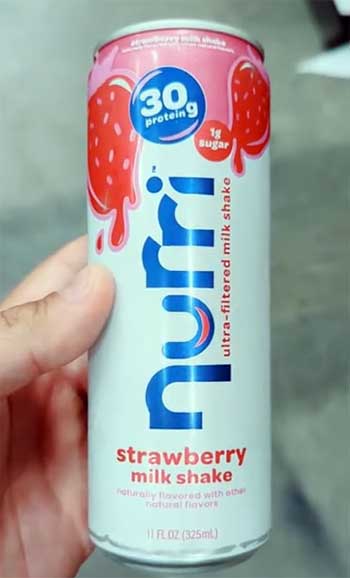
- Lower calorie count at 150 versus most competitors, giving you more flexibility when tracking macros or enjoying multiple shakes a day
- Truly lactose-free with added lactase enzyme, perfect if you have any dairy sensitivity and want to avoid discomfort entirely
- Significantly cheaper per shake in bulk packs, saving noticeable money over time without compromising on protein quality
- Cleaner, shorter ingredient list with no carrageenan or added oils, appealing if you prefer minimal processing
- Tastes remarkably close to real flavored milk, delivering that nostalgic chocolate or strawberry vibe without feeling fake
- Thinner, lighter texture that goes down fast and easy, especially refreshing after workouts or on hot days
- Minimal chalky residue or lingering artificial aftertaste, keeping each sip enjoyable from start to finish
- Slim aluminum cans that chill quickly, stack neatly in the fridge, and are easy to toss in a bag for on-the-go
- Subtler sweetness level that doesn’t overwhelm, making it versatile for mixing into coffee or smoothies
- Rapidly expanding availability in major retailers, with strong word-of-mouth driving its popularity into 2026
Cons of Nurri
- Thinner consistency might feel less filling or indulgent if you crave a thick, milkshake-style treat
- Fewer flavor options overall, which can get repetitive compared to brands with seasonal or creative varieties
- Non-resealable cans mean you commit to finishing it once opened—no sipping over hours
- Still relies on artificial sweeteners like sucralose and ace-K, which some people try to limit
- Primarily available in club stores and Walmart, so not as convenient for quick single purchases everywhere
- Occasional separation in the can if not shaken thoroughly, requiring a good mix before drinking
- Strawberry flavor can come across slightly artificial to very sensitive taste buds
- Provides fewer added micronutrients than heavily fortified competitors
- As a newer brand, it lacks the long-term track record and brand trust some established names have built
- Aluminum cans feel less premium in hand compared to sturdy plastic bottles
Also Read: My Experience With Koia Protein Drink.
Key Features of Premier Protein
Premier Protein has been around longer and built a loyal following for good reason. These are the features I notice most after years of buying them.
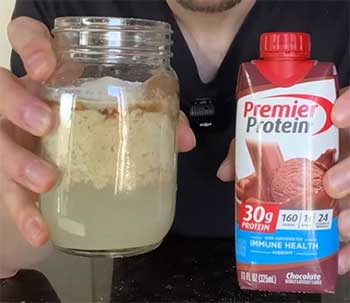
- Blend of milk protein concentrate and whey protein concentrate for that 30g protein punch
- Thicker, creamier texture that feels more indulgent than most ready-to-drink shakes
- Wide flavor variety—Chocolate, Vanilla, Caramel, Cake Batter, Bananas & Cream, and seasonal options
- Packed with 24 micronutrients, including high percentages of calcium, iron, and several B vitamins
- Low glycemic impact with only 1g sugar and minimal carbs
- Resealable plastic bottles (though the cap quality varies)
- Often marketed with added caffeine or energy blends in certain lines
- Gluten-free certification
- No artificial colors in most flavors
- Consistent availability nationwide in grocery stores, Costco, and online
Premier feels like the more “established” choice. It’s the one you see in every gym fridge and office break room.
Pros of Premier Protein
- Thicker, creamier texture that genuinely feels like a rewarding dessert rather than just a protein supplement
- Extensive flavor lineup with fun options like Cake Batter and seasonal releases, preventing boredom over months of daily use
- Impressive micronutrient profile with 24 vitamins and minerals, acting almost like a convenient daily supplement boost
- Found practically everywhere—from grocery aisles to gas stations—making restocking effortless
- Resealable bottles let you sip gradually throughout the day without wasting any
- Remarkably consistent taste and quality across batches and flavors over the years
- Frequently discounted or bundled in multi-packs at Costco and other retailers
- Strong, recognizable brand with a huge community of loyal users sharing recipes and tips
- Certain flavors blend beautifully into hot coffee, oatmeal, or baking for extra versatility
- Excellent room-temperature shelf life, handy for stocking up or travel
Cons of Premier Protein
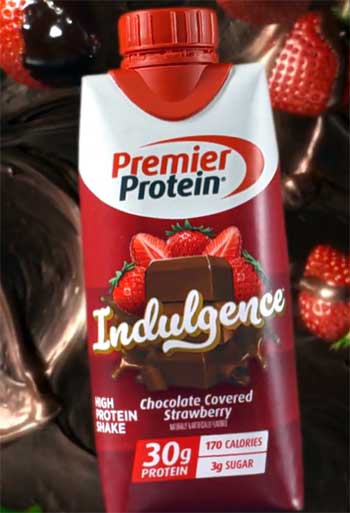
- Includes carrageenan and other stabilizers that some people avoid due to potential digestive concerns
- Slightly higher 160 calories per serving, which can add up if you’re strictly monitoring intake
- Not lactose-free, potentially causing bloating or discomfort for those with dairy sensitivities
- Generally more expensive per shake, even on sale, impacting budget over weekly or monthly consumption
- Some flavors develop a noticeable artificial sweetener aftertaste that lingers for certain palates
- Longer ingredient list with added oils and gums feels less “clean” to minimalists
- Past history of lawsuits and scrutiny over labeling and quality claims, which erodes trust for some shoppers
- Very thick texture can feel heavy or overly filling when drinking more than one per day
- Plastic bottles generate more waste and take up extra fridge space compared to slimmer cans
- Occasional reports of leaky caps or minor quality inconsistencies in certain batches
Which One Should You Choose?
It depends on your priorities. If you want cleaner ingredients, lower calories, lactose-free assurance, and better value—Nurri is hard to beat right now.
If you love thick texture, more flavors, and don’t mind paying extra for wider availability—Premier remains a solid choice. I keep both in my fridge: Nurri for everyday sipping, Premier when I want something more decadent.
You really can’t go wrong with either for hitting protein goals, but trying both side-by-side is the only way to know which taste and texture you’ll actually look forward to drinking.
Also Read: My Experience With Chike Protein Coffee.
Frequently Asked Questions (FAQ)
Yes—150 calories, 30g protein, and 1g sugar make it excellent for creating a calorie deficit while staying full and supporting muscle retention.
Premier has faced multiple lawsuits, including a $9 million settlement over alleged misrepresentation of protein content and more recent claims about heavy metal (lead) levels in some products.
It combines real milkshake taste with clean macros, lactose-free digestibility, and strong value—especially in bulk packs—while avoiding many controversial additives.
No, they’re different brands with similar nutrition profiles. Nurri is a separate ultra-filtered milk shake line competing directly in club stores.
Final Thoughts
I’ve enjoyed this journey through both shakes, and I hope this helps you pick the one that fits your life best. Whichever you choose, here’s to hitting those protein goals without sacrificing taste—you deserve a shake that actually feels like a reward.