
If you are looking for a convenient, plant-based way to hit your protein goals without loading up on sugar or dairy, you should buy No Cow Protein Bars.
These bars deliver 20 to 22 grams of vegan protein in just 190 to 210 calories, with only 1 gram of sugar and plenty of fiber to keep you full. They fit perfectly into busy days when you need something quick, clean, and satisfying that supports your active lifestyle.
My Experience With No Cow Protein Bars
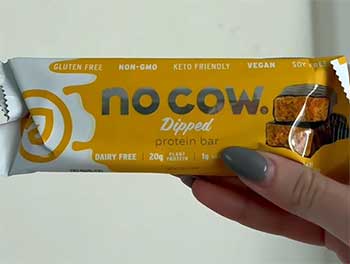
I remember the first time I grabbed a No Cow Protein Bar after a long workout.
I was tired, hungry, and wanted something that would not leave me feeling heavy or guilty.
I chose the Peanut Butter Chocolate Chip flavor because it sounded comforting.
The moment I unwrapped it, I noticed the soft yet slightly firm texture.
It was not gooey like some bars, but it had a nice chew that made every bite enjoyable.
As I took that first bite, the peanut butter flavor came through clearly, mixed with subtle chocolate notes from the chips and nibs. It reminded me of a healthier version of my favorite candy without the crash afterward.
The sweetness came from monk fruit, stevia, and erythritol, which felt natural and not overpowering. I finished the whole bar in a few minutes and felt satisfied for hours. No bloating hit me right away, which was a relief since I am sensitive to some protein products.
Over the next few weeks, I tried several other flavors like Chocolate Chip Cookie Dough, Cookies And Cream, and Chunky Peanut Butter. Each one brought its own personality. The cookie dough had that familiar doughy taste with chocolate pieces scattered throughout.
Cookies and cream surprised me with its creamy profile despite being completely dairy-free. I started carrying one in my bag every day for those mid-afternoon slumps at work or post-gym refueling sessions.
What stood out to me most was how these bars helped me stay consistent with my nutrition. You know those days when cooking a full meal feels impossible? I would reach for a No Cow Bar and still get solid protein from pea and brown rice sources without any animal products.
The high fiber content, around 15 to 16 grams per bar, kept me feeling full longer than many other snacks I used to rely on. I even noticed better energy levels during my training because I was not dealing with sugar spikes and drops.
Of course, not every moment was perfect. Some flavors felt a bit drier than others, especially if I ate them without water nearby. But overall, these bars became a staple in my routine. They made it easier for me to maintain my protein intake while sticking to a vegan-friendly approach.
If you are someone who values clean ingredients and wants a bar that actually tastes like a treat, I think you will enjoy them as much as I did. The convenience of having 20-plus grams of plant protein ready to go anywhere truly changed how I snack on busy days.
Also Read: My Experience With That’s It Fruit Bars.
Why No Cow Protein Bars Stand Out To Me?
When I compare my experience with these bars to others I have tried, the balance of macros always impresses me.
You get high protein with low calories and minimal sugar, which helps me stay on track without feeling deprived. The plant-based formula works well for my stomach most days, and the variety of dessert-inspired flavors keeps things exciting so I never get bored.
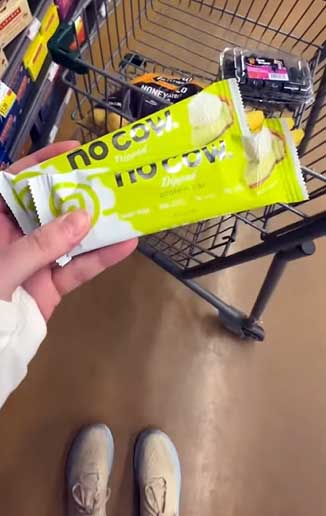
- You receive a generous 20 to 22 grams of high-quality plant protein blended from pea and brown rice, which supports your muscle recovery effectively after workouts and helps maintain steady energy levels throughout busy days without any animal products involved.
- With only 1 gram of sugar per bar and clever use of monk fruit, stevia, and erythritol, these bars satisfy your sweet cravings while preventing those unwanted blood sugar spikes and crashes that used to derail my afternoons.
- The impressive 15 to 16 grams of fiber per serving promotes healthy digestion, keeps you feeling full and satisfied for hours, and makes No Cow an excellent choice when you need a snack that actually holds you over until your next meal.
- Being completely vegan, dairy-free, soy-free, gluten-free, and non-GMO opens the door for a wide range of dietary preferences, letting you enjoy them confidently whether you follow a plant-based lifestyle or simply want cleaner ingredients.
- The controlled calorie range of 190 to 210 per bar allows you to fit them easily into weight management plans or daily macros without adding excess energy that could slow your progress toward fitness goals.
- A fun variety of dessert-inspired flavors including peanut butter chocolate chip, chocolate chip cookie dough, and cookies and cream keeps your snacking routine interesting so you never feel stuck eating the same thing week after week.
- The compact and portable packaging means you can slip one into your gym bag, purse, or car console and always have reliable nutrition ready whenever life gets hectic and meal prep falls behind.
Cons of No Cow Protein Bars
- Some flavors can feel slightly dry or chalky in texture, especially if you eat them without pairing with water or another beverage to help them go down smoothly.
- The high fiber amount might cause temporary bloating or digestive discomfort for sensitive stomachs if you consume the bar too quickly or on an empty stomach.
- Sugar alcohols like erythritol are used for sweetness, and while they keep sugar low, they may lead to mild stomach upset in people who are particularly sensitive to them.
- The bars are not as soft or moist as some refrigerated options, which means they require a bit more chewing and might not appeal if you prefer a very tender bite.
- Availability of variety packs can sometimes be limited, so you might need to buy individual flavors to test what you like best before committing to a larger box.
Even with these points, I still reach for them regularly because the overall benefits outweigh the minor drawbacks for my lifestyle.
Tips For Getting The Most Out of No Cow Protein Bars
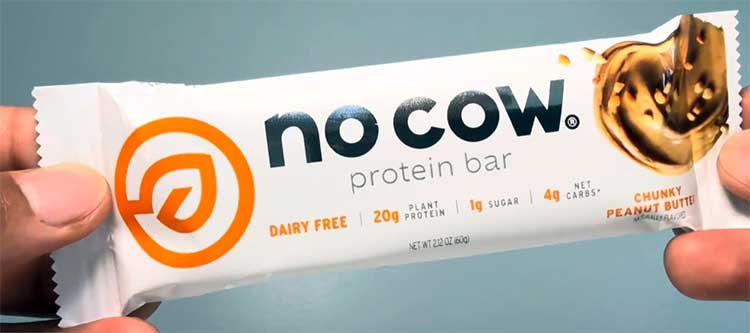
- Store your bars in a cool, dry place away from direct sunlight to maintain their fresh taste and soft texture for as long as possible.
- Keep a few bars in your pantry or office drawer so you always have a reliable high-protein option ready when hunger strikes unexpectedly.
- Pair the bar with a glass of water or your favorite plant-based milk to improve the eating experience and help with any dryness you might notice.
- Start with one bar per day and monitor how your body responds to the fiber and sweeteners, then adjust based on your comfort level and activity needs.
- Rotate through different flavors regularly to prevent taste fatigue and keep your snacking routine enjoyable over weeks and months.
- Check the expiration date when you receive a new box and consume older bars first to ensure you enjoy peak freshness every time.
- If you are new to plant-based protein, introduce the bars gradually into your diet while staying hydrated to support smooth digestion.
- Use them strategically as a post-workout snack or meal replacement when time is short, but combine with whole foods on lighter days for balanced nutrition.
Following these simple habits helps you enjoy consistent quality and maximum satisfaction from every No Cow Protein Bar you eat.
How No Cow Protein Bars Compare With Other Popular Brands?
- No Cow Protein Bars Compared To Mosh Protein Bars
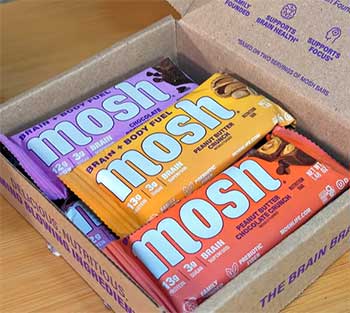
When I put No Cow Protein Bars next to Mosh Protein Bars, the differences become clear right away.
No Cow gives you a solid 20 to 22 grams of plant-based protein from pea and brown rice sources, while Mosh often focuses on a blend that includes whey or other proteins aimed at brain health with added nootropics.
I like how No Cow stays completely vegan and keeps the ingredient list cleaner for daily use without extra supplements I may not need.
The fiber in No Cow runs much higher at around 15 grams, which helps me stay full longer compared to Mosh bars that feel lighter in that department.
Taste-wise, No Cow delivers dessert-like flavors such as peanut butter chocolate chip with natural sweetness that never overwhelms me. Mosh tends to have a smoother, sometimes creamier mouthfeel, but I find No Cow more satisfying when I want something hearty after a workout.
If you follow a strict plant-based diet and want maximum fiber with minimal sugar, No Cow edges ahead in my routine. Mosh might suit you better if you look for added cognitive support ingredients and do not mind a touch more processing.
- No Cow Protein Bars Compared To Aloha Protein Bars
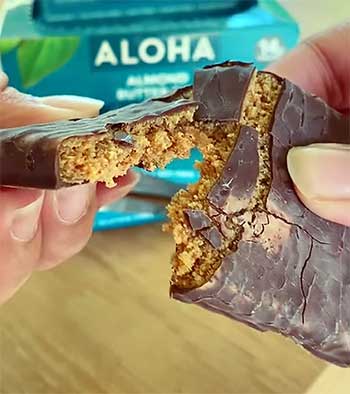
No Cow Protein Bars and Aloha Protein Bars both target the vegan crowd, yet they differ in several meaningful ways.
Aloha uses organic ingredients and emphasizes whole foods like nuts and seeds, which gives it a chewier, more natural bite that I sometimes crave.
However, No Cow packs more protein per bar—usually 20 grams or higher—while keeping calories lower and sugar at just 1 gram.
I appreciate that No Cow relies on monk fruit and stevia for sweetness without the date-based sweetness in Aloha that can make some bars taste heavier.
The high fiber in No Cow stands out as a big plus for digestion and satiety, something Aloha offers less of in most flavors. Texture in No Cow feels slightly drier at times, but I solve that easily with a sip of water, whereas Aloha tends to be softer straight out of the wrapper.
For someone like me who wants higher protein density and truly low sugar in a convenient package, No Cow wins most days. You might prefer Aloha when you prioritize organic certification and a softer, fruitier flavor profile over maximum protein and fiber.
- No Cow Protein Bars Compared To Kirkland Protein Bars
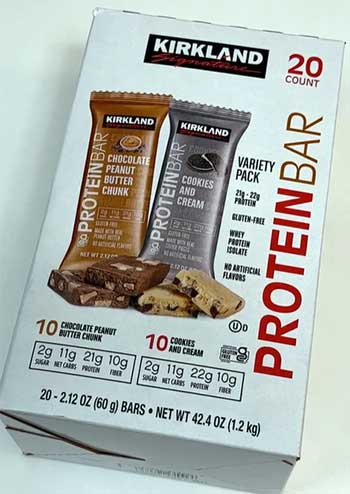
Comparing No Cow Protein Bars with Kirkland Protein Bars shows how different their approaches feel in everyday use.
Kirkland provides a budget-friendly option with decent protein, often from whey sources, and larger bar sizes that give you more volume for the price.
I turn to No Cow when I need something fully plant-based, dairy-free, and free from soy, because Kirkland typically includes animal-derived proteins that do not fit my preferences.
Sugar content stays impressively low in No Cow at only 1 gram, while Kirkland can vary but sometimes includes more added sugars or fillers.
The fiber advantage goes clearly to No Cow, helping me avoid mid-day hunger much better than Kirkland bars I have tried in the past. Flavor selection in No Cow feels more creative and dessert-inspired, like cookies and cream or chunky peanut butter, whereas Kirkland sticks to classic chocolate or peanut butter that tastes reliable but less exciting over time.
If you want affordability and do not mind dairy, Kirkland works well as a staple. For me, the clean vegan macros and higher fiber make No Cow the better daily driver despite the higher cost per bar.
- No Cow Protein Bars Compared To Quest Protein Bars
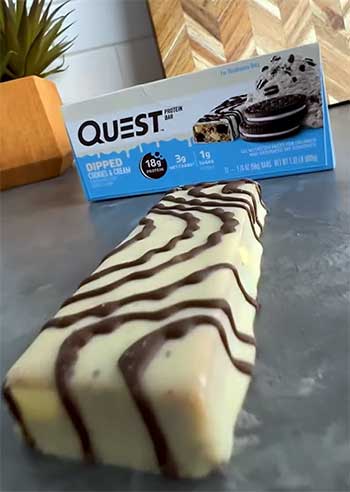
No Cow Protein Bars and Quest Protein Bars often sit on the same shelves, but their formulas serve different needs.
Quest built its reputation on high protein from whey isolate and a chewy texture that many people enjoy as a candy bar replacement.
I choose No Cow instead because it delivers similar protein levels—20 to 22 grams—while staying 100 percent vegan and avoiding dairy entirely.
The sugar alcohols in both can cause mild issues for sensitive stomachs, yet No Cow balances them with higher fiber that supports better digestion in my experience.
Quest bars sometimes feel tougher and require more chewing, while No Cow offers a softer bite once you get used to it.
Calorie counts remain close, but No Cow keeps net carbs and sugar extremely low with natural sweeteners that I tolerate better than some Quest varieties.
When I want portability without refrigeration and a plant-powered option, No Cow becomes my clear favorite. You may still reach for Quest if dairy-based protein digests well for you and you love that signature chewy resistance in every bite.
Frequently Asked Questions (FAQ)
It depends on your needs, but bars with minimal ingredients, high protein from quality sources, low added sugar, and balanced macros generally rank highest.
Jennifer Aniston has collaborated on her own Vital Proteins collagen and protein bars in flavors like peanut butter fudge and cold brew coffee.
Bars loaded with excessive added sugars, artificial ingredients, or high saturated fats similar to candy bars tend to be the least healthy options.
They provide 20 to 22 grams of vegan protein, low sugar, high fiber for satiety, and convenient plant-based nutrition without dairy or soy.
Final Thoughts
If you want a reliable, tasty, and clean protein boost that fits your active life, give No Cow Protein Bars a try. They have become my go-to for good reason, and I believe they can do the same for you.
Stock up, experiment with the flavors, and enjoy the simplicity of hitting your goals one satisfying bite at a time.