
I have spent years dealing with flea infestations, tick worries during hikes, and the constant fear of heartworm in my dogs. When it comes to monthly parasite protection, two options from the same trusted brand often come up: NexGard Spectra and NexGard Plus.
I compare them here because choosing the right one can make life easier for you and your pup.
My main intent is to walk you through their real-world differences, key features, pros and cons, so you can decide what fits your dog’s lifestyle best—without the overwhelm of sorting through vet jargon or marketing hype.
| Feature | NexGard Spectra | NexGard Plus |
| Active Ingredients | Afoxolaner + Milbemycin Oxime | Afoxolaner + Moxidectin + Pyrantel |
| Flea & Tick Control | Kills adult fleas quickly; covers several tick species including brown dog and bush ticks | Kills adult fleas; covers black-legged, American dog, lone star, and longhorned ticks |
| Heartworm Prevention | Yes | Yes |
| Intestinal Worms | Roundworms, hookworms, whipworms | Roundworms, hookworms |
| Mites & Mange | Treats demodicosis and sarcoptic mange | No specific coverage |
| Other Parasites | Lice, some eyeworm and lungworm in certain regions | No additional mite or lice claims |
| Administration | Monthly beef-flavored chew | Monthly beef-flavored chew |
| Best For | Dogs needing broad internal and external protection, including mites | Dogs in areas with specific ticks and basic worm needs |
Both come as tasty chews that most dogs eat willingly, but the extras each brings change the game depending on where you live and what risks your dog faces.
Key Differences Between NexGard Spectra And NexGard Plus
The differences between NexGard Spectra and NexGard Plus come down to their active ingredients and the specific parasites each targets most effectively, which directly affects how well they match your dog’s real-life risks.

- Active ingredient makeup: NexGard Spectra pairs afoxolaner with milbemycin oxime. That second ingredient expands the internal protection significantly. NexGard Plus combines afoxolaner with moxidectin and pyrantel, creating a three-ingredient formula aimed at strong heartworm prevention and certain intestinal worms. The extra component in Plus often gives it a slight edge in how moxidectin works against heartworm larvae in some regions, while milbemycin oxime in Spectra handles a wider range of worms and mites.
- Tick species coverage: This is one of the biggest practical splits I notice. NexGard Plus lists strong effectiveness against black-legged ticks, American dog ticks, lone star ticks, and longhorned ticks. If you hike in areas where these species thrive or where Lyme disease is a concern, Plus can feel more tailored. Spectra covers ticks too, but its claims often lean toward brown dog ticks and bush ticks or paralysis ticks depending on the country. In my experience, if your local tick population includes more of the lone star or longhorned varieties, Plus might give you that targeted reassurance without needing to worry as much about gaps in those specific threats.
- Intestinal worm spectrum: Spectra pulls ahead here with reliable control of whipworms in addition to roundworms and hookworms. Whipworms can be stubborn in soil-heavy environments like dog parks or yards after rain, and having that coverage built in means one less thing to monitor. Plus handles roundworms and hookworms solidly through pyrantel, but it does not emphasize whipworm control the same way. For dogs that swallow grass, dig in dirt, or interact with other animals frequently, this extra worm protection in Spectra reduces the chance of recurring issues that show up in fecal tests.
- Mite and mange treatment: This stands out as a clear advantage for Spectra. It treats demodicosis (demodex mites) and sarcoptic mange directly, which can be a game-changer for breeds prone to skin problems or dogs that have had mite flare-ups before. I have seen how frustrating separate mite treatments can be—extra pills, baths, or vet visits. Spectra folds that in, so you avoid layering products. NexGard Plus does not carry specific claims for mites or mange on its label, meaning you might need an additional medication if those issues pop up, which adds complexity and cost over time.
- Additional parasite benefits: Spectra often includes mentions of lice control and, in certain regions, reduction in eyeworm or lungworm infections thanks to milbemycin oxime. Plus keeps its focus tighter on core fleas, ticks, heartworm, roundworms, and hookworms without those extras. If your dog travels or lives in areas with diverse parasite pressures, Spectra’s broader internal reach can simplify your monthly routine dramatically.
- Overall protection philosophy: Spectra feels designed for maximum all-in-one coverage when multiple threats overlap—external parasites plus a wide internal load including mites. Plus takes a more targeted approach, excelling in tick-heavy zones with efficient heartworm and basic worm control through its unique trio of ingredients. Neither is universally “better,” but the split shows up clearly when you map your dog’s habits against local risks. For example, in wooded areas with high tick variety, Plus might align better, while in places with soil-transmitted worms or skin mite history, Spectra reduces the need for extras.
- Regional and label variations: Exact tick lists and worm claims can shift slightly by country or approval, so what stands out in one market might adjust in another. I always check the local label with my vet because a bush tick in one area might match a different species elsewhere. This difference influences how confidently you can rely on each product without adding spot-ons or separate dewormers.
These distinctions have shaped how I rotate or choose between them based on seasons and travel. Understanding them helps you avoid over- or under-protecting your dog.
Key Features of NexGard Spectra
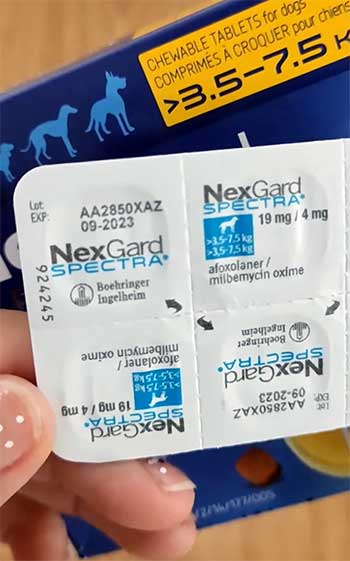
- Broad-spectrum parasite knockdown: The afoxolaner component starts working on fleas within hours, killing adults and stopping new eggs from developing in your home. Milbemycin oxime adds the internal punch by preventing heartworm larvae from maturing.
- Mite and mange treatment: This stands out for me because my dog once picked up demodex mites. Spectra helped clear it without separate meds.
- Additional worm coverage: It handles whipworms, which many basic preventives miss. In regions where lungworm or eyeworm show up, it offers peace of mind.
- Tick variety: While it covers common ones, the focus feels stronger on certain regional threats like bush ticks.
- Palatability and ease: The beef flavor makes it a treat rather than a battle. I give it with dinner and rarely see refusal.
- Monthly consistency: One chew every 30 days keeps protection steady, reducing gaps that let parasites sneak in.
I appreciate how Spectra simplifies my routine. Instead of juggling separate heartworm and worm pills, everything sits in one chew. For dogs with skin sensitivities or those visiting areas with mites, this feature alone feels like a win.
Pros And Cons of NexGard Spectra
Pros:
- Comprehensive coverage in a single chew means I buy and remember just one product instead of coordinating multiple preventives, which cuts down on missed doses during busy months.
- Built-in mite and mange treatment has saved me headaches with my dogs that occasionally pick up demodex—clearing skin issues without scheduling extra appointments or using separate dips and pills.
- Whipworm control adds real value in environments where dogs dig, eat grass, or visit parks, because those worms are harder to eliminate once established and can cause ongoing digestive upset.
- The combination of afoxolaner for fast flea and tick kill with milbemycin oxime for internal parasites creates layered protection that keeps my home and yard cleaner by breaking flea life cycles early and reducing worm shedding.
- Beef-flavored soft chew goes down easily even with picky eaters; I have hidden it in food only a handful of times over years of use, and most dogs treat it like a snack.
- High vet confidence in its broad action makes discussions at check-ups smoother, especially for multi-pet households or dogs with outdoor lifestyles that expose them to varied parasites.
- Monthly dosing consistency feels reliable through changing weather—rain does not wash it off like some topicals, and protection holds steady for the full 30 days.
- Helps manage flea allergy dermatitis by killing fleas before they bite much, which translates to less scratching, fewer hot spots, and happier dogs during peak season.
- Potential reduction in other parasites like lice or certain tissue worms in approved regions gives extra peace of mind without needing to research add-ons.
- Simplifies life for breeds prone to skin sensitivities, as the mite coverage prevents small problems from escalating into bigger veterinary bills.
Cons:
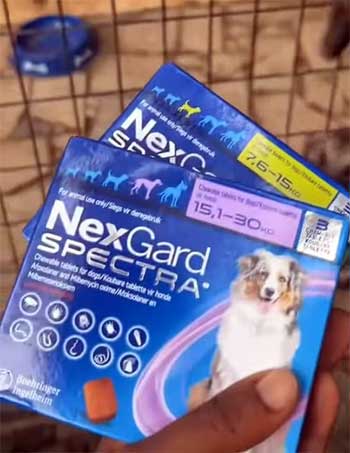
- In areas where mite and whipworm risks stay very low year-round, the broader formula can feel like more protection than necessary, potentially at a higher price point than narrower options.
- Tick species coverage, while solid, may not list every single local variety that Plus highlights, so in zones dominated by black-legged or longhorned ticks, you might want confirmation from your vet on full effectiveness.
- Cost per dose sometimes runs a bit higher because of the expanded ingredients, though I find the all-in-one convenience usually offsets that over time compared to buying separate heartworm and worm products.
- Rare dogs sensitive to milbemycin oxime might need monitoring, though most tolerate it without issue—still, starting with a vet discussion helps rule out any concerns.
- Label claims for certain additional parasites like eyeworm or lungworm vary by region, so it does not deliver identical extras everywhere, which can require double-checking based on your location.
From my analytical view, Spectra shines when you want maximum coverage in one step. I have used it through changing seasons and appreciated not worrying about gaps.
Key Features of NexGard Plus
- Targeted tick protection: The formula shines against black-legged ticks (linked to Lyme concerns) and longhorned ticks. If your area sees these more, Plus gives that extra reassurance.
- Heartworm and basic intestinal worms: Moxidectin prevents heartworm effectively, while pyrantel tackles roundworms and hookworms that dogs pick up from soil or other animals.
- Flea control speed: Like its counterpart, it kills fleas fast, helping break the life cycle and easing allergy symptoms in sensitive dogs.
- Beef-flavored chew format: Same convenient monthly dosing that dogs tend to accept without fuss.
- Combination approach: The three active ingredients work together for layered defense without making the chew too large or hard to administer.
In my testing with different dogs over time, Plus felt especially reliable during travel to tick-heavy zones where specific species dominate. It keeps things straightforward when mites aren’t the main worry.
Pros And Cons of NexGard Plus
Pros:

- Excellent targeted action against key disease-carrying ticks like black-legged (Lyme), lone star, American dog, and longhorned ticks, which gives strong reassurance during hikes or in endemic areas where those species pose the biggest threat.
- Reliable heartworm prevention through moxidectin pairs well with pyrantel for effective roundworm and hookworm control, covering the most common internal parasites many dogs encounter from soil or other animals.
- Three-ingredient formula delivers efficient, focused defense without adding unnecessary breadth, which can feel streamlined if your main worries center on ticks and basic worms rather than mites.
- Same easy monthly beef-flavored soft chew integrates seamlessly into mealtime—no mess, no fighting, and high acceptance rates even with dogs that normally refuse medicine.
- Fast flea kill helps control household infestations quickly, easing symptoms for dogs with flea allergies and reducing the need for environmental sprays or vacuuming marathons.
- Practical choice for travel to tick-prevalent spots, where its specific tick claims align closely with regional risks and keep protection straightforward.
- Good balance of internal and external action in one palatable dose supports better compliance, meaning fewer gaps that let parasites gain a foothold.
- Often suits dogs without a history of skin mites or whipworm issues, keeping the routine lighter and potentially more cost-effective when broad mite coverage is not required.
Cons:
- Absence of dedicated mite and mange treatment means you may need a separate product or vet-prescribed option if demodex or sarcoptic mange appears, adding steps and expense to your parasite plan.
- Limited emphasis on whipworm control leaves a potential vulnerability in areas with high soil contamination or frequent park visits, where those worms can cause chronic problems not fully addressed by the formula.
- May require pairing with an additional dewormer for complete intestinal coverage in high-risk worm zones, which complicates the “one-and-done” appeal compared to broader options.
- While tick protection excels for listed species, it might not cover every regional variant that Spectra handles in certain markets, so local confirmation becomes important.
- If your dog has previously dealt with skin parasites or needs the widest internal spectrum, you could find yourself supplementing, which reduces the simplicity that monthly chews promise.
I found Plus practical when mite risks stayed low and tick species matched its strengths. It kept my routine light without sacrificing core protection.
Which One Should You Choose?

After comparing them side by side through real use, I lean toward NexGard Spectra when my dogs face varied environments with possible mites or extra worms.
Its broader reach simplifies life.
Yet NexGard Plus works beautifully if your main concerns stay with specific ticks, heartworm, and basic intestinal parasites.
Talk to your vet about local risks—soil types, wildlife, travel plans—and they can tip the scale.
Both taste good and act fast, so compliance stays high either way.
You want protection that matches your dog’s actual lifestyle rather than the biggest label.
In the end, I treat my dogs with what keeps them comfortable and healthy without extra hassle. You can do the same by weighing these details against your daily reality.
Also Read: Is Burt’s Bees Dog Shampoo Worth It?
Frequently Asked Questions (FAQ)
It depends on your dog’s needs. Spectra often edges out for broader mite and whipworm coverage, while Plus excels with certain tick species. Discuss risks with your vet for the best fit.
Vets like its all-in-one approach that covers fleas, ticks, heartworm, worms, and mites in a single monthly chew, improving compliance and comprehensive protection.
It does not specifically treat mites, mange, or whipworms like some broader options do.
NexGard red refers to the original NexGard (afoxolaner only for fleas and ticks), while Spectra adds milbemycin oxime for heartworm, intestinal worms, and mite treatment.
Final Thoughts
I hope this breakdown helps you feel more confident picking the right option. Both products have improved my peace of mind over the years, and I bet one will do the same for you and your dog.
Pay attention to how your pup responds, keep up with monthly doses, and enjoy more worry-free adventures together.