
I can’t recommend Naoki Matcha enough – it’s transformed my mornings into something special. If you’re tired of bland green teas or want that authentic Japanese boost without the hassle, this is your go-to.
You get premium ceremonial grade straight from Japan at a price that doesn’t break the bank. Trust me, once you try it, you’ll wonder why you waited. Go ahead and buy a tin today; your taste buds and energy levels will thank you.
My Hands-On Experience With Naoki Matcha
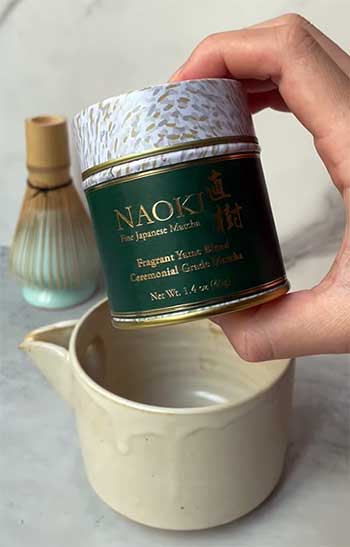
Let me take you back to when I first stumbled upon Naoki Matcha.
It was about a year ago, during one of those endless scrolls through online reviews, searching for something better than the generic stuff I’d been settling for.
I’d heard whispers about ceremonial grade matcha being a game-changer, but most brands felt overpriced or underwhelming.
Then Naoki popped up, with its promise of curated blends from various Japanese regions.
I ordered the Superior Blend from Uji, Kyoto, figuring it was a safe start for a newbie like me.
When the package arrived, I was impressed right away.
The tin was sleek, airtight, and had that premium feel without being flashy. Opening it released this fresh, grassy aroma that instantly transported me to a serene tea field.
No weird chemical smells or staleness – just pure, vibrant green powder. I remember thinking, “Okay, this might actually be the real deal.”
My first preparation was as usucha, the thinner style. I sifted about a teaspoon into my chawan bowl, added hot water around 175 degrees Fahrenheit, and whisked with my chasen until it frothed up nicely. The color was a brilliant emerald green, not that dull olive I’d seen in cheaper options.
Taking that first sip? Wow. It was smooth, with a subtle umami that lingered without any harsh bitterness. There was a natural sweetness, almost like fresh vegetables mixed with a hint of nuttiness. I felt an immediate lift in focus, not jittery like coffee, but steady and calm.
Over the weeks, I incorporated it into my routine. Mornings became matcha lattes: whisk the powder, add steamed almond milk, maybe a dash of honey if I wanted sweetness. You know how some days you drag yourself out of bed?
With Naoki, I started looking forward to that ritual. The energy boost lasted hours, helping me power through work calls and errands. I even experimented with koicha, the thicker paste, which intensified the flavors – more umami, a bit earthier, but still balanced.
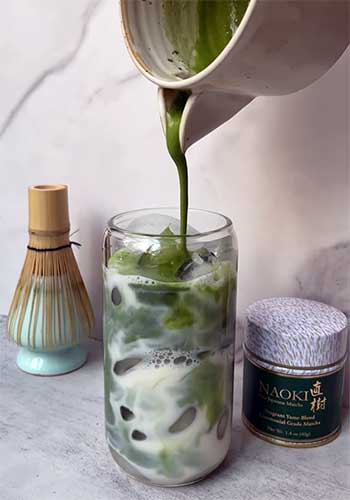
One memorable moment was sharing it with friends during a casual get-together. I made iced matcha for everyone, shaking it with ice and a splash of lemon. They were hooked, asking where to get it. It sparked conversations about health benefits, like antioxidants and L-theanine for relaxation.
Personally, I’ve noticed better digestion and fewer afternoon slumps. No crashes, just sustained vitality.
Of course, it wasn’t all perfect at first. I over-whisked a couple times, ending up with lumps, but practice made it effortless. Now, it’s second nature. If you’re curious, start simple – you don’t need fancy tools to enjoy it. A bowl and whisk do the trick.
Overall, Naoki has made matcha accessible and enjoyable for me, turning a simple drink into a daily highlight. Give it a shot; you might find it does the same for you.
Pros of Naoki Matcha
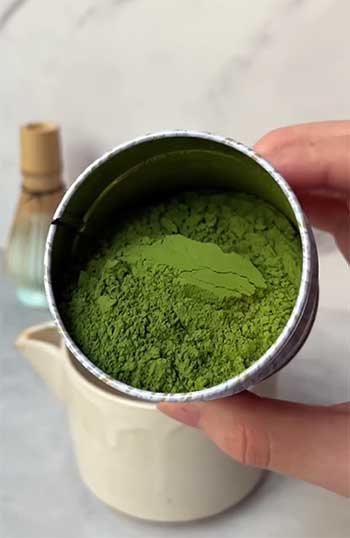
- Exceptional Flavor Profile: When I sip Naoki Matcha, the balanced taste stands out every time. You get that mellow umami with hints of grassiness and a subtle sweetness that doesn’t overwhelm. Unlike some matchas that hit you with bitterness, this one glides smoothly across your palate. I love how it adapts – straight as tea or in lattes, it shines. The aroma alone perks me up before the first taste.
- High-Quality Sourcing: Naoki pulls from prime Japanese regions like Uji and Yame, using first-harvest leaves. This means you’re getting tender, nutrient-rich tea that’s shaded properly for that vibrant color and depth. I appreciate knowing it’s imported in small batches, keeping it fresh. It’s ceremonial grade, perfect for traditional preparations or modern twists.
- Affordability Without Compromise: For what you pay, Naoki delivers premium quality that rivals pricier brands. I’ve spent more on lesser matchas, but this one gives bang for your buck. Around 50-60 cents per gram? That’s value. You can enjoy it daily without feeling guilty about the cost.
- Versatility in Use: I use Naoki in everything – whisked tea, smoothies, even baking. It blends seamlessly without clumping if sifted right. In lattes, it froths beautifully, creating that cafe-like experience at home. You can adjust strength to your mood, making it ideal for beginners or pros.
- Health Benefits I Actually Feel: The antioxidants and amino acids in Naoki have boosted my focus and calm. No jitters, just steady energy. I’ve read about its detox properties, and personally, it aids my digestion. Plus, it’s organic options ensure no unwanted chemicals.
- User-Friendly Packaging: The resealable tins keep it fresh longer. I store mine easily, and the labels provide clear instructions. No guesswork – you know exactly what you’re getting.
Cons of Naoki Matcha
- Limited Availability in Stores: You mostly find Naoki online, which means waiting for shipping. I’ve wished for it at local shops during restocks, but it’s not everywhere yet. If you’re impatient like me sometimes, plan ahead.
- Potential for Bitterness if Over-Prepared: If you use too much powder or hot water, it can turn slightly bitter. I learned this the hard way early on. It’s not the matcha’s fault, but it requires technique.
- Not the Cheapest Option Out There: While affordable for quality, it’s pricier than grocery store brands. If you’re on a tight budget, you might hesitate, though I think it’s worth it.
- Varied Blends Might Confuse Newbies: With options like Superior or Fragrant Yame, choosing can overwhelm. I stuck with one at first, but exploring takes time.
Tips for Naoki Matcha
Keeping your Naoki Matcha in top shape isn’t complicated, but a few habits make a big difference. I’ll share what works for me, so you can enjoy it fresh every time.
- Proper Storage to Preserve Freshness: I always store my tin in a cool, dark place like a pantry away from heat or light. Sunlight degrades the powder, turning it dull. Seal it tightly after each use – oxygen is the enemy. If you buy in bulk, transfer to smaller airtight containers to minimize air exposure. This way, the vibrant green and flavors last months.
- Sifting Before Use: Don’t skip sifting; it prevents clumps. I use a fine mesh strainer over my bowl, gently tapping the powder through. This ensures smooth whisking and even texture. Clean your sifter after, wiping with a dry cloth to avoid moisture buildup.
- Water Temperature Control: Use water at 175°F max – boiling ruins the delicate notes. I let my kettle cool a minute post-boil. Invest in a thermometer if you’re precise like me. This tip alone elevates your brew.
- Whisking Technique: With a bamboo chasen, make “M” or “W” motions briskly for 20-30 seconds. Start slow to incorporate, then speed up for froth. Rinse the whisk immediately after in warm water, no soap, and air dry standing up. This prevents mold and keeps bristles intact.
- Cleaning Your Tools: My chawan bowl gets a gentle wash with mild soap and soft sponge. Avoid abrasives that scratch. Dry thoroughly before storing. For metal tins, wipe exteriors if needed, but keep interiors dry.
- Batch Preparation Advice: If making ahead, like for iced drinks, prepare small amounts. Matcha oxidizes quickly once mixed. I never store whisked matcha overnight; it loses vibrancy. For powder, check for color changes – if it browns, it’s time for fresh.
- Humidity Management: In humid areas, add silica packets to your storage. I’ve done this during summers, and it helps. Rotate your stock, using older tins first.
These steps keep my Naoki tasting premium. You might tweak based on your setup, but consistency pays off.
Comparing Naoki Matcha To Other Brands
- Naoki Matcha And Rishi Everyday Matcha
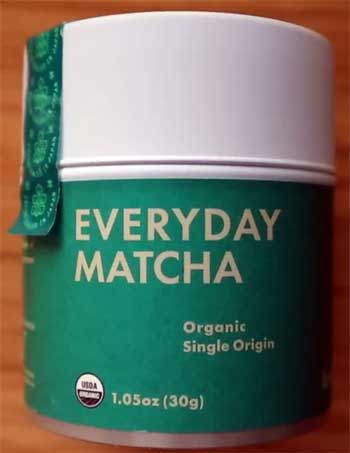
Rishi Everyday Matcha brings a strong, unmistakably vegetal punch to the table.
The flavor hits hard with fresh-cut grass notes and a noticeable bite that many people enjoy when they want something assertive in their lattes or blended drinks.
The powder tends to produce a deeper, slightly darker green in the bowl, and it froths decently with good whisking technique.
I find it reliable for everyday use, especially if you like a matcha that stands up to milk and sweeteners without disappearing.
Naoki Matcha, by comparison, takes a gentler, more balanced path. The umami is present and layered, but it never feels aggressive.
Instead of sharp grassiness, you get smoother, sweeter undertones with a clean finish that lingers pleasantly.
The color is consistently brighter emerald, and the overall drinking experience feels more refined and less demanding on preparation precision. While Rishi works wonderfully when masked in recipes, Naoki shines brighter when sipped straight or lightly sweetened.
For daily calm energy without any edge, Naoki consistently feels more forgiving and enjoyable to me.
- Naoki Matcha And Mighty Leaf Matcha
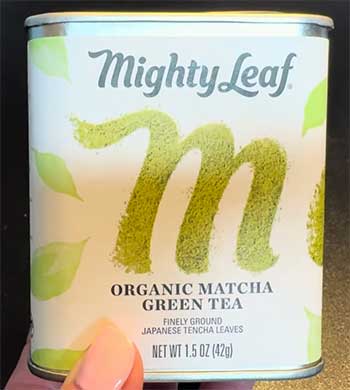
Mighty Leaf Matcha leans toward convenience and accessibility.
It’s often pre-portioned or sold in formats that make it easy for people who want quick preparation without much equipment.
The taste profile is mild and approachable—clean, slightly sweet, with minimal bitterness—but it lacks the depth and complexity you get from higher-end ceremonial options.
The color is respectable but usually not as vivid, and the texture can feel a bit coarser compared to finely stone-ground powders.
Naoki Matcha sits in a noticeably different category. The powder is milled much finer, creating silkier mouthfeel and richer umami when whisked properly. The flavor has more dimension: subtle floral hints, gentle nuttiness, and that signature fresh sweetness that comes from high-quality first-harvest leaves.
Where Mighty Leaf serves as an easy entry point for beginners or busy mornings, Naoki delivers a more authentic, rewarding experience once you invest a little time in the ritual. If you want matcha that feels special rather than simply functional, Naoki pulls ahead clearly.
- Naoki Matcha and Ippodo Matcha
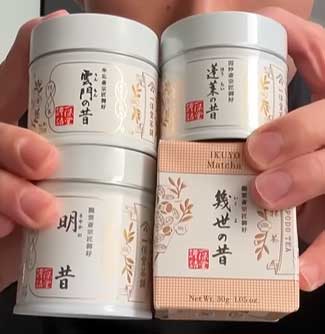
Ippodo Matcha carries centuries of tradition and commands respect for a reason.
Their top ceremonial grades deliver intense, creamy umami with an almost velvety texture and profound sweetness that unfolds slowly on the palate.
The aroma is deep and complex, and the powder often appears exceptionally bright.
These qualities make Ippodo a benchmark for serious tea enthusiasts and traditional preparations.
Naoki Matcha holds its own surprisingly well in this company, especially when you consider the price difference.
While Ippodo’s finest offerings can feel luxurious and layered in ways that are hard to match, Naoki’s Superior Blend and similar offerings provide impressive smoothness, vivid color, and balanced umami without the premium cost.
The everyday drinking experience is very close—clean, low astringency, sustained energy—yet you can enjoy Naoki daily without hesitation. For most people who want excellent ceremonial-grade matcha without treating it like a rare indulgence, Naoki offers remarkable value while still delivering genuine quality.
- Naoki Matcha And Jade Leaf Matcha
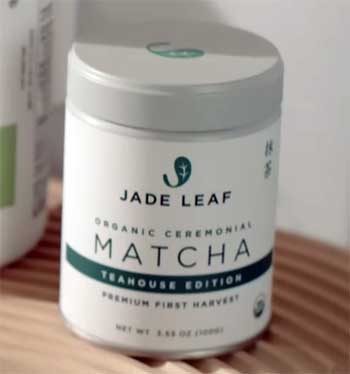
Jade Leaf Matcha has built a loyal following by focusing on organic, single-origin options that are straightforward and reliable.
The flavor is typically grassy and clean with moderate umami and a pleasant, mild sweetness.
It performs consistently in lattes and iced drinks, and the brand emphasizes transparency about sourcing and testing.
Many appreciate the accessibility and the fact that it’s widely available.
When tasted side by side with Naoki Matcha, Jade Leaf feels a touch flatter and less nuanced. Naoki brings more pronounced yet harmonious umami, brighter vibrancy in the cup, and a smoother finish that avoids any lingering dryness.
The blends from different Japanese regions give Naoki extra character—sometimes nuttier, sometimes more floral—while Jade Leaf tends to stay in a narrower flavor band.
Both are solid choices for regular use, but Naoki edges out for anyone who wants that extra layer of refinement and drinkability in straight preparations. If depth and finesse matter more than simplicity, Naoki stands taller.
Frequently Asked Questions (FAQ)
Naoki Matcha is ceremonial grade, made from first-harvest leaves for superior quality.
In my view, Naoki stands out for its balance of quality, taste, and price, but it depends on your preferences.
Its curation from diverse Japanese regions, small-batch imports, and focus on fresh, low-bitterness blends set it apart.
Yes, it’s tested by third-party labs for radiation, heavy metals, and pesticides, with consistently safe results.
Wrapping Up: Make Naoki Matcha Yours Today
After all this, I’m convinced Naoki Matcha is a must-try. It brings authentic Japanese quality into your routine effortlessly. Whether for health, flavor, or that daily ritual, it’s worth every penny. Don’t hesitate – pick up a tin and see the difference yourself.
You’ll be glad you did.