
Mosquitoes treat me like an all-you-can-eat buffet, but I am finally done smelling like industrial cleaner just to stop them. Enter Murphy’s Naturals: a plant-based contender promising DEET-free peace without melting your gear.
I put it to the ultimate camping test to see if it actually holds up. If you are ready to ditch the chemicals, you should buy this product on Amazon or directly from their site for the freshest stock.
My Experience With Murphy’s Naturals
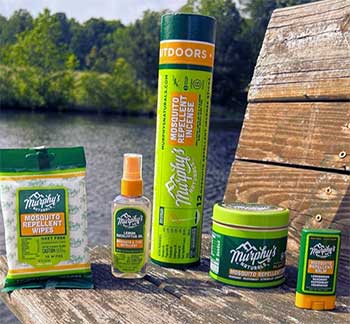
I have always been a mosquito magnet.
If there is one mosquito in a ten-mile radius, it will ignore everyone else and find me.
For years, I relied on the heavy-duty stuff—products with 98% DEET that melted the paint off my watch and made my skin feel like it was wrapped in plastic wrap.
I hated it, but I hated being itchy more.
When I first heard about Murphy’s Naturals, I was skeptical.
How could lemon eucalyptus oil and some beeswax possibly compete with military-grade chemicals?
I decided to put it to the test during a camping trip in the humid woodlands of the Southeast—prime mosquito territory. I packed the Lemon Eucalyptus Oil Spray and the Mosquito Repellent Balm.
We arrived at the campsite around 4 PM, which is usually when the “witching hour” for bugs begins. I started with the spray. The first thing I noticed was the scent. Instead of that choking, chemical fog that usually accompanies bug spray application, I was hit with a sharp, zesty lemon aroma.
It smelled more like a spa treatment than a survival tool. I sprayed it liberally on my arms and legs. The mist was cool and dried surprisingly fast without leaving that oily sheen I was used to.
Later that evening, sitting by the fire, I switched to the balm for my neck and face. The tin was a bit tricky to pop open, but once I got into it, the texture was pleasant. I rubbed a small amount between my fingers to warm it up and applied it to my ears and hairline.
The results were genuinely surprising. I watched mosquitoes hover near my arm, bank sharply, and fly away. They hated the smell. Over the course of six hours, I counted maybe one or two bites, which for me is a miracle. Usually, I would have twenty.
The only hiccup came the next day when I realized I had not applied it thoroughly enough on the back of my calves. The natural formula requires you to be a bit more meticulous with coverage than DEET aerosols, which you can just cloud around yourself.
But honestly, trading the chemical burn for a bit more mindfulness in application was a trade I was happy to make. It felt cleaner, I did not have to scrub it off immediately before getting in my sleeping bag, and I did not worry about ruining my synthetic hiking gear.
Pros of Using Murphy’s Insect Repellent
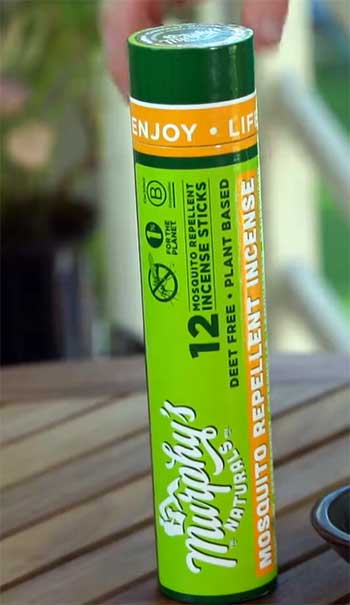
- The Scent Profile: The most immediate advantage is the smell. Most insect repellents smell like industrial cleaner. Murphy’s utilizes a high concentration of Oil of Lemon Eucalyptus (OLE), which gives it a strong citrus scent. It is refreshing rather than repulsing. While it is strong when you first apply it, it fades into a pleasant background note that does not announce your arrival from fifty feet away.
- Gear Safety: One of the biggest headaches with traditional DEET products is their tendency to dissolve plastics. I have ruined sunglasses, watch bands, and even the coating on a GPS unit using high-concentration DEET sprays. Murphy’s is completely safe for gear. You can spray it on your expensive hiking boots, your tent fabric, or your fishing tackle box without worrying that it will eat through the plastic. For photographers or tech-heavy campers, this is a massive win.
- Non-Greasy Feel: The spray uses a plant-based ethanol (often from corn) as a carrier, which means it evaporates quickly upon contact with your skin. You are left with a dry, cool feeling rather than a sticky residue. You do not feel like you need a shower immediately after applying it. This makes it much more viable for casual use, like a backyard barbecue or an evening walk, where you do not want to feel coated in oil.
- Cooling Scent Sensation: There is a distinct cooling effect when you apply the spray, likely due to the eucalyptus components. On a hot, muggy day, this momentary burst of coolness is actually quite relieving. It feels active on the skin in a good way, letting you know exactly where you have applied it.
- Sustainability and Ethics: Murphy’s Naturals is a B Corporation, which means they meet high standards of social and environmental performance. They give 2% of their revenues to organizations that protect the planet. When you buy a bottle, you are not just keeping bugs away; you are supporting a company that actively tries to do good. The ingredients are sustainably sourced, and they avoid the harsh synthetic chemicals that can leach into waterways and harm aquatic life.
Cons of Murphy’s Naturals
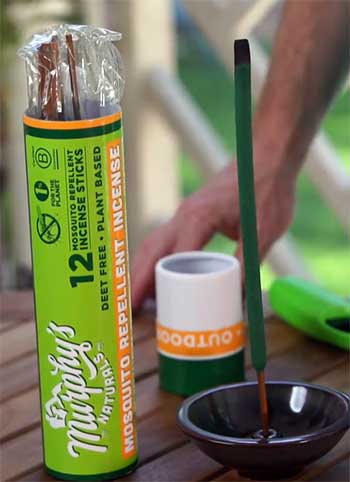
- Application Frequency: Natural repellents simply do not last as long as synthetic ones. While Murphy’s claims up to six hours of protection, in my experience, specifically in high-humidity areas where you are sweating a lot, you need to reapply every three to four hours to maintain that “force field.” If you forget to reapply, the effectiveness drops off a cliff much faster than with DEET.
- The Nozzle Issue: This is a mechanical issue rather than a chemical one, but it is persistent enough to mention. The pump sprayers on the 4oz bottles can be finicky. I have had a bottle leak in my backpack because the cap loosened slightly, and I have had another where the pump mechanism got stuck after it was half empty. You have to be careful how you store it during transport.
- Not for Young Children: Because the active ingredient is Oil of Lemon Eucalyptus, it carries a warning that it should not be used on children under three years old. This is a standard restriction for OLE products due to potential skin sensitivity in toddlers. If you have a baby, you cannot use this product on them, which forces you to carry a second, different product for the little ones.
- Effectiveness in Extreme Conditions: If you are trekking deep into the Amazon rainforest or an Alaskan swamp during peak mosquito season, Murphy’s might struggle. It is fantastic for 95% of use cases—camping, gardening, hiking in the lower 48—but for extreme infestation densities where the air is thick with bugs, the aggressive, “nuclear option” chemicals still have a slight edge in pure stopping power.
Usage Tips For Murphy’s Insect Repellent
- Maximizing the Balm: The balm comes in a tin and is made with beeswax, olive oil, and essential oils. In cooler weather, this mixture can harden, making it difficult to get out of the tin. Keep the tin in your pocket for ten minutes before you need it; your body heat will soften the oils, making it much easier to spread. Conversely, do not leave it on the dashboard of your car in summer. It will turn into liquid soup and leak out if the lid is not screwed on tight.
- Storing the Spray: To avoid the leaking issue I mentioned earlier, always store the spray bottle upright. If you are packing it in a rucksack, put it inside a sealed Ziploc bag. This is a good practice for any liquid, but it is essential here. The essential oils are potent, and if they leak onto your clothes, that lemon scent will be with you for weeks.
- Layering for Better Protection: For the best results, do not rely on just one form of the product. Use the spray on your clothes and the balm on your exposed skin (neck, ears, ankles). The spray bonds well with fabric (and won’t stain most materials, though always test a patch first), creating a larger scent barrier. The balm stays on the skin longer because of the beeswax base, providing a second line of defense.
- Wick Trimming for Candles: If you buy their repellent candles, treat them like high-end indoor candles. Trim the wick to 1/4 inch before every burn. If the wick is too long, the flame gets too big and burns through the essential oils too quickly, wasting the repellent effect. A shorter, steady flame heats the wax pool evenly, releasing the repellent aroma efficiently over a longer period.
- Shake Before Use: The spray is a mixture of water, ethanol, and oils. These can separate if the bottle sits for a long time. Always give it a vigorous shake for about five seconds before spraying. This ensures you are getting the full 30% concentration of OLE in every spritz, rather than just getting a blast of alcohol or water.
Comparison: Murphy’s Naturals Vs. The Competition
Murphy’s Naturals Vs. Avon Skin So Soft Bug Repellent
Avon’s Skin So Soft Bug Guard has a cult following, often praised for being a moisturizer that doubles as a bug fighter.
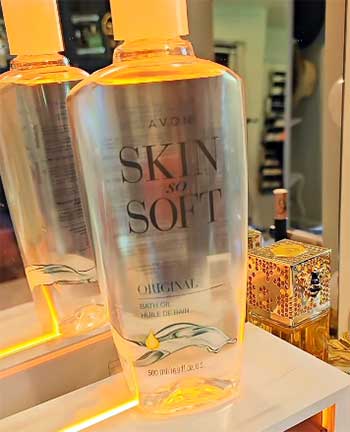
- The Active Ingredients: Murphy’s relies on Oil of Lemon Eucalyptus (OLE), a plant-based powerhouse that mimics the effectiveness of lower-concentration DEET. Avon’s Bug Guard line typically uses IR3535 or Picaridin. IR3535 is a synthetic amino acid that is very gentle, but in my experience, it lacks the aggressive “back off” signal that OLE provides. While Avon is decent for a backyard barbecue, Murphy’s OLE formula feels much more robust when you step into actual woods.
- Texture and After-Feel: This is where the divide is sharpest. Avon stays true to its name—it feels like a lotion or oil. If you want soft skin and are okay with a bit of a heavy, moisturizing layer, Avon is fine. Murphy’s, however, uses a plant-based ethanol solvent. It goes on wet but evaporates rapidly, leaving almost no texture behind. If you hate that “lotioned-up” feeling on a hot, humid day, Murphy’s is the clear winner. You forget you are wearing it, whereas Avon makes sure you remember.
Murphy’s Naturals Vs. Zevo Insect Killer
Comparing these two requires looking at their fundamental purpose, as they play very different sports.
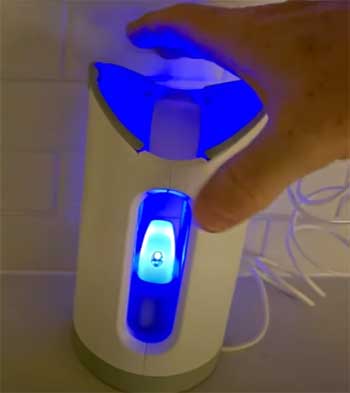
- Prevention vs. Elimination: Murphy’s is a shield. You apply it to your skin to become invisible to mosquitoes. Zevo Insect Killer is a weapon. It is a bio-selective spray made with essential oils that you spray directly on bugs to kill them on contact. You cannot spray Zevo on your skin; it is oily and designed to suffocate insects. If you are hiking, Zevo is useless unless you plan to chase every mosquito individually. Murphy’s is the only option here for personal protection on the move.
- Indoor vs. Outdoor Utility: I keep Zevo in my kitchen for the occasional fruit fly or spider because it is safe around pets and kids compared to traditional poisons. But for camping? It stays home. Murphy’s is what comes with me outside. You buy Zevo to reclaim your kitchen; you buy Murphy’s to reclaim your patio or campsite. They are complementary, not interchangeable.
Murphy’s Naturals Vs. Cutter Backyard Bug Control
This comparison pits personal defense against perimeter defense.
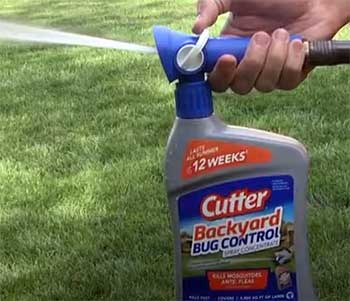
- The Strategy: Cutter Backyard Bug Control is a hose-end spray. You attach it to your garden hose and drench your lawn, bushes, and trees. It kills mosquitoes in the area and leaves a residue that keeps them away for weeks. Murphy’s is strictly for your body. If you own the property, Cutter is a great “first layer” of defense to lower the overall population. However, if you leave your yard—or if your neighbor doesn’t spray their yard—Cutter can’t help you. Murphy’s protects you regardless of where you are standing.
- Environmental Considerations: Cutter uses synthetic chemicals (often Lambda-Cyhalothrin) that are highly toxic to bees and aquatic life. When you spray your whole yard, you are wiping out the good bugs with the bad. Murphy’s is targeted. You put it on yourself, so you aren’t collateral damage to the local butterfly population. If you are trying to maintain an eco-friendly garden, drenching it in Cutter is a bad move. Stick to Murphy’s for personal use and let the garden ecosystem be.
Murphy’s Naturals Vs. OFF! Deep Woods
This is the title fight: the natural challenger against the synthetic champion.
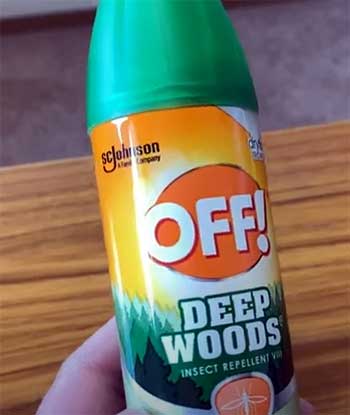
- Stopping Power: OFF! Deep Woods utilizes DEET, usually at concentrations of 25% or higher. It is the gold standard for a reason. If you are in a swamp in July, DEET will keep bugs away longer and more aggressively than Murphy’s. In my testing, Murphy’s handles moderate mosquito pressure beautifully, but when the air is thick with biting flies and aggressive mosquitoes, OFF! has a slight edge in sheer endurance.
- Gear Preservation: This is Murphy’s biggest victory. DEET is a plasticizer. I have seen OFF! melt the fingerprints off a camera body and permanently fog up a pair of sunglasses. It eats through synthetic tent materials and fishing lines. Murphy’s is completely safe for gear. You can spray it on your expensive Gore-Tex jacket, your watch, or your tackle box without a second thought. For gear junkies who invest heavily in their equipment, Murphy’s is the much safer bet to avoid
Frequently Asked Questions (FAQ)
Yes. Its active ingredient, Oil of Lemon Eucalyptus, is the only plant-based repellent recommended by the CDC. It is effective against mosquitoes for up to 6 hours and ticks for up to 4 hours.
Ratings vary by platform, but DEET-based products like “Off! Deep Woods” typically hold the highest ratings for sheer longevity and power. Among natural repellents, Murphy’s Naturals and Repel Plant-Based Lemon Eucalyptus generally share the top spots for user satisfaction.
The concern revolves around the active ingredients (allethrin/prallethrin), which are highly toxic to bees, fish, and cats in liquid form. While safe for humans when used as directed in the air, improper disposal or using them near flowering plants/water can harm local wildlife.
Yes. The specific “Oil of Lemon Eucalyptus” used in Murphy’s spray contains PMD (para-menthane-3,8-diol), which masks the environmental cues mosquitoes use to find their targets, effectively hiding you from them.
Final Thoughts
Murphy’s Insect Repellent is the rare natural product that bridges the gap between eco-friendly intentions and actual performance. It smells fantastic, treats your gear with respect, and keeps the bugs at bay for all but the most extreme adventures.
While you might need to reapply it a bit more often than the harsh chemical stuff, the trade-off for a clean, non-greasy experience is well worth it. If you enjoy the outdoors but hate smelling like a chemical factory, you should buy this product immediately.