
As someone who’s spent countless hours lounging in various bean bags and modern alternatives, I’m excited to share my thoughts on Moon Pod and Yogibo.
The main intent here is to help you decide between these two innovative seating options by breaking down their features, strengths, and weaknesses in a straightforward way.
Whether you’re seeking ultimate relaxation or versatile home decor, I’ll guide you through what makes each stand out.
| Feature | Moon Pod | Yogibo |
| Shape and Design | Pod-like, ergonomic for zero-gravity feel | Versatile shapes like Max, Lounger, or Pyramid |
| Filling | High-density beads for supportive float | Microbeads that conform closely to body |
| Cover Material | Stretchy, breathable fabric | Soft, removable cotton-spandex blend |
| Size Options | One main size, about 4 feet long | Multiple sizes from small cushions to giant bags |
| Price Range | Around $300 for base model | Starts at $100, up to $400+ for larger pieces |
| Weight | Lightweight at 12 pounds | Varies, but often heavier due to more filling |
| Ease of Cleaning | Machine-washable cover | Removable, washable covers on most models |
| Warranty | 1-year limited | 1-year on fabric, lifetime on beads |
| Unique Perk | Mimics flotation therapy | Modular system for combining pieces |
Head-to-Head Comparison of Moon Pod And Yogibo
Now, let’s put them side by side on key aspects. I’ll share my analytical insights from using both, expanding on each to give you a deeper understanding of how they stack up in real scenarios.
- Comfort and Support
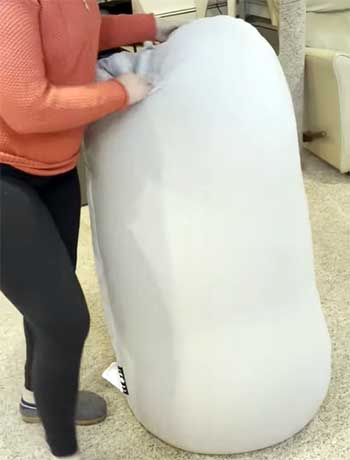
Moon Pod edges out with its zero-gravity ergonomics, providing targeted relief for back and neck.
The high-density beads offer firm support, mimicking flotation therapy and helping with posture alignment—perfect if you have chronic pain or need something therapeutic.
I’ve felt more relaxed and less strained after sessions on it, with that floating sensation reducing joint stress.
Yogibo, however, offers a softer, more enveloping hug that’s perfect for casual lounging.
Its microbeads conform deeply, eliminating pressure points and feeling like a plush cloud, which is ideal for sinking in during a binge-watch.
But it might not hold shape as well for upright positions, potentially leading to slouching over time.
In my view, if you prioritize therapy-like support for solo relaxation or pain relief, go Moon Pod; for pure coziness and body-hugging comfort in various poses, Yogibo wins. Both excel in adaptability, but Moon Pod feels more structured while Yogibo is forgiving and fun.
- Durability and Maintenance
Both have washable covers, but Yogibo’s lifetime bead warranty gives it a slight lead, promising longevity on the filling. I’ve noticed Moon Pod’s fabric resists pilling better, and its beads are designed not to compress quickly, holding up well under daily use.
However, Yogibo’s removable covers make deep cleaning a breeze, especially for pet owners or spill-prone households—machine wash and done. On the flip side, Yogibo might require more frequent fluffing as beads can crush and lose loft, while Moon Pod needs occasional refills but maintains buoyancy longer.
Overall, they’re neck-and-neck, depending on how roughly you treat them. If easy full washes matter, Yogibo pulls ahead; for resilient beads, Moon Pod shines. In my experience, both handle family life well, but Yogibo’s modularity adds to its practical durability for reconfiguration.
- Versatility and Customization
Yogibo shines here with its array of shapes and modular options. I can turn a Yogibo into a bed, chair, or even a couch by combining pieces, making it super adaptable for different activities or room setups.
The Max model, for example, transforms into a recliner or flat bed, fitting multiple people or serving as a guest spot. Moon Pod, while versatile in positions—sit, recline, lay—stays in its pod form, limiting it to solo use mostly.
It’s great for quick switches between working and napping, but lacks the connectable aspect. If adaptability and customization for social or multi-purpose needs matter to you, Yogibo is the clear choice.
I’ve loved experimenting with Yogibo configurations in my space, whereas Moon Pod is more of a dedicated personal retreat.
- Price and Value
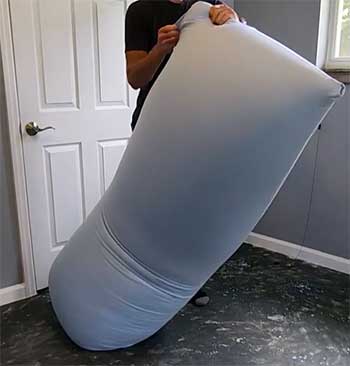
Moon Pod’s fixed price around $300 positions it as a premium single buy, often on sale for $299, which feels justified for its ergonomic focus and quality materials.
Yogibo’s range allows budget flexibility, starting low at $100 for smaller items but scaling to $400 for larger, modular sets.
From a value standpoint, I see Yogibo offering more bang for varied bucks, especially for growing needs or starting small and expanding.
However, if you’re after specialized support without add-ons, Moon Pod’s all-in-one approach might deliver better long-term value.
Both are investments over cheap bean bags, but Yogibo’s affordability at entry levels makes it accessible, while Moon Pod’s therapeutic perks justify the cost for wellness-focused users like me.
- Portability and Storage
Moon Pod’s lighter weight at 12 pounds and compact size make it easier to tote around, and it stands upright for storage, ideal for tight spaces. I’ve moved it effortlessly between rooms.
Yogibo’s bulkier builds, especially larger models, can be a hassle at up to 20+ pounds, though smaller ones are manageable. In small spaces, I’d lean toward Moon Pod for convenience, but Yogibo’s stackable modularity helps with storage when disassembled. If you rearrange often, Moon Pod wins; for stationary setups, Yogibo’s size isn’t a big issue.
- Aesthetic Appeal
Moon Pod has a sleek, modern vibe that fits minimalist decor, with subtle colors like Space Gray adding a sophisticated touch. Yogibo comes in vibrant colors and fun shapes, adding personality to a room—think lavender or coral for a pop.
Personally, I find Yogibo more playful and inviting for family areas, but Moon Pod’s subtlety appeals in professional or serene settings. Both blend into home aesthetics well, but Yogibo offers more customization in looks.
- User Experience for Different Activities
For reading or working, Moon Pod’s support keeps me alert and aligned, reducing fatigue. Yogibo excels in binge-watching or napping due to its sink-in feel, molding perfectly for hours of immersion. I’ve used both for gaming, and Yogibo’s conformity reduces fatigue over long sessions, while Moon Pod’s firmness prevents slumping.
For kids or sensory play, Yogibo’s versatility shines; for adult unwind or pain management, Moon Pod is superior. In social settings, Yogibo accommodates groups better, but Moon Pod is my go-to for solo zen moments.
Overall, your daily habits dictate the winner—active lounging favors Yogibo, structured relaxation leans Moon Pod.
- Weight Capacity and Inclusivity
Moon Pod handles up to 250 pounds comfortably, suiting most users with its supportive beads. Yogibo goes to 300 pounds, making it more inclusive for heavier individuals or shared use. I’ve found both stable, but Yogibo’s larger sizes feel more accommodating for diverse body types.
Pros of Moon Pod
I’ve tried the Moon Pod myself, and it quickly became a favorite for those lazy afternoons. What draws me in is how it combines comfort with a touch of therapeutic design. Let me expand a bit on why it’s such a standout, drawing from my own sessions and what others have shared.
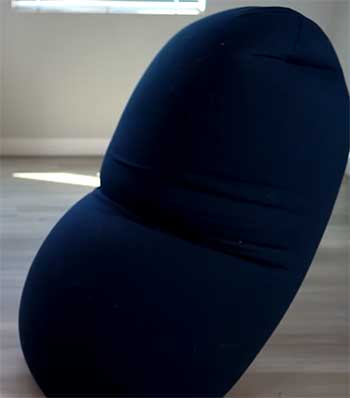
- Exceptional Support and Ergonomics: The high-density beads inside the Moon Pod create a sensation that’s close to floating. I notice it molds to my body without sinking too much, which helps with back support during long sits. If you deal with posture issues, this could be a game-changer. In fact, many users report it eases back and neck pain, almost like a mini therapy session right in your living room. It’s designed to respond to any body shape, offering that adaptive flexibility that keeps you comfortable whether you’re sitting upright or reclining.
- Portability and Lightweight Build: At just 12 pounds, I can easily move it from room to room. It’s not bulky, so storing it in a corner or under a bed works well. For someone like me who rearranges furniture often, this flexibility is a big plus. Plus, when not in use, it stands vertically, saving precious floor space in smaller apartments.
- Breathable Fabric for All-Day Use: The cover feels soft yet durable, and it doesn’t trap heat. I’ve lounged in it for hours without feeling sticky, even in warmer weather. Plus, the machine-washable aspect means spills from snacks aren’t a disaster. The polyester knit is breathable, which adds to the overall comfort during extended use.
- Therapeutic Benefits: From my experience, the zero-gravity positioning reduces stress on joints. It’s like a mini spa session at home, which appeals if you’re into wellness routines. Some folks even use it for quick naps or to unwind after a long day, feeling those nice tingles and a clearer head afterward.
- Durability and Longevity: The beads are made to retain their shape for years, resisting compression better than traditional fillings. With proper care, it stays buoyant, making it a solid investment for daily loungers like me.
Cons of Moon Pod
No product is perfect, and the Moon Pod has a few drawbacks that I’ve encountered firsthand. I’ll touch on these a tad more to give you a fuller picture.
- Limited Size Variety: It’s mostly one size fits all, which might not suit everyone. If you’re taller or prefer something more expansive, it could feel restrictive compared to other options. The standard is about 50-56 inches long, great for one person but not ideal for sharing.
- Higher Price Point: Shelling out around $300 feels steep for what essentially is a fancy bean bag. I’ve wondered if the premium tag justifies the features, especially for budget-conscious buyers. Though sales bring it down to $299, it’s still a splurge.
- Potential for Bead Settling: Over time, the beads might compress a bit, requiring occasional fluffing. In my use, this hasn’t been a huge issue, but it’s something to keep in mind for heavy daily use. Some users note needing refills after prolonged periods.
- Less Versatility in Shapes: Unlike some competitors, it’s fixed in its pod form. I sometimes wish it could transform into a chair or bed for more multifunctional appeal. Also, spot cleaning the inner parts can be tricky if messes go deep.
- Mobility Challenges: For those with limited mobility, getting in and out might be tough due to its low profile. It’s something I’ve noticed when trying to stand up quickly.
Pros of Yogibo
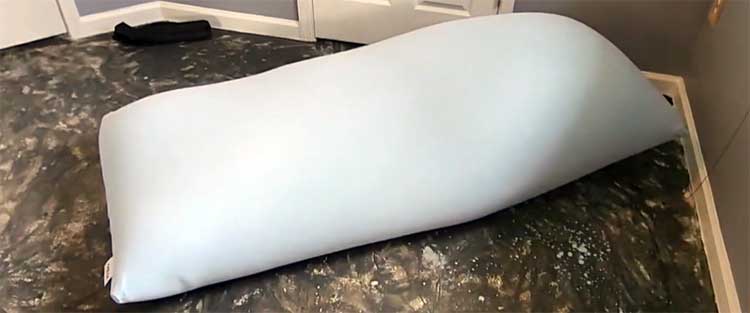
Switching gears to Yogibo, I’ve found it to be a fun, adaptable choice that fits into various lifestyles. Here’s a bit more on its strengths based on my trials.
- Wide Range of Shapes and Sizes: From the compact Yogibo Mini to the massive Yogibo Max, there’s something for every space. I love how you can choose based on your needs, whether it’s a solo seat or a family lounger. The Max, for instance, can fit up to four, but shines for personal sprawling.
- Superior Body Conformity: The microbeads hug your form perfectly, creating a custom fit each time. In my trials, it feels like sinking into a cloud, ideal for movie marathons or reading sessions. It eliminates pressure points, which is great for relaxation.
- Modular and Combinable Design: Yogibo pieces can connect to form larger setups, like a sectional sofa. This creativity has let me experiment with room layouts in ways that feel personalized. It’s especially handy for growing families or changing spaces.
- Durable and Family-Friendly: With removable covers that wash easily, it’s great for homes with kids or pets. I’ve seen it hold up well against everyday wear, making it a practical pick. Pet-friendly and machine-washable, it handles spills and fur without fuss.
- Affordable Entry Points: Starting at lower prices, it’s more accessible. I appreciate how you can start small and add on without breaking the bank. Options range from $100 to $400, offering flexibility.
- Sensory and Therapeutic Appeal: It’s fantastic for sensory needs, like for kids with autism, providing proprioceptive input. I’ve found it helpful for focus and body awareness in casual settings.
Cons of Yogibo
Despite its charms, Yogibo isn’t without flaws, based on what I’ve observed. Let me add a few more notes here.
- Heavier and Bulkier Models: Larger versions can weigh up to 20 pounds or more, making them harder to move. If you live in a small apartment like I do at times, this could be inconvenient. The bulk takes up more floor space too.
- Bead Noise and Shifting: The microbeads sometimes make a crinkling sound when adjusting, which I’ve found mildly annoying during quiet moments. They also shift more than denser fillings, and can crush over time, leading to sinking.
- Premium Pricing for Larger Items: While basics are cheap, top-end models push $400, which might not feel worth it if you’re not using the modularity. The Yogibo Max at $299 is competitive, but add-ons add up.
- Heat Retention in Some Fabrics: Certain covers can get warm after prolonged use. I’ve switched positions to stay comfortable, but it’s a minor gripe. Also, it might encourage slouching if not positioned right.
- Maintenance Over Time: The beads may lose loft with heavy use, requiring refills. Washing the cover is easy, but the inner can be tricky if not careful.
Also Read: Comparison of LoveSac And Ultimate Sack Bean Bags.
Frequently Asked Questions (FAQ)
Yes, they’re solid for ergonomic lounging and stress relief, especially if you want a therapeutic edge.
It’s more supportive than traditional bean bags, with denser beads for a floating sensation rather than just sinking in.
The cost comes from quality materials, versatile designs, and the ability to customize setups, justifying the price for many.
Yes, it originated in Japan, focusing on innovative comfort products inspired by Japanese lifestyle.
Wrapping It Up: Which One For You?
Reflecting on my time with both, I believe Moon Pod suits those craving structured relaxation, while Yogibo appeals if you love flexibility and fun. You might find Moon Pod ideal for solo unwind sessions, or Yogibo for social gatherings.
Ultimately, think about your space, budget, and habits—pick what aligns with how you chill. Whichever you choose, it’ll elevate your downtime.