
So, you’ve found that fuzzy, black, or green nightmare creeping up your bathroom wall or nesting in your basement corners. I’ve been there, staring at a patch of mold and wondering if I need a hazmat suit or just a really strong spray bottle.
You are probably torn between the two heavy hitters on the shelf: Mold Armor and Concrobium Mold Control. I’m going to walk you through exactly which one you need, because grabbing the wrong one can actually make your mold problem worse in the long run.
By the end of this, you’ll know exactly which bottle to grab to reclaim your home.
| Feature | Mold Armor (Rapid Clean) | Concrobium Mold Control |
| Primary Ingredient | Sodium Hypochlorite (Bleach) | Sodium Carbonate (Washing Soda) |
| Action Type | Chemical Oxidation (Burn/Bleach) | Physical Encapsulation (Crush) |
| Visual Result | Instant whitening of stains | No visual change (dries clear) |
| Best Surface | Non-porous (Tile, Grout, Tubs) | Porous (Wood, Drywall, Concrete) |
| Safety Profile | High fumes, eye/skin irritant | Non-toxic, zero VOCs, safe for pets |
| Prevention | Minimal residual prevention | Leaves a protective antimicrobial shield |
| Prep Required | None (Spray and rinse) | Pre-clean heavy soil, must dry completely |
Key Differences Between Mold Armor And Concrobium
- Mechanism of Action
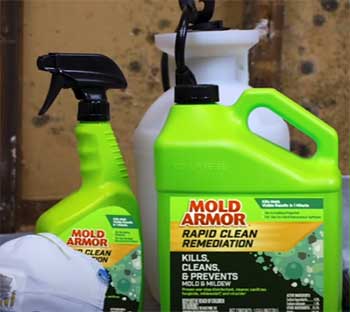
The most critical distinction lies in how they disable the fungus.
Mold Armor relies on chemical oxidation.
It uses high-strength sodium hypochlorite to break down the cell walls and bleach the pigment.
This is why you see the color change instantly.
Concrobium, on the other hand, uses a physical mechanism called “encapsulation.” It contains no bleach, ammonia, or VOCs. When the solution dries, the salts crystallize.
This crystallization process exerts force on the mold spore membrane, crushing it essentially to death. Because it is a physical process rather than a chemical burn, the mold cannot develop resistance to it.
- Surface Penetration and Suitability
I have learned the hard way that you cannot use Mold Armor on everything. Because it is a strong oxidizer, it can corrode metals, discolor fabrics, and damage wood fibers over time.
It is designed for hard, non-porous surfaces like glazed tile, vinyl, and fiberglass. Concrobium is water-based and pH-neutral, making it safe for virtually anything that can get wet. I use it on fabrics, upholstery, raw lumber, and even carpet pads.
It penetrates the pores of wood and drywall better than bleach, which tends to have a high surface tension that keeps it sitting on the surface.
- Stain Removal Capabilities
This is where most users get confused. Mold Armor is a stain remover first and a mold killer second. If you have a black, ugly patch, Mold Armor will make it white. Concrobium contains zero whitening agents.
If you spray Concrobium on a black mold spot, the mold will die, but the spot will remain black. You still have to scrub the stain away afterward or paint over it with a mold-resistant primer.
If your primary goal is cosmetic improvement, Concrobium will disappoint you unless you are willing to put in some elbow grease after the treatment.
- Residual Protection
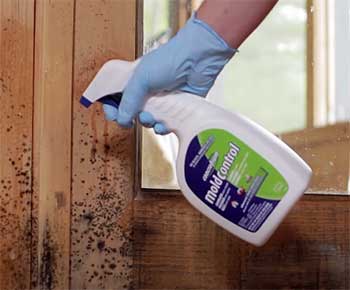
Mold Armor kills what it touches and then evaporates (mostly).
Once the chlorine gas dissipates, the water left behind can actually feed any remaining deep-rooted mold, potentially causing a comeback.
Concrobium is designed to be left on the surface.
It dries into a thin, invisible antimicrobial shield.
As long as that shield stays dry and isn’t washed away, mold literally cannot grow on it. It provides ongoing protection, which is vital for areas like attics or crawlspaces where you don’t look every day.
Mold Armor: The “Shock and Awe” Approach
Mold Armor is essentially weaponized bleach.When I spray this on a dingy shower curtain or a black spot on grout, the results are immediate. It is satisfying.
You spray it, you wait a minute, and the black stain vanishes right before your eyes. It works by oxidizing the cellular structure of the mold and the organic material around it. It burns it off. If you want your bathroom to look sparkling white for a mother-in-law’s visit tomorrow, this is your tool.
However, because it is bleach-based, it has a hard time penetrating porous surfaces. It sits on top, burns the foliage (the mold you see), but often leaves the roots (the mycelium) intact deep inside the drywall or wood.
Experience With Mold Armor
Using Mold Armor is an intense experience. I usually suit up before I touch the bottle—old clothes I don’t mind getting bleached spots on, rubber gloves, and ideally a mask.
- The Smell Factor
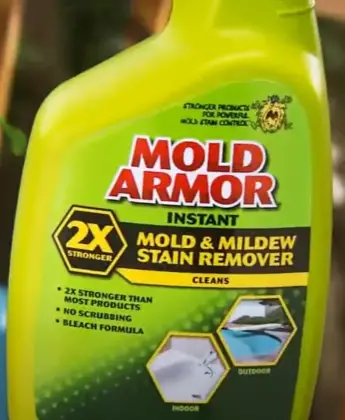
The moment you pull the trigger, you are hit with a heavy, swimming-pool scent.
It is strong chlorine.
If you are using this in a small bathroom with no window, your eyes will water, and your throat might tickle.
You absolutely need ventilation.
I always turn on the exhaust fan and leave the door open.
The fumes are not subtle; they scream “cleaning in progress.”
- The Application Process
The application is incredibly easy. You just spray it on the ugly spots. You don’t need to scrub. In fact, the label often says “no scrubbing.” You just watch. Within 5 to 10 minutes, the black slime turns gray, then yellow, then disappears.
It feels like magic. For stubborn grout, I might let it sit for 15 minutes. Rinsing it off is crucial, though. You don’t want to leave that high-pH bleach drying on your tiles forever, as it can degrade the grout sealer.
- The Aftermath
The immediate aftermath is a pristine, sterile-looking surface. It looks brand new. However, you have to be careful about where the overspray lands. I once ruined a bathmat because a little mist drifted down.
It is powerful stuff. If you have sensitive skin or asthma, this process can be irritating. But for a rental property turnover or a guest bathroom cleanup, the speed is unbeatable.
Pros of Mold Armor
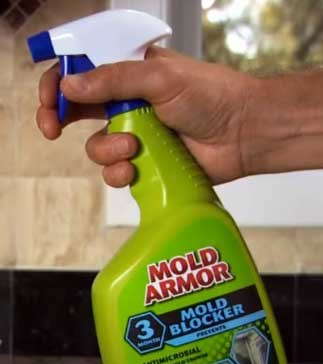
- Instant Visual Gratification: We live in a world where we want results now. Mold Armor delivers that. There is no waiting for drying. You see the stain vanish, which gives you immediate peace of mind that the area is “clean.”
- No Scrubbing Required: For back-breaking areas like the bottom corners of a shower or the ceiling above a tub, the fact that you don’t have to get in there with a toothbrush is a massive benefit. The chemical reaction does the physical labor for you.
- Widely Available and Cheap: You can find this at every hardware store, grocery store, and big-box retailer. It is inexpensive. If you have a sudden issue, you can resolve it within the hour for less than ten bucks.
- Disinfecting Power: Beyond mold, bleach is a powerful broad-spectrum disinfectant. It kills bacteria and viruses on contact. If you are cleaning a bathroom that has been neglected, you are sanitizing the surface against more than just fungus.
Cons of Mold Armor
- Destructive to Materials: Bleach is corrosive. It eats away at the cellulose in wood, making the wood more porous and actually more susceptible to mold in the future. It can strip the sealer off granite and marble. It causes metal fixtures to rust if not rinsed thoroughly.
- Toxic Fumes: The VOCs and chlorine gas released are bad for indoor air quality. It can trigger asthma attacks and irritate mucous membranes. You cannot use this in an unventilated closet or attic without risking your health.
- Surface-Level Only: It does not penetrate porous materials effectively. The water component of the bleach solution can soak into drywall, feeding the roots, while the chlorine gas stays on the surface. This leads to the “phantom mold” effect where it comes back twice as strong a week later.
- Bleaching Hazards: One accidental drip on a carpet, towel, or your favorite jeans, and the color is gone forever. You have to be hyper-vigilant about protecting surrounding areas.
Concrobium: The “Siege Warfare” Approach
Concrobium takes a totally different route. It doesn’t burn; it smothers. It is a tri-salt polymer solution. When I spray this on a moldy rafter in the attic, it doesn’t look like anything is happening.
The stain stays there. But as the liquid dries, it shrinks. This shrinking action physically crushes the mold spores at the root level, like a trash compactor.It’s a mechanical kill, not a chemical burn.
This means it doesn’t release harsh fumes, and it leaves behind a thin, invisible layer of salt that prevents new mold from growing.If you are playing the long game and want to save a piece of antique furniture or framing lumber, this is the superior choice.
Experience With Concrobium
Switching to Concrobium feels like switching from a flamethrower to a sniper rifle. It feels much more clinical and safe, but less dramatic.
- The Scent and Safety
There is almost no smell. It smells faintly like baking soda or dirty water, but it’s not offensive. I can use this around my kids and pets without panicking.
I don’t feel the need to wear a heavy-duty respirator, though a N95 mask is always smart when dealing with mold spores themselves. If I get some on my hands, it just feels a bit salty and sticky as it dries; it doesn’t burn.
- The Application Process
You spray it on until the surface is wet, but not dripping. And then… you wait. And wait. You have to let it dry completely for it to work. This is the hardest part for impatient cleaners. It can take 2 hours or overnight depending on humidity.
You cannot wipe it off while it’s wet, or you stop the crushing process. If you are treating a whole basement, you can even put this stuff in a fogger (which I have done), and it coats every nook and cranny without you having to crawl around.
- The Aftermath
When you come back the next day, the mold looks exactly the same, which is anticlimactic. But it is dead. You can then scrub it off with a brush and some soap, and it usually comes off easier because the structure is broken.
The best part is knowing I’ve left a shield behind. I don’t rinse it. I leave that salty film there to guard the area against the next humid summer day.
Pros of Concrobium
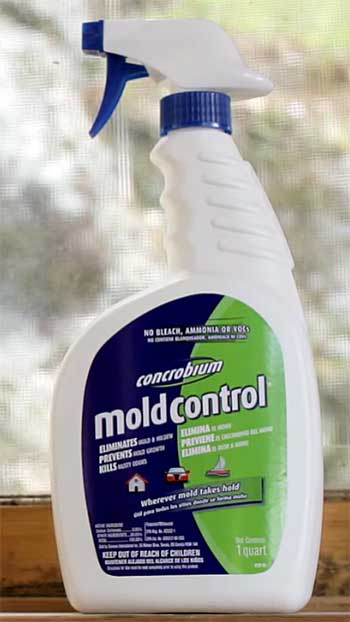
- Prevents Regrowth: This is the star feature. The antimicrobial barrier it leaves behind is the only way to ensure you aren’t doing this job again in a month. It changes the chemical makeup of the surface to make it uninhabitable for mold.
- Safe for Almost All Surfaces: I have used this on antique wood, drywall, concrete, siding, and even inside cars. It doesn’t bleach or discolor. It is pH neutral and won’t eat away at your home’s structural integrity.
- Non-Toxic: You don’t need to evacuate the house. It is made of food-grade inorganic salts. It is safe to use in kitchens (though you should wipe food prep surfaces down before cooking) and nurseries.
- Fogging Capability: Being able to use this in a cold fogger allows you to treat massive voids—like attics, crawlspaces, or entire rooms—very quickly.The mist settles everywhere, offering total coverage that a spray bottle can’t match.
Cons of Concrobium
- Does Not Remove Stains: If you spray this on black mold, you will still have a black spot when it dries. You have to physically remove the dead mold or paint over it. This adds an extra step to the cleaning process.
- Requires Drying Time: You cannot use the area immediately. You have to wait for the evaporation process to occur. If you apply it in a very damp area that never dries (like a constantly wet shower corner), it won’t work effectively.
- Cost: It is generally more expensive per ounce than bleach-based cleaners. If you are covering a large area, the cost adds up, although the prevention factor saves money in the long run.
- Residue: On dark surfaces (like dark granite or wood), the white salt residue can be visible after it dries. It looks a bit like a water spot. You might need to wipe it down, which removes some of the protective barrier.
Also Read: Comparison of Concrobium And Vinegar.
Frequently Asked Questions (FAQ)
Yes. It kills mold by crushing the spores physically as the solution dries and the salts crystallize.
It kills surface mold and bacteria, but on porous surfaces (like wood/drywall), it primarily bleaches the visible color while often leaving the internal roots alive.
For non-porous surfaces (tile/grout) where you want stain removal, Mold Armor is best. For porous surfaces (wood/drywall) and long-term prevention, Concrobium is best.
It is excellent at rapidly removing ugly stains and cleaning hard surfaces without scrubbing, but it is poor at preventing regrowth and unsafe for delicate materials.
Final Verdict
If I walked into your house today, here is how I would decide. If we are standing in your bathroom looking at black grout lines or a slimy shower curtain, I am handing you the Mold Armor. You want that white, clean look immediately, and the surface can handle the bleach.
But, if you take me to your basement, attic, or show me a water stain on your drywall or wood framing, I am throwing the bleach away and grabbing the Concrobium. In those cases, you are fighting a war against a living organism that is eating your house.
You need the deep penetration and the protective shield that only Concrobium provides. Don’t bleach your wood; crush the mold and keep it gone.