
If you own a home, you are likely sitting on a ticking time bomb. It isn’t the wiring, and it isn’t the foundation—it’s the plumbing. Water damage is the silent destroyer of equity, capable of rotting frames and breeding mold long before you spot a wet patch on the ceiling.
I have spent years worrying about this, which is why I finally tested the Moen Flo Smart Water Monitor and Shutoff. My conclusion is straightforward: you need to buy this device.
It is not just a fancy gadget for tech enthusiasts; it is a fundamental piece of home infrastructure that shifts your defense from reactive to proactive. If you want to sleep soundly knowing your main water line has a digital guard dog ready to cut the flow the second a pipe bursts, this is the product to get.
Do not wait for a catastrophe to force your hand.
My Experience With Moen Leak Detector
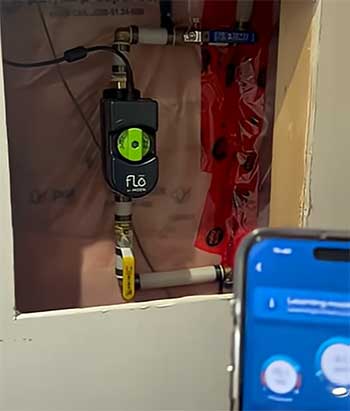
My journey with the Moen Flo began after a “near miss” incident involving a dishwasher hose that decided to leak slowly over a weekend.
I was lucky enough to catch it before it ruined the subfloor, but the panic of “what if I hadn’t been home?” stuck with me.
I realized that my home, my largest financial asset, was entirely vulnerable to a ten-dollar rubber hose failure.
I ordered the Moen Flo Smart Water Monitor and Shutoff (the one that gets plumbed directly into the main line) and scheduled a plumber.
I consider myself handy—I can swap a faucet or fix a toilet—but cutting into the main water supply entering the house felt above my pay grade.
Watching the plumber work, I knew I made the right choice. The installation required a precise section of the copper pipe to be removed and the unit to be fitted with specific clearance for the power cord.
It took him about an hour, and honestly, seeing the brass fittings and the sturdy build of the unit gave me an immediate sense of confidence. It didn’t look like a toy; it looked like industrial equipment.
The setup process was the next hurdle. I have a love-hate relationship with smart home devices. Usually, they struggle to connect to my router, which is located two floors up from the basement. Surprisingly, the Flo connected on the first attempt.
The app interface was polished—none of the clunky, half-baked software you often get with hardware companies.
The first week is what Moen calls the “learning phase.” I was skeptical about this. How could a machine know the difference between a shower and a leak? For seven days, the system just observed. It didn’t shut anything off. It logged every gallon.
I found myself obsessively checking the app, fascinated by the data. I realized my teenage son’s showers were using nearly 40 gallons of water, a fact that led to some interesting dinner table conversations.
The real “aha” moment happened three months in. I was at work, sitting in a meeting, when my phone buzzed with a Critical Alert: “Abnormal continuous flow detected.” My heart dropped.
I immediately opened the app. It showed water running at a rate of 2 gallons per minute for the last 15 minutes. This wasn’t a burst pipe (which would be much higher), but it was significant. I hit the “Shut Off” button on my screen. The app confirmed the valve had closed.
I rushed home to find the culprit. It wasn’t a disaster, thankfully. The garden hose spigot in the backyard had been left slightly open by the landscapers, and the pressure had finally popped the spray nozzle off, letting water gush onto the lawn.
If the Flo hadn’t caught it, that water would have run for eight more hours until I got home, flooding the foundation and running up a massive bill. That single save justified the purchase price and the installation cost instantly.
Living with it now feels essential. The nightly health tests are my favorite feature. Every night at 3 AM, the valve closes and monitors the pressure in the closed system. If the pressure drops, it means water is escaping.
It found a dripping faucet in the guest bath that I hadn’t used in weeks. It is incredibly satisfying to fix a small drip because a robot told you about it, rather than finding out because the vanity cabinet is warped and moldy.
Pros of The Moen Leak Detector
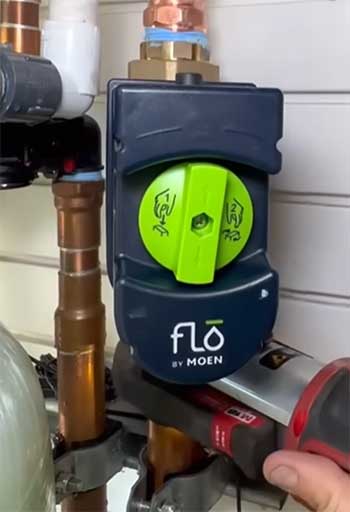
- The Smart Shutoff Valve is a Game Changer The single most important feature of this device is its ability to physically intervene. Most “leak detectors” on the market are just passive observers. They sit on the floor and beep if they get wet. That is useless if you are on a vacation in Europe and your water heater bursts. The Moen Flo doesn’t just send a notification; it takes action. If it detects catastrophic flow or unusual usage patterns that you do not dismiss, it shuts the water off at the main entry point. This capability transforms the device from a monitor into a security guard. It is the difference between coming home to a puddle and coming home to a swimming pool in your basement.
- Microleak Detection Capabilities The nightly health test is a technological marvel. By isolating the house’s plumbing from the city supply, the device can detect leaks as small as a single drop per minute. This is crucial for identifying “silent killers” like a pinhole leak behind drywall or a toilet flapper that doesn’t seal perfectly. These small leaks often go unnoticed for months, causing structural damage and mold growth. The Flo makes these invisible problems visible, allowing you to fix a ten-cent washer before it becomes a ten-thousand-dollar mold remediation project.
- Comprehensive Water Usage Data The granularity of the data provided by the app is genuinely useful for managing your household budget. It breaks down usage by category, helping you understand where your money is going. You can see usage by fixture type (to an extent) and track trends over weeks or months. It gamifies water conservation. When you see exactly how many gallons your irrigation system uses versus your washing machine, you start making smarter choices. I found myself adjusting the sprinkler timer because I realized I was using 500 gallons a week just on grass.
- Remote Control and “Away” Modes The ability to control your main water valve from your smartphone is a superpower. When I leave for a trip, I simply toggle the system to “Away” mode. This makes the monitoring algorithms hyper-sensitive. Even a small amount of water usage—like a toilet flushing—will trigger an immediate alert and potential shutoff. It eliminates that nagging “did I leave the water running?” anxiety that plagues homeowners when they travel. You have total control of your home’s vascular system from anywhere in the world.
- Insurance Premium Discounts Many insurance providers recognize the risk reduction that comes with an automatic shutoff valve. I called my provider after installing the Flo and sent them the installation certificate (which the app generates). They applied a discount to my homeowner’s insurance premium. While it might not pay for the device overnight, over the course of a few years, the device effectively pays for itself through these savings. It is one of the few home upgrades that puts money back in your pocket annually.
- Build Quality and Durability The unit itself is robust. It is made with heavy-duty brass and feels like a legitimate plumbing fixture, not a plastic toy. It is rated for outdoor installation (though I have mine indoors) and can handle the pressure and flow of a standard residential line without restricting water pressure. This durability suggests that Moen designed this to last as long as the pipes it is connected to, which is a significant pro compared to cheaper plastic alternatives.
Maintenance & Optimization Tips For Moen Leak Detector
Owning a Moen Flo requires a shift in mindset. It is a mechanical device interacting with water, which means it needs some attention to keep functioning at its peak.
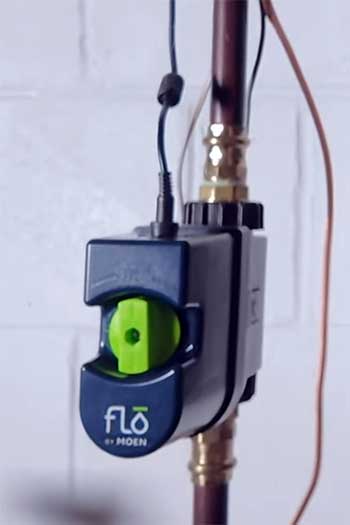
- Exercise the Valve Regularily: The internal ball valve is the heart of the system. Like any mechanical valve, if it sits in one position for years, it can seize up due to mineral deposits or corrosion. While the Flo does a daily test that moves the valve slightly, I make it a habit to fully close and open the valve via the app once a month. This “exercises” the mechanism, ensuring the gears remain free and the seal stays tight. It is a ten-second task that ensures the device will actually work when an emergency strikes.
- Clean the Turbine and Screen: The Flo measures water flow using a small turbine. If you live in an area with hard water or sediment in your municipal supply, this turbine can get clogged or calcified. I highly recommend installing a spin-down sediment filter before the Moen Flo on your main line. This catches the larger grit before it hits the expensive smart device. If you don’t have a pre-filter, you will need to periodically check the inlet screen of the Flo. If debris builds up, the flow readings will become inaccurate, leading to false alarms or missed leaks.
- Manage Your Wi-Fi Connection: The device needs a steady 2.4GHz Wi-Fi connection to send alerts to your phone. The shutoff logic for emergencies is stored locally on the device, so it will still protect you if the internet goes down, but you won’t get the notification. Given that water mains are often in basements or utility closets surrounded by concrete, signal strength can be an issue. I installed a simple Wi-Fi range extender specifically for the garage/basement area to ensure the Flo stays online. If the device drops offline frequently, you lose the ability to remotely control it, which defeats half the purpose.
- Plan for Power Outages: The standard Moen Flo plugs into a wall outlet. If you lose power during a storm—which is often when pipe-bursting freezing temperatures occur—your protection is offline. Moen sells a specific battery backup accessory, but you can also just plug the unit into a standard computer UPS (Uninterruptible Power Supply). I use a small UPS that cost about $50. It keeps the Flo running for days during an outage. This is a critical redundancy to add. Do not rely solely on the grid for your plumbing security.
- Update Your Profile: The AI works best when it knows what to expect. If you add a new bathroom, install a pool, or get a new irrigation system, you need to update your home profile in the app. If you don’t, the system might interpret the new water load as a leak and shut you off. Keeping the app data current helps the algorithm distinguish between a 20-minute pool fill and a burst pipe.
Cons of The Moen Leak Detector
- Initial Cost and Installation: There is no getting around the price. The hardware is expensive, and unless you are very comfortable with plumbing, the installation will cost you a few hundred dollars more. It is a significant upfront investment. For many homeowners, dropping nearly a thousand dollars (hardware + labor) on a preventative measure is a hard pill to swallow, especially when the “problem” it solves hasn’t happened yet.
- Subscription Walls: While the device works perfectly fine without a subscription, Moen locks some of the deeper data analysis and the “insurance deductible reimbursement” guarantee behind a subscription service called FloProtect. It feels a bit greedy to charge a monthly fee for a device that already costs so much. You get the safety features for free, but the premium data insights require ongoing payment.
How Moen Compares To The Competition?
- Moen Flo Vs. Phyn Plus
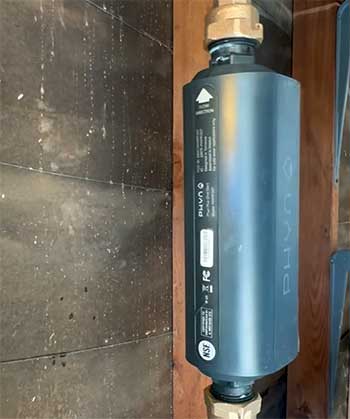
The Phyn Plus is the heavyweight contender against Moen.
The primary difference lies in the sensing technology.
Phyn uses ultrasonic waves to measure flow, meaning there are no moving parts inside the water stream.
This theoretically makes the Phyn more durable in hard water conditions since there is no turbine to get stuck.
However, the Moen Flo generally wins on usability.
The Moen app is more intuitive for the average homeowner.
While Phyn boasts about checking pressure 240 times a second to identify “water signatures” (like knowing the difference between the upstairs and downstairs toilet), Moen’s approach is more pragmatic.
Moen’s nightly pressure test, where it physically shuts the valve to test the sealed system, is arguably superior for detecting ultra-slow microleaks that don’t create a distinct flow signature. The Moen unit is also physically more compact, making it easier to retrofit into tight plumbing cupboards where the Phyn might not fit.
- Moen Flo Vs. StreamLabs
StreamLabs represents a different category entirely. Most StreamLabs models are “clamp-on” monitors. You strap them to the outside of the pipe, and they use ultrasound to listen to the flow.
The massive advantage here is installation; you do not need to cut your pipes. You can install it yourself in five minutes.
The downside is critical: StreamLabs cannot shut off your water. It is a monitor, not a guard. If a pipe bursts while you are at work, StreamLabs will frantically alert your phone, but it cannot stop the flooding. You are left watching your house flood remotely. Moen Flo offers intervention. Comparing the two is like comparing a smoke alarm to a sprinkler system.
One tells you there is a problem; the other solves it. For true peace of mind, the cut-in valve of the Moen is superior to the non-invasive convenience of the StreamLabs.
- Moen Flo Vs. Generic “Puck” Sensors
You can purchase small, battery-operated water sensors (from brands like Govee, D-Link, or Ring) and place them near your water heater, under sinks, and behind toilets. You can outfit a whole house for the price of one Moen Flo.
The limitation of pucks is coverage. A puck only works if water physically touches it. If a pipe bursts in the ceiling, inside a wall, or under a floorboard where you don’t have a sensor, the puck does nothing. The Moen Flo monitors the entire vascular system of your home. It detects leaks based on pressure and flow, regardless of where the water is exiting.
It doesn’t need to get wet to know there is a leak. However, the best approach is actually a combination. Use the Moen Flo for whole-home protection and place cheap puck sensors in high-risk areas (like the laundry room) for immediate, location-specific alerts.
Also Read: Comparison of Moen And Kraus Kitchen Faucets.
Frequently Asked Questions (FAQ)
It is installed on your main water supply line. It uses a turbine to measure flow rate and sensors to track pressure and temperature. It learns your daily habits to identify anomalies and performs a nightly pressure test to find microleaks.
The hardware generally costs between $400 and $500. Professional installation is highly recommended and usually adds another $200 to $400 to the total cost, depending on your local plumbing rates and the complexity of your setup.
During its nightly health test, the device isolates your home’s plumbing and monitors the pressure. It is sensitive enough to detect a leak as small as one drop per minute, which is far more sensitive than standard flow meters.
Yes. Considering the average cost of water damage restoration is thousands of dollars, the device pays for itself by preventing a single incident. Additionally, the potential insurance premium discounts improve the long-term value proposition.
Wrapping Up
The Moen Flo Smart Water Monitor is not a perfect product. The installation is invasive, the price is high, and the learning curve can be occasionally frustrating. However, the protection it provides is absolutely unmatched in the residential market.
It transforms your plumbing from a passive, hidden liability into a monitored, managed asset. The ability to catch a pinhole leak before it becomes a mold catastrophe, or to automatically stop a burst pipe while you are halfway across the world, makes it invaluable.
If you care about protecting the structural integrity of your home and your own peace of mind, this device is a mandatory upgrade. Buy it, install it, and rest easy knowing your home can defend itself.