
I’ve always loved turning my favorite photos into something tangible that brightens up my walls.
After years of experimenting with different ways to display memories—from traditional frames that required hammers and nails to canvases that felt too permanent—I decided to compare Mixtiles and Shutterfly head-on.
My goal here is to help you figure out which one fits your needs best for creating easy, beautiful photo displays, whether you’re a renter avoiding wall damage, a parent building a family gallery, or just someone who likes switching things up often.
Right after placing orders from both, I noticed clear differences in ease, cost, quality, and flexibility. Here’s a quick, side-by-side look to give you an at-a-glance overview before we get into the details.
| Feature | Mixtiles | Shutterfly |
| Primary Focus | Stickable, repositionable photo tiles for gallery walls | Full-range photo printing, including restickable tiles, canvases, books, and gifts |
| Tile Sizes | Mainly 8×8 inches (some larger options available) | Multiple sizes from 5×7 to 16×16 and beyond |
| Mounting Method | Adhesive backing (repositionable many times, no damage claimed) | Restickable adhesive on tiles (similar claims), but options for framed or permanent hangs |
| Price per Basic Tile | Around $11–$12 each (deals often lower for bundles) | $13–$35+ depending on size and material |
| Shipping | Free worldwide, arrives in about a week | Paid (around $10–$16), faster in some cases |
| Print Quality | Good colors, lightweight foam board | Often sharper, more vibrant; options like metal or canvas |
| Variety | Focused on tiles with frame styles | Huge range: tiles, metal prints, canvases, books, cards |
| Ease of Rearranging | Excellent—peel and restick easily | Good for tiles, but other products are fixed |
| Best For | Renters, frequent changers, budget gallery walls | Versatile projects, higher-end finishes, gifts |
In-depth Comparison of Mixtiles And Shutterfly
I’ve put Mixtiles and Shutterfly through their paces with multiple orders over the past couple of years, including fresh ones to see how they’ve evolved. What started as a simple tile comparison turned into appreciating how each shines in different scenarios.
Let’s break it down category by category, based on my hands-on tests with phone snaps, professional shots, and everything in between.
- Ease of Use and Ordering

Mixtiles keeps things refreshingly simple.
Their app loads fast, lets me upload from my camera roll or Instagram in seconds, and previews layouts instantly.
I can tweak borders, add effects, or switch frame styles with one tap.
For a recent order of 12 tiles, I finished everything in under 10 minutes.
Shutterfly, on the other hand, feels more like a full photo ecosystem. The options overwhelm at first—connecting to Google Photos, Facebook, or their art library adds steps. Uploading individually for tiles takes longer, and promotions pop up constantly.
My last mixed order (tiles plus a canvas) clocked in at twice the time. If you’re just doing basic tiles, Mixtiles feels smoother and less cluttered.
Winner for quick tile orders: Mixtiles. For complex projects involving multiple products: Shutterfly.
- Print and Material Quality
This one’s close, but noticeable side by side.
Mixtiles uses lightweight foam board with a smooth print surface. Colors come out vibrant and true for everyday photos, especially after their quality improvements around 2024. Skin tones look natural, and details hold up well on 8×8 or larger sizes.
The frames (white, black, wood) add a clean finish without overpowering the image. My 20×20 travel shots popped nicely, though ultra-fine details from pro cameras can soften slightly.
Shutterfly offers more materials—foam tiles, metal prints, framed options, even canvas tiles. Metal ones deliver that premium shine with deeper blacks and sharper contrast.
In my tests, Shutterfly edged ahead on vibrancy and accuracy, especially for portraits where colors felt more saturated without looking artificial. The cardstock or metal feels sturdier overall.
That said, Mixtiles caught up significantly, and for most phone photos, you’d struggle to spot differences from normal viewing distance.
Winner: Shutterfly for premium feel and sharpness, Mixtiles for consistent, lightweight everyday quality.
- Adhesion and Wall Safety
Both promise no-damage removal, and I’ve tested this rigorously across rentals and owned homes.
Mixtiles now uses an improved magnetic-style adhesive system—peel, stick, and reposition dozens of times. On smooth painted walls, they’ve held strong for years in my experience, even in humid bathrooms.
Removal leaves zero residue or marks when done gently from the bottom. Textured walls or fresh paint can weaken grip over time; I’ve added extra strips once or twice without issues.
Shutterfly tiles use double-sided adhesive strips, similar in concept. They stick well initially and restick a decent number of times. Metal tiles feel secure due to even weight distribution.
I’ve peeled them cleanly in most cases, but occasional reports (and one minor paint tug in my tests on older walls) suggest they’re slightly less forgiving than Mixtiles’ latest system.
Both work great on proper surfaces, but Mixtiles gives me more confidence for frequent rearranging without worry.
Winner: Mixtiles for ultimate repositioning freedom and proven no-damage track record.
- Cost and Value
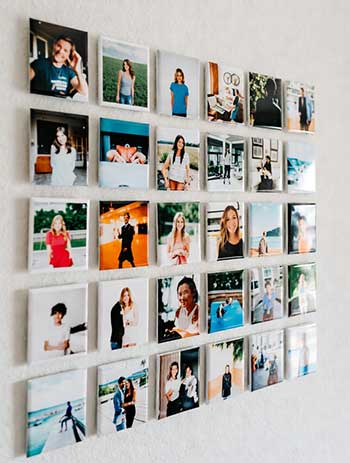
Pricing shifts with deals, but here’s the real-world breakdown from my 2025 orders.
Mixtiles basic 8×8 tiles run around $11-12 each, dropping lower in bundles (like 3 for under $50, extras at $9).
Larger sizes scale up reasonably, and free shipping worldwide (arriving in about a week) makes large galleries affordable.
My 16-tile wall cost under $150 total.
Shutterfly 8×8 tiles start higher, often $13-35 depending on material and sales (metal pushes it up).
Smaller 5×7 or larger 16×16 vary widely.
Shipping adds $10-16 unless you hit promotions. Frequent 40-50% off codes help, but my comparable order ended $20-30 more expensive.
For pure tile-focused galleries: Mixtiles delivers better value. Mixing in canvases or books tips toward Shutterfly if deals align.
Winner: Mixtiles for budget-friendly large displays.
- Versatility and Long-Term Appeal
Shutterfly dominates here with sheer options. Beyond restickable tiles, you get metal prints, canvases, framed walls, even heart-shaped or collage tiles. Sizes from 5×7 to 16×16 (and bigger in other formats) allow dynamic, mixed layouts. I’ve created evolving walls combining tiles with permanent pieces.
Mixtiles expanded in 2025—now offering up to 27×36, a tall 22×44, canvas styles, and mix-and-match sizes in one order. Frame colors (black, white, wood, frameless) provide variety, but it’s still tile-centric. Great for uniform grids or playful arrangements, less so for eclectic mixes.
If your vision includes non-tile elements or drastic size variation: Shutterfly. For dedicated, changeable tile walls: Mixtiles.
Winner: Shutterfly for ultimate flexibility.
- Shipping, Packaging, and Turnaround
Mixtiles packaging impresses—compact, sturdy boxes with minimal waste. Free standard shipping hits reliably in 5-10 days globally; expedited available. No surprises.
Shutterfly ships faster domestically (3-5 days in my experience) but charges for it. Packaging protects well, especially metal items.
Winner: Mixtiles for free, reliable worldwide delivery.
- Customer Support and Reliability
Both handle issues well. Mixtiles responds quickly via app chat or email, often sending replacements same-day for quality concerns. Their satisfaction guarantee feels genuine.
Shutterfly support is thorough but slower, navigating more channels. Reprints arrive eventually, backed by long-standing policies.
I’ve had flawless experiences with both lately—no major defects.
Tie, leaning Mixtiles for speedier resolutions.
Also Read: Is Roommates Peel And Stick Wallpaper Worth It?
What Mixtiles Brings To The Table?

I first tried Mixtiles a few years ago when I moved into a rental and wanted photos up without risking my deposit.
The concept hooked me immediately: lightweight tiles that stick directly to the wall and can be moved around like puzzle pieces.
The ordering process feels straightforward.
I uploaded photos from my phone, picked frame styles—white, black, oak, or edgeless—and previewed everything.
They even flag low-resolution images to avoid blurry results. My order arrived quickly with free shipping, packaged securely without excess waste.
Hanging them was satisfying. Peel the backing, press on the wall, and done. No tools needed. I’ve rearranged my gallery multiple times, and the adhesive holds up well on smooth painted walls. The tiles feel light but sturdy, with a foam core that keeps them flat.
One feature I appreciate is the variety in borders and effects. I turned some color shots black-and-white for a cohesive look, and the app makes those tweaks simple.
That said, they’re not flawless. On textured walls, adhesion can be iffy—I had to add extra strips once. Print sharpness is solid for phone photos but doesn’t always match professional lab standards. Frames can show minor scratches out of the box, though it’s rare.
Overall, Mixtiles excels at making gallery walls accessible and fun, especially if you change your mind often.
The Pros of Choosing Mixtiles
- Repositioning Freedom: I’ve moved tiles dozens of times without losing stickiness or marking walls. Perfect for experimenting with layouts.
- Affordable Entry Point: Bundles drop the per-tile cost, making large displays doable without breaking the bank.
- Renter-Friendly: No nails mean no holes—I’ve removed them cleanly after years.
- Quick Setup: From order to wall in under two weeks, often faster.
- Satisfaction Guarantee: They’ve replaced or refunded issues promptly in my experience.
The Cons of Mixtiles
- Limited Sizes: Mostly square 8×8, which works for grids but not always for varied compositions.
- Adhesion Variability: Performs best on smooth surfaces; textured or freshly painted walls might need extras.
- Print Nuance: Colors are vibrant but can feel slightly softer than premium options.
- Frame Durability: Lightweight means occasional minor dings in shipping.
Also Read: Is NuWallpaper Worth It?
Exploring Shutterfly’s World
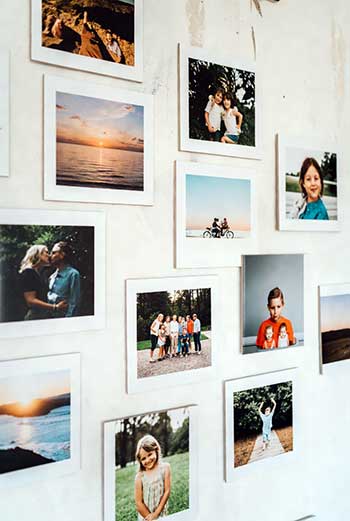
Shutterfly has been around longer in my photo-printing journey.
I started with their books and cards before trying tiles. It’s more of an all-in-one hub for anything photo-related.
Their restickable photo tiles compete directly with Mixtiles.
I ordered a mix of sizes and materials—some aluminum, some framed—and appreciated the options.
The adhesive works similarly: peel and stick, with claims of easy removal.
What stands out is the range.
Beyond tiles, I got metal prints that pop with gloss and canvases for bigger statements. Uploads connect easily to Instagram or Google Photos.
Quality often edges higher—colors feel truer, especially skin tones. Metal tiles have a modern shine that’s eye-catching.
The downside? Costs add up faster, especially with shipping. The interface can feel busy with promotions, and individual uploads take longer for large orders.
Shutterfly suits when you want variety or higher-end finishes alongside tiles.
The Pros of Choosing Shutterfly
- Product Diversity: Tiles plus canvases, metal, books—everything in one place.
- Size Flexibility: Mix small and large for dynamic walls.
- Vibrant Outputs: Often more saturated and sharp, great for detailed shots.
- Customization Depth: Borders, texts, collages—more tools for personalization.
- Frequent Deals: Sales can make bigger projects affordable.
The Cons of Shutterfly
- Higher Overall Cost: Tiles start pricier, plus shipping fees.
- Less Focus on Repositioning: Tiles restick well, but other items are permanent.
- Slower for Simple Tiles: More steps if you’re just wanting quick stickables.
- Interface Overload: Promotions and options can slow the process.
My Personal Experiences Over Time
I’ve built multiple galleries with each.
First Mixtiles setup: Living room grid of travel shots. Rearranged seasonally—no issues.
Recent Shutterfly order: Mixed tiles and metal for bedroom. Stunning vibrancy, but paid extra shipping.
For a kid’s room that evolves, Mixtiles flexibility won. For statement pieces, Shutterfly quality.
Both improved over years—Mixtiles adhesion, Shutterfly tile options.
Also Read: Is Spoonflower Peel And Stick Wallpaper Worth It?
Frequently Asked Questions (FAQ)
Options like Snaptiles (magnetic for endless swaps) or Storyboards (similar stickables with strong reviews) often edge out for premium feel, though Mixtiles remains top for affordability and ease.
For photo books, Mixbook or Snapfish frequently win on quality and price. For tiles specifically, Mixtiles offers better value in repositioning.
Yes, for hassle-free gallery walls on a budget—especially with deals and free shipping.
In most cases, yes—on smooth, clean walls. They’ve come off cleanly for me multiple times.
Which One Should You Pick?
If you want simple, affordable, movable photo walls without commitment, go Mixtiles. They’ve transformed rentals for me.
If you crave options—different materials, sizes, or combining with books/canvases—choose Shutterfly.
Many use both: Mixtiles for playful areas, Shutterfly for formal.
Ultimately, your photos deserve display. Try a small order from each—you’ll see what clicks.