
As someone who’s spent years in the kitchen experimenting with different pots and pans, I wanted to share my thoughts on Misen and Made In.
This article breaks down their differences to help you decide which might fit your cooking style better. I’ll cover key features from a user’s viewpoint, weighing the good and bad sides, and compare them directly.
| Feature | Misen | Made In |
| Price Range for a Basic Fry Pan | Around $65-$90, keeps things budget-friendly for everyday cooks like me who don’t want to splurge. | Starts at $99+, feels like investing in pro-level gear that promises longevity. |
| Material Thickness (Stainless) | 3mm thick cladding – I notice it holds heat steadily without hotspots ruining my sauces. | 2.7mm – slimmer but responsive, heats up quick for those fast weeknight meals. |
| Manufacturing Location | Mostly China, which helps cut costs, but I’ve wondered about quality control at times. | USA, Italy, France – gives that premium vibe, like using tools from artisan workshops. |
| Warranty and Trial | Lifetime warranty with a 60-day trial; I’ve returned stuff hassle-free before. | Lifetime warranty too, but no extended trial – confident in their build, I guess. |
| Weight Feel | Heavier side, great for stability but can tire my arm during long stirs. | Balanced weight, easy to maneuver, especially when flipping eggs or veggies. |
| Heat Performance | Slow to warm but even once hot; perfect for simmering without burning. | Quick heat-up and retention; I love how it sears meat crisply. |
| Non-Stick Options | Solid carbon non-stick hybrid; sticks less over time with proper seasoning. | PTFE-free ceramic choices; smooth release but needs care to last. |
| User Vibe | Approachable for home cooks – I started with their basics and built up. | Chef-inspired – makes me feel like I’m in a restaurant kitchen. |
Head-to-Head Comparison of Misen And Made In
Now, let’s pit them against each other directly. I’ve used both brands side by side for similar tasks, so this comes from real experience. I’ll expand a bit on how they stack up in everyday scenarios to give you a fuller picture.
- Materials and Construction
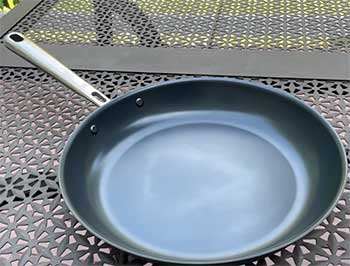
Misen’s 3mm stainless cladding edges out Made In’s 2.7mm for heat retention – I notice Misen simmers steadier, especially when making stocks that need consistent low heat over hours.
But Made In’s global sourcing feels more premium; their Italian stainless resists scratches better in my kitchen, holding up against metal utensils without marks.
Both are 5-ply, but Misen’s aluminum core distributes heat more evenly on induction, reducing the chance of cold spots in larger batches.
For carbon steel, Made In’s French version seasons quicker with a smoother patina build-up, while Misen’s is tougher for rough use like outdoor grilling.
- Performance in the Kitchen
Heating speed goes to Made In – it boils water faster on my gas range, which is handy for quick pasta nights when time is short. But Misen’s mass prevents scorching, ideal for delicate sauces where even a slight overheat can ruin the texture.
In searing tests, Made In gives a better crust due to higher temp tolerance, locking in juices on steaks without steaming them. Non-stick wise, Misen’s carbon hybrid lasts longer with seasoning, developing a natural release over months of use, while Made In’s ceramic is slicker initially but fades if you push it with acidic foods.
Overall, Made In wins for quick, pro-style cooking like restaurant rushes; Misen for consistent, everyday reliability in home meals.
- Pricing and Value
Misen crushes on affordability – their sets are 30-40% cheaper, letting me outfit my kitchen without breaking the bank on multiple pieces. I got a full Misen kit for what one Made In pan costs, perfect for beginners testing the waters.
But Made In offers better long-term value; mine’s held up without degradation, saving money on replacements over years. If you’re starting out, Misen’s trial makes it low-risk, allowing you to try and return without commitment.
For serious cooks, Made In’s durability justifies the extra spend, especially if you cook professionally or host often.
- Durability and Maintenance
Both have lifetime warranties, but Made In’s artisan build seems sturdier – no handle wobbles after heavy use, even with full pots of soup. Misen requires more care for carbon pieces, hand-wash only to preserve the seasoning layer.
Made In’s enameled iron is dishwasher-safe, a plus for busy days when scrubbing isn’t an option. In drop tests (accidental, I swear), both survive, but Made In’s thicker rivets feel more secure against loosening over time. If low-maintenance is key, Made In edges out for its easier cleanup across most lines.
- Design and Ergonomics
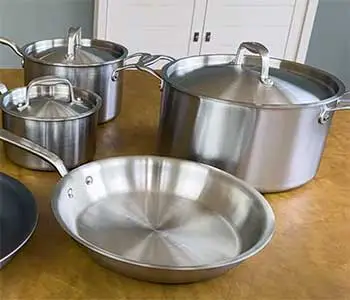
Made In’s flared rims pour cleanly, preventing spills when transferring liquids like gravies.
While Misen’s steeper walls maximize surface area – great for crowding pans with veggies without overflow.
Handles: Misen’s polished ones slip less with wet hands, providing a firm grip during flips, but Made In’s brushed stay cooler longer under high flames.
Weight-wise, they’re similar, but Made In balances better for tossing ingredients without fatigue.
Aesthetics: Made In looks upscale with its polished edges; Misen practical and understated, blending into any kitchen setup.
- Versatility Across Cooktops
Both work on all stoves, but Misen’s thicker base excels on electric for even heat, minimizing warping on coil elements. Made In’s copper responds instantly on gas, ideal for precise temperature adjustments in stir-fries.
For oven use, Made In hits 1200°F with carbon steel, allowing for extreme broiling; Misen caps at 900°F, sufficient for most baking but not ultra-high heats. If you bake often or switch cooktops frequently, Made In edges out with its broader temperature range and adaptability.
Also Read: Is Merten & Storck Stainless Steel Cookware Worth It?
Pros of Misen
I picked up my first Misen pan a few years back when I was tired of cheap non-sticks flaking into my food. What drew me in was how they market themselves as chef-quality without the chef prices. Let me walk you through what stands out as positives from my time using them.
- Affordable Pricing That Doesn’t Skimp on Quality
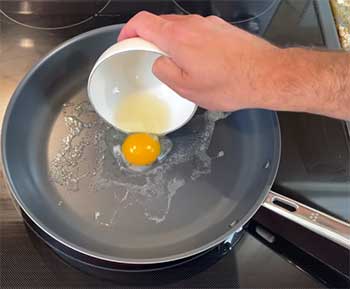
One thing I appreciate as a regular home cook is that Misen keeps costs down.
Their 10-inch stainless fry pan runs about $75, which is a steal compared to big names.
But it’s not just cheap – the 5-ply construction with aluminum layers means even heating.
I’ve made countless stir-fries where everything cooks uniformly, no burnt edges while the center’s raw.
It’s like they designed it for people like me who multitask in the kitchen.
- Durable Build for Everyday Use
These pans feel solid. The stainless steel is 18/10 grade, resistant to rust and warping. I’ve dropped mine a few times (oops), and it bounces back without dents. The handles are hollow to stay cool, a small touch that saves my fingers during busy dinners.
Plus, they’re induction-compatible, which was a game-changer when I upgraded my stove. I use the carbon steel version for high-heat searing, and after seasoning, it’s as non-stick as promised without chemicals.
- Versatile Product Lineup
Misen isn’t just pans; they’ve got knives and prep tools too. Their chef’s knife is sharp out of the box, with a comfortable grip for chopping veggies all day. I love the enameled cast-iron braiser for slow cooks – the colors like sage green add a pop to my shelf.
Everything’s designed with input from real users, so features like steeper sidewalls give more cooking surface. It’s practical for someone experimenting with recipes without needing a full pro setup.
- Excellent Customer Support and Policies
From my experience, their 60-day trial is legit. I tested a non-stick set and sent one back because it didn’t suit my gas stove – full refund, no questions.
The lifetime warranty covers defects, and their team responds fast. It’s reassuring when you’re spending on kitchen gear; I don’t feel stuck if something goes wrong.
- Positive User Feedback Integration
I’ve read tons of reviews, and Misen seems to listen. They started on Kickstarter with backer input, and it shows in updates like the removable silicone grips on non-sticks.
For me, that means better control without slipping, especially with oily hands. It’s like they’re building for real-life messes, not just show.
Cons of Misen
No brand’s perfect, and Misen has its drawbacks. I’ve run into a few issues that make me pause before recommending it to everyone.
- Heavier Weight Can Be Tiring: These pans are hefty due to that thick cladding. The 10-inch stainless weighs around 3 pounds, which is great for heat retention but not for quick flips. If you’re like me with smaller hands or cooking for hours, it can strain your wrist. I sometimes switch to lighter options for simple tasks.
- Slower Heat-Up Time: Because of the mass, it takes longer to get hot. On my electric stove, it’s a couple minutes more than thinner pans. Fine for low-and-slow, but if I’m rushing breakfast, it’s frustrating. I’ve learned to preheat longer, but it’s not ideal for impatient cooks.
- Made in China Raises Questions: While it keeps prices low, some folks worry about consistency. I’ve had no major problems, but reviews mention occasional quality slips, like uneven seasoning on carbon steel. It’s not a deal-breaker for me, but if you prefer American-made, this might bug you.
- Maintenance for Certain Pieces: The carbon steel needs seasoning and hand-washing only. I skipped oiling once, and food stuck badly. It’s high-maintenance compared to stainless, which goes in the dishwasher. If you’re low on time, stick to their easier lines.
- Limited High-End Feel: Misen’s straightforward – no fancy engravings or colors beyond basics. It works great, but doesn’t have that luxury vibe. For gifting or a show kitchen, it might feel too utilitarian.
Also Read: Is Rachael Ray Cucina Cookware Worth It?
Pros of Made In

Switching to Made In felt like upgrading my whole setup. I got their stainless set after hearing chefs rave, and it’s lived up to the buzz in many ways.
- Premium Sourcing and Craftsmanship: Made In pulls from top spots like Italy for stainless and France for carbon steel. The quality shines – their pans have a brushed finish that’s sleek and professional. I feel like a pro using them, especially the copper line for precise heat control. It’s built to last, with no warping after years of use.
- Excellent Heat Performance: The 5-ply design heats fast and holds it well. In my tests, it sears steak perfectly with that crispy crust. The flared rims make pouring easy, no drips. Their non-stick is PTFE-free ceramic, releasing food smoothly without toxins. I’ve used the saucier for sauces, and the curved sides prevent clumping.
- Wide Range of Options: They cover everything: stainless, non-stick, carbon steel, even knives and serveware. The enameled cast iron is oven-safe to high temps, great for baking. I love the griddle for pancakes – even heat across the surface. It’s versatile for any cooking style, from grilling to simmering.
- Chef-Approved Durability: Backed by Michelin pros, it’s tough. Handles are ergonomic and stay cool, riveted securely. I’ve put mine through daily use, and it cleans up spotless. The lifetime warranty adds peace of mind, though I’ve never needed it.
- Aesthetic and Functional Design: These look sharp on the stove. The balanced weight makes handling easy, and features like the helper handle on larger pots help with heavy lifts. It’s thoughtful design that enhances cooking flow.
Cons of Made In
Even with the hype, Made In isn’t flawless. Here’s where it falls short for me.
- Higher Price Point: It’s pricier – a basic fry pan is over $100. For budget-conscious folks like I was starting out, it’s a splurge. Quality justifies it, but not everyone can swing that.
- Potential for Concavity Issues: Some older reviews mention bottom warping, creating uneven heating. Mine’s fine, but it’s a risk with any clad steel. I check mine regularly to avoid hotspots.
- Heavier Pieces in Some Lines: Like Misen, carbon steel is weighty. Fine for stability, but if you have mobility issues, it’s cumbersome. The copper is lighter, but expensive.
- No Extended Trial Period: Unlike Misen, no 60-day test. You’re committed after purchase, which might deter first-timers. Returns are possible, but shorter window.
- Limited Non-Stick Longevity: The ceramic coating wears faster than traditional non-stick if not babied. I’ve been gentle, but high-heat use shortens life. Stick to medium for best results.
Also Read: Is Natural Elements Woodstone Cookware Worth It?
Frequently Asked Questions (FAQ)
It depends on your needs. Made In suits pros wanting premium performance, while Misen fits budget-conscious home cooks seeking reliability.
No, they’re separate brands. Misen focuses on affordable, user-driven designs; Made In emphasizes artisan craftsmanship.
Not fully – it’s mid-range with high-quality features at lower prices, bridging everyday and pro levels.
Yes, it’s durable with even heating and versatile options, praised for value in user reviews.
Wrapping Up
In wrapping this up, I’ve shared my experiences with Misen and Made In to give you a clear picture. From my kitchen to yours, think about what matters most – budget, performance, or that pro feel.
You can’t go wrong with either if it matches your style, but pick based on how you cook daily. What do you think – ready to upgrade your pans?