
If you’re tired of pans that lose their nonstick magic after a few months, let me tell you why the Misen Carbon Steel Pan is a game-changer you need in your kitchen.
I’ve used mine for everything from searing steaks to frying eggs, and it just gets better with time. It’s durable, heats up fast, and builds a natural nonstick surface that rivals any coated pan without the chemicals.
At a price that won’t break the bank, this pan delivers professional results at home. Trust me, once you try it, you’ll wonder how you cooked without it. Go ahead and add it to your cart—you won’t regret it.
My Experience With Misen Carbon Steel Pan
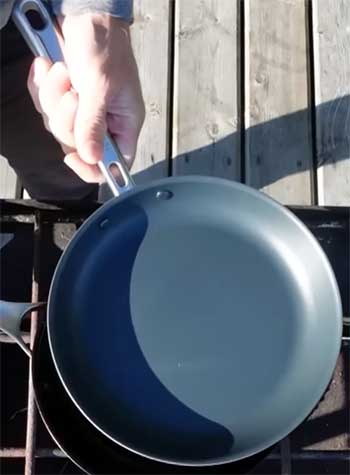
When I first unboxed my Misen Carbon Steel Pan, I was struck by how solid yet lightweight it felt compared to my old cast-iron skillet.
The 10-inch version I chose had that preseasoned sheen, promising easy cooking right away, and the removable silicone grip on the handle looked practical for oven use.
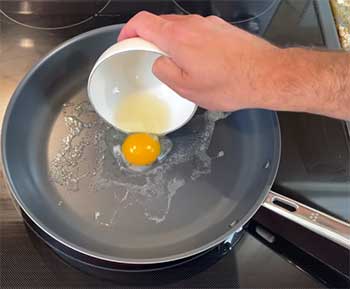
I couldn’t wait to test it out, so I fired up the stove for a simple breakfast: eggs over easy.
I added a touch of oil, let the pan heat up, and slid the eggs in.
To my surprise, they didn’t stick at all—they glided around like on a well-worn nonstick surface.
The even heat distribution meant no hot spots; the whites cooked uniformly while the yolks stayed runny, just how I like them.
Encouraged, I moved on to searing a steak that evening. I cranked the heat high, and the pan responded quickly, getting ripping hot in minutes. The carbon steel held that heat steady, giving the meat a beautiful crust without burning.
Juices sizzled nicely, and when I flipped it, there was no tearing—the seasoning layer did its job perfectly. Cleanup was a breeze; a quick wipe with a paper towel removed most residue, and a gentle scrub under warm water took care of the rest. I dried it immediately and gave it a light oil rub, as recommended, to keep the seasoning intact.
Over the next few weeks, I put it through its paces with various meals. Stir-fries came out vibrant, with veggies retaining their crunch thanks to the pan’s quick response to temperature changes. I even baked a pan pizza in the oven, where the high heat tolerance—up to 800 degrees Fahrenheit without the grip—created a crispy crust that rivaled takeout.
One memorable night, I sautéed chicken thighs, and the rendered fat helped build the seasoning further, making the pan slicker each time. I noticed how versatile it was; from delicate fish fillets that released effortlessly to hearty roasted vegetables, it handled everything with ease.
What really impressed me was how it evolved with use. Initially, I was cautious about acidity, avoiding tomatoes for the first month to let the seasoning settle. But as I cooked more, the surface darkened and became even more nonstick.
I compared it mentally to my previous experiences with other pans—nothing matched this one’s ability to sear like cast iron while being lighter and easier to maneuver. The ergonomic handle stayed cool, preventing burns, and the curved sides made tossing ingredients simple.
Sure, it required a bit more attention than a lazy dishwasher-safe option, but the payoff in flavor and performance was worth it.
By the end of the month, this pan had become my go-to for most meals. I found myself reaching for it over my stainless steel or nonstick alternatives because it imparted a subtle depth to foods that others couldn’t.
For instance, when I made grilled cheese, the bread toasted evenly with a perfect melt inside, no flipping disasters. Even pancakes on weekends slid off without a hitch. If you’re like me and love experimenting in the kitchen, this pan encourages creativity—it’s forgiving yet rewards proper technique.
My only minor gripe early on was its weight for prolonged holding, but that built my arm strength! Overall, using the Misen Carbon Steel Pan felt like upgrading my entire cooking setup without overhauling everything. It’s reliable, responsive, and has made me a better home cook.
You know that satisfaction when a tool just works? That’s what this delivers every time.
Pros of The Misen Carbon Steel Pan
- Quick and Even Heating: You heat this pan up, and it responds almost instantly, distributing warmth uniformly across the surface so your food cooks consistently without those annoying cold spots that ruin a good sear.
- Natural Nonstick That Improves Over Time: Unlike coated pans that degrade, this one’s seasoning builds with each use, letting eggs and fish slide right off—I’ve seen it get slicker after just a few meals, making cooking feel effortless.
- Durability for Everyday Use: Built tough from high-quality carbon steel, it withstands high temperatures and rough handling without warping, meaning it’ll last you years if you treat it right.
- Versatility Across Cooking Methods: Whether you’re searing on the stovetop, baking in the oven, or even broiling, this pan handles it all—I use mine for everything from stir-fries to pan breads, and it never lets me down.
- Lightweight Compared to Cast Iron: At about half the weight of traditional cast iron, it’s easier for you to lift and maneuver, especially when tossing ingredients or transferring to the oven.
- Oven-Safe to High Temperatures: Go up to 800 degrees Fahrenheit without the silicone grip, perfect for finishing dishes under the broiler or roasting at high heat.
- Larger Cooking Surface: The design gives you more usable space than standard pans of the same size—my 10-inch holds 20% more, which means fewer batches when cooking for a crowd.
- Comfortable Handle Options: Choose between the stay-cool ergonomic handle or the removable silicone grip; both make holding secure and burn-free during long sessions.
Cons of The Misen Carbon Steel Pan
- Requires Immediate Drying to Prevent Rust: After washing, you have to towel it dry right away, or rust spots can form—I’ve learned this the hard way with a tiny speck once, but it’s avoidable with habit.
- Not Dishwasher-Safe: Forget tossing it in the machine; hand washing is mandatory, which might annoy you if you’re used to easy cleanup routines.
- Needs Occasional Re-Seasoning: While preseasoned, heavy use or acidic foods might require a quick re-seasoning session—it’s simple, but adds a step compared to maintenance-free options.
- Heavier Than Nonstick Pans: Though lighter than cast iron, it’s still got some heft, which could feel cumbersome if you’re flipping delicate items or have wrist issues.
- No Lid Included: It doesn’t come with a matching lid, so you’ll need to source one separately if you often simmer or steam—I’ve improvised with others, but it’s an extra consideration.
- Sensitive to Acidic Foods Early On: For the first month, limit tomatoes or lemons to help the seasoning set; after that, it’s fine, but it requires initial patience.
- Longer Handle Might Not Fit All Storage: The extended handle is great for balance but can make storing in tight cabinets tricky—measure your space before buying.
- Potential for Flaking During Initial Uses: New seasoning might flake a bit at first, but it stabilizes quickly—nothing harmful, just something to note.
Maintenance Tips For Your Misen Carbon Steel Pan
Keeping your Misen Carbon Steel Pan in top shape isn’t complicated, but it does require consistent care to maintain that natural nonstick and prevent issues like rust. I’ll walk you through the details based on what works for me.
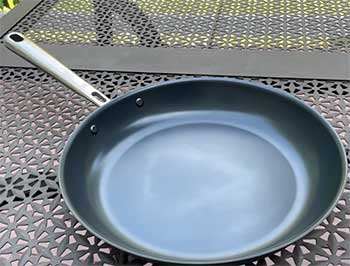
- Daily Cleaning Routine: After cooking, let the pan cool slightly, then rinse with warm water and a soft sponge or brush. Avoid soap most times, as it can strip seasoning—I’ve found a quick scrub removes residue without hassle. If food is stuck, simmer water in the pan for a few minutes to loosen it, then wipe clean.
- Drying to Avoid Rust: Always dry immediately with a clean towel or paper towel. Any moisture left behind can lead to rust, especially in humid kitchens. I make it a habit to heat the pan on low for a minute post-drying to evaporate any lingering drops.
- Re-Seasoning When Needed: If the surface looks dull or food starts sticking, re-season by heating the pan until hot, adding a thin layer of high-smoke-point oil like corn or grapeseed, and wiping excess with a paper towel. Let it cool, and repeat if necessary—takes about 10 minutes and restores that slick feel.
- Storing Properly: Store in a dry place, perhaps with a paper towel inside to absorb humidity. Avoid stacking heavy items on top to prevent scratches. If you have multiple pans, use protectors between them.
- Handling Acidic Foods: Once seasoned well, it’s fine, but start slow. After a month of regular use with neutral foods, introduce acids gradually—I’ve cooked tomato sauces without problems after building up the layer.
- Avoiding Common Mistakes: Never soak the pan or use metal scours that could damage the seasoning. If rust appears, scrub it off gently with salt and oil, then re-season. High heat is your friend for cooking, but cool gradually to prevent warping.
- Long-Term Care: Every few months, inspect for even seasoning. If patchy, a full oven seasoning works: coat with oil, bake upside down at 450 degrees for an hour. This keeps it performing like new.
These steps have kept my pan flawless for months, and the effort pays off in better cooking results. You’ll find it becomes second nature, turning maintenance into a quick ritual that enhances your kitchen routine.
Comparison of Misen Carbon Steel Pan With Other Brands
When stacking the Misen Carbon Steel Pan against competitors, I always consider factors like heat performance, ease of use, and value. Let’s break it down by brand to see how Misen holds up.
- Misen Carbon Steel Pan Vs. Henckels Paradigm Pans
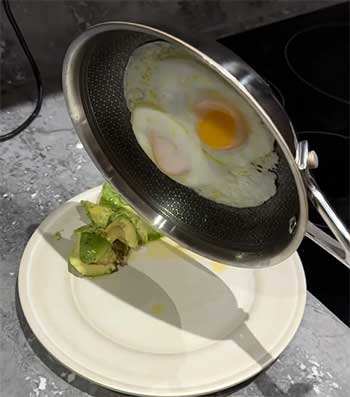
You might be eyeing the Henckels Paradigm pans for their hybrid design, which mixes stainless steel with a nonstick coating in a raised pattern for better browning.
In my experience testing similar setups, the Paradigm heats up quickly thanks to its lighter build—often faster than Misen on gas or electric stoves, though induction might even them out.
But where Misen shines is in heat retention; once hot, it holds steady for searing meats or veggies without cooling off mid-cook, something the Paradigm struggles with due to its thinner construction.
Durability-wise, both are tough, but Misen’s carbon steel builds a natural patina over time that doesn’t rely on a coating that could wear down—I’ve heard reports of the Paradigm’s nonstick fading after heavy use, while Misen just gets better.
Price is another factor; Henckels often runs higher for a set, but if you’re buying single pieces, Misen gives you more bang for your buck with its lifetime warranty. Ease of use?
The Paradigm wipes clean easily at first and handles metal utensils well, but Misen requires that initial seasoning care, rewarding you with versatility for high-heat tasks like stir-fries that the Paradigm might not handle as robustly without risking the coating.
If you want low-maintenance nonstick right away, Paradigm could appeal, but for long-term performance and that pro-kitchen feel, Misen edges it out in my book.
- Misen Carbon Steel Pan Vs. NuWave Pots and Pans
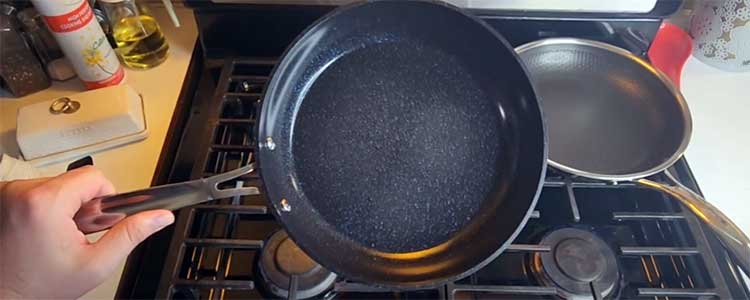
Switching to NuWave’s Duralon Blue cookware, which features ceramic nonstick surfaces on aluminum bases, it’s a different beast from Misen’s pure carbon steel. From what I’ve used and read, NuWave heats evenly and quickly, especially on induction thanks to its stainless steel plate, making it great for everyday tasks like simmering sauces or frying eggs without much oil.
However, Misen outperforms in high-heat scenarios—its ability to reach and maintain ripping hot temps for perfect sears on steaks is something NuWave’s coating can’t match without potential degradation over time.
Durability is solid on both; NuWave claims scratch-resistance and PFAS-free safety, but users mention sticking issues after months, whereas Misen’s seasoning evolves to be nearly indestructible if you maintain it properly.
Weight plays a role too—NuWave pans are lighter and easier to handle for quick meals, which might suit you if arm fatigue is a concern, but Misen’s balanced heft gives better control for flipping and tossing. Cleanup? NuWave often just needs a wipe, dishwasher-safe even, contrasting Misen’s hand-wash-only rule, though I find Misen’s residue comes off easily once seasoned.
Value-wise, NuWave sets are affordable and come with multiple pieces, but if you’re focused on a single versatile pan, Misen delivers more longevity without the need for replacements. For casual cooks prioritizing convenience, NuWave fits nicely, but if you crave that authentic flavor from high-heat cooking, Misen is the way to go.
- Misen Carbon Steel Pan Vs. Le Creuset Sauté Pan
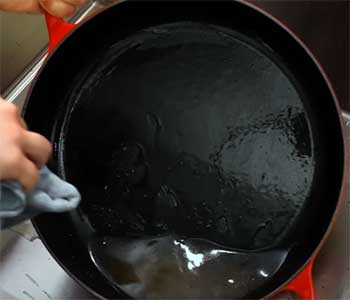
Now, pitting Misen against the iconic Le Creuset Sauté Pan, often in enameled cast iron, highlights material differences that affect everything from heat to handling.
Le Creuset excels in even heat distribution and retention—once preheated, it simmers stews or sautés veggies flawlessly without hot spots, and its enamel resists acids better from the start than Misen’s early seasoning phase.
But Misen heats up much faster, getting to sear-ready in minutes compared to Le Creuset’s slower ramp-up due to its heavy cast iron core.
Weight is a big divider; Le Creuset feels substantial, almost too hefty for quick maneuvers if you’re like me and prefer lighter tools, while Misen’s carbon steel is agile and easier on the wrists for daily use.
Durability?
Both are built to last lifetimes—Le Creuset’s chip-resistant enamel holds up to oven temps and dishwashers, but Misen demands rust-preventing care yet withstands higher stovetop heats without warping. Nonstick performance evolves with Misen’s patina for natural release, whereas Le Creuset relies on its smooth enamel, which browns beautifully but might need more oil for delicate foods.
Price tags lean premium for both, but Le Creuset often costs double or more for similar sizes, making Misen a smarter entry into high-end cooking. Versatility favors Misen for its oven-safe prowess up to extreme temps without a lid hassle, though Le Creuset’s included options add simmering appeal.
If you love that colorful, heirloom vibe for slow cooks, Le Creuset wins; but for versatile, responsive everyday performance, Misen has become my staple.
Overall, Misen stands strong in this lineup by blending affordability, evolving performance, and lightweight durability, making it a smart pick for most kitchens.
Frequently Asked Questions (FAQ)
Absolutely, Misen cookware shines in quality and value. From my experience and what I’ve seen, it uses premium materials like thick carbon steel that heats evenly and lasts. It’s not the cheapest, but for the performance—natural nonstick, durability, and versatility—it’s a solid choice. Users rave about its reliability for daily cooking, rivaling pricier brands without the hype.
It depends on your needs, but Misen often comes out ahead for pure carbon steel fans. Misen offers better heat retention and a natural seasoning that improves, while HexClad’s hybrid might heat faster but costs more and shows wear from utensils. If you want affordable, evolving nonstick without coatings, go Misen; for a fancy hybrid, HexClad has its perks.
Misen sits in the mid-to-high range—it’s premium quality without the luxury price. Compared to entry-level brands, it uses superior construction and features like preseasoning, but it’s more accessible than ultra-high-end like All-Clad. You get professional-grade results at a fraction of the cost, making it feel upscale for home use.
Opinions vary, but top contenders include Made In for its searing prowess, de Buyer for traditional durability, and Misen for user-friendly preseasoning and value. Based on tests, Made In often tops lists for overall performance, but Misen excels in convenience and affordability. Ultimately, the “best” fits your style—try Misen if ease matters most.
Wrapping Up: Make The Misen Carbon Steel Pan Yours Today
In closing, if you’re seeking a pan that elevates your cooking without fuss, the Misen Carbon Steel Pan is it. Its blend of durability, performance, and natural nonstick makes every meal better.
I’ve loved how it’s transformed my kitchen routine, and I know it’ll do the same for you. Don’t wait—pick one up and start enjoying pro-level results at home.