
If you’re tired of dragging cords around your garage or jobsite and dealing with weak suction that leaves debris behind, you need to get yourself a Milwaukee M18 vacuum right now. I’ve been using one for years, and it has completely transformed how I handle cleanup.
The cordless freedom, impressive power from the M18 battery platform, and rugged build make it worth every penny. Trust me, once you go cordless with Milwaukee’s wet/dry lineup, you’ll wonder why you waited so long.
Go ahead and add it to your toolkit—you won’t regret it.
My Hands-On Experience With The Milwaukee M18 Vacuum
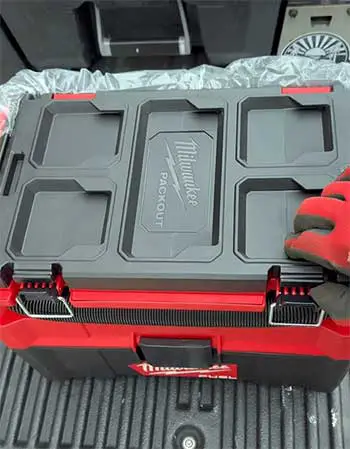
Let me tell you how this vacuum entered my life and quickly became something I reach for almost daily.
I picked up the Milwaukee M18 FUEL PACKOUT 2.5 Gallon Wet/Dry Vacuum a couple of years ago when I was deep into a garage renovation project.
Sawdust everywhere, spilled paint thinner, random screws scattered on the floor—it was a mess.
My old corded shop vac kept tripping over its own cord, and I was over it.
The first time I fired up the M18, I was impressed by how quickly it started.
No plugging in, no hunting for an outlet—just snap in a high-output battery, and you’re good. I started with dry cleanup, sucking up fine drywall dust and larger wood chips from cutting shelves.
The suction pulled everything in smoothly, even through the crevice tool for tight corners. What surprised me most was how quiet it ran compared to my old screaming vac. I could actually hear my podcast while cleaning.
Then came the real test: a wet spill. I knocked over a bucket of soapy water mixed with sawdust. Normally, that would mean switching tools or waiting for it to dry, but with this M18, I just kept going.
It handled the slurry without hesitation, no sputtering or loss of power. The tank filled up fast in that mess, but emptying it was straightforward—pop it off the PACKOUT base, dump, and rinse.
I’ve taken it on jobsites too, stacking it right onto my rolling PACKOUT system. Portability is huge when you’re moving between rooms or vehicles. Cleaning out my truck bed after hauling mulch?
Effortless. The hose reaches well enough for interior car detailing, picking up crumbs, pet hair, and even small gravel without clogging immediately.
Battery life has been solid for my needs. With a 8.0 Ah high-output battery, I get around 20-25 minutes of continuous use, which is plenty for most quick cleanups. On lighter tasks, it stretches longer.
I’ve paired it with tool-activated dust extraction on my M18 grinder, and the auto-start feature is brilliant—it kicks on only when the tool does, saving battery.
One weekend, I used it for a full shop overhaul. Started in the morning with a fresh battery, vacuumed benches, floors, even blew out cobwebs with the blower mode on some attachments. By afternoon, switched batteries and kept going.
No downtime waiting for cords or outlets. It felt liberating.
Of course, it’s not flawless—I’ll get to that—but in real-world use, this vacuum has saved me hours of frustration. If you’re in the M18 ecosystem already, it integrates perfectly. Even if you’re not, the performance stands on its own.
I’ve recommended it to friends in construction and woodworking, and they’ve all come back saying the same: it’s a reliable workhorse that makes cleanup less of a chore.
Also Read: Is PRETTYCARE Cordless Vacuum Worth It?
What Makes The Milwaukee M18 Vacuum Stand Out
- Unmatched Suction Power in a Cordless Package
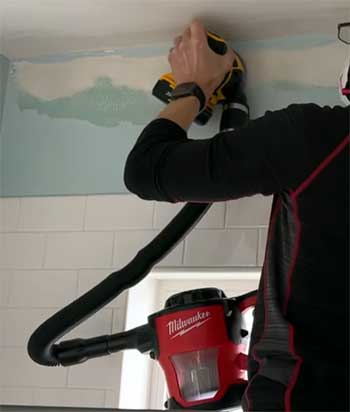
You know that feeling when a vacuum promises power but barely picks up anything heavier than dust bunnies?
That’s not the case here.
The M18 FUEL motor delivers serious suction—Milwaukee claims up to 60% more in the PACKOUT model compared to previous generations.
In my experience, it easily handles nails, screws, wood shavings, and even small puddles without bogging down.
I’ve compared it side-by-side with corded vacs in the 3-4 peak HP range, and it holds its own for most tasks.
The brushless motor keeps the power consistent, no fading as the battery drains. For jobsite debris or garage messes, this level of pull means faster cleanups and less passing over the same spot.
- Quiet Operation That Won’t Ruin Your Day
One thing I appreciate every single time I use it is how quiet this vacuum runs. Traditional shop vacs sound like jet engines, forcing you to wear ear protection or rush through the job. The M18 operates around 87 dB, which is noticeably lower.
I can clean up while the family is home without disturbing anyone. On a recent project in my basement, I vacuumed late into the evening—no complaints from upstairs. This quieter design comes from the efficient motor and sound-dampening features, making it practical for indoor use or noise-sensitive areas.
- Seamless Integration with the PACKOUT System
If you’re already invested in Milwaukee’s modular storage, this vacuum is a no-brainer. The PACKOUT-compatible base lets it stack securely on your rolling tower. I love wheeling my entire setup—tools on bottom, vacuum on top—straight to the work area.
No separate cart needed. It locks in solidly, even over bumpy driveways. This integration turns cleanup into part of your workflow rather than an afterthought.
- Versatile Wet and Dry Capability
You get true wet/dry performance without switching filters or modes. I’ve gone from dry sawdust to wet concrete slurry in the same session, and it transitions effortlessly. The HEPA filter option traps fine particles, which is crucial for health on dusty jobs.
Accessories like the floor nozzle, crevice tool, and extension wands cover everything from broad sweeps to tight spaces.
- Impressive Battery Runtime and Compatibility
Running on the M18 platform means access to batteries you probably already own. With high-output packs, runtime stretches far enough for substantial jobs. I’ve gotten over 30 minutes on eco mode for light tasks.
Quick swaps keep you going, and the power doesn’t drop off dramatically until the battery is nearly dead.
- Built for Real-World Abuse
Milwaukee designs these for pros, so the construction feels solid. Reinforced hose connections, durable tank material, and impact-resistant components handle drops and knocks better than cheaper alternatives. I’ve bumped mine around trucks and ladders without issues.
Areas Where The Milwaukee M18 Vacuum Could Improve
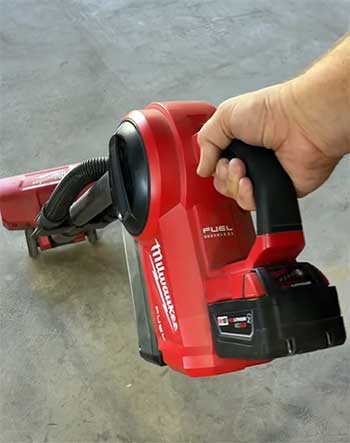
- Battery Life Limitations on Demanding Jobs: While runtime is good for quick tasks, heavy continuous use drains batteries faster than I’d like. On max power with a standard 5.0 Ah battery, you’re looking at 15-20 minutes. For all-day jobs, you’ll need multiple high-capacity packs.
- Occasional Clogging with Fine Dust: Fine particles like drywall dust can clog the filter quickly, reducing suction. It happens to most vacs, but I’ve had to stop and clean the filter mid-job more often than with some competitors.
- Hose Length and Flexibility Issues: The standard hose feels a bit short for reaching high areas or large spaces. It’s stiff at first, though it loosens with use. Extensions help, but they’re extra cost.
- Higher Price Point: You pay a premium for the Milwaukee name and ecosystem. If you’re not already in M18, the initial investment stings compared to basic corded options.
- Plastic Components Vulnerability: While tough overall, some lower plastic parts can crack if you drop the unit from height. I’ve been careful, but I’ve heard stories from others.
Also Read: Is MOOSOO Cordless Vacuum Worth It?
Keeping Your Milwaukee M18 Vacuum Running Like New
Maintenance is key to getting the most out of any tool, and with the M18 vacuum, a little regular care goes a long way toward maintaining that strong suction and extending its life. I treat mine like any other power tool—clean it after tough jobs, and it rewards me with consistent performance.
Start with the filter—it’s the heart of the system. After every use, especially dusty ones, I remove the filter and tap it gently against a trash can to knock off loose debris. Milwaukee recommends against washing the standard filter unless it’s the washable version, because water can cause clumping or mold.
Instead, use compressed air from the clean side out to push dust through. I do this weekly, and it keeps airflow strong. For HEPA filters, replacement every few months on heavy use prevents fine particle buildup that strains the motor.
Emptying the tank is straightforward but important. After wet pickup, I always rinse the canister with clean water and let it air dry completely before storage. This prevents mold or odors. For dry debris, just dump and wipe down if needed.
I check the float valve—that little cage that stops water from reaching the motor—and clean any gunk around it.
The hose and accessories deserve attention too. I run a long brush or compressed air through the hose to clear blockages. Storing the hose loosely coiled prevents kinks that restrict flow. I inspect crevice tools and nozzles for cracks, replacing worn ones promptly.
Battery care ties into vacuum performance. I store batteries in a cool, dry place and rotate them to avoid deep discharges. Cleaning the battery contacts with a dry cloth ensures good connection—no power issues from corrosion.
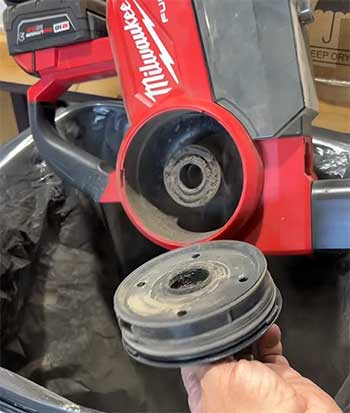
Lubrication isn’t needed on the motor, but I periodically check all latches, wheels on rolling models, and PACKOUT connectors for wear.
A quick wipe-down of the exterior keeps dirt from building up in crevices.
For long-term storage, I remove the battery, clean everything thoroughly, and store in a dry spot.
This prevents issues from moisture or dust settling in.
One tip I’ve learned: pre-filter bags for really messy jobs capture debris before it hits the main filter, making cleanup easier and extending filter life. They’re not cheap, but worth it for concrete or insulation work.
If you notice reduced suction, systematically check for clogs—hose first, then filter, then tank. Most “problems” I’ve fixed myself this way.
Following these steps, my M18 vacuum has stayed reliable through hundreds of uses. It’s not maintenance-heavy, but consistency pays off in power and durability. You’ll find it runs like day one for years.
How The Milwaukee M18 Vacuum Compares To Other Brands?
- Milwaukee Versus DeWalt Cordless Vacuums
When you put the M18 head-to-head with DeWalt’s 20V wet/dry options, suction often goes to Milwaukee. I’ve tested both, and the M18 pulls harder on heavy debris like screws or wet sawdust. DeWalt shines in runtime sometimes, especially with their FlexVolt batteries giving longer sessions on lower power.
Build quality feels similar—both rugged—but Milwaukee’s quieter operation and PACKOUT integration give it an edge for organized pros. DeWalt’s hose is more flexible out of the box. Price-wise, they’re close, but if you’re in Milwaukee’s ecosystem, the M18 wins for seamless battery sharing.
- Milwaukee Against Ridgid Shop Vacs
Ridgid offers lifetime warranties on some models, which is tempting, but their cordless lineup lags in power compared to M18 FUEL. The Milwaukee sucks up larger messes faster and handles fine dust better with optional HEPA.
Ridgid vacs are often cheaper and have larger tanks in similar sizes, making them great for big spills. Portability favors Milwaukee with lighter weight and better stacking options. For pure value on basic cleanup, Ridgid competes well, but Milwaukee feels more premium and powerful.
- Milwaukee Compared To Makita Cordless Options
Makita’s 18V vacs are lightweight and reliable, with excellent battery efficiency stretching runtime further than Milwaukee on equivalent packs. However, suction power doesn’t match the M18 FUEL—I’ve seen Makita struggle with heavier wet messes where Milwaukee powers through.
Makita builds quiet tools too, close to Milwaukee’s levels. If ergonomics and long runtimes matter most, Makita is strong, but for raw cleaning performance on tough jobsites, the M18 pulls ahead.
- Milwaukee Versus Ryobi for Budget Buyers
Ryobi provides affordable cordless vacs with decent performance for DIYers. They’re lighter on the wallet and offer bigger tanks sometimes. But when you compare suction, the M18 dominates—Ryobi feels underpowered on construction debris.
Battery life is comparable in the ONE+ HP line, but Milwaukee’s brushless motor delivers more consistent power. If you’re casual, Ryobi saves money without huge sacrifices. For professional demands, Milwaukee justifies the extra cost with superior strength and durability.
- Milwaukee Stacked Up Against Dyson for Home Use
Though Dyson excels in household stick vacuums, their shop-style options don’t compete directly with M18 wet/dry capability. Dyson offers laser-guided floors and auto-adjust, but lacks the tank size and raw power for jobsite messes.
Milwaukee handles liquids and heavy debris far better. Dyson runs quieter and maneuvers easier in homes, but for workshop or garage versatility, M18 is the clear choice.
Also Read: Is Eureka AirSpeed Vacuum Worth It?
Frequently Asked Questions (FAQ)
Filter clogging from fine dust, shorter battery life on heavy use, occasional switch failures, and hose blockages.
It’s built tough for jobsite conditions with reinforced components, but plastic parts can crack if dropped from heights—handle with care for longevity.
The Dyson Gen5detect tops most rankings for its powerful suction, smart features, and overall cleaning performance.
The M18 FUEL PACKOUT 2.5 Gallon Wet/Dry Vacuum stands out as the most powerful in its small-capacity class, with larger 6-gallon models offering high performance too.
Final Thoughts
After years of daily use, I can confidently say the Milwaukee M18 vacuum is one of the best investments I’ve made for my workshop and jobsites. The combination of cordless convenience, strong suction, and smart features outweighs the minor drawbacks.
If you’re ready to ditch cords and step up your cleanup game, buy one today. You’ll save time, reduce frustration, and keep your spaces cleaner than ever. It’s a tool that delivers real value—go for it.