
I’ve spent years tackling home renovations and construction gigs, and let me tell you, the Milwaukee framing nailer has changed how I work. If you’re tired of unreliable tools that slow you down, this one’s a game-changer.
It’s powerful, reliable, and built to last through tough jobs. You owe it to yourself to pick one up – it’ll make your projects faster and easier, saving you time and frustration.
Trust me, once you try it, you’ll wonder how you ever managed without it.
My Hands-On Time With The Milwaukee Framing Nailer
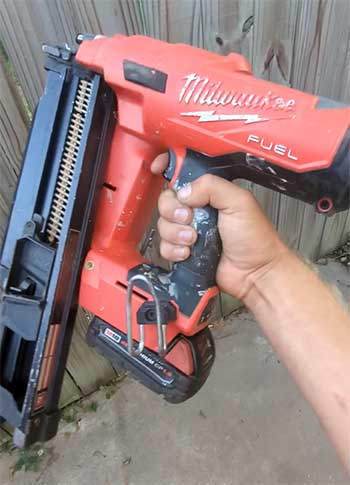
I remember the first time I unboxed my Milwaukee framing nailer – it was like Christmas morning for a tool enthusiast.
I’d been using older pneumatic models for ages, dragging around hoses and compressors that always seemed to get in the way.
Switching to this battery-powered beast felt liberating from the start.
I charged up the M18 battery, loaded in some 30-degree nails, and headed straight to a deck rebuild project at my buddy’s place.
Right away, the weight balance impressed me.
It’s not too heavy, around 9 pounds, so I could swing it overhead without my arms giving out after a few hours.
We were framing out the support beams, and I fired nail after nail into pressure-treated lumber without a single jam.
The sequential firing mode let me place nails precisely where I needed them, while the bump-fire option sped things up when we hit longer runs. You know that satisfying “thunk” when a nail sinks perfectly? This tool delivers it every time.
Over the next few weeks, I put it through its paces on a garage addition. Rainy days didn’t stop us because no air lines meant no worries about moisture in the system. The LED light came in handy during those dim corners, illuminating my work area so I didn’t squint or miss spots.
Battery life held up well too – one charge got me through about 700 nails before needing a swap, and with extras on hand, downtime was minimal. I even tested it on harder woods like oak framing, and it punched through without hesitation.
What really sold me was the safety features. The dry-fire lockout prevented me from damaging the tool or the wood when nails ran low, and the rafter hook kept it secure on my belt during climbs.
Sure, there were moments when I wished for a bit more depth adjustment finesse, but overall, it handled everything I threw at it. By the end of the project, my back thanked me for ditching the compressor, and the clean, professional results spoke for themselves.
If you’re like me and value efficiency on the job, this nailer’s performance will make you smile every time you pull the trigger.
Also Read: Comparison of Wiha And Knipex Tools.
Pros of The Milwaukee Framing Nailer
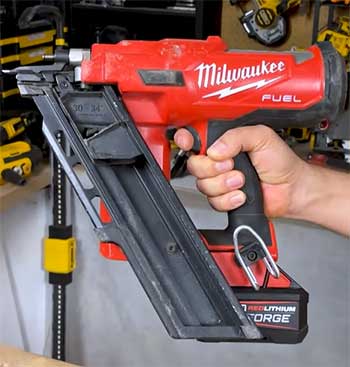
- Impressive Power Delivery: You and I both know that power is key in a framing nailer, and this Milwaukee model doesn’t disappoint. Running on an 18V battery, it drives nails up to 3-1/2 inches long with force that rivals gas-powered options. I’ve nailed into dense engineered lumber without any kickback issues, making it feel like an extension of my arm rather than a tool fighting against me.
- Battery Life That Keeps Up: One thing I appreciate is how long the battery lasts. On a full charge, I’ve squeezed out hundreds of nails before recharging, which means less interrupting your workflow. Swapping batteries is quick, and if you already own other Milwaukee tools, those packs work interchangeably – a smart move that saves you money in the long run.
- Ergonomic Design for All-Day Use: Comfort matters when you’re on the job for hours. The grip on this nailer fits my hand perfectly, reducing fatigue, and the adjustable exhaust keeps debris away from your face. I love the rafter hook too; it clips easily to my tool belt, freeing up my hands for climbing or carrying materials.
- Versatile Firing Modes: Whether you prefer precise shots or rapid firing, this tool has you covered. Sequential mode ensures accuracy for detailed work, while contact actuation lets you bump-fire for speed. I’ve switched between them seamlessly during projects, adapting to whatever the task demands without fumbling around.
- Built-In Safety Features: Safety isn’t an afterthought here. The no-mar tip protects your surfaces from dings, and the dry-fire lockout stops you from firing blanks that could wear out the driver. I’ve avoided plenty of mishaps thanks to these, giving me peace of mind especially when working around others.
- Reliable Jam Clearing: Jams happen, but clearing them on this Milwaukee is straightforward. A quick-release mechanism lets you access the nose without tools, so you’re back in action fast. In my experience, jams are rare anyway, thanks to the smooth feeding system.
- LED Work Light Integration: Working in low-light areas? The built-in LED lights up your target, helping you nail accurately even in shadows. It’s a small feature, but one I’ve come to rely on during early mornings or inside structures.
- Compatibility with Milwaukee Ecosystem: If you’re invested in Milwaukee’s lineup, this nailer fits right in. Sharing batteries and chargers across tools streamlines your kit, and I’ve found the overall quality matches what I expect from the brand.
Cons of The Milwaukee Framing Nailer
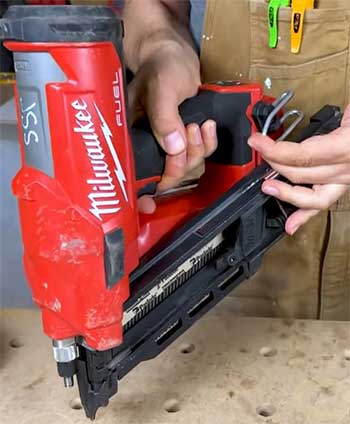
- Higher Initial Cost: Let’s be real – this isn’t the cheapest option out there. The battery and charger add to the price if you don’t already have them, which might make you hesitate if you’re on a tight budget. I’ve felt the sting of that upfront investment, but it pays off over time.
- Weight Compared to Pneumatics: While balanced, it’s heavier than some air-powered models due to the battery. If you’re used to lighter tools, your arms might notice after extended use. I manage fine, but it’s worth considering for all-day jobs.
- Limited Nail Angle Options: This model sticks to 30-degree nails, which works for most framing, but if you need 21-degree for certain codes or preferences, you’ll have to look elsewhere. I’ve adapted, but it could limit versatility for some users.
- Battery Dependency Issues: No cord means freedom, but if you forget to charge, you’re stuck. I’ve learned to keep spares ready, yet in remote spots without power, recharging can be a hassle compared to gas alternatives.
- Depth Adjustment Precision: The depth control is functional, but I’ve wished for finer increments at times. It works for general framing, but perfectionists might find it a tad coarse for finish work.
- Noise Level During Operation: It’s not whisper-quiet – the motor whirs and the impact is audible. In quiet neighborhoods or indoor settings, you might draw complaints, though ear protection helps as always.
Also Read: Comparison of Icon Tools And Snap-on.
Maintenance Tips For Your Milwaukee Framing Nailer
- Daily Cleaning Routine: After every use, I make it a habit to wipe down the exterior with a soft cloth to remove dust and debris. Pay special attention to the nose and magazine – a quick brush-out prevents buildup that could lead to jams. You should do this too; it only takes a minute and keeps things running smooth.
- Lubrication Best Practices: Though battery-powered, moving parts still need care. I apply a light oil to the driver blade and contact arm every few hundred nails. Avoid overdoing it to prevent attracting dirt. Check your manual for the right type – using the wrong stuff can gum up the works.
- Battery Care and Storage: Batteries are the heart of this tool, so treat them right. I store mine in a cool, dry place away from extreme temperatures. Charge them fully before long storage, and rotate through your packs to even out wear. If you notice swelling or reduced runtime, replace immediately to avoid safety risks.
- Inspecting for Wear and Tear: Regular checks are crucial. I examine the driver blade for chipping or dullness monthly, replacing if needed. Look at the O-rings and seals too – dry or cracked ones can cause air leaks in the mechanism, even if it’s not pneumatic. Catching issues early saves you from breakdowns mid-project.
- Jam Prevention Strategies: To minimize jams, always use compatible nails – clean, collated properly, and the right size. I load the magazine carefully, ensuring nails sit straight. If a jam occurs, power off, remove the battery, and clear it gently without forcing parts.
- Seasonal Maintenance Checks: Before winter or summer hits, I give the nailer a thorough once-over. In cold weather, batteries drain faster, so warm them up indoors. Heat can degrade components, so avoid leaving it in a hot truck. Adjust your routine based on climate to extend lifespan.
- Professional Servicing When Needed: While I handle most upkeep myself, some things call for pros. If the motor sounds off or firing is inconsistent, take it to a Milwaukee service center. Annual tune-ups keep warranties intact and ensure peak performance.
- Accessory Upkeep: Don’t forget extras like the no-mar tip or belt hook. Clean them with the tool, and replace if damaged. I keep spares on hand – a worn tip can mar your wood, ruining finishes.
Comparing The Milwaukee Framing Nailer To Other Brands
- Milwaukee Vs. Dewalt Framing Nailer
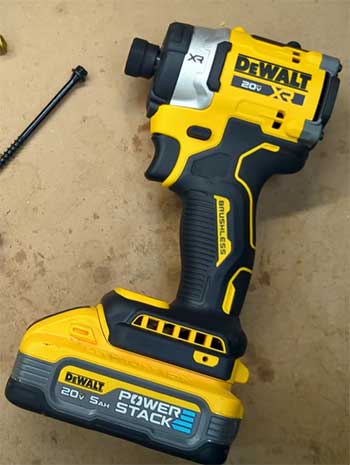
You and I might debate which brand rules the cordless game, but pitting Milwaukee against Dewalt’s framing nailer shows some clear winners in certain areas.
I’ve used both extensively on framing jobs, and Milwaukee’s M18 model edges out Dewalt’s 20V Max in power consistency.
When I’m driving long nails into dense wood, Milwaukee punches through without bogging down, while Dewalt occasionally hesitates on tougher materials.
Battery life is a toss-up – both last through a solid day’s work with around 700 nails per charge, but if you already own Milwaukee packs, the interchangeability gives it a leg up over Dewalt’s ecosystem.
Ergonomically, Milwaukee feels more balanced in my hand, with a rubberized grip that doesn’t slip even when sweaty, compared to Dewalt’s slightly bulkier design that can fatigue my wrist after hours.
Safety features are similar, like dry-fire lockouts, but Milwaukee’s LED light is brighter, helping in dim spots where Dewalt’s falls short. Price-wise, Dewalt might save you a few bucks upfront, especially on bundles, but Milwaukee’s build quality means fewer repairs down the line.
If you’re deep into Dewalt tools, stick with them for compatibility; otherwise, Milwaukee’s reliability makes it my pick for demanding projects.
- Milwaukee Vs. Bostitch Framing Nailer
Switching gears to Bostitch, their framing nailer – often the pneumatic BTF2190 – brings a different flavor compared to Milwaukee’s cordless setup. I’ve hauled both around sites, and Bostitch wins on weight; it’s lighter without the battery, making it easier for overhead work where Milwaukee’s 9 pounds start to feel heavy.
But that lightness comes at a cost – you need a compressor and hoses, which tangle up and limit mobility, something I love avoiding with Milwaukee’s battery freedom.
Performance-wise, Bostitch drives nails flush and fast, with adjustable depth that’s a hair more precise than Milwaukee’s, ideal for picky finish work. However, jams crop up more often in Bostitch due to its magazine design, and clearing them requires tools, unlike Milwaukee’s quick-release.
Durability is solid on both, but Milwaukee’s metal components hold up better against drops than Bostitch’s plastic-heavy build. Cost is Bostitch’s strong suit – it’s cheaper to start with, no batteries needed, but ongoing air compressor maintenance adds up.
If you’re okay with cords and want affordability, go Bostitch; for untethered efficiency that matches my workflow, Milwaukee takes it.
- Milwaukee Vs. Ryobi Framing Nailer
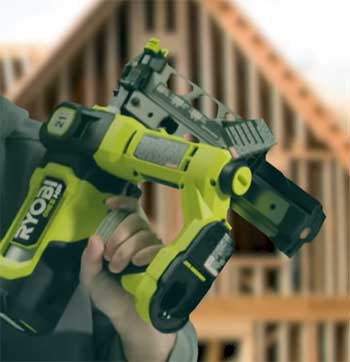
Now, let’s talk Ryobi’s framing nailer, like their 18V One+ model, which appeals to budget-conscious folks like you and me starting out.
I’ve tested it alongside Milwaukee on home DIY frames, and right away, Milwaukee outperforms in power – it sinks 3-1/2 inch nails deeper and quicker into hardwoods, where Ryobi struggles and sometimes misfires.
Battery compatibility is a shared strength if you’re in either ecosystem, but Milwaukee’s packs last longer, giving me more nails per charge without swaps.
Design differences stand out: Ryobi is lighter and more compact, great for tight spaces, but its plastic housing feels less rugged than Milwaukee’s reinforced frame, which I’ve dropped multiple times without issues.
Firing modes are comparable, with sequential and bump options, though Milwaukee’s trigger is smoother and less prone to accidental fires. Maintenance is simpler on both being cordless, but Ryobi’s jam clearing can be finicky, requiring more patience than Milwaukee’s straightforward access.
Price is where Ryobi shines – it’s often half the cost, making it tempting for occasional use, but for pros or heavy DIYers, Milwaukee’s longevity justifies the extra spend. If value over premium build is your thing, Ryobi works; personally, I lean Milwaukee for jobs that demand no compromises.
Frequently Asked Questions (FAQ)
It’s excellent for framing tasks, with strong power and reliable performance on various woods.
Milwaukee tops many lists for cordless models due to durability and battery integration.
30-degree offers more nails per clip and better access in tight spots; 21-degree suits full-round heads for codes.
It uses 30-degree paper-collated nails, from 2 to 3-1/2 inches long, full round or clipped head.
Wrapping Up: Make The Milwaukee Framing Nailer Yours Today
After all my time with it, I stand by the Milwaukee framing nailer as a top choice. It’s reliable, powerful, and makes jobs enjoyable.
If you’re ready to upgrade your toolkit, grab one now – you won’t regret the investment in quality and convenience.