
As someone who’s spent years battling patchy spots and chasing that perfect deep green in my own yard, I’ve turned to both Milorganite and Ironite more times than I can count.
My main intent here is to give you a clear, straightforward comparison of these two products so you can figure out which one — or if both — belongs in your lawn care routine.
I’ll walk through their features, strengths, weaknesses, and real-world differences to help you get the healthiest, most vibrant grass possible.
| Aspect | Milorganite | Ironite |
| NPK Ratio | 6-4-0 | 1-0-1 |
| Iron Content | 2.5–4% | 20% |
| Primary Nutrient Focus | Nitrogen (slow-release) with balanced support | Iron supplement with minimal nitrogen |
| Release Type | Slow-release (8–10 weeks) | Fast-acting |
| Organic or Synthetic | Organic (microbe-based) | Mineral-based |
| Burn Risk | Virtually none | Possible with overuse |
| Staining on Concrete | No | Yes |
| Soil Improvement | Adds organic matter, improves structure | Minimal |
| Best For | Long-term feeding and soil health | Quick color boost and iron deficiency correction |
| Pet and Kid Safety | Very high | Generally safe when dry |
Key Differences Between Milorganite And Ironite
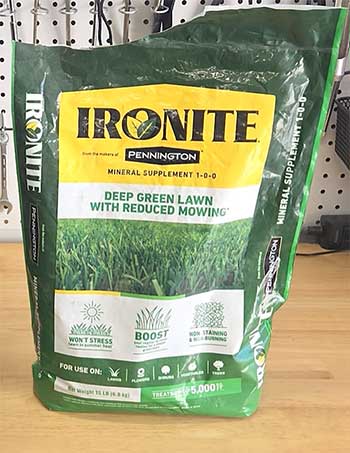
- Nutrient profile and purpose: Milorganite is a complete, balanced fertilizer with a 6-4-0 NPK ratio that supplies meaningful amounts of nitrogen for steady top growth and phosphorus for strong roots, plus iron as a bonus. Ironite, with its 1-0-1 ratio, is essentially a specialized iron supplement — it delivers almost no usable nitrogen or phosphorus, so it’s not feeding the grass in a traditional sense but targeting chlorophyll production for color.
- Speed of results: Milorganite works gradually; the organic nitrogen and iron become available only as soil microbes break them down, so you see steady, natural improvement over 1–3 weeks. Ironite acts much faster — the highly soluble iron is plant-ready almost immediately, often giving you noticeably darker green grass in 3–7 days.
- Soil health impact: Milorganite adds about 4–6% organic matter with every application, which feeds earthworms and beneficial microbes, loosens compacted soil, and improves water-holding capacity over time. Ironite provides virtually no organic matter or microbial stimulation, so it does nothing to build or amend the soil structure long-term.
- Safety margin: Milorganite is extremely forgiving — even if I spread it heavier than recommended, I’ve never seen burn because the nutrients release too slowly to overwhelm the grass. Ironite carries more risk; applying too much, especially in hot or dry weather, can temporarily blacken grass blades or, in extreme cases, cause actual burn.
- Duration of effect: A single Milorganite application keeps feeding for 8–10 weeks (sometimes longer in cooler weather), meaning fewer trips with the spreader. Ironite’s quick-release iron typically lasts 3–6 weeks before color starts fading, so you’ll need to reapply more often to maintain the dark green look.
- Iron delivery method: Milorganite’s 2.5–4% iron is organically bound and non-staining — it won’t rust your driveway, sidewalks, or shoes. Ironite’s 20% iron is mineral-based and highly soluble, which makes it powerful for greening but also prone to leaving stubborn orange-brown stains on concrete and other hard surfaces.
- Environmental footprint: Milorganite is made from recycled wastewater microbes, turning a potential waste product into a nutrient source and reducing landfill contributions. Ironite is derived from mined iron minerals, which involves extraction and processing with a larger direct mining impact and less emphasis on closed-loop sustainability.
- Best use scenarios: Milorganite is my go-to for routine seasonal feeding, building resilient turf, and improving poor soils over multiple years. Ironite shines when I need a rapid cosmetic fix — correcting true iron chlorosis in alkaline soils, prepping the lawn for photos or events, or maintaining deep color without encouraging excessive blade growth that demands extra mowing.
Key Features of Milorganite
- Slow-release nitrogen that feeds steadily: The 6% nitrogen is primarily water-insoluble and organic, meaning it becomes available only as soil microbes decompose it — this gives my lawn consistent, even growth over 8–10 weeks without the peaks and crashes of synthetic quick-release fertilizers.
- Contains 2.5–4% non-staining iron: The iron is chelated naturally through the microbial process, so it delivers steady greening to grass blades while being gentle enough that it never leaves rust marks on my concrete paths or patio furniture.
- Adds organic matter to the soil: Each application contributes valuable humus-like material that increases soil porosity, boosts microbial activity, and helps retain moisture — something I’ve noticed makes my heavy clay soil much more workable over time.
- Non-burning formula: Because nutrients release so slowly, there’s practically zero risk of fertilizer burn, even if I miscalculate the spreader setting or apply during warmer weather.
- Safe for frequent use: I can reapply every 6–8 weeks throughout the growing season without worrying about salt accumulation or disrupting soil biology, making it ideal for a regular maintenance schedule.
- No unpleasant lingering odor after a day or two: The initial earthy/sewage scent is noticeable when spreading, but it dissipates quickly once watered in and rarely lasts beyond 24–48 hours.
Also Read: Comparison of HumiChar And Milorganite.
Pros of Milorganite
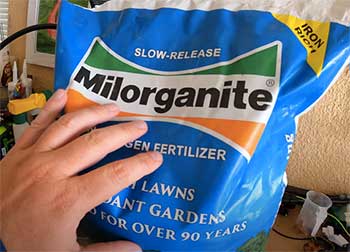
- Builds healthier soil over time: The organic matter in every application feeds earthworms and beneficial microbes, gradually creating a more vibrant soil ecosystem that improves drainage, nutrient retention, and overall turf resilience — benefits I’ve seen compound season after season.
- Provides balanced nutrition: With meaningful nitrogen for steady growth, phosphorus for deeper roots, and that steady iron for color, it supports all aspects of grass health without pushing unnatural spikes that lead to weak, floppy blades.
- Extremely safe for families and pets: Once watered in, I let my kids and dog play on the lawn the same day with zero worries, thanks to its non-toxic, organic nature and lack of harsh salts.
- Works in a wide range of conditions: Whether it’s scorching summer heat, early spring coolness, or variable fall weather, Milorganite performs reliably without restrictions on temperature or soil type.
- Environmentally responsible sourcing: It’s made from recycled wastewater nutrients, which diverts material from landfills and gives me peace of mind that I’m choosing a sustainable option over mined or synthetic alternatives.
- Cost-effective for large areas: One bag goes a long way with generous coverage rates, and since it feeds slowly, I end up buying and applying less product overall compared to faster-acting fertilizers.
- Promotes drought resistance: By improving soil structure and water-holding capacity, my lawn stays greener longer during dry periods, reducing the need for frequent watering.
Cons of Milorganite
- Slower visible results: When my lawn is looking washed-out and I want quick improvement, it often takes 7–14 days to see the full greening and growth response, which can feel frustrating in a hurry.
- Distinctive initial smell: Right after spreading, there’s a noticeable sewage-like odor that can linger for a day or two (even though it fades completely with rain or watering), and sensitive neighbors might comment.
- Lower potassium content: With essentially zero potassium in the formula, I sometimes need to add a separate potash source to ensure complete NPK balance, especially if soil tests show deficiencies.
- Heavier bags: The dense granules make 36-pound bags feel heavier to carry and pour compared to lighter synthetic products, which can be tiring on bigger yards.
- May attract wildlife temporarily: Raccoons, birds, or squirrels occasionally dig or scratch at freshly applied areas drawn to the organic matter, though this usually stops after a couple of days.
- Not ideal as a standalone iron fix: While it supplies decent iron, the concentration isn’t high enough to rapidly correct severe chlorosis in highly alkaline soils where iron is badly locked up.
Key Features of Ironite
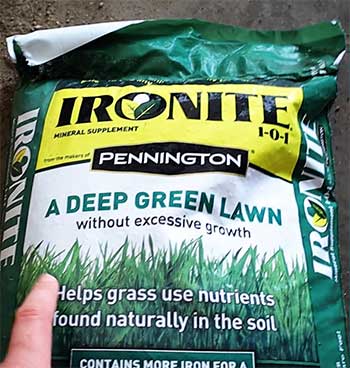
- Extremely high 20% iron concentration: This massive iron content — mostly in ferrous sulfate form — makes it one of the most potent iron supplements available, delivering far more iron per application than typical lawn fertilizers.
- Fast-acting greening: The soluble iron compounds become plant-available almost immediately after watering, producing visible deepening of color often within 72 hours of application.
- Low nitrogen to prevent growth surges: With only 1% nitrogen, it enhances chlorophyll production and darkens grass without triggering rapid vertical growth that would demand frequent mowing.
- Contains other micronutrients: Beyond iron, it includes sulfur, calcium, and small amounts of other trace elements that support general plant functions and can help in mildly acidic to neutral soils.
- Available in granular and liquid forms: The granular version spreads evenly with a broadcast spreader for whole-lawn treatments, while the liquid allows precise foliar spraying for spot corrections or quicker uptake.
- Works well on multiple plants: I’ve successfully used it not just on turfgrass but also on azaleas, roses, and trees showing classic interveinal yellowing from iron deficiency.
Also Read: Comparison of Milorganite And Sunniland Fertilizer.
Pros of Ironite
- Rapid, dramatic color improvement: It delivers that rich, dark green almost overnight — often within 3–5 days — making it my secret weapon when I need the lawn to look perfect for a weekend event or photos.
- Corrects iron chlorosis effectively: In high-pH soils where grass struggles to access iron, this high concentration breaks through the lockout and restores vibrant color without needing soil amendments first.
- Minimal growth stimulation: The low nitrogen means I get deeper green without a flush of fast blade growth that forces extra mowing every few days.
- Long shelf life: Unopened bags stay potent for years in the garage, so I can stock up without worrying about expiration or degradation.
- Visible results in days: It’s incredibly satisfying to see pale or yellow patches transform quickly, giving immediate feedback that the product is working.
- Complements other fertilizers: I love layering it over my regular feeding program to boost color while letting something like Milorganite handle the actual nutrition and soil building.
Cons of Ironite
- Can stain concrete and sidewalks: Stray granules left on driveways or patios oxidize into stubborn rust-colored spots that require pressure washing or acid cleaners to remove — a lesson I learned the hard way.
- Higher risk of overuse issues: Applying too heavily or in hot, dry conditions can cause temporary blackening of grass blades or even mild burn, so precise calibration of the spreader is essential.
- Short-term effects: The fast-acting iron washes out or gets used up relatively quickly, meaning color can fade in 4–6 weeks and I’ll need to reapply to keep the look consistent.
- Minimal soil-building benefits: Unlike organic options, it adds nothing to soil structure, microbial life, or long-term fertility, so it’s purely a cosmetic or corrective tool.
- Dustier application: The fine mineral particles kick up more dust during spreading, especially on windy days, which means wearing a mask and avoiding breathing it in.
- Not a complete fertilizer: With negligible nitrogen and phosphorus, it won’t support root development or sustained growth on its own — it’s always an add-on rather than a standalone solution.
My Real-World Experience Using Both
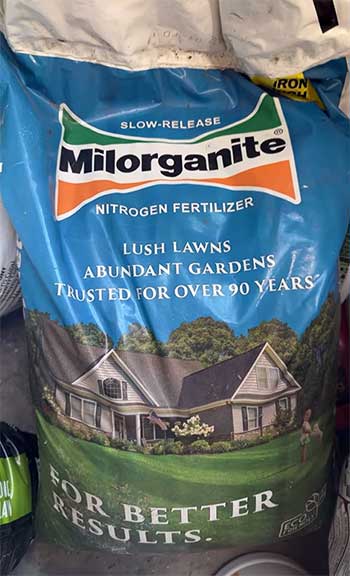
Over the years, I’ve developed a hybrid approach that gets the best from each.
In spring, I start with Milorganite for steady nutrition and soil conditioning.
By midsummer, when heat stress makes my cool-season grass look tired, I add Ironite for that instant color pop.
The combination gives me deep green without excessive growth or burn risk.
One season, my lawn developed yellow streaks from iron lockout in our alkaline soil.
Ironite fixed the color in less than a week, but I followed up with Milorganite to strengthen roots and prevent recurrence.
Another time, I relied only on Milorganite and got healthy, resilient grass that handled drought better than neighbors’ chemically fed lawns.
- When to Choose Milorganite Over Ironite?
If your goal is long-term lawn health, soil improvement, and low-maintenance feeding, go with Milorganite. It’s ideal for regular seasonal applications, families with pets, or anyone wanting an organic approach.
- When to Choose Ironite Over Milorganite?
Reach for Ironite when you need fast correction of pale or yellow grass, especially from iron deficiency. It’s perfect for quick cosmetic improvements or maintaining dark color without stimulating too much blade growth.
Also Read: Comparison of Moorganite And Milorganite.
Frequently Asked Questions (FAQ)
It depends on your needs. Milorganite is better for overall nutrition and soil health; Ironite is superior for quick, deep greening when iron deficiency is the issue.
Avoid applying during complete dormancy or extreme drought without irrigation. Also skip it if soil tests show excessively high phosphorus levels.
Yes — it provides 2.5–4% steady, non-staining iron that contributes to natural greening over time.
Excess can temporarily turn grass black, stain concrete orange-brown, or cause burning in hot, dry conditions.
Final Thoughts
After years of experimenting with both, I can say neither Milorganite nor Ironite is universally “better” — they simply do different jobs extremely well.
I’ve found that using Milorganite as my foundation gives me resilient, healthy grass that stands up to stress, while strategic hits of Ironite deliver that show-stopping color when I want it.
You might discover the same: start with your lawn’s specific needs, test both if possible, and you’ll end up with a yard that’s not just green, but truly thriving. Your grass — and your weekends — will thank you.