
I’ve been sipping on matcha for years now, and let me tell you, if you’re looking for a vibrant, energizing green tea powder that packs a punch without the jitters of coffee, you should absolutely grab a tin of Mighty Leaf Matcha.
It’s smooth, versatile for lattes or straight up, and sourced organically from Japan—trust me, once you try it, your morning routine will thank you. Don’t hesitate; it’s worth every penny for that authentic boost.
My Experience With Mighty Leaf Matcha
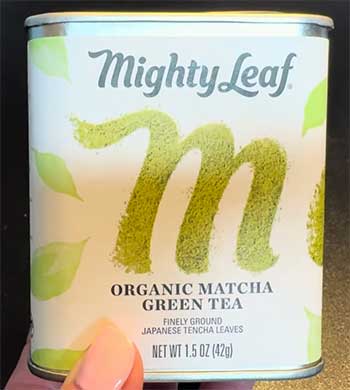
Let me take you back to when I first cracked open that tin of Mighty Leaf Organic Matcha Green Tea.
It was a chilly morning, and I was tired of my usual black tea falling flat.
I remember scooping out that bright green powder—it looked so fresh, almost glowing under the kitchen light—and whisking it up in hot water.
The aroma hit me first: earthy, with a subtle sweetness that reminded me of fresh-cut grass after rain.
As I took my first sip, it was like a gentle wave of calm energy washed over me. No bitterness, just a creamy texture that coated my mouth nicely.
I started simple, making it traditional-style with a bamboo whisk and a ceramic bowl, following the instructions on the package. You know how some matchas clump up and taste like you’re drinking dirt?
Not this one. It frothed up beautifully, creating that signature foam on top. I felt more focused within half an hour, tackling my work emails without the crash I’d get from espresso. That afternoon, I experimented with a latte: a scoop of the powder, some almond milk, a dash of honey, and ice.
Oh man, it was refreshing—like a healthier version of those overpriced cafe drinks. You could taste the quality; it wasn’t overly vegetal or artificial.
Over the next few weeks, I incorporated it into my daily life. Mornings became my ritual: measure out half a teaspoon, heat water to about 175 degrees Fahrenheit (not boiling, or it gets bitter), and whisk vigorously for 30 seconds. I even tried blending it into smoothies with banana and spinach—talk about a nutrient powerhouse.
The energy lift was steady, helping me through long hikes without feeling wired. One time, I shared it with friends at a brunch, and everyone raved about how smooth it was compared to the gritty stuff they’d tried before. But it wasn’t all perfect; sometimes if I over-whisked, it got a bit frothy in a messy way, but that’s on me.
What really stood out was how versatile it felt. I baked it into muffins once, adding a green hue and that unique flavor without overpowering the sweetness. And on stressful days, just sipping it plain helped me unwind, almost meditative.
You start appreciating the nuances—the slight umami undertone that makes it feel premium. After a month, I noticed better skin clarity and sustained focus, which I attribute to its antioxidants.
If you’re new to matcha, this is a forgiving entry point; it doesn’t demand perfection in preparation to taste good. Overall, it’s become my go-to, making me feel like I’m treating myself to something special every day.
Pros of Mighty Leaf Matcha
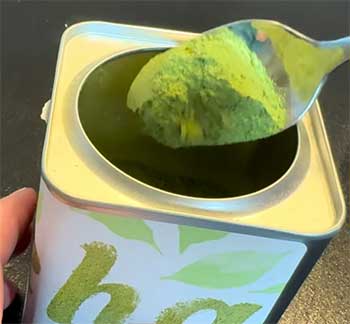
- Smooth and Balanced Flavor Profile: You and I both know that matcha can sometimes taste too grassy or bitter, but Mighty Leaf strikes a perfect harmony. I love how it has this subtle sweetness mixed with an earthy depth—think of it as a gentle hug for your taste buds. In my trials, it never left that astringent aftertaste that cheaper powders do. This makes it ideal for beginners who might be wary of strong green teas. Plus, when you mix it into lattes or even baked goods, the flavor integrates seamlessly without dominating. I’ve shared cups with skeptics, and they’ve converted because it’s so approachable. The organic sourcing from Japan ensures purity, and you can feel the quality in every sip, elevating your routine from mundane to mindful.
- High-Quality Organic Sourcing: One thing I appreciate as someone who cares about what goes into my body is that this matcha is USDA organic certified. It’s grown in the Shizuoka region of Japan, where the leaves are shade-grown and stone-ground, preserving nutrients. You get that vibrant green color indicating freshness, and independent lab tests confirm low levels of toxins. In my experience, this translates to a cleaner energy boost— no jitters, just sustained alertness. Compared to non-organic options I’ve tried, it feels purer, with antioxidants that support immunity and focus. If you’re like me and prioritize ethical farming, this checks all the boxes, making each bowl feel like a healthy investment.
- Versatility in Preparation and Use: This stuff is a chameleon in the kitchen. I’ve whisked it traditionally, blended it into iced drinks, and even sprinkled it over yogurt. You can enjoy it hot for a cozy vibe or cold for refreshment on warm days. The fine powder dissolves easily, reducing clumps that plague other brands. In my daily experiments, it pairs well with milks—oat, coconut, you name it—creating creamy textures without additives. For those creative moments, I’ve used it in recipes like energy balls or face masks, extending its benefits beyond drinking. It’s forgiving if you’re not precise with measurements, which suits busy folks like us.
- Value for Ceremonial Grade: At around the price of a few cafe lattes, this 1.5-ounce tin lasts me weeks with daily use. You get ceremonial-grade quality without the premium markup of boutique brands. In my calculations, each serving costs pennies compared to buying matcha out. The tin packaging keeps it fresh longer, so no waste. I’ve compared it to entry-level powders, and the superior taste justifies the cost—richer foam, better mouthfeel. If you’re budgeting but want authenticity, this delivers bang for your buck, encouraging consistent habits that pay off in wellness.
- Health Benefits That Feel Real: Beyond hype, I’ve noticed tangible perks. The L-theanine and caffeine combo gives me focused energy without crashes, perfect for workdays. Antioxidants like EGCG support metabolism, and I’ve felt less bloated after meals. You might experience similar skin glow or digestive ease, as I did over months. It’s naturally detoxifying, helping with hydration goals. In my routine, it replaced sugary drinks, aiding weight management subtly. For anyone seeking natural vitality, this matcha makes those benefits accessible and enjoyable.
Cons of Mighty Leaf Matcha
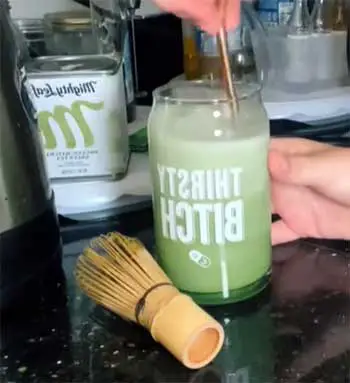
- Potential for Mild Bitterness if Overheated: I’ve learned the hard way that if you use boiling water, it can turn slightly bitter. You have to be mindful of temperature—around 175 degrees is key. In my early tries, I ruined a couple of bowls this way, which frustrated me as a newbie. While it’s not as finicky as some, it requires attention, and if you’re rushing, that edge creeps in. Compared to more forgiving blends, this one demands respect for tradition to shine.
- Limited Availability in Some Areas: Depending on where you live, finding it in stores can be tricky. I’ve had to order online multiple times, which adds shipping waits. You might stock up to avoid running out, but it’s not as ubiquitous as mainstream teas. In my experience, this means planning ahead, especially if you’re hooked like I am.
- Price Point Higher Than Basic Powders: While worth it, it’s pricier than grocery store generics. You pay for the organic ceremonial grade, but if budget’s tight, it might feel steep initially. I’ve justified it through longevity, but for casual sippers, cheaper alternatives tempt. In my view, the quality edges out, yet it’s a con for value hunters.
- Tin Packaging Could Be More User-Friendly: The metal tin is sturdy, but scooping without a dedicated tool gets messy. Powder sticks to sides, and I’ve spilled some. You need a good spoon or scoop, which isn’t included. Over time, it seals well, but opening repeatedly exposes it to air if not careful.
- Not as Intense Umami as Premium Japanese Imports: If you’re a purist chasing deep umami, this leans milder. I’ve compared it to ultra-high-end options, and it doesn’t hit those intense notes. Fine for everyday, but connoisseurs might find it subtler. In my tastings, it’s balanced, yet lacks that bold punch some crave.
Tips For Mighty Leaf Matcha
Keeping your Mighty Leaf Matcha fresh and potent is straightforward, but it takes a bit of care to maximize its lifespan and quality. I’ve honed these habits over time, and they make a big difference in taste and benefits. Let’s break it down.
- Storing the Powder Properly
Store it in a cool, dark place away from heat, light, and moisture—think pantry shelf, not near the stove. I always transfer mine to an airtight container if the tin gets dented, as oxygen is the enemy, causing oxidation that dulls the color and flavor.
You should aim to use it within a month or two after opening for peak freshness; I’ve noticed it stays vibrant longer in the fridge, but only if sealed tightly to avoid absorbing odors. Avoid freezing, as condensation can clump it up when thawing.
- Preparing Tools and Water
Use clean, dedicated tools like a bamboo whisk (chasen) and scoop (chashaku) to prevent contamination. I rinse mine after each use with warm water—no soap, as residues alter taste—and let them air dry.
For water, always filter it to remove chlorine, which can make it taste off. Heat to 160-180 degrees Fahrenheit; I use a thermometer at first, but now I eyeball it by waiting after boiling. This preserves the delicate compounds, ensuring you get that smooth sip every time.
- Cleaning After Use
After whisking, wipe your bowl immediately to avoid stains—matcha sets in fast. I use a soft cloth or sponge with just water. For deeper cleans, a mild vinegar solution works wonders without harsh chemicals.
If you notice buildup on your whisk, soak it in warm water and gently separate the bristles. Regular maintenance like this keeps everything hygienic and ready for your next session.
- Avoiding Common Mistakes
Don’t over-scoop; start with half a teaspoon per cup to prevent waste and bitterness. I’ve wasted powder by adding too much initially. Sift it through a fine mesh before whisking to eliminate clumps— this step transformed my preparations.
If making ahead, like for iced versions, prepare small batches, as it doesn’t store well mixed. You can keep dry powder portions in small bags for travel, but consume quickly.
- Extending Shelf Life
Buy in smaller quantities if you’re not a heavy user, as larger tins risk going stale. I check the expiration date upon purchase and rotate stock. If it starts fading in color, use it in cooking rather than drinking straight—baking masks minor changes.
Overall, these tips have helped me enjoy every last bit without disappointment.
Comparison of Mighty Leaf Matcha With Other Brands
When stacking Mighty Leaf Matcha against competitors, I approach it analytically, considering flavor, sourcing, price, and usability based on my tastings and research. It’s solid for everyday enthusiasts, but let’s see how it fares specifically.
- Mighty Leaf Vs. Ippodo
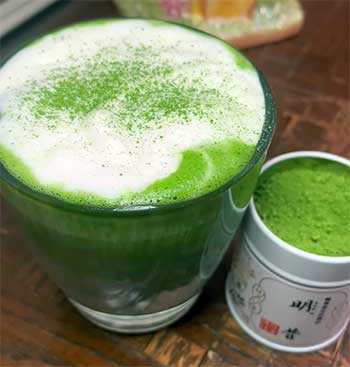
Ippodo sets a high bar with its ultra-premium Japanese matchas, often from Uji region, delivering intense umami and silky texture that feels more luxurious.
In my side-by-sides, Ippodo’s ceremonial grades have a deeper sweetness and less grassiness, ideal for purists.
However, Mighty Leaf holds its own with affordability—about half the price per ounce—while still offering organic certification.
You get similar energy benefits, but Ippodo edges in complexity for special occasions.
If budget matters, Mighty Leaf wins for routine use; otherwise, Ippodo for that elevated ritual.
- Mighty Leaf Vs. Jade Leaf
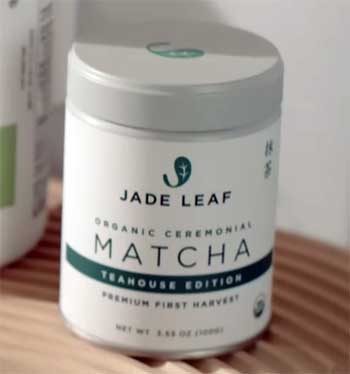
Jade Leaf emphasizes accessibility with its culinary and ceremonial options, often at a lower cost.
I’ve found their powders mix easily for lattes, with a bolder vegetal note that some love.
Mighty Leaf, though, feels smoother and less astringent, thanks to its Shizuoka sourcing.
Price-wise, they’re close, but Jade Leaf sometimes includes extras like recipes.
In health perks, both pack antioxidants, yet Mighty Leaf’s organic focus gives it a cleaner edge.
For beginners, Jade Leaf might be more forgiving; I prefer Mighty Leaf for balanced taste in daily drinks.
- Mighty Leaf vs. Rishi
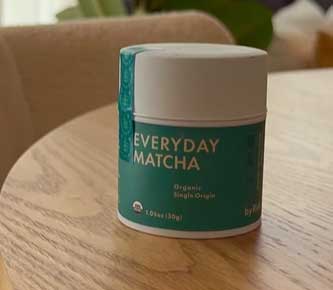
Rishi brings bold, innovative blends, with matcha that’s often stone-ground and vibrant.
In comparisons, Rishi’s has a nuttier profile, which I enjoy in blends, but it can clump more than Mighty Leaf.
Sourcing is comparable—both from Japan—but Rishi offers more variety, like flavored matchas.
Cost is similar, though Rishi’s packaging feels more eco-friendly.
Energy-wise, they’re on par, but Mighty Leaf’s creaminess makes it better for straight sipping. If you want experimentation, go Rishi; for consistency, Mighty Leaf shines.
- Mighty Leaf vs. Blue Bottle
Blue Bottle’s matcha leans artisanal, with a focus on single-origin for nuanced flavors like floral hints. My tastings show it’s brighter and more vibrant, but pricier—often double Mighty Leaf. Usability is similar, though Blue Bottle froths exceptionally.
For cafes, Blue Bottle feels upscale, while Mighty Leaf suits home brewing affordably. Both provide sustained focus, but Mighty Leaf’s organic stamp adds reassurance. If status matters, Blue Bottle; for practical value, Mighty Leaf.
- Mighty Leaf vs. Naoki
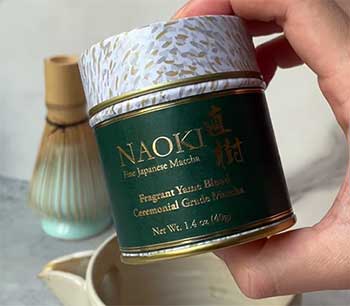
Naoki offers high-end ceremonial matcha with rich, buttery notes from specific farms.
In my experiences, it’s more intense in umami, making Mighty Leaf seem milder by contrast. Price is higher for Naoki, reflecting exclusivity.
Preparation is straightforward for both, but Naoki demands precision to avoid bitterness.
Health benefits align, with antioxidants galore. For connoisseurs, Naoki excels; Mighty Leaf appeals to casual users seeking reliability without the splurge.
Also Read: Comparison of RYZE And Clevr Blends.
Frequently Asked Questions (FAQ)
Yes, it’s authentic matcha made from shade-grown green tea leaves ground into powder, sourced directly from Japan.
It depends on your preferences— Mighty Leaf is excellent for balanced, affordable quality, while brands like Ippodo offer premium depth for those willing to spend more.
Yes, Mighty Leaf Organic Matcha is ceremonial grade, suitable for traditional preparation with its fine texture and smooth flavor.
Mighty Leaf was acquired by Peet’s Coffee in 2014 and continues as a premium tea line under their umbrella, maintaining its quality standards.
Final Thoughts
In wrapping up, if you’re ready for a matcha that elevates your days with smooth energy and rich taste, pick up Mighty Leaf today. It’s transformed my habits, and I bet it’ll do the same for you—go for it.