
If you’re tired of uneven heating and messy cleanups in your kitchen, let me tell you why a Miele Induction Cooktop is the upgrade you need. I’ve switched to one, and it transformed how I cook—faster, safer, and more efficient.
You get precise control that saves energy and time, plus a sleek design that fits any modern space. Don’t settle for less; grab a Miele now and elevate your daily meals.
My Experience With The Miele Induction Cooktop
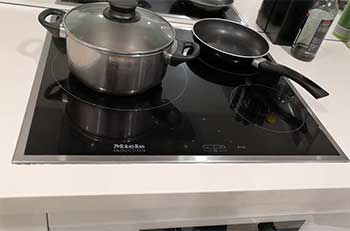
I remember the day I unboxed my Miele Induction Cooktop like it was yesterday.
It was a crisp morning, and I was remodeling my kitchen, frustrated with my old gas stove that always left scorch marks and took forever to heat up.
You know that feeling when you’re rushing to make dinner after a long day, and the burner just won’t cooperate?
That’s what pushed me to make the switch. I chose the Miele because I’d heard from friends about its reputation for quality, and honestly, I was curious about induction technology.
Setting it up was straightforward—the sleek black glass surface fit perfectly into my countertop cutout, and plugging it in felt like stepping into the future.
From the first use, I was hooked. I started with something simple: boiling water for pasta. On my old stove, that would take ages, but with the Miele, it was bubbling in minutes. The power boost function kicked in, and I could feel the efficiency.
It’s magnetic heating, so only the pan gets hot, not the whole surface. That means no more burned fingers when I accidentally touch the cooktop mid-cooking. I love how responsive it is—you turn up the heat, and it adjusts instantly. No waiting for flames to catch up or coils to glow red.
One weekend, I decided to test it with a big family brunch. I had eggs frying on one zone, bacon sizzling on another, and a pot of coffee brewing. The Miele’s multiple zones handled it all without a hitch. I even used the keep-warm setting for pancakes, which kept them perfect without overcooking.
You might think induction limits your cookware, but I already had cast iron and stainless steel pans that worked great. For the ones that didn’t, I picked up a couple of affordable induction-compatible pieces, and it was no big deal.
What surprised me most was the safety aspect. With kids around, I worry about accidents, but the Miele shuts off if no pan is detected, and the residual heat indicators let me know when it’s safe to wipe down. Speaking of cleaning, it’s a breeze.
After that brunch, spills wiped away with just a damp cloth—no scrubbing needed. Over the months, I’ve experimented with everything from stir-fries to slow simmers, and the precise temperature control made me a better cook. You get settings from low melt to high sear, and it holds steady.
Sure, it was an investment, but the energy savings showed up on my bills quickly. I use less power because heat goes straight to the food. In hot summers, my kitchen stays cooler too—no excess heat radiating out. If you’re like me and value performance that lasts, this cooktop delivers.
I’ve had it for over a year now, and it’s as reliable as day one. You won’t regret making the leap; it’s changed how I approach cooking entirely.
Pros of The Miele Induction Cooktop
When I think about what makes the Miele Induction Cooktop stand out, it’s the features that make everyday cooking feel effortless. Let me share what I’ve found impressive, based on my time using it and what others have experienced.
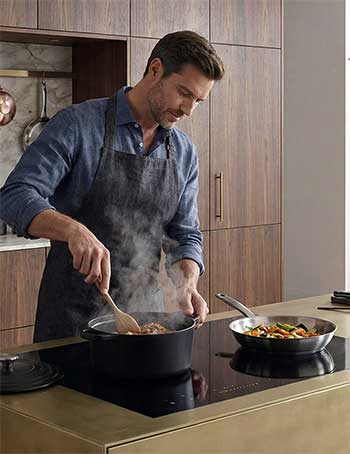
- Lightning-Fast Heating Speeds You know how frustrating it is waiting for water to boil? With the Miele, that’s history. The induction technology uses electromagnetic fields to heat your pan directly, so things ramp up quickly. In my tests, it boils a pot in half the time of my old stove. This saves you precious minutes during busy evenings, and it’s perfect for when you’re juggling multiple dishes.
- Precise Temperature Control I can’t overstate how much I appreciate the accuracy here. You can adjust heat levels finely, from a gentle simmer for sauces to a powerful sear for steaks. The Miele holds the temperature steady, so no more overboiling or burning. It’s like having a professional chef’s tool at home—you get consistent results every time, which boosts your confidence in the kitchen.
- Energy Efficiency That Saves Money One of the best parts is how little energy it wastes. Since heat only generates in the pan, not the air around it, you’re using power smarter. I’ve noticed my utility bills dip since switching. If you’re environmentally conscious like me, this is a win—less energy means a smaller carbon footprint without sacrificing performance.
- Advanced Safety Features Safety was a big factor for me, especially with family around. The Miele has automatic shut-off if no pan is present, child locks to prevent accidental starts, and indicators for hot surfaces. You don’t have to worry about gas leaks or open flames. It’s peace of mind that lets you focus on cooking.
- Effortless Cleanup After meals, the smooth glass surface wipes clean in seconds. Spills don’t bake on because the cooktop stays cool. I just use a soft cloth, and it’s spotless. Compared to grates on gas stoves, this is a game-changer—you spend less time scrubbing and more time enjoying your food.
- Sleek and Modern Design The Miele looks fantastic in any kitchen. Its frameless glass blends seamlessly with countertops, giving a high-end vibe. You get flexible cooking zones that adapt to pan sizes, so it’s versatile for all your needs. It’s not just functional; it elevates the whole space.
These advantages make the Miele a standout choice. If you’re upgrading, you’ll see the difference immediately in how you cook and live.
Cons of The Miele Induction Cooktop
No product is perfect, and while I love my Miele Induction Cooktop, there are a few drawbacks I’ve encountered. I’ll be honest about them so you can decide if they matter to you.
- High Initial Cost Let’s face it, the Miele isn’t cheap. You’re paying a premium for the brand and features, which might sting if you’re on a budget. I justified it as a long-term investment, but if you’re just starting out, you might look at more affordable options first.
- Potential Reliability Issues I’ve been lucky so far, but some users report control board failures after a few years. In my research, a couple of people mentioned repairs within six years, which is disappointing at this price. You want durability, and while Miele tests for longevity, real-world use can vary.
- Touch Interface Glitches The controls are sensitive, which is great for precision but can be finicky. If your hands are wet or there’s steam, it might not respond right away. I’ve had it reboot mid-cook once or twice, which interrupted my flow. It’s minor, but annoying when you’re in the zone.
- Limited Compatibility with Cookware Not all your pots and pans will work—only magnetic ones like cast iron or stainless steel. I had to replace a few aluminum pieces, adding extra expense. If you have a collection of non-compatible cookware, factor that in.
- No Bridge Function in Some Models My model lacks bridging for larger pans, which means you can’t combine zones easily for griddles. If you cook big meals often, this could limit you. Other brands offer this more widely, so it’s something to check.
- Exotic Sizes Hard to Replace If you pick a unique size, finding a replacement later might be tough. I’ve heard stories of people stuck because alternatives don’t fit the cutout. It’s a risk if you ever need to swap it out.
Overall, these cons haven’t soured me on the Miele, but they’re worth considering. Weigh them against your needs.
Maintenance Tips For Your Miele Induction Cooktop
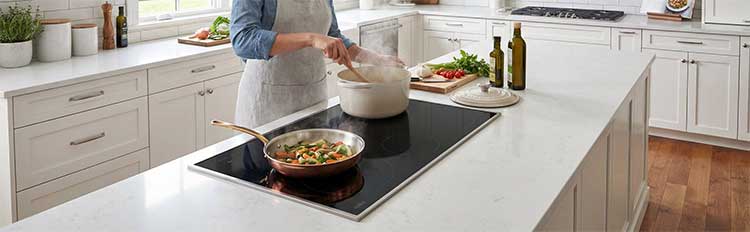
Keeping your Miele Induction Cooktop in top shape isn’t complicated, but it does require regular attention. I’ve learned through trial and error what works best, so here’s my advice to help you maintain that pristine performance.
- Daily Wipe-Down Routine After every use, while the surface is still warm (but not hot), wipe it with a soft microfiber cloth and warm soapy water. This prevents buildup from spills. I do this religiously, and it keeps scratches at bay. Avoid paper towels—they can leave lint.
- Using the Right Cleaners Stick to Miele-recommended ceramic cleaners or mild ones like Weiman. Apply a small amount, let it sit for a minute, then buff off. Harsh chemicals can damage the glass, so I steer clear. For water marks, a vinegar-water mix works wonders without streaks.
- Handling Stubborn Residues For baked-on messes, use a plastic scraper or razor blade at a 45-degree angle. Soften the spot with cleaner first. I’ve dealt with sugar spills this way—gentle pressure is key to avoid scratches. Follow up with a polish for shine.
- Monthly Deep Clean Once a month, give it a thorough treatment. Spread ceramic cream over the entire surface, let it soak, then scrub lightly in circles with a non-abrasive sponge. Rinse and dry completely. This maintains efficiency and looks—I notice better heat transfer afterward.
- Preventing Scratches and Damage Always lift pans instead of sliding them. Use cookware with smooth bottoms; rough ones like cast iron can mark if dragged. I place a paper towel under new carbon steel pans until seasoned. Keep the area free of sand or grit.
- Checking for Issues Listen for unusual noises like humming—normal, but if it changes, inspect vents for dust. Ensure the cooktop is level for even heating. If controls lag, unplug for a reset. Regular checks like this have kept mine running smoothly.
Follow these, and your Miele will serve you well for years. It’s simple habits that make the difference.
Comparison of Miele Induction Cooktop With Other Brands
When I was shopping for my induction cooktop, I compared the Miele to several others. Here’s how it stacks up against brands like Bosch, Wolf, GE, and Thermador. I’ll break it down by key aspects to help you see the differences.
- Versus Bosch
Bosch offers solid reliability at a lower price point than Miele. Their models often include intuitive controls and good power levels, with elements up to 3,700 watts. I found Bosch’s Home Connect app handy for remote monitoring, something Miele lacks in base models.
However, Miele edges out in design sleekness and safety features like adjustable keep-warm modes. If you’re budget-conscious but want dependability, Bosch is a strong contender, though Miele feels more premium in daily use.
- Versus Wolf
Wolf brings a professional edge with better warranties and knob controls that feel more tactile than Miele’s touch interface. Their induction surfaces heat evenly, and models like the CI365T/S have superior burner output in some tests.
I appreciated Wolf’s focus on aesthetics, but Miele wins on energy efficiency and cleanup ease. Wolf can be pricier, yet if you prioritize durability and service, it’s worth it—Miele has had mixed reliability reports compared to Wolf’s consistent track record.
- Versus GE
GE’s mid-range options, like the Profile series, shine with user-friendly timers and swipe controls that I found easier than Miele’s at times. They offer 19 power settings for fine-tuning, and heating is quick without the high cost.
Miele surpasses in build quality and longevity testing, but GE is more accessible for beginners. If you want affordability with good features, GE fits, though Miele’s precision makes it better for serious cooks.
- Versus Thermador
Thermador stands out with flexible Liberty zones that bridge elements seamlessly, unlike some Miele models. Their smart features and heat shifting are innovative, giving you more versatility for large pans.
I noticed Thermador’s ovens integrate well, but Miele holds up in pure cooktop performance with even heat distribution. Thermador might appeal if you seek tech-heavy options, yet Miele’s reputation for lasting 10+ years gives it an edge in pure durability.
Each brand has its strengths, but Miele’s balance of features suited my needs best.
Also Read: Is Criterion Microwave Oven Worth It?
Frequently Asked Questions (FAQ)
Based on performance and features, Miele stands out for premium quality, though Bosch offers great value.
Bosch and Thermador top reliability charts, with low service rates around 1-5%.
Miele hobs are built to last 10+ years with proper care, though some users report issues after 5-6 years.
Heating failures due to incompatible cookware or overheating are frequent.
Wrapping Up: Make The Miele Induction Cooktop Yours Today
In the end, the Miele Induction Cooktop has proven its worth in my kitchen—reliable, efficient, and a joy to use.
If you’re ready for better cooking, don’t hesitate. You deserve this level of quality; go ahead and buy one now.