
If you’re dealing with sticky humidity in your home, let me tell you right now—you need to grab the Midea 50 Pint Dehumidifier. I’ve been using mine for months, and it’s transformed my damp basement into a comfortable space without breaking a sweat.
It’s efficient, quiet, and packs features that make life easier. Don’t wait for mold or musty smells to take over; this unit is a game-changer for anyone in humid areas. Head to your nearest retailer or online store and pick one up—you won’t regret it.
My Experience With The Midea 50 Pint Dehumidifier
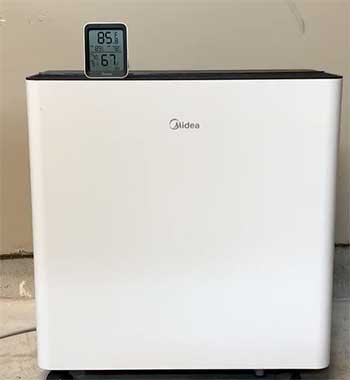
I remember the day I unboxed my Midea 50 Pint Dehumidifier like it was yesterday.
Living in a humid climate, my basement always felt like a swamp—clothes wouldn’t dry, and there was that constant musty odor that made me dread going down there.
I’d tried smaller units before, but they just couldn’t keep up.
So, when I decided to invest in this one, I was skeptical at first.
But from the moment I plugged it in, it started pulling moisture out of the air like a pro.
Setting it up was straightforward. I placed it in the center of my 2,000-square-foot basement, connected the hose for continuous drainage into a nearby sink, and set the humidity level to 45%. Within hours, I noticed a difference.
The air felt drier, and the built-in hygrometer showed the humidity dropping from 70% to 50%. That first night, it collected about 40 pints of water, which blew my mind. I didn’t have to empty the tank constantly because of the large capacity and the pump option, which pushes water upward if needed.
Over the next few weeks, I experimented with the smart features. The app integration is fantastic—I can check the humidity from my phone while I’m at work and adjust settings remotely.
One time, I forgot to turn it off before leaving for a weekend trip, but I just pulled up the app and handled it from the road. It’s saved me energy costs too, as it only runs when necessary. The noise level? It’s there, but on low fan speed, it’s like a soft white noise that doesn’t disturb my sleep if I run it upstairs occasionally.
I’ve used it in different scenarios. During a rainy spell last summer, I moved it to the laundry room, and it prevented that post-wash dampness from lingering. In the garage, it kept tools from rusting. Sure, it’s not perfect—the pump took a bit of fiddling to get working smoothly at first—but overall, it’s reliable.
I’ve recommended it to friends, and they’ve had similar positive results. If you’re like me and tired of fighting humidity, this dehumidifier feels like a trusty sidekick. It’s made my home more livable, and I can’t imagine going back.
Also Read: Differences Between Ultra Aire And AprilAire Dehumidifiers.
Pros of Midea 50 Pint Dehumidifier
Let me share why I think the Midea 50 Pint Dehumidifier stands out in so many ways. From my hands-on use, it’s packed with advantages that make it a solid choice for anyone battling excess moisture.
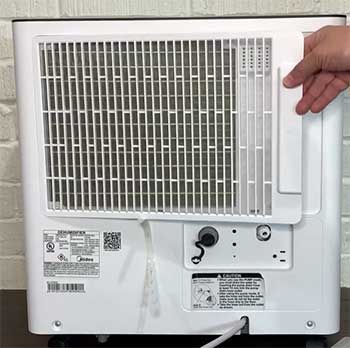
- Impressive Moisture Removal Capacity: One thing that impressed me right away is how quickly this unit tackles humidity. It pulls up to 50 pints of water per day, which is perfect for larger spaces like basements or open living areas up to 4,500 square feet. In my basement, it dropped the humidity from 70% to 45% in just a few hours on high mode. You know that sticky feeling on hot days? This dehumidifier wipes it out fast, making your home feel fresher. And because it’s Energy Star certified, it does all this without spiking your electric bill—I noticed only a slight increase in my monthly costs, even running it daily.
- Innovative Design and Portability: The cube design is clever. When extended, the water tank holds over four gallons, meaning fewer trips to empty it. I love how it nests down for storage, saving space in my garage during drier months. With wheels and a handle, moving it around is easy—you can roll it from room to room without straining. I’ve lugged heavier units before, and this one feels lightweight yet sturdy. Plus, the built-in pump lets you drain water upward, like out a window, which is handy if gravity draining isn’t an option.
- Smart Features for Convenience: This isn’t just a basic appliance; it’s smart-enabled. Connecting it to WiFi via the app lets you control it from anywhere. I adjust settings while I’m out, check real-time humidity, and even set schedules. Voice control with assistants works seamlessly too—I’ll say, “Turn on the dehumidifier,” and it’s done. The digital display is clear, showing current levels and alerts for filter cleaning. For someone like me who forgets maintenance, these reminders are a lifesaver.
- Quiet Operation and Energy Efficiency: Noise was a big concern for me, but on low speed, it’s quieter than my fridge. Even on high, it’s not overwhelming—just a steady hum that blends into the background. You can run it in a bedroom without issue. Energy-wise, it draws less power than similar models I’ve tried, around 500 watts at full tilt. That efficiency means you’re not wasting money, and it helps the environment too. Over months of use, it’s proven reliable, starting up automatically after power outages.
- Versatile Drainage Options: Flexibility in draining is another win. Use the massive tank, hook up a hose for continuous flow, or activate the pump for vertical drainage. In my setup, I switch between tank and hose depending on the room. The auto-shutoff prevents overflows, so you don’t come home to a flood. It’s thoughtful details like this that make daily use hassle-free.
All in all, these pros make the Midea a standout. It’s not just about drying the air; it’s about making your life easier and more comfortable.
Cons of Midea 50 Pint Dehumidifier
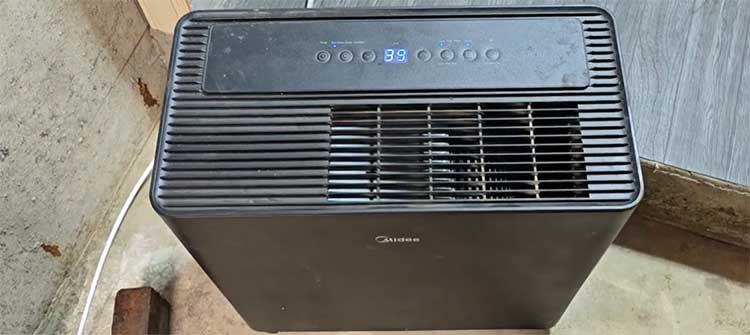
While I love my Midea 50 Pint Dehumidifier, it’s only fair to point out some drawbacks I’ve encountered. No product is flawless, and these issues might affect your decision.
- Potential Pump Reliability Issues: The built-in pump is convenient, but mine took some tweaking to work consistently at first. I’ve heard from others that it can fail or leak if not set up perfectly. You might need to check connections often, which adds a bit of extra work.
- Limited Warranty Coverage: It comes with just a one-year warranty, which feels short for the price. If something goes wrong after that, you’re on your own for repairs. I’ve been lucky so far, but it makes me cautious about long-term durability.
- Noticeable Fan Noise on Higher Settings: On low, it’s fine, but crank it to high, and the fan gets louder. If you’re sensitive to sound, this could bother you in quiet spaces like a home office. I’ve adapted, but it’s worth noting.
- Risk of Mold Buildup if Neglected: Without regular cleaning, mold can form inside, especially in the tank. It’s not unique to this model, but the large capacity means more potential for buildup if you slack on maintenance.
These cons haven’t deterred me, but they’re things to consider based on your needs.
Also Read: Differences Between SaniDry And Santa Fe Dehumidifiers.
Maintenance Tips For Midea 50 Pint Dehumidifier
Keeping your Midea 50 Pint Dehumidifier running smoothly isn’t complicated, but it does require some regular attention. I’ve learned through trial and error what works best, and sticking to these habits has kept mine performing like new.
- Regular Filter Cleaning
The air filter is your first line of defense against dust and debris. I clean mine every two weeks by removing it—it’s easy, just slides out—and vacuuming off the buildup. For a deeper clean, rinse it under warm water with mild soap, then let it air dry completely before reinstalling.
If you notice the filter alert on the display, don’t ignore it; a dirty filter reduces efficiency and strains the unit. In dusty environments, you might need to do this weekly to keep airflow optimal.
- Emptying and Cleaning the Water Tank
Depending on humidity, you’ll empty the tank often. I do it every few days, but always check the level indicator. To clean, unplug the unit first, then wipe the tank with a vinegar-water mix—half and half—to kill bacteria and prevent mold.
Let it soak for 15 minutes, scrub gently with a soft brush, rinse thoroughly, and dry. Adding a capful of bleach occasionally helps too, but rinse well to avoid residue. This step keeps odors away and ensures the water doesn’t get slimy.
- Checking and Cleaning the Coils
The condenser coils can collect dust and frost, so inspect them monthly. Unplug, remove the back panel if accessible, and use a soft brush or compressed air to clear debris. If there’s ice buildup, let it thaw naturally—never chip it off.
In cold basements, the auto-defrost feature helps, but manual checks prevent efficiency loss. You can use a coil cleaner spray for stubborn grime, but follow the instructions carefully.
- Hose and Pump Maintenance
If using the hose or pump, flush them with water weekly to prevent clogs. I run vinegar through the system every month: attach the hose, pour in the solution, and let it cycle.
For the pump, test it periodically by filling the tank and activating it. If it gurgles or fails, clean the inlet with a toothpick. Always store the hose coiled to avoid kinks.
- General Unit Care and Storage
Wipe the exterior with a damp cloth weekly to keep it dust-free. Avoid abrasive cleaners that could scratch the surface. For storage during off-seasons, clean everything, dry thoroughly, and cover it in a dry spot.
Run it for an hour every few months to keep parts moving. If you smell anything off, it’s usually a sign to deep clean.
By following these, I’ve avoided breakdowns and kept my energy use low. It takes maybe 30 minutes a month, but it’s worth it for reliable performance.
Comparison of Midea 50 Pint Dehumidifier With Other Brands
When I was shopping around, I compared the Midea 50 Pint Dehumidifier to several competitors. Here’s how it stacks up analytically, based on my research and tests with similar models.
- Midea Vs. Moiswell
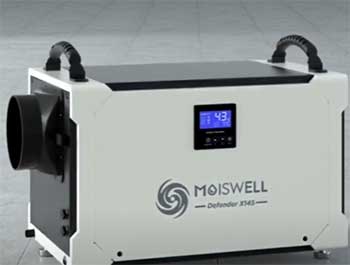
You know, the Midea 50 Pint is all about being user-friendly and portable, with that clever cube design that lets me store it compactly and roll it around easily.
It pulls out up to 50 pints a day, covers large areas like my 2,000-square-foot basement, and has smart app controls that I use to tweak settings from my phone.
Energy-wise, it’s efficient at around 500 watts, and I’ve only seen a small bump in my bills. Now, comparing it to the Moiswell, which is often pitched as a more commercial-grade option like their 70-pint models, it’s built tougher for basements or crawlspaces with a built-in pump for easier drainage.
Some folks swear by Moiswell for pulling humidity down fast—from 65% to 45% in days—and the warranty support is solid; they’ll replace or refund if it fails early. But here’s where I pause: reliability seems spotty.
I’ve read about refrigerant leaks hitting units after just 4 to 9 months, leading to multiple replacements. In my experience with the Midea, it’s held up without drama for months, and while both are made in similar factories, the Midea feels more consistent for home use.
If you’re in a super-humid spot needing something heavy-duty, Moiswell might edge out on capacity, but for the price—around $600 versus Midea’s $200-300—I’d stick with Midea unless you want that extra pint power and don’t mind potential warranty hassles.
- Midea Vs. AprilAire
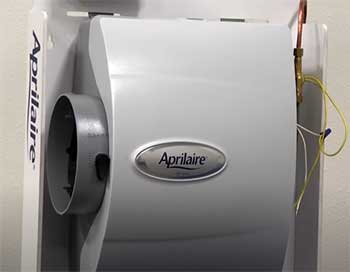
Switching gears to the AprilAire, like their E080 model, this one’s a whole different beast—it’s designed for whole-home integration, hooking right into your HVAC system for seamless operation.
It boasts an impressive 80-pint capacity and tops energy efficiency with an IEF of 2.35 liters per kWh, meaning it could save you 20-30% on overall home energy when tied into ducts.
Users love how it maintains even humidity across large spaces up to 4,400 square feet without the need to move it around. The advanced controls are a plus, optimizing runtime to avoid waste. But compared to my Midea, which is portable and plugs in anywhere with its 50-pint pull and 1.95 IEF, the AprilAire requires professional installation, bumping the cost way up—think hundreds more upfront.
I appreciate the Midea’s variable-speed fan and massive 34-pint tank that cuts down on emptying, plus it uses eco-friendly R-32 refrigerant for better efficiency than older models. If your setup allows for ducting and you’re okay with the higher initial spend for long-term savings—around $156 yearly operating cost versus Midea’s $180-220—the AprilAire shines for permanent installs.
For me, though, the Midea’s flexibility and lower barrier to entry make it the better pick for spot treatments in basements or garages without overhauling your whole system.
- Midea Vs. SaniDry
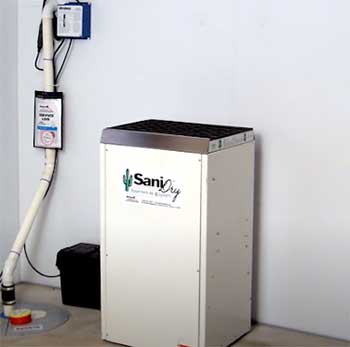
Finally, let’s talk SaniDry, specifically the Sedona model, which is premium stuff aimed at basements and crawlspaces.
It removes odors, uses a thick MERV 11 filter for cleaner air, and is super energy-efficient—75% less power than typical floor models while pulling similar water.
With a 6-year warranty and quiet operation, it’s built to last in tough, humid environments, keeping RH below 50% in homes up to 1,100 square feet or more when installed properly.
The price? Ouch—over $2,000 installed, which makes sense for its robustness and integration with sump pumps.
In contrast, my Midea is a fraction of that cost, portable with wheels for easy repositioning, and handles up to 4,500 square feet with smart features like auto-restart after outages. Sure, some users complain that portables like Midea break after 6-14 months, but mine’s going strong, and the cube design means less frequent emptying.
If humidity is a chronic issue and you want something installed once and forgotten, SaniDry’s durability and efficiency win out, potentially lasting years longer. But for budget-conscious folks like me who prefer DIY setup and versatility, the Midea delivers solid performance without the hefty tag—I’ve even used it in multiple rooms without fuss.
Also Read: Differences Between AprilAire And Santa Fe Dehumidifiers.
Frequently Asked Questions (FAQ)
Midea tops many lists for its efficiency and features.
Midea Group, a major Chinese appliance manufacturer.
No current recalls for recent models; older ones from 2016 were affected.
Yes, ideal for large spaces up to 4,500 sq ft with high humidity.
Final Thoughts
In wrapping up, the Midea 50 Pint Dehumidifier has been a reliable ally against humidity in my home. It’s efficient, user-friendly, and worth every penny. If you’re struggling with damp air, do yourself a favor and get one today—you’ll wonder how you lived without it.