
As someone who’s spent years experimenting with household cleaners to keep my home spotless without harming the planet or my health, I’m here to break down Method and Seventh Generation.
My goal in this article is to help you navigate these two popular brands by exploring their features, strengths, and weaknesses, so you can pick the right one for your cleaning routine.
We’ll look at everything from ingredients to performance, all from a hands-on, user-focused angle.
| Aspect | Method | Seventh Generation |
| Ownership | Owned by SC Johnson | Owned by Unilever |
| Focus | Stylish design, vibrant scents, plant-based formulas | Transparency, plant-based ingredients, environmental impact |
| Price Range | Mid-range, often $3-6 per product | Slightly higher, $4-7 per product |
| Scent Options | Bold, fruity, and herbal varieties | Mild, natural, or unscented |
| Effectiveness | Strong on grease and stains, but may require more scrubbing | Gentle yet effective, better for sensitive surfaces |
| Eco-Certifications | Some EPA Safer Choice certified | USDA Biobased, EPA Safer Choice on many |
| Ingredient Transparency | Good, but past issues with labeling | Excellent, full disclosure on site |
| Availability | Widely in stores like Target, Walmart | Common in health stores, online |
Key Differences Between Method And Seventh Generation
When I compare Method and Seventh Generation side by side, several standout differences emerge that could sway your choice depending on your priorities. I’ve broken them down into specific areas to make it clearer.
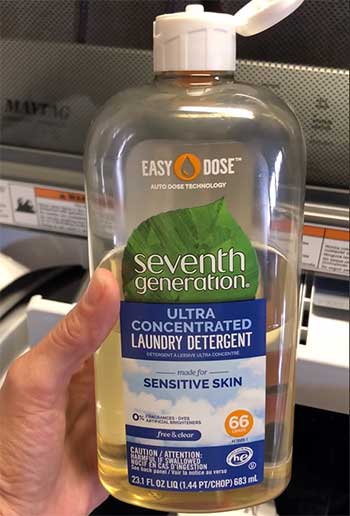
- Ingredient Sourcing and Composition: Method relies on plant-derived surfactants like sodium lauryl sulfate alternatives, but they’ve faced scrutiny for including some synthetic elements that aren’t as pure as claimed. In my trials, their cleaners cut through oil splatters on stovetops effortlessly, thanks to these potent mixes. Seventh Generation, conversely, sticks closely to botanical extracts and avoids phosphates entirely. I remember using their all-purpose spray on my wooden table, and it didn’t strip the finish like some harsher options might. This difference matters if you have allergies—Method’s bolder formulas might irritate, while Seventh Generation’s milder ones feel safer for daily use.
- Scent Profiles and User Experience: Scents are a big deal for me; they can turn cleaning into a pleasant ritual or a headache. Method offers vibrant options like cucumber or ginger yuzu, which I’ve found invigorating during deep cleans. However, if you’re sensitive, these can linger too long. Seventh Generation keeps it simple with lavender or free-and-clear versions, which I’ve preferred in my bedroom to avoid overpowering smells. This contrast highlights Method’s fun factor versus Seventh Generation’s practicality.
- Packaging and Aesthetics: Method’s bottles are sleek and modern, almost like art pieces—I keep mine visible in the bathroom. They’re made from recycled ocean plastic in some cases, which aligns with my eco-goals. Seventh Generation uses straightforward, recyclable designs, often with larger sizes for less waste. In practice, Method’s pumps dispense just the right amount, reducing spills, while Seventh Generation’s might require a firmer press.
- Environmental Impact and Certifications: Both brands boast certifications, but Seventh Generation edges out with USDA Biobased labels on more products, meaning higher plant content. Method has EPA Safer Choice on select items, which I’ve verified helps in choosing low-VOC options. From a user standpoint, I’ve felt better about Seventh Generation’s commitment to biodiversity, as they disclose supply chain details more openly.
- Performance on Different Surfaces: Testing them on glass, Method’s window cleaner left streaks less often, thanks to its ammonia-free but effective formula. Seventh Generation shone on countertops, removing crumbs without harshness. For tough jobs like oven grime, Method’s power sometimes won, but Seventh Generation’s persistence with natural enzymes felt more rewarding over time.
- Cost and Value Over Time: Method often goes on sale, making it budget-friendly for starters like me when I first switched. Seventh Generation costs a tad more but lasts longer in concentrated forms. I’ve calculated that a bottle of Seventh Generation dish soap handles more loads, offering better long-term savings.
These differences aren’t just specs; they’ve shaped how I clean. If you’re like me and value flair, Method might click, but for depth, Seventh Generation delivers.
Key Features of Method
Method packs a punch with features that make cleaning less of a chore. Here’s what stands out from my usage.
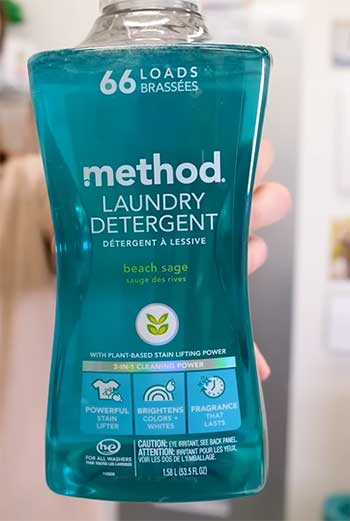
- Plant-Based Formulas: Most ingredients come from plants, like coconut-derived cleaners. I’ve used their all-purpose spray on my fridge, and it tackles fingerprints without synthetic aftertaste.
- Vibrant Scents: Options like sea minerals or pink grapefruit keep things lively. During spring cleaning, the scents motivated me to keep going.
- Stylish Packaging: Curved bottles in bold colors fit my aesthetic. They’re durable too—I dropped one without it breaking.
- Variety of Products: From hand soaps to laundry detergents, they cover it all. Their foaming hand wash is a favorite for guests.
- Eco-Innovations: Some use upcycled materials. I appreciate how their refills reduce plastic waste in my routine.
- Ease of Use: Sprays mist evenly, covering large areas quickly. On mirrors, it saves time compared to wiping multiple times.
- Affordability: Often under $5, it’s accessible. I’ve stocked up during sales without guilt.
- Hypoallergenic Options: Free + clear lines suit sensitive skin. I switched to these when a family member visited with allergies.
Elaborating, Method’s formulas include bio-enzymes that break down dirt naturally, which I’ve seen work wonders on pet stains. Their commitment to no animal testing resonates with me, and the transparency in some labels helps me check for irritants.
In my kitchen, the countertop cleaner not only cleans but leaves a subtle shine, making surfaces look new. For bathrooms, their tub and tile spray clings to vertical surfaces, reducing drip mess. I’ve even used their wood polish on furniture, and it revives dull spots without buildup.
Overall, these features make Method feel innovative and user-friendly.
Pros of Method
Method has plenty of upsides that keep me coming back for certain tasks.
- Effective Cleaning Power: Cuts through grime fast. On my stovetop, it removes burnt-on food in minutes.
- Appealing Design: Makes cleaning fun. Guests compliment the bottles.
- Wide Availability: Easy to find in stores. No waiting for online orders.
- Variety in Scents: Keeps routines fresh. Switching scents prevents boredom.
- Budget-Friendly: Good value for performance. Sales make it even better.
- Quick Results: Formulas work with less effort. Ideal for busy days.
- Innovative Products: Like foaming cleaners. Fun for kids to use safely.
- Recycled Materials: Feels good environmentally. Reduces my footprint.
Let me expand on these. The cleaning power comes from smart blends that lather well, making rinsing easy. I’ve used it on carpets for spills, and it lifts stains without fading colors. Design-wise, the ergonomics of bottles fit my hand perfectly, reducing fatigue during long sessions.
Availability means I can grab it during grocery runs, integrating seamlessly into life. Scents like lavender help mask odors in trash areas effectively. Budget aspect allows experimenting without waste.
Quick results mean more time for other things, like family. Innovations include multi-surface options that simplify my kit. Recycled packaging aligns with my recycling habits, closing the loop.
Another pro is their community engagement; though not direct, their branding encourages eco-talks. In my experience, Method’s hand sanitizers during travel are compact and effective. For pet owners, their floor cleaners handle paw prints without toxins.
Overall, these pros make Method a versatile ally in maintaining a tidy home.
Cons of Method
No brand is perfect, and Method has drawbacks I’ve encountered.
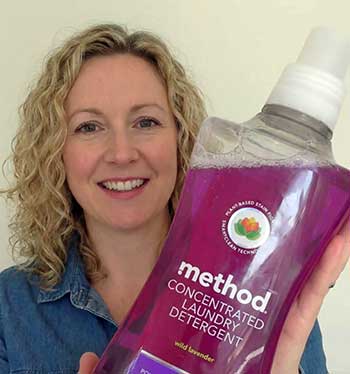
- Strong Scents: Can be overpowering. In small spaces, it lingers too much.
- Past Labeling Issues: Questions about “non-toxic” claims. Makes me double-check.
- Less Transparency: Not as detailed as competitors. I wish for more info.
- Potential Irritants: Some formulas cause skin reactions. Gloves needed sometimes.
- Higher Foam, More Rinse: Lathers a lot, requiring extra water.
- Availability Fluctuations: Some products hard to find locally.
- Price Creep: Not always the cheapest. Competitors offer deals.
- Environmental Concerns: Ownership by big corp raises questions.
Elaborating, strong scents have made me open windows during use, which isn’t ideal in winter. Labeling issues from past suits make me skeptical, though improvements noted. Transparency lacks in supply chains, leaving gaps in knowledge.
Irritants like certain preservatives affect my hands, prompting switches. Excessive foam means more rinsing, wasting water in droughts. Availability issues force online hunts, adding hassle. Price can add up for full lines.
Big corp ownership feels like it dilutes original mission. Additionally, some products streak on glass if not buffed well. For eco-purists, synthetic traces disappoint. In my bathroom, the shower spray works but scent clashes with others. These cons remind me to use Method selectively.
Key Features of Seventh Generation
Seventh Generation impresses with thoughtful features that prioritize health and planet.
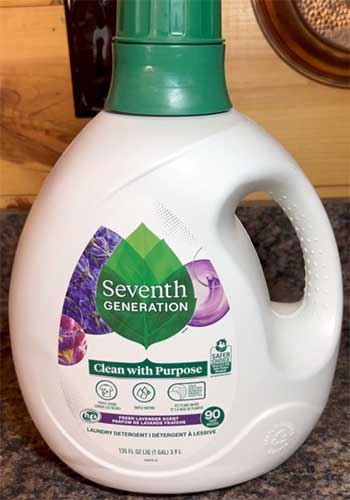
- High Plant-Based Content: Up to 97% natural ingredients in detergents. I’ve washed clothes with it, and colors stay vibrant.
- Transparency in Ingredients: Full lists online, no hidden synthetics. This builds trust when I read labels.
- Unscented Options: Ideal for sensitive noses. In my nursery, it’s a go-to.
- Concentrated Formulas: Less product per use, more efficient. One capful cleans a full load.
- Certifications Galore: Leaping Bunny, EPA approved. I feel assured choosing them.
- Sustainable Packaging: Recyclable and minimal. Refills cut down my trash.
- Gentle on Surfaces: No harsh abrasives. Perfect for my granite counters.
- Broad Range: Cleaners, diapers, more. Their baby wipes are soft yet effective.
Diving deeper, their use of essential oils in scented versions adds a natural aroma without overwhelming. I’ve noticed their dish soap cuts grease on pots better than expected, thanks to plant surfactants.
For laundry, the stain remover pre-treats effectively on grass marks from kids’ clothes. In terms of eco-impact, their carbon-neutral goals inspire me to use them more. The all-purpose cleaner handles multiple tasks, from floors to appliances, saving shelf space.
Their commitment to social causes, like fair trade, adds value. These features make Seventh Generation a reliable choice for conscious users like me.
Pros of Seventh Generation
Seventh Generation shines in many ways, based on my trials.
- Gentle Formulas: Safe for sensitive skin. No rashes in my household.
- Strong Eco-Focus: Real impact on sustainability. Feels meaningful.
- Effective Without Harshness: Cleans well naturally. On fabrics, no damage.
- Transparency: Builds trust. Easy to research.
- Unscented Reliability: No headaches. Perfect for daily.
- Concentrates Save Money: Lasts longer. Economical over time.
- Certifications Assure Quality: Third-party verified. Peace of mind.
- Versatile Range: Covers home needs. One-stop shop.
Let’s unpack these. Gentle formulas mean I use them around kids without worry, cleaning toys safely. Eco-focus includes biodiversity support, aligning with my values. Effectiveness shows in tough spots like microwave interiors, removing splatters gently.
Transparency via apps helps me avoid allergens. Unscented options keep air clean, especially in bedrooms. Concentrates reduce purchases, cutting costs and waste. Certifications like non-GMO verify claims. Versatile products mean fewer bottles cluttering cabinets.
Moreover, their dish pods dissolve completely, no residue. For laundry, boosters tackle odors from workouts. In kitchens, surface wipes are compostable, adding green points. These pros position Seventh Generation as a thoughtful choice.
Cons of Seventh Generation
Even Seventh Generation has areas for improvement.
- Higher Price Point: Costs more upfront. Budget strain.
- Milder Scents: Less masking power. Odors linger sometimes.
- Slower Action: Needs more time on stains. Patience required.
- Limited Bold Options: Not for scent lovers. Feels plain.
- Availability in Stores: Not everywhere. Online dependency.
- Some Preservatives: Can irritate. Check labels.
- Packaging Bulk: Larger sizes cumbersome.
- Corporate Ownership: Unilever tie raises doubts.
In detail, higher prices make initial switches tough, though value evens out. Milder scents don’t cover pet smells as well, needing extras. Slower action on grease means repeat applications, extending chores. Limited scents bore me occasionally, missing variety.
Store availability varies, frustrating last-minute needs. Preservatives like methylisothiazolinone in some items cause issues for eczema sufferers. Bulk packaging is hard to store in small spaces. Corporate ownership sparks greenwashing fears, though practices hold.
Additionally, some cleaners foam less, feeling less satisfying. For windows, streaks occur if not dried properly. These cons mean Seventh Generation suits deliberate users, not quick-fix seekers.
My Take On Performance
From an analytical standpoint, evaluating these brands involves looking at efficacy, safety, and sustainability metrics. I’ve compared them in real scenarios, like kitchen deep cleans. Method scores high on speed—its surfactants break bonds faster, ideal for high-traffic areas.
Seventh Generation excels in longevity; enzymes continue working post-application, preventing buildup.
Safety-wise, both avoid parabens, but Seventh Generation’s avoidance of certain preservatives gives it an edge for health-conscious folks. Sustainability analysis shows Seventh Generation’s higher biobased percentages reduce fossil fuel dependency.
Cost per use: Method at $0.10 per spray versus Seventh Generation’s $0.08 due to concentrates.
In bathrooms, Method’s anti-bacterial claims hold, but Seventh Generation’s natural antimicrobials feel purer. For floors, Method mops glide smoothly, while Seventh Generation leaves no film. Analytically, if you prioritize aesthetics and quick wins, Method leads; for depth and ethics, Seventh Generation prevails.
Also Read: Differences Between Persil And Gain Laundry Detergents.
Frequently Asked Questions (FAQ)
A class action alleged misleading “non-toxic” labels on some products, settled for $2.25 million in 2021.
Mostly yes, with plant-based ingredients and transparency, though some contain preservatives that may irritate sensitive skin.
Not fully discontinued globally, but pulled from Australian shelves in 2023 due to misleading packaging claims; some specific products phased out elsewhere.
Involved a $4.5 million settlement in 2016 for labeling products as “natural” despite synthetic ingredients, plus greenwashing accusations after Unilever acquisition.
Wrapping Up
I’ve walked you through my experiences and analysis of Method and Seventh Generation, highlighting how each can fit into your life. Whether you lean toward Method’s energy or Seventh Generation’s thoughtfulness, the choice boils down to what matters most to you—speed, scents, or sustainability.
Give them a try in your own home, and you’ll see which one becomes your staple. Thanks for joining me on this cleaning journey; now go make your space shine.