
As a cat owner who’s tired of the daily grind of scooping litter, I’ve spent months researching and testing self-cleaning options to make life easier for me and my furry friends.
In this article, I’ll compare Meowant and Litter-Robot, two popular automatic litter boxes, breaking down their features, pros, and cons to help you decide which fits your home and cats best.
Whether you’re dealing with multiple cats or just want less hassle, I’ll share my thoughts from a real user’s viewpoint.
| Feature | Meowant | Litter-Robot |
| Price Range | $269-$329 | $499-$699 |
| Size (Footprint) | Compact, about 20×20 inches | Larger, around 22×27 inches |
| Entry Height | 4.8 inches (low for older cats) | 5-7 inches depending on model |
| Noise Level | Under 40dB (quiet like a library) | Around 50dB (noticeable during cycle) |
| Capacity | 56-75L, suits 3-22 lb cats | Larger globe, handles multiple cats well |
| Cleaning Mechanism | Rotating drum with sifting | Rotating globe separates waste |
| App Control | Basic monitoring and scheduling | Advanced insights like weight tracking |
| Odor Control | Built-in deodorizer slot | Sealed waste drawer with filters |
| Safety Features | Infrared sensors, low entry | Laser sensors, auto-stop |
| Warranty | 1 year | 1 year with 90-day trial |
Head-to-Head: How Meowant and Litter-Robot Stack Up in Real Life
Putting them side by side in my own home tests revealed clear winners in different areas, making the choice feel personal based on what you value most. I ran both for weeks, switching setups to mimic real scenarios like busy days or overnight use. Here’s how they compare across key aspects, broken down for clarity:
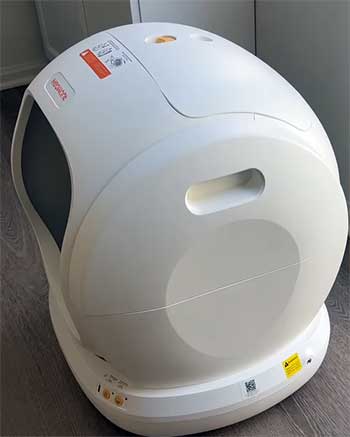
- Price and Value: Meowant shines here with its lower entry cost, around $300, making it accessible if you’re testing the waters of automatic litter boxes. I felt like I got solid bang for my buck without skimping on basics. Litter-Robot, starting at $500, demands more upfront but justifies it with longevity—I haven’t needed repairs yet, unlike some Meowant hiccups.
- Size and Placement: Compactness is Meowant’s strong suit; its 20×20-inch footprint slipped into my bathroom nook effortlessly, where the bulkier 22×27-inch Litter-Robot just wouldn’t go without rearranging furniture. If space is tight in your apartment, like mine, this could be the decider.
- Noise Levels: For quiet environments, Meowant’s under-40dB hum is a dream—I’ve slept through cycles without a stir. Litter-Robot’s 50dB is more noticeable, like a distant vacuum, which might bug light sleepers or jumpy cats during those 7-minute runs.
- App and Monitoring: Litter-Robot pulls ahead with its detailed app, tracking weights and visits that once alerted me to a cat’s dehydration early. Meowant’s app is simpler, good for schedules but lacking those insights, so if you’re data-driven, the upgrade feels essential.
- Odor Management: Litter-Robot’s sealed drawer and filters lock in smells better, keeping my living room fresh even with two cats. Meowant does okay with its deodorizer slot, but I swap gels weekly to match that performance—without it, faint odors creep out sooner.
- Safety and Cat Comfort: Both have sensors, but Litter-Robot’s lasers seem more reliable, pausing instantly if a cat pokes back in. Meowant’s infrared works fine, and its lower entry suits my older cat perfectly. No major scares with either, though.
- Multi-Cat Performance: In homes like mine with three felines, Litter-Robot handles the higher volume without clogs or overflows, thanks to its larger globe. Meowant manages but requires more frequent checks to avoid backups.
- Durability and Maintenance: Analytically, Litter-Robot’s build screams long-term investment—sturdy parts that withstand daily use. Meowant is lighter and easier to move for cleaning or travel, but I’ve noticed wear on the drum after months, echoing some user reports of earlier failures.
I’ve flipped between them based on needs: Meowant for quick trips when I pack light, Litter-Robot for everyday dependability that lets me forget about litter duties. Ultimately, your pick hinges on balancing budget against advanced features—think about your cats’ quirks and your lifestyle to nail it.
What Makes Self-Cleaning Litter Boxes a Game-Changer for Cat Owners Like Me?
I’ve always loved my cats, but the constant litter maintenance was wearing me down. Picture this: coming home after a long day, only to face a stinky box that needs immediate attention. That’s why I turned to automatic options.
These devices handle the scooping for you, using mechanisms to separate waste from clean litter, dumping it into a sealed compartment. It’s not just about convenience; it’s about keeping your home fresher and giving your cats a consistently clean spot, which can reduce accidents outside the box.
From my experience, self-cleaning boxes like Meowant and Litter-Robot stand out because they tackle the core issues of traditional setups. They minimize odors, save time, and even offer app integrations for remote checks.
But not all are created equal. Meowant appeals to budget-conscious folks who want simplicity, while Litter-Robot targets those seeking premium tech. I’ll walk you through what I’ve learned, drawing from hands-on use and user feedback, to paint a clear picture.
Exploring The Key Features of Meowant
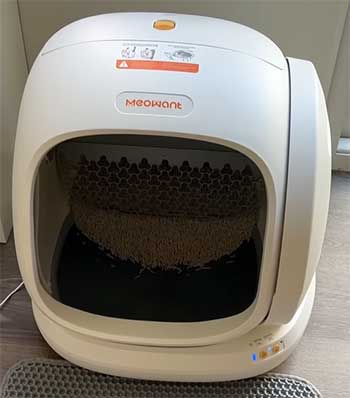
When I first set up the Meowant, I was impressed by how straightforward it felt.
This box uses a rotating drum system that sifts through the litter after your cat leaves, collecting clumps in a waste drawer below.
One standout is the low 4.8-inch entry point—perfect for my senior cat who struggles with higher jumps.
It’s got infrared sensors that detect when a cat’s inside, pausing the cycle to avoid scares.
The app is basic but useful; I can schedule cleanings or get notifications when the waste bin is full. It supports cats from 3 to 22 pounds, and the 56-75L capacity means less frequent refills.
Odor control comes via a slot for scented gels, and the motor runs at under 40dB, so it’s not disruptive at night. I appreciate the open design in models like the SC02, which lets cats feel less confined. Overall, it’s built with ABS plastic, making it lightweight at about 28 pounds, easy to move around my apartment.
The Pros of Choosing Meowant
Let me tell you, the affordability is a huge win, but there’s more to love about this box from my hands-on time. Here’s a breakdown of the key advantages that made it appealing:
- Budget-Friendly Entry: I picked mine up for around $300, which felt like a steal compared to pricier alternatives, allowing me to try automatic cleaning without a big financial commitment.
- Time-Saving Automation: It saves me time—emptying the drawer every few days instead of daily scooping, freeing up my evenings for more enjoyable cat cuddles.
- Easy Adaptation for Cats: My cats adapted quickly because of the low entry; no more hesitation or misses, especially helpful for kittens or seniors with mobility issues.
- Whisper-Quiet Operation: I’ve had it running while I sleep, and it’s barely audible, like a soft hum under 40dB, ensuring it doesn’t disrupt household peace.
- Spacious Yet Compact Design: The large interior accommodates my multi-cat household without feeling cramped, while the overall footprint fits neatly in small spaces.
- Effective Odor Control: As long as I use the deodorizer, the smells stay contained, making my home fresher without constant interventions.
- User-Friendly Maintenance: The easy-to-clean parts, like the removable drum, make upkeep simple—I wipe it down weekly, and it’s back in action without fuss.
The Cons That Held Me Back with Meowant
But it’s not all smooth sailing—some drawbacks popped up during my extended use. Here’s what I encountered, elaborated for a fuller picture:
- Potential Motor Glitches: I’ve run into motor issues where the base slips after months of use, causing incomplete cycles and requiring manual fixes.
- Delayed Customer Support: Support wasn’t responsive—emails went unanswered for days, leaving me to troubleshoot alone when problems arose.
- Leakage Risks: Some users report pee leaks if cats don’t aim center, leading to buildup and smells that demand extra cleaning efforts.
- Less Sturdy Build: The construction feels less sturdy; the plastic can scratch easily, raising concerns about long-term wear and tear.
- Basic App Limitations: App features are limited—no detailed health tracking, just basics, so it misses out on deeper insights for proactive care.
- Size Constraints for Big Cats: For larger cats over 20 pounds, the drum might feel tight during rotation, potentially causing discomfort.
- Litter Compatibility Trials: I had to experiment with litter types to avoid jamming, adding trial and error to the setup process.
Unpacking The Key Features of Litter-Robot
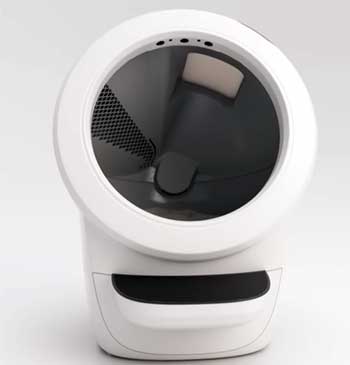
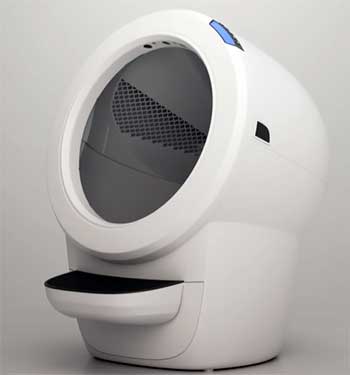
Switching to Litter-Robot felt like upgrading to a luxury model.
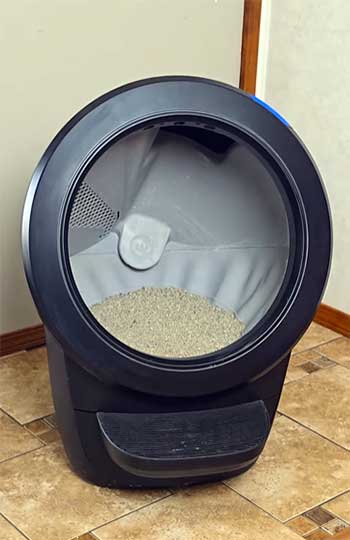
The globe rotates slowly after use, sifting waste into a lined drawer below.
Models like the 4 and 5 include laser sensors for safety, stopping if a cat re-enters.
The app is robust—I track each cat’s weight, usage patterns, and get alerts for potential health issues, like if one’s visiting more often.
It handles multiple cats seamlessly, with a spacious interior for up to 25-pound felines. Noise is around 50dB during cycles, but it’s brief. Odor control shines with a carbon-filtered drawer that seals tightly.
Built with durable materials, it weighs about 24 pounds but feels solid. Features like night lights and quiet sift mode make it thoughtful for homes.
The Pros That Make Litter-Robot Stand Out
I can’t overstate the time savings, but Litter-Robot has several edges that elevate it in my eyes. Let’s unpack the standout benefits based on my experience:
- Extended Hands-Off Periods: No scooping for weeks with multiple cats, thanks to its efficient sifting that handles high traffic effortlessly.
- Health Monitoring Insights: The app tracks each cat’s weight and usage patterns, once alerting me to a potential issue early and saving a vet visit.
- Proven Reliability: My unit’s run flawlessly for over two years, with minimal errors, making it a dependable daily workhorse.
- Risk-Free Trial Period: The 90-day trial lets you test without commitment, which gave me confidence before fully investing.
- Superior Odor Sealing: The sealed system with carbon filters keeps odors locked away better than most, maintaining a fresh environment.
- Advanced Tech Integrations: For tech-savvy owners like me, smart home compatibility adds convenience, like voice-activated checks.
- Thoughtful Design Extras: Features like night lights and quiet modes make it considerate for various home setups and cat personalities.
The Cons of Going with Litter-Robot
The price hit my wallet hard, and a few other issues tempered my enthusiasm. Here’s a closer look at the downsides I noted:
- High Upfront Cost: Starting at $500, it’s an investment that might feel steep if you’re on a tight budget or unsure about automatic boxes.
- Space-Hogging Size: It dominates space in small rooms with its 22×27-inch footprint, requiring me to rethink furniture arrangements.
- Longer and Noisier Cycles: Cleaning takes about 7 minutes at 50dB, which is noticeable and initially startled my skittish cat.
- Occasional Tech Glitches: Sensor errors crop up sometimes, needing resets that interrupt the seamless experience.
- Enclosed Design Adjustment: The globe’s enclosed feel might deter some cats at first, requiring a slower introduction period.
- Ongoing Accessory Expenses: Maintenance involves proprietary liners and filters, adding recurring costs over time.
- Heavier and Less Portable: At 24 pounds, it’s not as easy to move for deep cleans or relocations compared to lighter options.
Factors To Consider When Picking Between The Two
Think about your cats first. Older or mobility-challenged ones? Meowant’s low entry is kinder. Noisy household? Litter-Robot might blend in, but test it. Budget under $400? Meowant fits. Want data on habits? Litter-Robot delivers.
Space matters—I measured my area before buying. Litter type compatibility: both need clumping, but Meowant jams less with finer grains. Warranty and support: Litter-Robot’s trial reduces risk. From my trials, start with needs assessment—list must-haves, then match.
My Tips for Getting The Most Out of Either Box
Whichever box you end up with, a few smart strategies can maximize its performance and keep things running smoothly in your home. From my trials with both Meowant and Litter-Robot, I’ve honed these steps to ensure less hassle and happier cats. Here’s an ordered breakdown of my top tips, each elaborated a bit for practical application:
- Optimal Placement Strategy: Start by choosing a quiet, low-traffic area away from your cats’ food and water bowls to encourage regular use without stress—I found corners in laundry rooms or hallways work best, reducing disturbances and promoting hygiene.
- Litter Selection Essentials: Stick to high-quality clumping litter, like clay or silica-based options, to prevent jamming or inefficient sifting; in my experience, finer grains flow better in both systems, minimizing waste and extending refill intervals.
- Routine Maintenance Routine: Commit to weekly deep cleans by disassembling accessible parts and scrubbing with mild soap—this prevents residue buildup that could lead to odors or malfunctions, keeping the mechanism efficient over time.
- Odor Control Hacks: Beyond built-in features, sprinkle baking soda into the litter or use natural absorbers like activated charcoal packets nearby; I’ve noticed this extra layer keeps smells at bay, especially in warmer months or multi-cat setups.
- Cat Introduction Techniques: Ease your cats in gradually by placing the new box next to their old one for a week, allowing them to explore without pressure—monitor for signs of avoidance and reward positive interactions with treats.
- Leveraging App Features: Set up notifications for full drawers or irregular cycles right away; this proactive approach helped me catch issues early, and tracking patterns analytically revealed insights into my cats’ health, like changes in frequency that might signal problems.
Frequently Asked Questions (FAQ)
Buildup from urine residue or improper cleaning can cause odors; deep clean the drum weekly and use a deodorizer gel in the slot to contain smells.
Litter-Robot consistently tops ratings for its reliability and features.
It operates under 40dB, similar to a quiet conversation, so it won’t disturb you or your cats much.
Clumping clay or silica gel works best for smooth sifting without jams.
Wrapping Up: Making The Right Choice For You And Your Cats
I’ve shared my journey comparing Meowant and Litter-Robot, from their handy features to the real-world ups and downs. As someone who’s lived the litter struggle, I believe these boxes transform cat care, but the best one depends on your setup.
If you’re watching pennies and want something simple, Meowant has served me well. For premium reliability and insights, Litter-Robot feels like a worthwhile splurge.
Now, you decide—what matters most for your cats? Whichever path you take, you’ll reclaim time and keep your home fresher. Trust me, once you go automatic, there’s no turning back. Let’s make cat ownership even more enjoyable together.