
I’ve spent the last few months swapping my usual bowl of cereal for two standout options that promise real nutrition without the usual sugar rollercoaster. Magic Spoon and Three Wishes both caught my eye as high-protein, low-sugar alternatives that still deliver that satisfying crunch I remember from childhood mornings.
After buying several boxes of each, testing them straight from the box, with milk, as late-night snacks, and even sprinkled over yogurt, I wanted to share my honest comparison.
My main intent is to walk you through every angle—taste, nutrition, price, and how they actually feel in a real routine—so you can pick the one that matches your goals without wasting money on trial and error.
| Aspect | Magic Spoon | Three Wishes |
| Protein per serving | 13g | 8g |
| Sugar per serving | 0g | 3g |
| Net carbs | 4g | 17g |
| Calories per serving | 140-150 | 120-130 |
| Protein source | Dairy-based (whey and casein blend) | Plant-based (pea and chickpea) |
| Vegan | No | Yes |
| Price per box | $9–$14 | $6–$8 |
| Texture in milk | Crunchy but softens a bit faster | Extra crunchy and holds up longer |
| Main base ingredients | Milk protein blend, allulose | Chickpea, tapioca, pea protein |
| Best suited for | Keto, low-carb, maximum protein | Budget-friendly, plant-based diets |
Key Differences Between Magic Spoon And Three Wishes
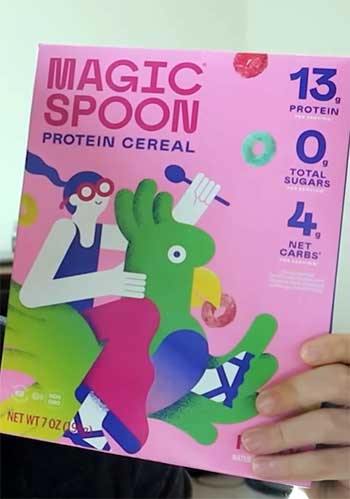
- Protein content and source create the biggest split because Magic Spoon delivers 13 grams from dairy while Three Wishes offers 8 grams from plants. When I tracked my daily intake, the extra 5 grams from Magic Spoon made a measurable difference in how satisfied I felt until lunch, especially on training days. The animal-based protein also felt more complete for muscle support, though Three Wishes still added a solid plant boost without any dairy heaviness that bothered my stomach on sensitive days. This difference alone steered me toward Magic Spoon when I needed maximum staying power.
- Sugar levels hit differently since one has zero and the other has 3 grams. I appreciated the complete absence in Magic Spoon during strict low-sugar weeks, but the small amount in Three Wishes never caused issues and actually helped some flavors taste more rounded and familiar. Over time I realized the zero-sugar version kept my energy steadier, yet Three Wishes still beat regular cereal by a mile in this department.
- Net carbs separate them clearly for anyone watching macros. Magic Spoon’s 4 grams fit perfectly into my keto rotation, letting me enjoy cereal without derailing ketosis. Three Wishes sits higher at around 17 grams net, which still beats traditional options but required more planning around my daily total. I switched between them depending on whether I had room in my carb budget that day.
- Price difference became obvious every time I checked my receipt. Magic Spoon costs noticeably more per box, which added up when I bought multiple flavors. Three Wishes let me stock up and experiment without hesitation, making it the practical choice for everyday use. That savings felt real when I calculated cost per serving over a month.
- Dietary restrictions matter because Magic Spoon contains dairy while Three Wishes stays completely vegan and free from more allergens. I rotated to Three Wishes when I wanted a dairy-free stretch or when friends with restrictions visited. Magic Spoon worked better for me personally when I needed the higher protein density, but having both options gave me flexibility I didn’t expect.
- Texture in milk tells two different stories. Three Wishes stays extra crunchy longer, which I loved during slow weekend breakfasts where I wanted every bite to snap. Magic Spoon softens a touch quicker but still delivers great mouthfeel right from the first spoonful. I actually preferred the softer version some mornings because it reminded me more of classic cereals I grew up eating.
- Flavor intensity varies in a way I didn’t anticipate. Magic Spoon nails bold, nostalgic profiles that taste almost identical to childhood favorites. Three Wishes delivers solid but slightly milder versions that still satisfy, especially the Cinnamon which became a household favorite. The difference showed up clearest when I did blind taste tests with family members.
- Ingredient simplicity appeals differently depending on priorities. Three Wishes wins with fewer items on the label and a more minimal approach that feels cleaner to many people. Magic Spoon uses a specialized protein blend and sweetener system that prioritizes macros over minimalism. I appreciated both approaches at different times, but the shorter list on Three Wishes gave me extra peace of mind on clean-eating days.
- Serving size and box value feel distinct once you pour them out. Magic Spoon boxes often feel a bit smaller for the price, though the nutrition density makes up for it. Three Wishes gives generous portions at a lower cost, so the bowl looks fuller and lasts longer in my pantry rotation. This practical difference influenced how often I repurchased each one.
- Availability in stores like Costco adds another layer. Magic Spoon shows up reliably now after earlier supply changes, while Three Wishes stays easier to find at regular grocery spots. I factored travel time and stock consistency into my weekly shopping list because running out mid-week disrupted my routine more than I expected.
Also Read: My Experience With Orgain Fruity Cereal.
Key Features of Magic Spoon
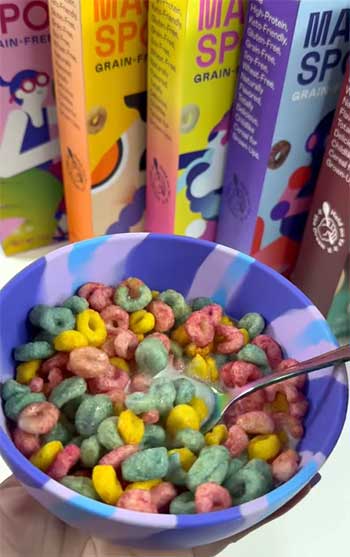
- The protein level stands out immediately because one serving packs 13 grams from a milk protein blend that includes whey and casein. I noticed right away how this kept me full straight through my morning meetings, unlike regular cereal that left me raiding the fridge by 10 a.m. The complete amino acid profile feels like a legitimate meal replacement on busy days, and I could literally feel the difference in sustained energy when I paired it with a quick workout. That extra protein also makes it easier to hit daily targets without needing extra shakes or bars later.
- Zero grams of sugar means no blood sugar spike or crash, and I love that it relies on allulose and monk fruit instead. When I first tried the Fruity flavor, the sweetness hit just right without any fake aftertaste that some other options have. It let me enjoy the bowl guilt-free while still satisfying the part of my brain that wants something fun for breakfast. Over weeks of testing I never once felt the afternoon fog I used to get from traditional cereals.
- Low net carbs at only 4 grams per serving make it genuinely keto-friendly, which mattered to me when I was watching my carb intake closely. I could eat a full bowl and stay well under my daily limit, even adding a splash of unsweetened almond milk. This feature turned breakfast into something I looked forward to instead of stressing over numbers.
- The flavor lineup feels endless and genuinely nostalgic. From Cocoa that tastes like the chocolate milk at the bottom of the bowl to Peanut Butter that reminds me of my favorite sandwich, each one delivers bold taste that lasts. I rotated through different boxes for a month and never got bored, which helped me stick to healthier eating longer than I expected.
- The crunchy texture right out of the box surprised me in the best way. Even though it softens slightly faster than some competitors when milk hits it, the initial bite still gives that satisfying snap I crave. I started using it as a topping on Greek yogurt when I wanted extra crunch without adding extra carbs.
- Packaging keeps the cereal fresh for weeks once opened, and the boxes come in convenient sizes that fit easily in my pantry. I appreciated not having to finish a giant bag before it went stale, especially since I like switching flavors often.
- No artificial colors or flavors means I feel better serving it to guests or family members who care about clean eating. The ingredients list reads straightforward, and I never worried about hidden junk when I checked the label.
- Versatility goes beyond breakfast for me. I crushed some up and used it as a coating for baked chicken tenders, and the protein boost plus zero sugar made the meal feel upgraded without extra effort. Small touches like this turned it into a pantry staple rather than just a cereal.
Pros of Magic Spoon
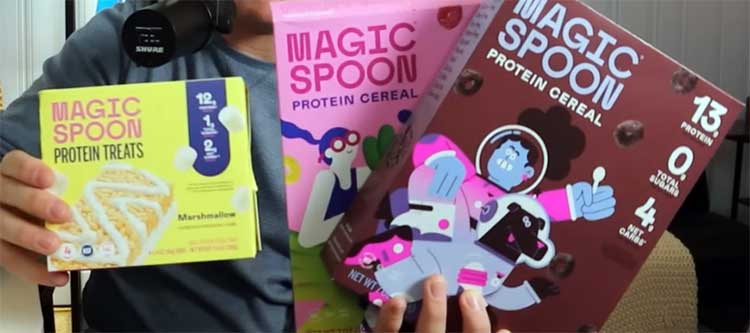
- Higher protein delivers real satiety that changed my mornings. I could eat one bowl and power through a full workday without the usual 11 a.m. hunger pangs. The dairy blend feels substantial and supports muscle recovery better than lower-protein alternatives I tried before.
- Complete lack of sugar keeps energy stable all day. No spikes, no crashes—just steady focus that helped me skip the coffee refill I used to need. This feature alone made it worth the occasional splurge for me.
- Wide flavor selection keeps breakfast exciting week after week. I never repeated the same taste two days in a row during my testing period, which prevented boredom and helped me stay consistent with healthier choices.
- Keto compatibility opens up cereal for low-carb lifestyles. I stayed in ketosis easily while still enjoying a bowl that felt indulgent, and that freedom motivated me to stick with my eating plan longer.
- Nostalgic taste hits exactly like the cereals I missed. The Fruity version especially brought back memories without any guilt, and family members who tried it asked for seconds even though they usually avoid “healthy” options.
- No artificial ingredients means I feel good about every bite. The clean label let me relax instead of second-guessing what I was eating.
- Versatile enough for more than breakfast. I used crushed pieces in recipes and as toppings, stretching each box further and adding fun to other meals.
- Strong crunch straight from the box satisfies the texture craving perfectly. Even after a few days open, the pieces stayed fresh and snappy.
Cons of Magic Spoon
- Higher price point adds up quickly if you eat it daily. I had to budget carefully and sometimes limited myself to one box per week to keep costs reasonable.
- Dairy base rules it out for vegan or lactose-sensitive eaters. I noticed mild stomach discomfort on days I overdid portions, which reminded me to rotate options.
- Boxes can feel small once you start pouring generous servings. I sometimes needed two bowls to feel fully satisfied, which increased the overall cost per meal.
- Texture softens faster than I expected in milk. While still enjoyable, it didn’t hold the crunch as long as some other cereals I’ve tried.
- Limited availability in some stores meant extra trips or online orders. Stock fluctuations occasionally left me scrambling mid-week.
Also Read: My Experience With Eat Your Mouth Off Cereal.
Key Features of Three Wishes
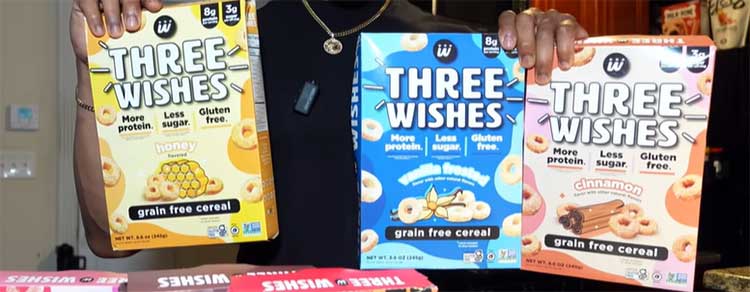
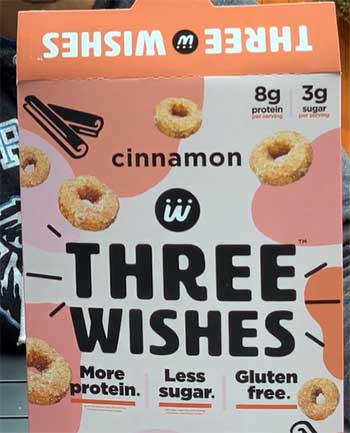
- Plant-based protein from pea and chickpea sources gives 8 grams per serving while keeping everything vegan and free from common allergens like dairy, soy, and nuts. I switched to this on days I wanted a lighter feel, and the clean energy lasted without any heaviness in my stomach that sometimes comes from dairy.
- Only 3 grams of sugar from organic cane and monk fruit keeps things low without going completely zero, and I found the subtle sweetness balanced perfectly with the natural flavors. It never left me craving more sweetness later, which helped me avoid mid-morning snacking.
- Simple ingredient list with just chickpea, tapioca, pea protein and a few natural additions makes it feel wholesome. I liked knowing exactly what was in each bite, especially when I compared labels side by side with other boxes in my cabinet.
- Crunch that really holds up in milk became my favorite part. I could take my time eating without the pieces turning to mush halfway through, and that texture reminded me of the cereals I grew up with but without the guilt.
- Affordable price point lets me keep multiple flavors stocked without blowing my grocery budget. At roughly two-thirds the cost of the other option, I could experiment more freely and still feel good about the purchase.
- Flavor options like Cinnamon and Fruity deliver bright, familiar tastes that the whole family enjoyed during weekend breakfasts. The Marshmallow version especially surprised me with how close it came to the real thing while staying plant-based.
- Gluten-free and grain-free base works well for anyone avoiding wheat or oats. I noticed better digestion on days I chose this over grain-heavy alternatives, which added an unexpected bonus.
- Compact box size with generous servings inside means it travels easily in my work bag for office mornings. I never felt shortchanged on volume even though the price stays low.
Pros of Three Wishes
- Lower price makes it accessible for regular use. I could afford multiple flavors and still stay under budget, which encouraged me to keep healthy cereal in rotation longer.
- Vegan and plant-based formula works for more diets. I shared it freely with friends who avoid dairy and never heard complaints about taste or texture.
- Exceptional crunch that lasts in milk became my go-to feature. I could take my time eating without soggy pieces ruining the experience.
- Clean, minimal ingredients give peace of mind. The short label reads like real food, and I felt confident serving it to anyone.
- Bright flavors appeal to both kids and adults. The Cinnamon version especially became a weekend staple that everyone reached for first.
- Generous servings per box stretch the value further. I got full bowls every time without worrying about running low too soon.
- Allergen-friendly recipe suits sensitive households. No nuts, soy, or dairy meant fewer worries when guests visited.
- Light calorie count still feels filling thanks to the fiber and protein combo. I stayed satisfied without feeling heavy afterward.
Cons of Three Wishes
- Lower protein means I needed to add extra sources like nuts or yogurt to hit my daily target. It worked but required a bit more planning than the higher-protein alternative.
- Slightly higher sugar and carbs limit it for strict keto days. I had to save this one for higher-carb allowance periods.
- Some flavors can taste milder compared to bolder options elsewhere. The Marshmallow version felt subtle at times, though still enjoyable.
- Certain pieces occasionally stuck to teeth, which was a minor annoyance during quick morning routines.
- Availability sometimes spotty in smaller stores. I relied more on bigger chains or online orders to keep stock consistent.
After weighing everything through repeated taste tests and tracking how each fit into my actual routine, I found myself reaching for Magic Spoon when I needed maximum protein and steady energy, and turning to Three Wishes when budget or vegan preferences took priority.
Both beat regular cereal hands down, but the choice came down to personal priorities around macros, cost, and dietary needs. I kept both in my pantry and rotated based on the week ahead.
Also Read: My Experience With Catalina Crunch Cereal.
Frequently Asked Questions (FAQ)
Yes, Three Wishes offers clean plant-based ingredients, 8 grams of protein, and only 3 grams of sugar per serving, making it a much better choice than traditional sugary cereals.
Yes, Magic Spoon provides 13 grams of complete protein, zero sugar, and low net carbs, supporting sustained energy and muscle health without the usual blood sugar spikes.
No, Magic Spoon is available again at Costco locations nationwide, often in convenient multi-packs and at competitive prices.
Yes for most people, because the lower cost, vegan formula, and satisfying crunch deliver strong value compared to other specialty cereals.
Final Thoughts
I hope this breakdown helps you decide which bowl belongs in your morning lineup. If you value top-tier protein and zero sugar like I often do, Magic Spoon might become your new favorite. If budget, plant-based eating, or extra crunch matter more right now, Three Wishes could easily win you over.
Either way, both options prove you don’t have to give up cereal to eat better. Try a box of each when you can and see which one keeps you coming back—your taste buds and your goals will thank you.