
I’ve spent years experimenting with nutrition shakes to keep my energy steady and my diet on track without feeling deprived. After trying both LyfeFuel and Ka’Chava extensively—blending them into my mornings, post-workout routines, and busy afternoons—I’ve put together this detailed comparison.
My goal here is to break down everything from taste and nutrition to how each one actually feels in daily life, so you can decide which one fits your needs better. Whether you’re chasing sustained focus or a full meal in a glass, I’ll share what I’ve learned firsthand.
| Aspect | LyfeFuel Essentials | Ka’Chava Whole Body Meal |
| Calories per Serving | 110-150 | 240 |
| Protein | 18g (plant-based blend) | 25g (pea, rice, sacha inchi, etc.) |
| Net Carbs | 3g | 12-15g (varies by flavor) |
| Superfoods/Nutrients | 50+ superfoods, 27 vitamins & minerals | 85+ superfoods & nutrients |
| Fiber | Moderate | High (around 6-9g) |
| Primary Focus | Nutrient density, daily essentials, light fuel | Full meal replacement, satiety |
| Taste Profile | Clean, subtle; best blended | Rich, dessert-like |
| Digestion | Gentle, minimal bloating | Can cause bloating for some |
| Price Point | More affordable long-term | Premium pricing |
Key Differences Between LyfeFuel And Ka’Chava
Switching between these two shakes for over a year highlighted stark contrasts in how they fit into my routine. What works amazingly for one scenario often falls short in another, and these differences shaped which one I reach for on any given day.
- Calorie and Macro Philosophy
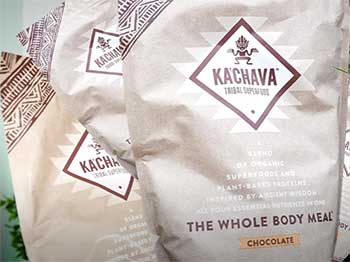
LyfeFuel keeps things ultra-light with around 100-110 calories per serving, making it feel more like a nutrient booster than a heavy meal.
I could drink it mid-morning without worrying about calorie overload, and it slotted perfectly into days when I was watching intake or had a real lunch planned.
Ka’Chava, at 240 calories with higher fats and carbs, is built for true meal replacement—it’s substantial, keeps me full for 3-4 hours, and works great when I’m skipping a sit-down meal.
If you’re active but not trying to pack on calories, LyfeFuel gives flexibility; Ka’Chava feels more committing.
- Protein Content and Sources
Ka’Chava packs 25g of plant-based protein from a diverse blend including pea, rice, sacha inchi, and quinoa, which I noticed helped more with muscle recovery after tough workouts. LyfeFuel offers around 18g from a clean pea and rice combo that’s complete but lighter overall.
For pure protein needs, Ka’Chava edges ahead, especially if you’re lifting heavy or need that post-gym rebuild. I appreciated LyfeFuel’s protein for daily maintenance without the extra caloric baggage.
- Carb and Fiber Profile
This is huge for me. LyfeFuel stays super low-carb—about 3g net carbs—with moderate fiber that never upset my stomach. It’s keto-friendly and keeps blood sugar steady all day.
Ka’Chava has higher carbs (around 12-15g net, depending on flavor) and more fiber (6-9g), which promotes amazing satiety but sometimes led to bloating or gas, especially if I had it on an empty stomach. If digestion sensitivity is your thing, LyfeFuel wins hands-down; Ka’Chava’s fiber is great for regularity but requires adjustment.
- Nutrient Density and Ingredient Count
Ka’Chava boasts 85+ superfoods and nutrients, covering everything from mushrooms and adaptogens to omegas and probiotics—it’s like drinking a supplement aisle. I felt “covered” in every category, from immunity to joint health.
LyfeFuel focuses on 50+ targeted whole-food nutrients, emphasizing bioavailability and essentials without overload. It’s more streamlined, avoiding potential irritants, and I noticed better absorption—no wasted ingredients. Ka’Chava is broader; LyfeFuel is deeper per scoop.
- Digestion and Gut Comfort
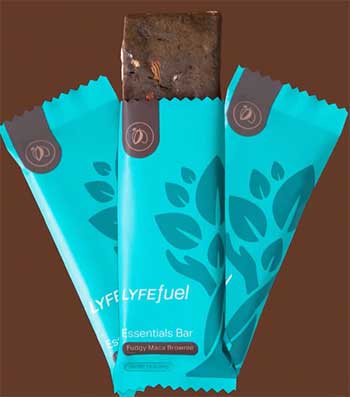
Hands down, LyfeFuel was gentler every single time.
Its enzymes and probiotics are subtle, and the lower fiber meant zero bloating, even daily.
Ka’Chava’s higher fiber and inulin-like ingredients caused noticeable discomfort for me initially—gas, fullness that bordered on heavy.
Over time it improved, and the gut support is real, but if you have IBS tendencies or prefer light mornings, LyfeFuel feels cleaner and easier.
- Taste and Drinkability
Ka’Chava tastes like a treat—rich, creamy, dessert-level good in flavors like chocolate or vanilla. I could drink it straight with water and enjoy it.
LyfeFuel has a cleaner, more neutral profile (chocolate and chai are solid but earthy), and it shines when blended with extras like berries or nut butter. Standalone, Ka’Chava wins for pure enjoyment; LyfeFuel rewards a bit of effort for customization.
- Energy Delivery and Feel
LyfeFuel gave me that clean, sustained focus—no jitters, no crash, just even energy that carried through long days or workouts. The low-glycemic design kept me sharp. Ka’Chava provided robust fuel but sometimes left me with a slight post-meal sluggishness due to higher calories and fats.
For mental clarity and lightness, LyfeFuel dominated; for powering through when I needed substantial energy, Ka’Chava delivered.
- Price and Long-Term Value
LyfeFuel is noticeably more affordable per serving, stretching further for daily use without breaking the bank. Ka’Chava’s premium pricing reflects its broader ingredient list and meal-like nature—worth it occasionally, but harder to justify every day.
If budget matters for consistent use, LyfeFuel offers better everyday value.
- Positioning and Best Use Case
LyfeFuel markets itself as daily essentials—a metabolic booster to fill nutrition gaps, replace multiple supplements, and support sustained energy without heaviness.
It’s my go-to for active lifestyles needing light fuel. Ka’Chava positions as a whole-body meal, emphasizing fullness, indulgence, and comprehensive coverage. Perfect for busy days skipping meals or when you want something satisfying.
- Texture, Mixing, and Versatility
Ka’Chava blends thick and creamy, almost milkshake-like, which feels luxurious but can be too heavy solo. LyfeFuel mixes smoother and lighter, making it versatile for smoothie bowls, overnight oats, or quick shakes.
I experimented more with LyfeFuel because it played well with additions.
- Allergen and Cleanliness Focus: LyfeFuel emphasizes being free from common allergens like soy, gluten, and seed oils, with fully whole-food sourcing. Ka’Chava is clean and organic but doesn’t highlight allergen-free as aggressively. If sensitivities are a concern, LyfeFuel gave me extra peace of mind.
Also Read: Reasons For Is Ka’Chava Being So Expensive.
Key Features of LyfeFuel
I’ve come to appreciate how LyfeFuel prioritizes efficiency—packing a ton of nutrition into fewer calories.

- Low-Calorie Density with High Nutrient Payoff: At around 110-150 calories, it delivers 18g of complete plant protein plus a full spectrum of vitamins and minerals. I use it when I want fuel without derailing my calorie goals, and it never feels like I’m skimping on nutrition.
- Clean, Whole-Food Focus: The ingredient list emphasizes organic greens, berries, and superfoods without unnecessary fillers. No artificial junk means I notice clearer skin and fewer random energy dips.
- Gut-Friendly Design: It includes gentle probiotics and enzymes that support digestion without overwhelming the system. After switching from heavier shakes, my mornings felt lighter and more consistent.
- Sustained Energy Formula: The low-glycemic carbs and balanced macros keep blood sugar stable. I’ve powered through long work sessions without reaching for coffee every hour.
- Versatility in Mixing: While it’s drinkable on its own, it transforms with additions like fruit or nut milk. I’ve made everything from simple shakes to smoothie bowls, and it always blends smoothly.
- Adaptogen and Antioxidant Boost: Ingredients like maca and various berries help with stress response and recovery. On tougher workout weeks, I felt less soreness and more resilience.
Pros And Cons of LyfeFuel
After months of daily use, here’s what stands out.
Pros
- Exceptional Nutrient-to-Calorie Ratio: You get a ridiculous amount of micronutrients without excess calories. It’s perfect when I’m watching intake but still want complete nutrition.
- Gentle on Digestion: Minimal bloating or discomfort, even on an empty stomach. This became my go-to after other shakes left me gassy.
- Boosts Daily Energy Consistently: No spikes or crashes—just steady fuel that carries me through workouts and work.
- Affordable Long-Term Option: Compared to premium brands, it stretches further without sacrificing quality.
- Clean and Transparent Ingredients: Everything feels purposeful and sustainably sourced. I trust what’s in it.
- Supports Recovery and Wellness: Better skin, hair, and overall vitality showed up after a few weeks.
- Low-Carb Friendly: Fits seamlessly into keto or low-carb lifestyles without weird aftertastes.
Cons
- Less Filling on Its Own: It’s not designed to replace heavy meals, so I sometimes add extras for more substance.
- Subtler Taste Profile: Not as dessert-like, which can feel boring if you’re used to sweeter options.
- Requires Creativity for Best Flavor: Blending with additions brings out the best—plain water mixes can taste too earthy.
- Lower Protein per Serving: 18g is solid but not the highest if pure muscle-building is your main goal.
Also Read: Is Premier Protein Cereal Worth It?
Key Features of Ka’Chava
Ka’Chava stands out for its “everything but the kitchen sink” approach—it’s built to replace a full meal.
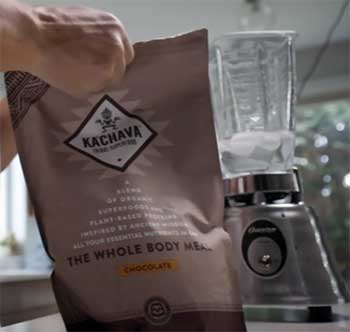
- High-Protein Plant Blend: 25g from multiple sources like pea, sacha inchi, and quinoa ensures complete amino acids. It’s noticeable in muscle recovery after intense sessions.
- Extensive Superfood Profile: Over 85 ingredients cover greens, fruits, adaptogens, mushrooms, and more. I felt like I was covering every base—immunity, heart health, even hair and nails.
- Rich Flavor Options: Flavors like chocolate and vanilla feel indulgent without guilt. It’s the one I reach for when I need something satisfying on busy days.
- Built-In Fiber and Probiotics: The higher fiber content promotes fullness and gut health. When I used it consistently, my digestion regulated nicely.
- Omega and MCT Inclusion: Healthy fats from sources like coconut support brain function and sustained satiety. I noticed sharper focus during afternoons.
- Adaptogen-Heavy Formula: Maca, reishi, and others help with stress and energy balance. During high-pressure weeks, it helped me stay calmer.
Pros And Cons of Ka’Chava
Ka’Chava impressed me with its completeness, but it wasn’t perfect.
Pros
- Feels Like a Complete Meal: The calorie and macro balance keeps hunger away for hours—great for skipping lunch without regret.
- Incredible Taste Variety: Flavors satisfy cravings while staying healthy. Chocolate became my reward after tough days.
- Broad Nutritional Coverage: Covers so many bases that I felt genuinely nourished, from joints to immunity.
- Strong Satiety Factor: High fiber and protein combo curbs appetite effectively.
- Premium Ingredient Quality: Organic, plant-based sources with adaptogens that actually seem to help stress levels.
- Convenient All-in-One: No need for multiple supplements when this hits most categories.
Cons
- Higher Calorie Load: At 240 calories, it can add up quickly if you’re not using it as a true meal replacement.
- Potential Digestive Upset: Some batches caused bloating or gas, especially early on.
- Premium Price Tag: It’s an investment—great when budget allows, but hard to sustain daily.
- Thicker Texture: Can feel heavy if you’re sensitive to rich shakes.
- Sweetness Level: While tasty, the sweetness might be too much for some palates long-term.
Which One Fits Different Lifestyles
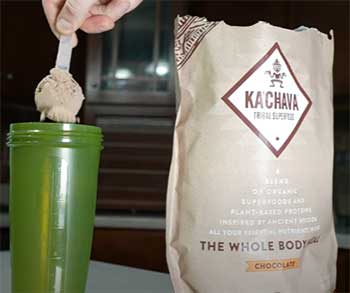
If you’re always on the go and need something quick that won’t weigh you down, I’ve found LyfeFuel integrates seamlessly.
It’s my pick for mornings when I have meetings stacked or workouts planned—I stay sharp without feeling stuffed.
Ka’Chava became my choice for longer stretches without food, like travel days or when dinner runs late.
The fullness factor is real, and the taste makes it feel less like a compromise.
For weight management, LyfeFuel’s lower calories gave me more flexibility. When building muscle or recovering from intense training, Ka’Chava’s higher protein edged it out.
Both improved how I felt overall—better energy, fewer cravings, more consistent nutrition. But LyfeFuel edged ahead for daily use because it never left me uncomfortable.
Also Read: Comparison of Pedialyte And Electrolit.
Frequently Asked Questions (FAQ)
Some users experience bloating, gas, or mild digestive discomfort due to high fiber and ingredients like inulin.
Yes, many report sustained energy without crashes thanks to balanced macros and nutrient density.
Dietitians often praise the quality ingredients but note the price and potential for digestive issues in sensitive individuals.
Yes, it’s designed as a light, nutrient-packed meal replacement, though many use it to supplement meals.
Wrapping This Up
After living with both LyfeFuel and Ka’Chava for months, I keep coming back to what works best for my body and routine. LyfeFuel has become my everyday staple—it’s lighter, gentler, and keeps me fueled without drama.
If you’re like me and want clean nutrition that supports energy and recovery without excess calories, I think you’ll love it too.
That said, if you need something more substantial that truly replaces meals and tastes amazing, Ka’Chava might be your winner. Ultimately, try both if you can—your body will tell you what feels right.
Whichever you choose, you’re making a solid step toward better daily nutrition.