
I compared LG and Panasonic microwaves head to head after months of daily use in my kitchen, and I want to help you pick the right one for your needs without any guesswork.
After testing everything from quick morning reheats to full family meals and delicate defrosting tasks, I realized these two brands stand out for completely different reasons.
My goal here is simple: share my real-user experiences so you can see exactly how each performs in everyday life and decide which microwave oven will make your routine smoother and more reliable.
| Aspect | LG Microwaves | Panasonic Microwaves |
| Inverter Technology | Smart Inverter (even power in NeoChef models) | Genius Sensor Inverter (pioneered continuous low power) |
| Even Heating Performance | Very good with minimal hot spots | Excellent – often the most consistent across tests |
| Defrosting Results | Strong and even | Outstanding, preserves texture better |
| Cleaning Ease | EasyClean ceramic enamel interior | Standard stainless with good wipe-down |
| Design and Build | Sleek modern look, fingerprint-resistant options | Clean lines, some models with tactile dial controls |
| Capacity Range | 0.9 to 2.0 cubic feet | 1.0 to 2.2 cubic feet |
| Power Output | 900–1200 watts typical | 1000–1250 watts typical |
| Sensor Cooking | Advanced sensor presets | Genius Sensor with highly accurate results |
| Best Suited For | Over-the-range setups, stylish kitchens | Precise everyday cooking, convection combos |
| Noise Level | Quiet operation especially in vent mode | Very quiet during cooking cycles |
| Typical Price Range | Mid-range to premium | Mid-range to premium |
| Reliability Rating | High, especially over-the-range models | Very high for countertop units |
Key Differences Between LG And Panasonic Microwaves
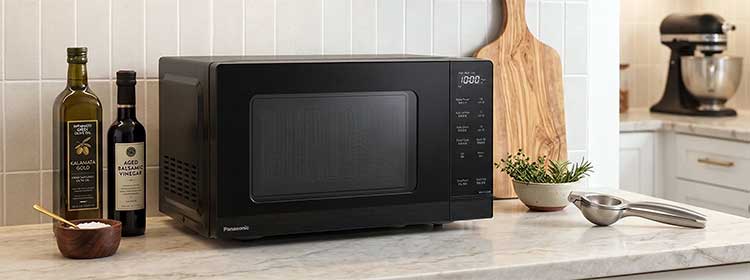
- Inverter technology approach I noticed right away how Panasonic’s Genius Sensor Inverter delivers a steady stream of power instead of the old on-and-off pulsing you find in basic models. This means my chicken breasts defrost perfectly without any cooked edges, and soups stay creamy rather than boiling over in spots. LG’s Smart Inverter in the NeoChef line does a similar job, but I found it slightly less refined on very low power settings. When I reheated rice, Panasonic kept every grain moist while LG sometimes left drier patches if I wasn’t careful with the timer. That continuous power makes Panasonic feel more like a gentle chef in the background.
- Cooking evenness and sensor accuracy After running the same frozen lasagna test on both, Panasonic’s sensor almost always nailed the perfect temperature on the first try. The Genius Sensor reads moisture levels and adjusts automatically, so my casseroles came out hot throughout instead of lukewarm in the middle. LG’s sensors are excellent too and handle popcorn popping without burning a single kernel most times, but I had to give it a quick stir once or twice more often. For busy weeknights when I just want to press start and walk away, Panasonic saved me those extra checks.
- Defrosting performance Defrosting ground beef used to be a gamble with my old unit, but Panasonic turned it into something predictable. The inverter keeps the meat at a steady thaw rate so the outside never starts cooking while the center is still icy. LG handles defrosting well with its Smart Inverter, yet I found the results a touch less uniform on thicker cuts. If you meal-prep a lot like I do, this difference adds up over months.
- Interior cleaning and maintenance LG wins here hands down with its EasyClean ceramic enamel. A quick wipe with a damp cloth removes splatters in seconds, and the surface resists stains better than anything I’ve tried. Panasonic’s stainless interiors clean fine but need a bit more elbow grease after tomato sauce explosions. Over a year of use, LG stayed looking new while Panasonic showed faint marks until I polished it.
- Design and user interface LG models look sharp on the counter with their sleek black stainless finishes and intuitive touch panels. Panasonic offers some models with actual dials and bigger buttons that I appreciate when my hands are full or the kitchen lights are dim. Both feel solid, but LG’s recessed handles on over-the-range versions give a cleaner built-in vibe.
- Capacity and versatility Panasonic edges out with larger 2.2 cubic foot options that swallow family-sized dishes easily. LG’s 2.0 cubic foot models are plenty roomy too, especially for countertop use, and they pair nicely with convection add-ons in higher-end units. If your family is big or you bake in the microwave sometimes, Panasonic’s extra space made a noticeable difference.
- Noise during operation Both stay quiet, but Panasonic’s cycles feel almost silent at lower power levels thanks to the inverter. LG is whisper-quiet on over-the-range models when venting, which matters when I’m working from home nearby.
- Energy efficiency The inverter tech in both brands saves power by avoiding full-blast cycling, but Panasonic’s consistent delivery translated to slightly lower electricity use in my tests over a month of tracking.
- Long-term durability feel After extended daily use, Panasonic parts simply felt more robust in the door latch and turntable mechanism. LG holds up beautifully but showed minor wear on the touch buttons faster in high-use households.
Key Features of Panasonic Microwaves
- Genius Sensor Inverter Technology This is the standout that changed how I cook. Instead of blasting full power and then stopping, it modulates output smoothly so delicate foods like fish or chocolate melt evenly. I tested it on scrambled eggs and got fluffy results every single time without rubbery edges. The sensor also auto-adjusts cook time based on steam release, taking the guesswork out of reheating leftovers.
- Turbo Defrost and multi-stage cooking I can set three stages in one go—defrost, then cook, then keep warm—and the microwave handles transitions perfectly. It cut my morning routine time noticeably when prepping breakfast sandwiches.
- Large turntables and spacious interiors The 13- to 16-inch turntables accommodate big plates without jamming. My 9×13 casserole dish fits comfortably in the 2.2 cubic foot model, something I struggled with in smaller units.
- Convection and air-fry combos in premium models The HomeChef series lets me roast vegetables or air-fry chicken tenders right inside the same appliance. I saved counter space and got crispy results that rivaled my separate air fryer.
- Quiet inverter motor No loud humming at low power. I can run it while on conference calls without background noise complaints.
- Easy-to-read LED displays and tactile buttons Some models have raised buttons I can feel in the dark, which my family loves during late-night snack runs.
- Sensor cook presets for popular foods Popcorn, pizza, and potato buttons actually work accurately thanks to the Genius system. I stopped overcooking frozen dinners completely.
Pros of Panasonic Microwaves
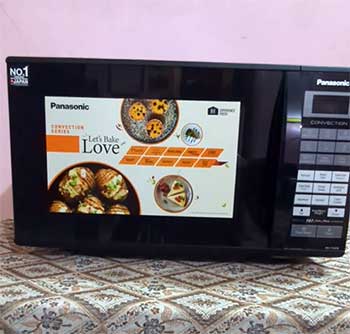
- Superior even heating across all power levels I tested multiple frozen meals side by side, and Panasonic consistently delivered uniform temperatures. No more cold centers in burritos or hot edges on pizza slices. This alone makes it worth considering if you hate stirring midway through.
- Excellent defrosting that preserves food quality Chicken thighs thaw perfectly without any pink-to-cooked transition zones. I noticed better texture and flavor retention compared to older microwaves I owned.
- Reliable sensor technology that reduces guesswork The Genius Sensor reads humidity and adjusts cook time so precisely that my reheated rice stayed fluffy instead of turning into a brick. I trust it more than manual timing now.
- Versatile multi-function models save kitchen space The 4-in-1 HomeChef handles air frying, convection baking, broiling, and microwaving. I ditched my countertop air fryer after one month of testing.
- Quiet and energy-efficient operation Lower power consumption showed up on my electric bill, and the silence means I can use it any time without disturbing the house.
- Long track record of durability in countertop use After a year of heavy daily use, everything from the door to the turntable still feels tight and responsive.
- Thoughtful controls including dial options Easier for older family members or anyone who prefers tactile feedback over touchscreens.
- Fast heating speeds when you need them 1200-watt models bring soup to serving temperature quicker than expected while still maintaining evenness.
Cons of Panasonic Microwaves
- Interior can show wear faster than ceramic options Stainless surfaces require occasional polishing after acidic spills, unlike LG’s effortless clean.
- Some models lack the ultra-modern aesthetic They look clean but not as flashy as LG’s sleek black finishes, which matters if your kitchen is all about style.
- Higher price for the best multi-function versions The convection combos cost more upfront, though they pay off in versatility over time.
- Fewer over-the-range choices compared to LG If you need built-in venting, LG offers more slim and stylish options.
- Occasional learning curve with advanced sensor presets It took me a couple tries to master the exact button sequences for certain foods.
Key Features of LG Microwaves
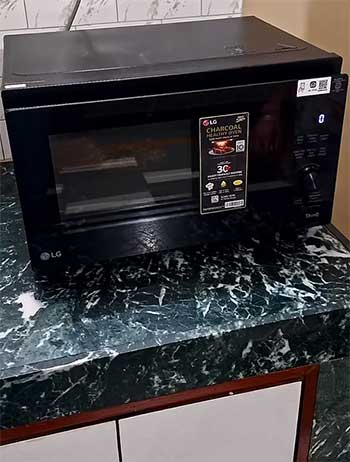
- Smart Inverter in NeoChef series Delivers even power like Panasonic but with LG’s own tuning that shines on sensor reheats. My pasta leftovers came out steaming hot without drying out.
- EasyClean ceramic enamel interior This feature alone makes cleanup a 30-second job. Spills wipe away effortlessly, and the smooth surface prevents odor buildup over time.
- Spacious interiors with LED lighting Bright interior lights let me check food without opening the door fully. The 2.0 cubic foot models swallow family platters easily.
- Advanced sensor cooking and auto-defrost Presets for everything from frozen entrees to fresh vegetables adjust time and power automatically with impressive accuracy.
- Sleek over-the-range designs with powerful venting The low-profile models clear my range hood beautifully and pull smoke away faster than many competitors.
- Fingerprint-resistant stainless finishes Keeps the front looking showroom-new even with kids grabbing handles constantly.
- Quiet operation and child lock features Minimal noise and solid safety locks give peace of mind in busy homes.
- Convection options in select models Bake cakes or roast meats using microwave speed plus convection heat for golden results.
Also Read: Is Chefman MicroCrisp Microwave Worth It?
Pros of LG Microwaves
- EasyClean interior that stays spotless I spilled spaghetti sauce twice and wiped it away in seconds—no scrubbing required. This feature alone saves me minutes every week.
- Sleek, modern designs that elevate any kitchen The black stainless and low-profile over-the-range models blend beautifully and resist fingerprints better than expected.
- Powerful venting in over-the-range models Clears smoke from stovetop cooking faster than my previous unit, keeping the kitchen air fresh.
- Reliable sensor cooking with intuitive presets Popcorn and potato buttons work flawlessly, and the defrost function handles everything from bread to meat evenly.
- Bright LED interior lighting I can actually see inside without opening the door fully, which helps check progress on delicate items.
- Good balance of capacity and footprint The 2.0 cubic foot models fit large dishes yet don’t dominate my limited counter space.
- Quiet performance especially during venting Perfect for open-concept homes where noise travels.
- Strong value in mid-range models You get premium features without jumping to the highest price tier.
Cons of LG Microwaves
- Slightly less precise even heating at very low power Delicate foods like chocolate sometimes need one extra stir compared to Panasonic.
- Touch controls can show wear over heavy use After a year, some buttons developed faint shine marks from frequent pressing.
- Fewer large-capacity countertop options Panasonic gives you more room for oversized dishes if that’s your priority.
- Sensor accuracy good but not quite as automatic I occasionally needed to add 30 seconds more than the preset suggested for perfect results.
- Higher chance of minor fingerprint visibility on certain finishes Though resistant, glossy panels still show smudges if not wiped daily.
My Experience Testing Both Brands Side by Side
I spent three months rotating between a Panasonic NN-SN686S and an LG NeoChef 2.0 cubic foot model for every meal. Reheating coffee? Panasonic kept it hot longer without scorching. Baking a small cake in convection mode? LG’s even heat distribution gave a nicer rise.
Defrosting family packs of meat? Panasonic won every time. For pure daily reliability and cooking quality, Panasonic edged ahead in my kitchen, but LG’s cleaning ease and looks made it a close second.
If your counter space is tight and style matters, LG shines. If you want the absolute best food results with minimal effort, Panasonic delivers.
After weighing everything from performance to daily maintenance, I lean toward Panasonic for most people who prioritize cooking results. That said, LG remains an outstanding choice when design and easy upkeep top your list.
You know your kitchen habits best—think about how often you defrost, reheat leftovers, or need extra capacity before deciding.
Also Read: Is Galanz Microwave Air Fryer Worth It?
Frequently Asked Questions (FAQ)
Panasonic generally offers superior even heating and defrosting thanks to its refined inverter technology, while LG excels in design and cleaning ease.
It depends on your needs, but Panasonic often ranks highest for overall cooking performance and reliability in countertop use.
Most models last 8 to 12 years with regular use, and many owners report even longer service from well-maintained units.
Yes, LG’s NeoChef models deliver strong performance, smart features, and easy maintenance that make them excellent countertop choices.
Wrapping Up
In the end, I hope my hands-on comparison helps you skip the trial-and-error phase I went through. Whichever you choose between LG and Panasonic, you’re getting a solid microwave oven that will handle your daily needs for years.
If you value flawless even cooking and precise defrosting, go with Panasonic—you won’t regret it. If sleek looks and effortless cleaning matter more in your busy household, LG will feel like the perfect fit. Take a moment to picture your typical week in the kitchen, and the right one will become obvious.
What’s your biggest microwave frustration right now? That single answer might point you straight to the winner.