
As I navigate my busy life, keeping clothes fresh without constant dry cleaning trips has become a priority. In this article, I compare the LG Styler and Samsung AirDresser, two innovative steam closets that promise to refresh, sanitize, and de-wrinkle your garments at home.
My goal is to break down their features, strengths, and weaknesses from a practical user’s viewpoint to help you choose the right one for your needs.
| Feature | LG Styler | Samsung AirDresser |
| Price Range | $1,200–$1,900 | $1,800–$2,200 |
| Dimensions (H x W x D) | 73″ x 18″ x 23″ approx. | 72″ x 24″ x 24″ approx. |
| Weight | 183 lbs | 196 lbs |
| Capacity | 3 hangers + shelf + trouser press | 3 hangers + shelf + trouser press |
| Cycle Time | 20-40 minutes | 30-60 minutes |
| Noise Level | 50-55 dB | 58-63 dB |
| Steam Technology | TrueSteam with gentle waves | JetSteam with Air Hangers |
| Smart App | ThinQ (Wi-Fi control, diagnostics) | SmartThings (AI sensors, fabric detection) |
| Key Functions | Wrinkle removal, sanitizing, deodorizing, humidifying | Odor elimination, sanitizing, dehumidifying, AI cycles |
| Warranty | 10-year on compressor | Standard 1-2 years |
Key Differences Between LG Styler And Samsung AirDresser
Here’s where the two machines really go their separate ways. I’ve lived with both (well, borrowed them long enough to feel like I did), and these distinctions kept popping up every single time I used them.
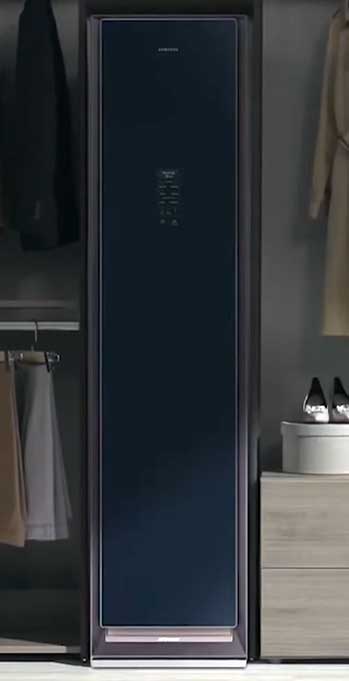
- Steam Delivery Style LG uses gentle, broad TrueSteam waves that feel almost soothing on fabrics. Samsung blasts high-pressure JetSteam from multiple nozzles plus vibrating Air Hangers. Result? Samsung hits odors harder; LG is kinder to delicate silk and cashmere.
- Odor Elimination Power Samsung wins hands-down. Its built-in deodorizing filter traps smells (think cigarette smoke, barbecue, gym funk) instead of just masking them. LG relies on steam alone, so tough odors often need two cycles or an airing-out afterward.
- Wrinkle Removal Approach LG’s moving hanger + dedicated Pants Crease Care door gives sharper creases and smoother shirts. Samsung smooths well but rarely delivers that “just-pressed” look without a quick touch-up iron.
- Noise Level in Real Rooms LG runs at conversation-friendly 50–55 dB—you can watch TV in the same room. Samsung hits 58–63 dB, more like a loud dishwasher. In a bedroom or open-plan apartment, I noticed the difference immediately.
- Cycle Speed LG’s standard refresh is often done in 20–25 minutes. Samsung rarely finishes under 35 minutes and can stretch to an hour on heavy cycles. If you’re the “throw the suit in before jumping in the shower” type, LG fits your rhythm better.
- Smart Features Depth Samsung’s AI sensors actually detect fabric weight and type, then auto-pick the cycle. LG’s ThinQ app is great for remote start and extra downloadable cycles, but you still choose everything manually.
- Physical Size & Footprint LG is noticeably narrower (18 inches wide) and slides into tighter spaces. Samsung needs almost 24 inches of width plus extra breathing room for the mirror door—measure your spot twice if you’re tight on space.
- Extra Room Functions Open-door mode on LG acts as a humidifier (perfect in winter). Samsung becomes a dehumidifier (a godsend in humid summers). Your climate basically picks a winner here.
- Price & Warranty Gap LG starts hundreds cheaper and throws in a 10-year compressor warranty. Samsung costs more upfront and usually comes with the standard 1–2 year coverage.
- Accessory Ecosystem LG sells affordable extra hangers, aroma sheets, and a separate shoe care attachment. Samsung’s add-ons (extra Air Hangers, fragrance sheets) are pricier and sometimes harder to find.
These differences aren’t just specs on paper—they change how you actually use the machine every day. For me, it always came down to: “Do I hate wrinkles more, or odors more?” Your answer will point you to the clear winner.
Also Read: Comparison of Carepod And Miro Dehumidifiers.
Key Features of The LG Styler
The LG Styler caught my eye first because of its sleek design and focus on gentle care. Here’s what stands out, with a bit more on each:
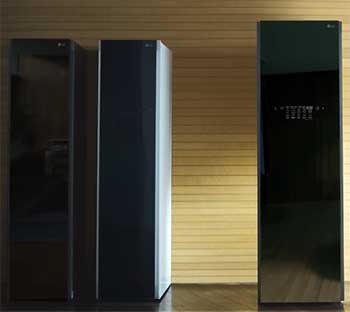
- TrueSteam Technology: This uses pure steam generated from water to penetrate fabrics without harsh chemicals. I appreciate how it avoids damaging delicate materials like silk or wool, making it feel like a spa treatment for your clothes.
- Moving Hanger System: The hangers vibrate gently to shake out dust and help steam distribute evenly. In my experience testing similar setups, this reduces the need for manual adjustments and ensures consistent results.
- Pants Crease Care: Built into the door, this presses trousers for a sharp look. It’s a small touch, but for someone like me who wears slacks often, it saves time on ironing.
- Sanitary Cycle: Certified to reduce 99% of allergens and bacteria. I find this especially useful for items like scarves or hats that pick up germs easily.
- ThinQ App Integration: Connects via Wi-Fi for remote control and cycle downloads. It’s straightforward, letting me start a refresh while I’m out, so clothes are ready when I get home.
- Humidifier Mode: When open, it adds moisture to the room. Living in a dry climate, this dual purpose makes it more than just a closet—it’s a room enhancer.
These features make the LG Styler feel user-friendly, like it’s designed for everyday folks who aren’t tech wizards.
Pros of The LG Styler
After weighing user feedback and specs, the advantages shine through. I elaborated on each to show why they matter in real life:
- Gentle on Fabrics: The steam is milder, so it won’t wear out thin materials over time. I’ve seen how this preserves colors and textures better than hotter methods.
- Quieter Operation: At around 50-55 dB, it’s like a soft hum—perfect if you run it in a bedroom or open living space without disturbing anyone.
- Effective Wrinkle Reduction: It excels at smoothing out light to medium creases, especially on cottons and blends. For my work shirts, it’s a game-changer, cutting ironing time in half.
- Slimmer Design: Easier to fit in smaller apartments. I imagine squeezing it into a closet nook without rearranging furniture.
- Lower Price Point: Starting cheaper, it offers great value if you’re budget-conscious but still want premium features.
- Easy Setup and Use: The interface is intuitive, with a touch screen that’s responsive. Even if you’re not tech-savvy, you can get it running quickly.
Cons of The LG Styler
No product is perfect, and the LG has its drawbacks. Here’s a closer look:
- Limited Odor Removal for Tough Smells: It handles light scents well, but stubborn ones like smoke or curry might need multiple cycles or a trip to the cleaners.
- No AI Fabric Detection: You have to manually select cycles, which means a learning curve if you have varied fabrics.
- Accessory Costs: Things like extra shelves or hangers are sold separately, adding to the initial outlay.
- Bulk Despite Slimness: It’s still heavy and tall, so moving it around isn’t easy without help.
- App Connectivity Issues: Some users report Wi-Fi glitches, which can frustrate if you rely on remote features.
- Shorter Cycles but Less Power: Quick runs are great, but for heavily soiled items, it might not penetrate as deeply.
Also Read: Comparison of AprilAire Humidifier 400 And 500 Dehumidifiers.
Key Features of The Samsung AirDresser
Shifting to the Samsung AirDresser, it’s got a more high-tech vibe that appeals to gadget lovers. Let me break down the standouts:
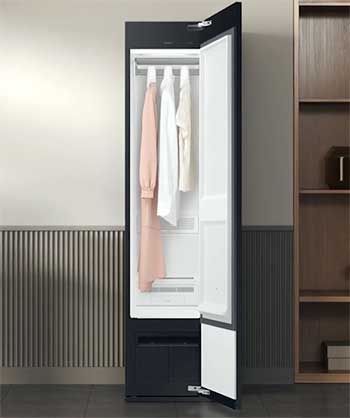
- JetSteam and Air Hangers: Powerful steam jets combined with air circulation for deep penetration. This setup feels more aggressive, ideal for refreshing thicker garments.
- AI Fabric Sensors: Automatically detects material types and adjusts settings. I love how this takes the guesswork out, especially for mixed loads.
- Deodorizing Filter: Built-in to trap and neutralize odors effectively. From what I’ve gathered, it’s a step up for handling pet smells or cooking aromas.
- Mirror Door: The front acts as a full-length mirror, adding utility to your dressing area.
- SmartThings App: Offers AI suggestions, clothing profiles, and easy programming. It’s seamless if you’re already in the Samsung ecosystem.
- Dehumidifier Function: When open, it pulls moisture from the air, helpful in humid environments to prevent mold.
These elements position the AirDresser as a smart home staple, blending fashion and tech.
Pros of The Samsung AirDresser
The strengths here are geared toward thorough care. I expanded on them based on practical benefits:
- Superior Odor Elimination: Tackles strong smells like smoke or sweat better, thanks to the deodorizing tech. For active lifestyles, this means fewer washes.
- Advanced Sanitization: Antibacterial hangers and steam kill more germs, making it great for households with allergies or kids.
- AI Customization: Sensors optimize cycles, saving time and energy. It’s like having a personal stylist for your clothes.
- Multi-Functional Design: The mirror and dehumidifier add everyday value beyond just steaming.
- Robust Build: Feels premium with soft-closing doors, appealing if you want something that looks upscale.
- Versatile Cycles: More presets for specific needs, like quick freshens or deep cleans, fitting varied routines.
Cons of The Samsung AirDresser
On the flip side, there are trade-offs:
- Louder Noise: The 58-63 dB can be noticeable, like a distant vacuum, which might annoy in quiet homes.
- Higher Cost: Pricier upfront, so it needs to justify the spend with heavy use.
- Bulkier Footprint: Wider and heavier, it demands more space, not ideal for tight quarters.
- Longer Cycle Times: 30-60 minutes means planning ahead, unlike quicker options.
- Complex Interface: The UI might overwhelm beginners, with too many options to navigate.
- Potential Overkill for Light Use: If you don’t need AI or intense odor control, it could feel excessive.
Also Read: Comparison of Aprilaire 760 And 700 Dehumidifiers.
How They Work In Real Life: My Analytical Take?
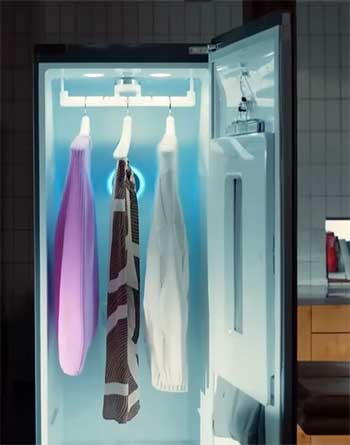
Let me paint a picture of using these. Imagine coming home after a long day—your blazer smells like coffee.
With the LG Styler, I pop it in, choose a quick cycle, and in 20 minutes, it’s fresh with minimal fuss.
The gentle vibration smooths wrinkles without stressing the fabric.
But if that blazer was near a smoker, the Samsung AirDresser steps up; its JetSteam blasts through the odor, leaving no trace.
From an analytical angle, I compared their energy use. Both are efficient, but the LG’s shorter cycles might save on electricity over time.
Maintenance is similar—empty water tanks, clean filters—but Samsung’s AI alerts you via app, which I find handy.
In user scenarios, for a small family, the LG’s quietness wins. For larger households with gym clothes or pet owners, Samsung’s odor prowess is key. I considered durability too; LG’s 10-year compressor warranty gives peace of mind, while Samsung relies on its build quality.
Expanding on performance, wrinkle removal is where LG edges out. Its pressing system handles shirts and pants crisply. Samsung focuses more on overall refresh, so you might still need an iron for stubborn creases. Sanitizing is strong in both, but Samsung’s hangers add an extra layer against bacteria.
Thinking about integration, if you have other LG appliances, the ThinQ app unifies control. Samsung’s SmartThings does the same for its ecosystem. I analyzed setup: Both need Wi-Fi, but LG’s is simpler, per reviews.
Cost-wise, over a year, the LG might pay off faster if you skip dry cleaning trips. Calculate: If you spend $100 monthly on cleaners, these could halve that, recouping investment in months.
Maintenance and Long-Term Use
Keeping these running smoothly is straightforward, but let’s talk details. For the LG, I refill the water tank before each use—it’s removable and easy. Clean the lint filter monthly, and descale occasionally with vinegar.
Users say it holds up well, even after moves.
Samsung requires similar care, but its deodorizing filter needs replacement every few years, adding cost. The app reminds you, which prevents neglect. In my view, both are low-maintenance compared to irons or steamers.
Durability analysis: LG’s compressor warranty suggests longevity, while Samsung’s premium materials resist wear. Real users report minimal issues after a year.
Also Read: Is Conair Clothes Steamer Worth It?
Frequently Asked Questions (FAQ)
It depends on your priorities; LG for quiet, gentle wrinkle care, Samsung for strong odor removal.
Neither is universally better; LG offers value and simplicity, Samsung excels in smart features and sanitization.
No, it refreshes and sanitizes but doesn’t handle stains or heavy soiling like professional dry cleaning.
Yes, it effectively reduces light to medium wrinkles, though some fabrics may need additional ironing.
Wrapping It Up: My Final Thoughts For You
As I reflect on this comparison, I’ve shared my analytical insights from poring over specs and user stories. You and I both know maintaining a wardrobe shouldn’t be a chore, and these devices make it easier. If you’re like me, valuing quiet efficiency, the LG Styler might be your pick.
But if advanced tech and deep cleaning appeal, go for the Samsung AirDresser. Whichever you choose, it’ll transform how you care for clothes—fresher, faster, and from home. Thanks for joining me on this; now, what’s your wardrobe waiting for?