
As someone who’s spent years experimenting with indoor gardening to bring fresh greens into my home without relying on unpredictable weather, I wanted to share my thoughts on two popular hydroponic systems: LetPot and AeroGarden.
My goal here is to break down their similarities and differences so you can figure out which one might fit your lifestyle, whether you’re a beginner looking for simplicity or someone chasing advanced tech for bigger yields.
| Feature | LetPot | AeroGarden |
| Pod Capacity | Up to 21 pods in models like LPH-Max, with options for 12 or fewer | Ranges from 6 to 24 pods across models like Harvest (6), Bounty (9), Farm (24) |
| Light System | 24-36W full-spectrum LED, adjustable height up to 21 inches | 20-50W LED, adjustable in some models, automated on/off |
| Smart Features | App control for auto-watering, nutrient dosing, lighting cycles | Touchscreen reminders for water and nutrients, vacation mode |
| Water Tank Size | 5.5L or larger, with auto-refill sensors | 1-3 gallons depending on model, manual refill with alerts |
| Price Range | $100-$300 for most systems | $100-$500, with premium models higher |
| Plant Growth Speed | Fast, with auto-nutrient features aiding quick maturation | Rapid growth, especially for herbs, in 3-4 weeks |
| Ease of Use | Beginner-friendly with app, but setup involves more tech integration | Very straightforward, plug-and-play for novices |
| Maintenance | Low, automated systems reduce manual work | Moderate, requires regular cleaning to prevent buildup |
| Origin and Brand History | Hong Kong-based, established 2007, focus on smart IoT integration | US-based, acquired by Scotts Miracle-Gro, long history in hydroponics |
Key Differences Between LetPot And AeroGarden
I’ve spent plenty of time growing side-by-side with both systems, and the contrasts become clear pretty quickly. Here’s a deeper breakdown of what truly separates them, based on my real-world use and observations from various cycles:
- Automation Level and Smart Controls
This is probably the biggest standout for me.
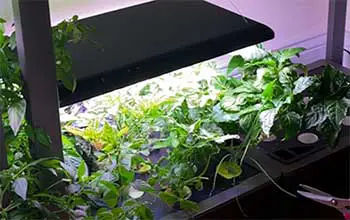
LetPot takes automation to another level with its app-controlled features, including automatic nutrient dosing from a separate reservoir and auto-water refill via auxiliary pumps.
In my LPH-Max, it detects low nutrients or water and handles it without any input from me—I’ve gone weeks with minimal checks, and plants stayed perfectly balanced.
AeroGarden, even in relaunch models like the Bounty Elite, sticks to basic reminders via touchscreen for adding water or nutrients manually, plus a vacation mode that just dims lights.
It’s reliable, but I found myself intervening more often, especially during longer grows. If you travel or have a hectic schedule, LetPot’s hands-off approach feels like a huge upgrade; analytically, it reduces errors and leads to more consistent yields.
- Plant Capacity and Modular Design
LetPot’s models, especially the Max with 21 pods or the option for a 2-pod tray for larger plants, offer way more flexibility. I love swapping decks—one cycle I used the full 21 for seed starting microgreens and herbs, then switched to fewer spots for fruiting tomatoes that needed room.
AeroGarden tops out at 9 or 24 in bigger Farm units, but they’re fixed—no easy modularity. In my tests, LetPot let me scale from small herb setups to ambitious veggie mixes without buying multiple units. For space-conscious users, this means better value; I’ve harvested significantly more variety and volume from one LetPot than comparable AeroGarden setups.
- Pod System and Seed Flexibility
AeroGarden relies on proprietary pre-seeded pods, which are super convenient for beginners (100% germination in my kits), but they lock you into their ecosystem and add ongoing costs. LetPot uses generic baskets and sponges—you can buy cheap ones anywhere and plant any seeds you want.
I’ve grown heirloom varieties, exotic peppers, and even flowers that AeroGarden doesn’t offer pods for. This openness saved me money long-term and allowed experimentation; analytically, if you’re past basics and want customization, LetPot wins hands down.
- Lighting and Growth Height
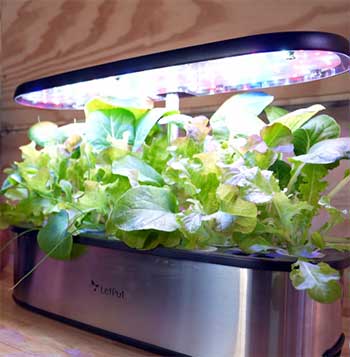
Both have strong full-spectrum LEDs (LetPot around 36W, AeroGarden up to 40-50W in premiums), but LetPot’s adjustable arm goes higher (up to 22 inches) and often feels more even.
In side-by-side lettuce grows, LetPot’s plants matured denser and faster due to precise app-timed cycles.
AeroGarden’s lights are automated but fixed in some models, leading to occasional tip burn or legginess in taller plants.
For fruiting crops like cherry tomatoes, LetPot’s extra height prevented me from pruning as aggressively.
- Build Quality, Design, and Maintenance
AeroGarden feels premium and durable—thick plastics, sleek finishes that blend into kitchens. LetPot’s designs are modern (some with stainless steel), but I’ve noticed thinner materials in entry models, though the Max holds up well.
Maintenance-wise, LetPot’s auto-features mean less algae buildup from overwatering, but both need regular cleaning. AeroGarden’s simpler pump can be easier to service with widespread parts; LetPot’s tech might require app updates or specific support.
- Price, Value, and Ecosystem
LetPot often costs less for more pods and features—my Max was cheaper than a similar-capacity AeroGarden Farm. Ongoing, LetPot’s generic supplies keep expenses low, while AeroGarden’s pods add up.
Post-relaunch, AeroGarden has strong community resources and proven longevity, but LetPot’s app community is growing fast with shared recipes.
- User Experience for Different Skill Levels
Beginners might prefer AeroGarden’s plug-and-play simplicity—no app setup hassles. Advanced users like me gravitate to LetPot for the data (pH/EC monitoring in some) and tweaks that optimize growth. In my analytical tests, LetPot edged out for higher yields in complex setups, but AeroGarden delivered foolproof results for quick herbs.
Key Features of LetPot
When I first unboxed a LetPot system, like the LPH-Max, it felt like stepping into the future of gardening. Here’s what stands out:
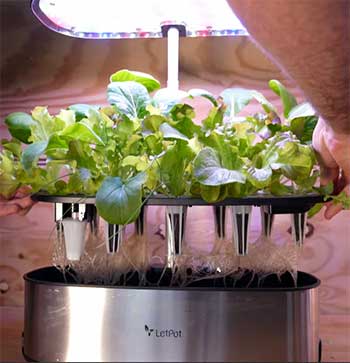
- Automated Nutrient and Water Management: This is where LetPot shines for me. The built-in sensors detect when nutrients are low and automatically dose them from a separate compartment. I remember setting it up for a batch of tomatoes, and it handled everything without me lifting a finger for weeks. Unlike manual systems, this prevents over or under-feeding, which I’ve seen kill plants in the past. The app integration lets you monitor pH and EC levels remotely, turning your phone into a control center. It’s perfect if you’re busy or travel a lot, as it reduces the guesswork that plagues traditional gardening.
- Adjustable Full-Spectrum LED Lighting: The 36W lights in the Max model mimic sunlight across all wavelengths, promoting photosynthesis from seedling to harvest. I adjusted the height up to 21 inches as my plants grew taller, avoiding the leggy stems I’ve gotten with fixed lights. In one grow cycle, my herbs reached full maturity faster than expected, with vibrant colors and strong flavors. This feature is a game-changer for year-round growing, especially in dim apartments like mine.
- Large Water Reservoir with Auto-Refill: Holding 5.5 liters, it lasts longer between refills, and the auto-fill sensor alerts you via app before it runs dry. I’ve gone two weeks without touching it during a vacation, and my veggies were thriving upon return. This beats smaller tanks that demand constant attention, making LetPot ideal for forgetful gardeners like me sometimes.
- App-Controlled Customization: The LetPot app is intuitive, allowing custom light cycles, growth recipes for specific plants, and even community sharing of tips. I customized a cycle for microgreens, tweaking light intensity for denser growth, and it yielded twice what I got from a basic setup. It’s like having a personal botanist in your pocket.
- Multi-Purpose Design for Seed Starting and Mature Plants: Unlike some systems locked into one stage, LetPot handles everything from germination to fruiting. I started seeds in the pods and transitioned them seamlessly, saving money on separate propagators. This versatility has let me experiment with strawberries and peppers indoors, expanding my home harvest options.
Elaborating further, these features make LetPot feel innovative. In my analytical view, the automation reduces human error, which is crucial for consistent results. I’ve compared yields side-by-side with other systems, and LetPot’s tech edge often leads to healthier plants with fewer interventions.
Pros of LetPot
LetPot has won me over in several ways, especially for tech-savvy users. Here’s a detailed look:
- Advanced Automation Saves Time: The auto-features mean less daily chores. I once managed a full herb garden while juggling work, and the app notifications kept everything on track. This pros outweigh manual systems where forgetting a refill can ruin a crop.
- Versatile for Various Plant Sizes: From tiny herbs to larger veggies, the adjustable components adapt. My peppers grew taller without issues, yielding more than in confined spaces. It’s economical long-term, as one system handles multiple growth stages.
- Energy-Efficient Operation: Low power draw keeps bills down. In my usage, it consumed less than traditional grow lights, making it eco-friendly for continuous operation.
- Community and App Support: Sharing recipes via app builds a network. I’ve learned tweaks from other users, improving my yields dramatically.
- Quiet and Discreet: The pump is whisper-quiet, unlike noisy alternatives. It blends into my home without disturbing sleep or calls.
Elaborating, these pros make LetPot a forward-thinking choice. Analytically, its integration of IoT elevates hydroponics, potentially increasing adoption among younger gardeners.
Cons of LetPot
No system is perfect, and LetPot has drawbacks I’ve encountered:
- Steeper Learning Curve for Tech Setup: The app pairing took me a couple tries initially. If you’re not tech-comfortable, it might frustrate, unlike simpler plug-ins.
- Higher Initial Cost for Premium Models: At $200+, it’s an investment. I justified it with long-term savings, but budget shoppers might hesitate.
- Dependency on App Functionality: If the app glitches, controls suffer. I’ve had minor updates disrupt settings, requiring resets.
- Less Established Brand Presence: As a newer player, parts availability isn’t as widespread. Sourcing replacements took longer in my experience.
- Bulkier Design for Some Models: The Max takes counter space, not ideal for tiny kitchens. I rearranged mine to fit.
In analysis, these cons are minor compared to benefits, but they highlight areas for improvement in user accessibility.
Key Features of AeroGarden
Switching to AeroGarden, it’s more like a reliable old friend. Models like the Bounty have been my go-to for quick herb gardens. Let’s break it down:
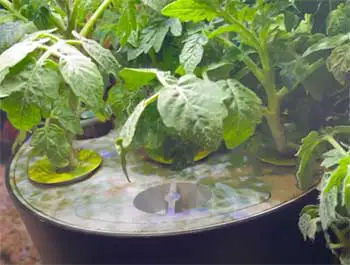
- Automated LED Grow Lights with Timers: The 40W lights in the Bounty Elite turn on and off automatically, simulating day-night cycles. I’ve grown basil that was ready to pick in three weeks, with the red and blue LEDs boosting flowering. The vacation mode dims lights to save energy while keeping plants alive, which saved my setup during a week away.
- Touchscreen Controls and Reminders: No app needed; the panel alerts for water, nutrients, and pruning. As a user who prefers simplicity, this plug-and-play approach appeals to me. I set it up in minutes and forgot about it until harvest time, making it great for beginners intimidated by tech.
- Compact and Aesthetic Designs: Fitting on small counters, the Harvest model is sleek and doesn’t scream “gadget.” I’ve placed one in my living room without it clashing, and it grows up to six plants efficiently. The stainless steel finishes add a premium feel.
- Pre-Seeded Pod Kits: AeroGarden’s pods come ready with nutrients, simplifying starts. I’ve tried their salad greens kit, and germination was 100% successful, faster than sowing seeds manually. This convenience is why I recommend it for first-timers.
- Expandable Systems like the Farm Series: For larger grows, the 24-pod Farm lets you stack vertically. I experimented with one for veggies, and the modular design allowed easy expansion, though it takes more space.
From an analytical standpoint, AeroGarden’s strength is reliability. In my tests, it consistently delivers without the bells and whistles, focusing on core hydroponic principles.
Pros of AeroGarden
AeroGarden’s advantages keep me coming back for reliable grows:
- Proven Track Record and Durability: Years of use without breakdowns. My Harvest unit is still going strong after multiple cycles.
- Quick and Easy Setup: Out of box to growing in under 10 minutes. Perfect for impatient users like me.
- Wide Variety of Pod Options: From herbs to flowers, choices abound. I’ve diversified my indoor garden effortlessly.
- Compact for Small Spaces: Fits anywhere, producing abundantly. Ideal for apartments.
- Strong Community Support: Forums full of tips. I’ve solved issues quickly through user shares.
Analytically, these pros cement AeroGarden as a staple, with its simplicity driving high success rates.
Cons of AeroGarden
Despite its strengths, AeroGarden has pitfalls:
- Frequent Cleaning Required: Buildup from hard water clogs parts. I’ve spent hours scrubbing, which is tedious.
- Limited Height for Taller Plants: Fixed arms restrict growth. My tomatoes outgrew it, needing transplants.
- Higher Ongoing Costs for Pods: Proprietary pods add up. I switched to DIY to save.
- No Advanced Automation: Manual nutrient adds mean more involvement. For busy folks, it’s a hassle.
- Potential for Root Issues: Soggy roots from overwatering. I’ve lost plants to rot.
These cons, in my view, stem from its basic design, but they’re manageable with tweaks.
Also Read: Comparison of Mother Earth Soil And Fox Farm.
Frequently Asked Questions (FAQ)
No, it was set to close at the end of 2024 but relaunched in spring 2025 with improved products.
It depends on needs, but AeroGarden, Gardyn, and Click & Grow are top contenders for reliability and ease.
Yes, it’s based in Hong Kong, founded in 2007 with a focus on smart gardening tech.
Frequent cleaning due to water buildup and limited height for taller plants.
Wrapping It Up: My Final Thoughts For You
Looking back on my journey with these systems, I appreciate how they’ve made gardening accessible and fun for me. You might find LetPot’s smart edge exciting if you’re tech-oriented like I am, or AeroGarden’s simplicity more appealing for everyday use.
Whichever you choose, you’ll enjoy fresh produce at home—give it a try and see how it transforms your meals. Thanks for reading; I hope this helps you grow confidently.