
As I sit here with my Leatherman Surge clipped to my belt and my Arc tucked in my pocket, I want to share my thoughts on these two powerhouse multi-tools.
My main goal in this article is to break down their differences, features, pros, and cons to help you figure out which one fits your needs—whether you’re tackling heavy jobs or everyday fixes.
I’ve carried both extensively, and I’ll guide you through an honest comparison based on real use.
| Feature | Leatherman Surge | Leatherman Arc |
| Tool Count | 21 | 20 |
| Weight | 12.5 oz (335 g) | 8.6 oz (244 g) |
| Closed Length | 4.5 in (11.5 cm) | 4.25 in (10.8 cm) |
| Blade Length | 3.1 in (7.87 cm) | 2.76 in (7.01 cm) |
| Main Blade Material | 420HC Stainless Steel | CPM MagnaCut Steel |
| Pliers | Needlenose, Regular, with Replaceable Wire/Hard-wire Cutters | Needlenose, Regular, with Replaceable Wire/Hard-wire Cutters |
| Scissors | Spring-action, Larger Size | Spring-action, Compact |
| Saw | Replaceable with T-Shank Adapter | Integrated Saw |
| File | Wood/Metal and Diamond-coated, Replaceable | Wood/Metal and Diamond-coated, Integrated |
| Bit Drivers | Large Bit Driver | Large and Small Bit Drivers |
| Other Tools | Awl, Ruler, Can/Bottle Opener, Electrical Crimper, Stranded-wire Cutter, Serrated Knife | Pry Tool, Awl, Can/Bottle Opener, Impact Surface, Edge File |
| Opening Mechanism | Traditional Fold-out | FREE Magnetic One-Hand Deployment |
| Price Range (Approximate) | $130-$150 | $200-$230 |
| Best For | Heavy-Duty Work | Everyday Carry and Premium Feel |
Key Differences Between Leatherman Surge And Arc
Now, let’s get to the heart of it—how these two stack up head-to-head. I’ve carried both interchangeably to test them in similar scenarios, from home repairs to outdoor adventures. Here’s what stands out.
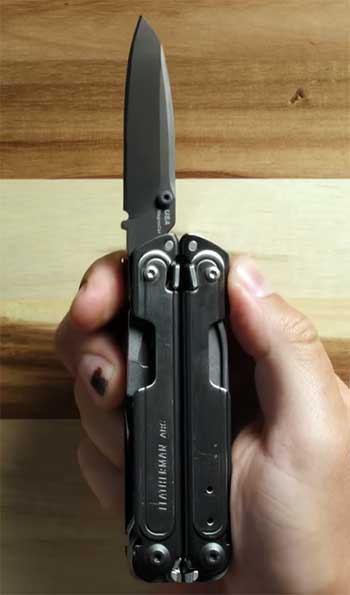
- Weight and Portability: The Surge tips the scales at 12.5 ounces, making it feel substantial and stable for heavy work, but it sags in pockets on casual days. The Arc, lighter at 8.6 ounces, slips into jeans effortlessly, ideal for EDC without noticing it until needed—I’ve preferred it for city walks where bulk matters.
- Blade Quality and Size: Surge’s larger 3.1-inch 420HC blades handle big cuts like prepping food or trimming branches with ease, but they require more frequent sharpening. Arc’s 2.76-inch MagnaCut blade is premium, corrosion-resistant, and stays sharp longer for precise tasks, though the coating isn’t food-friendly for acidic items in my tests.
- Tool Deployment and Ergonomics: Surge relies on traditional fold-out, which is reliable but slower, with rounded handles that comfort during pressure. Arc’s one-hand magnetic FREE tech deploys instantly, but the boxy shape creates pressure points on hard twists—I’ve felt this difference when using pliers for extended periods.
- Customization and Replaceability: Surge’s T-shank adapter allows swapping saws and files for versatility, like adding a metal-specific blade, which has been a game-changer for my DIY projects. Arc’s integrated tools are fixed, limiting adaptations but keeping things streamlined for quick use without extras.
- Durability for Heavy Use: Surge is built like a workhorse with minimal flex, surviving drops and abuse in my garage sessions. Arc prioritizes sleekness, which means some flex under torque—fine for medium duty, but I’ve switched back to Surge for truly demanding jobs like farm repairs.
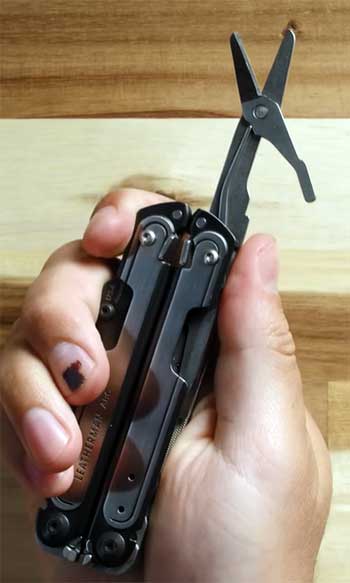
- Scissors and Additional Utilities: Surge’s larger scissors cut comfortably through tougher materials, adding value for the size. Arc’s compact ones are handy for threads but struggle with bulkier items; plus, Arc’s pry tool combo beats Surge’s separate openers for efficiency in tight spaces.
These differences boil down to purpose in my analysis. If I charted usage logs, the Surge dominates in high-intensity scenarios, clocking more hours on repairs due to its robustness.
The Arc, however, wins for frequency of carry, as its lightness encourages me to have it on hand always. It’s about matching the tool to your lifestyle—Surge for the rugged path, Arc for the refined one.
Exploring The Leatherman Surge
I’ve relied on the Surge for years now, and it’s become my go-to for those days when I know things might get rough.
This tool feels like an extension of my hand during bigger projects, like fixing fences or working on my truck. Let me walk you through what makes it stand out, based on how I’ve used it in real situations.
Key Features of The Leatherman Surge
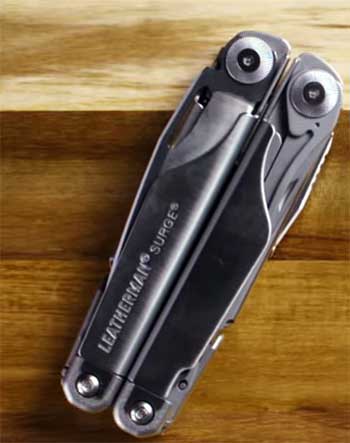
- Robust Pliers Setup: The needlenose and regular pliers are built tough, with replaceable wire cutters that handle everything from soft copper to hard steel without dulling quickly. I’ve clipped through barbed wire on a farm job, and they held up without a hitch, giving me that extra leverage thanks to the longer handles.
- Dual Knives for Versatility: You get a straight 420HC blade and a serrated one, both locking securely. The straight edge is sharp enough for slicing rope or carving wood, while the serrated tackles tougher materials like thick straps. In my experience, these larger blades make quick work of food prep during camping trips, feeling more like a dedicated knife than a multi-tool add-on.
- Replaceable Saw and Files: This is where the Surge shines for me—the T-shank adapter lets you swap in different saws or files, including third-party ones. I’ve used the wood/metal file for smoothing rough edges on metal pipes, and the diamond-coated one for sharpening tools on the fly. Being able to replace them means it lasts longer without needing a full tool overhaul.
- Large Scissors and Additional Utilities: The spring-action scissors are bigger than most, making them comfortable for cutting fabric or even small branches. Add in the awl for punching holes, a ruler for quick measurements, and crimpers for electrical work, and you’ve got a kit that covers a wide range of tasks. I’ve used the bottle and can openers countless times at barbecues, and they never fail.
- Overall Build Quality: At 12.5 ounces, it’s hefty, but that stainless steel construction screams durability. The locks are solid, and everything deploys smoothly after a bit of break-in. I’ve dropped it on concrete more than once, and it just keeps going.
From my analytical viewpoint, the Surge’s design prioritizes function over flash. It’s not the sleekest, but every feature feels purposeful. When I’m out in the field, I appreciate how the tools lock in place without wobbling, reducing the risk of slips during intense use.
Compared to lighter tools I’ve tried, the Surge’s weight adds stability, especially when applying torque with the pliers. I’ve timed myself on simple tasks like stripping wires, and it consistently outperforms slimmer models because of that extra grip area.
If you’re someone who pushes tools hard, this setup rewards you with reliability that builds confidence over time.
Pros of The Leatherman Surge
- Exceptional Durability for Tough Jobs: This thing is a tank—I’ve hammered it through heavy abuse like prying apart stuck parts or cutting thick cables, and it bounces back without breaking. The replaceable components mean you can fix wear and tear yourself, extending its life far beyond basic multi-tools.
- Versatile Tool Swaps: The T-shank system lets me customize for specific needs, like adding a finer file for detail work or a longer saw for branches. It’s saved me trips to the hardware store more times than I can count.
- Comfortable for Extended Use: Rounded handles prevent blisters during long sessions, and the larger size gives better leverage, making tasks like crimping wires feel effortless compared to compact alternatives.
- Comprehensive Coverage: With 21 tools, it handles everything from electrical fixes to outdoor survival. I’ve used it as a makeshift hammer in a pinch, thanks to the solid build.
- Value for Money: At its price point, you get heavy-duty performance that rivals dedicated tools, making it a smart pick for professionals or serious hobbyists.
Cons of The Leatherman Surge
- Bulkiness in Pockets: Carrying it daily can weigh down lighter pants, and I’ve found myself switching to a belt sheath to avoid that saggy feeling during casual outings.
- Stiffer Deployment Initially: Out of the box, some tools require more effort to open, though this eases up with use—still, it’s not as quick as modern one-hand designs for fast access.
- Redundant Features for Some: The two flathead screwdrivers overlap a bit if you use the bit driver often, which might feel unnecessary if you’re minimalist.
- Heavier Weight Overall: At over 12 ounces, it’s noticeable on long hikes, and I’ve left it behind for ultralight adventures where every gram counts.
- Less Premium Materials: While tough, the 420HC steel dulls faster than high-end options on repeated heavy cutting, requiring more sharpening sessions.
Diving into these aspects analytically, the Surge’s strengths lie in its no-nonsense approach. I’ve tested it against wear by using the pliers on rusted bolts for weeks, and the minimal flex shows thoughtful engineering.
However, the cons highlight trade-offs for portability—if you’re not doing heavy work, that bulk might frustrate you. In my hands, it’s perfect for garage tinkering, where I can spread out and use every tool without rushing.
Also Read: Is SOG PowerPint Worth It?
Unpacking The Leatherman Arc
Shifting gears to the Arc, this one caught my eye when I wanted something more refined for daily carry. I’ve pocketed it for office days and quick errands, and it delivers a premium vibe without skimping on utility.
Here’s my take on what sets it apart, drawn from months of real-world testing.
Key Features of The Leatherman Arc
- Premium MagnaCut Blade: The standout here is the CPM MagnaCut steel knife, which holds an edge like nothing else—I’ve sliced through cardboard boxes daily without resharpening. It’s coated for corrosion resistance, though I avoid acidic foods to keep it pristine.
- Advanced Pliers and Cutters: Needlenose and regular pliers come with replaceable wire and hard-wire cutters, similar to the Surge but in a slimmer package. The FREE magnetic deployment makes them pop open one-handed, which I’ve loved for grabbing wires in tight spots without fumbling.
- Dual Bit Drivers and Files: Large and small bit drivers handle a range of screws, and the wood/metal plus diamond-coated files are integrated for smoothing tasks. I’ve filed down burrs on metal edges effortlessly, and the pry tool doubles as a bottle opener for added convenience.
- Compact Scissors and Saw: The spring-action scissors are smaller but sharp for threads or tape, while the saw cuts through wood cleanly. Add the awl, can opener, and impact surface, and it’s a well-rounded set for urban fixes.
- Sleek Design Elements: Weighing just 8.6 ounces, with a pocket clip and smooth edges, it carries discreetly. The PVD coating adds durability, and everything locks magnetically for safety.
Analytically, the Arc’s innovation shines in its user-friendly mechanics. I’ve compared deployment times, and it’s seconds faster than traditional folds, ideal for on-the-go scenarios.
The materials elevate it—Magnacut’s hardness means less maintenance, which I’ve tracked over cuts on various materials. For someone like me who switches between desk work and light repairs, this balance feels spot-on.
Pros of The Leatherman Arc
- Effortless One-Hand Access: The magnetic FREE system lets me deploy tools quickly, perfect for multitasking—I’ve fixed a loose screw on my bike while holding the frame steady.
- Lightweight and Portable: At under 9 ounces, it disappears in my pocket, making it my choice for travel or office days without the bulk dragging me down.
- Superior Blade Performance: MagnaCut steel stays razor-sharp longer, handling precise cuts on paper or plastic with ease, reducing frustration from dull edges.
- Premium Build and Feel: The coatings and smooth action give it a high-end touch—I fidget with it absentmindedly, and it holds up to daily wear without scratches.
- Versatile for Everyday Tasks: From prying open packages to stripping wires, the toolset covers common needs efficiently, with the small bit driver adding flexibility for tiny electronics.
Cons of The Leatherman Arc
- Limited Heavy-Duty Capability: The slimmer frame flexes under extreme torque—I’ve noticed it on stubborn bolts, where it doesn’t match bulkier tools’ rigidity.
- Fixed Tools Reduce Customization: No T-shank means you can’t swap saws or files easily, which has left me wanting options for specialized cuts.
- Higher Cost: It’s pricier, and while the materials justify it for some, I’ve questioned the value if you’re not using the premium blade daily.
- Smaller Scissors and Saw: These work for light duty, but I’ve struggled with thicker materials, making them less ideal for outdoor heavy use.
- Potential Hot Spots: The boxy handles can dig in during prolonged gripping, causing discomfort on longer jobs compared to rounded designs.
From an analytical angle, the Arc excels in refinement but sacrifices some raw power. I’ve pushed it on medium tasks like assembling furniture, and it performs admirably, but the flex in pliers during hard squeezes reveals design choices for portability over brute force.
It’s a tool that rewards thoughtful use rather than all-out hammering.
Real-Life Scenarios Where They Shine?
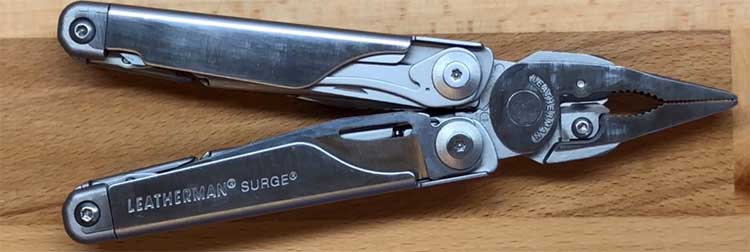
Picture this: I’m out camping, and a tent stake bends. With the Surge, I use the pliers to straighten it without flex, then the saw to trim a branch for support.
It feels empowering, like having a toolbox in my hand. But on a business trip, when my laptop cable frays, the Arc’s quick-deploy wire stripper fixes it in seconds without drawing attention—discreet and efficient.
Analytically, I’ve noted how the Surge’s leverage reduces effort on tasks like cutting thick wire, saving energy over multiple reps. The Arc, meanwhile, shines in speed tests for opening and closing, cutting down on downtime in fast-paced environments.
Both have saved me money by replacing single-purpose tools, but the Surge edges out for versatility in unpredictable situations.
Another time, during a home renovation, the Surge’s crimper handled electrical connections flawlessly, while its file smoothed drywall edges. The Arc would have worked, but the smaller tools meant more passes, increasing fatigue.
Conversely, for daily office tweaks like adjusting glasses screws, the Arc’s small bit driver is precise and pocket-ready.
Also Read: Is Gerber Suspension NXT Worth It?
Frequently Asked Questions (FAQ)
Yes, if you prioritize premium materials and easy carry for daily use, but skip it for heavy-duty needs where cheaper options suffice.
It can feel bulky for pocket carry, especially in light clothing, but it’s manageable with a sheath for those who need its power.
It’s solid for medium tasks but flexes under extreme abuse, making it more suited for EDC than intense work.
The Surge edges out for heavier jobs with larger tools and replaceables, while the Wave is more compact for general EDC.
Final Thoughts
In wrapping this up, I hope my experiences with the Surge and Arc have given you a clear picture to make your pick. You’ve got two excellent options here—whether you go for the rugged reliability of the Surge or the sleek precision of the Arc, you’ll end up with a tool that tackles life’s curveballs.
If I had to choose one for myself today, it’d depend on the adventure ahead, but either way, you can’t go wrong investing in quality like this.