
If you own anything made of real leather, you know the heartbreak of watching a premium investment turn dry, stiff, and cracked.
I’ve spent years trying to keep my leather gear looking like it just came off the showroom floor, and I can tell you there is only one product that actually delivers on its promises.
Leather Honey is the undisputed gold standard for restoration and protection. It breathes life back into old hides and keeps new ones supple for decades. Stop wasting money on cheap sprays; grab a bottle of Leather Honey and give your leather the luxury treatment it deserves.
My Personal Journey With The Leather Honey
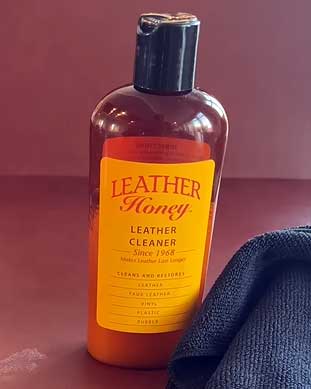
I remember the first time I stared at my grandfather’s old leather bomber jacket.
It was a beautiful piece of history, but it had spent twenty years tucked away in a dusty attic.
The leather was so parched it felt like sandpaper, and I was terrified that if I even tried to put it on, the sleeves would snap right off.
I had tried the usual drugstore leather lotions, but they just sat on the surface, making the jacket greasy without actually fixing the underlying dryness.
That is when I stumbled upon Leather Honey.
When the bottle arrived, I was skeptical. It looked like thick, amber syrup—nothing like the watery sprays I was used to. I spent a Saturday afternoon in my garage, carefully applying the conditioner to the jacket. The transformation was almost eerie.
As I rubbed the liquid into the grain, the leather didn’t just get shiny; it drank the stuff up. You could almost hear the fibers sighing in relief. Within an hour, that stiff, brittle relic started to feel like actual skin again.
It regained its flexibility, the deep mahogany color returned, and the cracks seemed to soften into a beautiful patina rather than looking like structural failures.
Since then, I have put this stuff on everything. My truck’s leather seats, which bake in the sun all day, get a coating every six months. My favorite pair of work boots, which take a beating in the mud and rain, stay waterproof and soft because of this miracle tonic.
I even used it on a designer handbag my wife thought was ruined after a spill. What I love most is the honesty of the product. It doesn’t use silicone or funky solvents to give you a fake, temporary shine.
It penetrates deep into the pores. It’s a long-term health plan for your leather, and having used it for over five years now, I won’t let any other chemical touch my gear. It has saved me thousands of dollars in replacement costs.
The Standout Advantages of Using Leather Honey
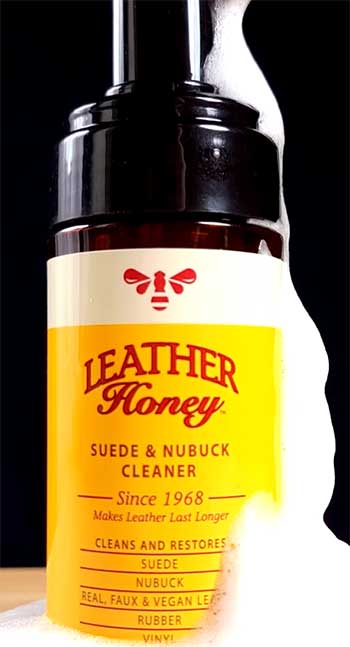
- Unmatched Penetration Power Most leather products on the market are water-based or filled with cheap oils that evaporate within days. When you use this conditioner, you are applying a non-toxic, high-viscosity formula designed to soak into the deepest layers of the hide.
- I’ve noticed that it doesn’t just sit on the top layer; it migrates through the fibers to restore flexibility from the inside out. This is crucial because leather is essentially skin, and once those internal fibers dry out, the leather dies. This product ensures that doesn’t happen.
- Long Lasting Protection And Durability One of the most annoying things about maintenance is having to do it every week. With this brand, a single application can last up to six months or even a year, depending on how much sun and use the item gets. I treated my leather sofa last winter, and it still feels as buttery soft today as it did the day I finished the application. It creates a water-resistant barrier that helps repel stains and moisture, which is a lifesaver if you have kids or pets.
- Safe And Non Toxic Chemical Composition I am very picky about the chemicals I bring into my home. A lot of leather cleaners smell like a laboratory and require you to wear a mask. This conditioner is different. It is odorless, water-repellent, and free of silicone, toxins, or any harsh solvents. You can apply it with your bare hands if you want to, though I prefer a lint-free cloth. Knowing that my kids can sit on the treated furniture without being exposed to nasty fumes gives me massive peace of mind.
- Incredible Versatility Across Different Items Whether you are dealing with a vintage car interior, a motorcycle saddle, equestrian gear, or just a simple leather belt, this product handles it all. I have used it on exotic leathers and standard cowhide with equal success. It is the Swiss Army knife of leather care. It simplifies your maintenance shelf because you don’t need five different bottles for five different items. As long as it is finished leather (not suede or nubuck), this bottle is your best friend.
The Realities And Potential Downsides of Leather Honey
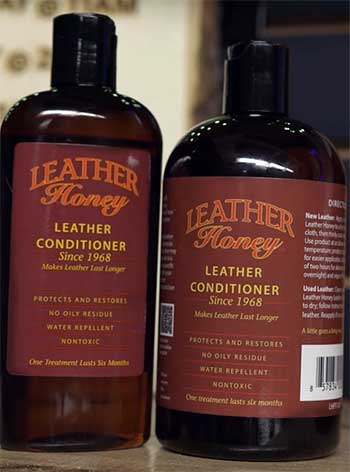
- The Initial Darkening Effect You need to be aware that because this formula is so rich and moves deep into the pores, it will almost certainly darken your leather, at least temporarily. On dark browns and blacks, you won’t even notice. However, if you have a light tan or cream-colored leather, it will shift the shade a few notches darker. Most of the time, it settles back down after a few weeks, but it rarely returns to the exact original “parched” light color.
- Sticky Residue If Over Applied The thickness of the liquid is its strength, but it can also be a weakness if you are heavy-handed. If you slop too much on and don’t buff it out properly, your leather can feel a bit tacky or sticky for a few days. It requires patience. You can’t just spray and walk away; you have to work it in and then wait for it to absorb. If you are in a rush to use the item immediately, the stickiness might frustrate you.
- Not Suitable For Suede Or Nubuck This is a deal-breaker for some. Because of the way it penetrates, it will completely ruin the “nap” or fuzzy texture of suede or nubuck. It will turn those materials flat and dark. I learned this the hard way on a pair of old desert boots. Always check your leather type before you start. If it’s soft and fuzzy, keep this bottle far away from it.
Mastering Your Leather Maintenance Routine
- Preparation And Deep Cleaning First You should never apply conditioner to dirty leather. Think of it like putting lotion on muddy skin; you’re just sealing the dirt in. I always start with a dedicated leather cleaner to lift out the salt, oils, and grime. Let the leather dry completely after cleaning. If you apply the conditioner while the leather is damp, you might trap moisture inside, which could lead to mildew issues down the road.
- The Importance Of The Spot Test I cannot stress this enough: always test a small, inconspicuous area first. Underneath a cushion or on the inside of a boot tongue is perfect. Apply a tiny amount, let it sit for 24 hours, and see how the color changes. This prevents any “oh no” moments when you realize the color shift is more than you wanted. It’s the golden rule of leather care that most people skip.
- Applying Thin And Even Coats The secret to a professional finish is using less than you think you need. A little bit of this liquid goes a very long way. I put a small dab on a lint-free microfiber cloth and work it in using circular motions. You want to ensure an even distribution so the color remains consistent across the entire piece. It is always better to do two thin coats rather than one massive, gloppy one.
- Allowing Proper Absorption Time Once you have applied the product, walk away. Your leather needs time to “breathe” the conditioner in. I usually let my items sit overnight in a room-temperature environment. This allows the oils to settle into the fibers properly. If there is any excess liquid sitting on the surface the next morning, just take a clean, dry cloth and buff it off. This simple step eliminates any potential stickiness and leaves a beautiful, healthy glow.
Comparing Leather Honey With The Heavy Hitters
- Leather Honey Vs. Lexol Leather Conditioner
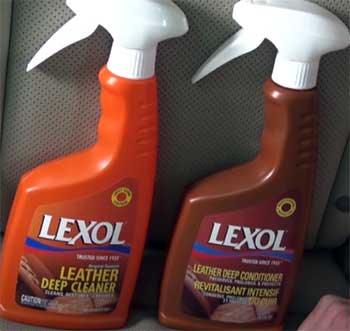
When you look at the heavy hitters in the leather care world, Lexol is almost always the first name that pops up in the conversation.
In my years of maintaining gear, I’ve found that the biggest difference here is the viscosity and the intent of the product.
Lexol is a much thinner, water-based liquid. It’s incredibly easy to spread and soaks in almost instantly, which is great if you are in a rush.
However, because it is so thin, it doesn’t offer the same “life-support” that Leather Honey provides for neglected items.
I think of Lexol as the daily moisturizer you put on your face, while Leather Honey is the heavy-duty ointment you use for a deep burn. If I have a car interior that is already in decent shape and I just want to keep it supple without any risk of stickiness, Lexol is a solid choice.
But if I’m looking at a pair of work boots that have been dried out by road salt and winter slush, Lexol feels like it’s just scratching the surface. Leather Honey’s thick, honey-like consistency allows it to stay in the fibers much longer.
In my experience, I have to apply Lexol three or four times to get the same level of softness that a single coat of the Honey provides. If you want a product that you can apply and forget about for six months, the Honey wins every time.
- Leather Honey Vs. Luxgrove Leather Salve
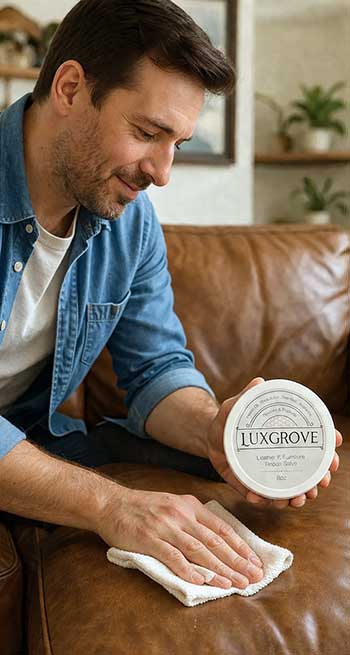
Moving into the world of premium care, the comparison between this liquid gold and Luxgrove Leather Salve is a battle of textures.
Luxgrove is a salve, meaning it has a buttery, wax-like consistency usually derived from ingredients like beeswax and shea butter.
Using Luxgrove is a very tactile, “boutique” experience. It smells fantastic—often having a natural, woodsy, or citrus scent—whereas Leather Honey is strictly odorless.
The main trade-off here is penetration versus surface protection.
Luxgrove is phenomenal at creating a physical wax barrier on the surface of the leather, which provides a beautiful, soft sheen and excellent initial water resistance.
However, because it is a solid salve, it doesn’t always migrate as deep into the internal pores of thick hides as a high-viscosity liquid does.
I prefer using Luxgrove on smaller, high-end goods like designer wallets or luxury handbags where I want a specific aesthetic finish and a nice scent.
But for a massive leather sectional or a heavy motorcycle suit, rubbing in a salve by hand is an exhausting chore. The Honey is much more efficient for large-scale restoration jobs where you need the oils to travel deep into the grain to stop structural cracking before it starts.
- Leather Honey Vs. Wise Owl Furniture Salve
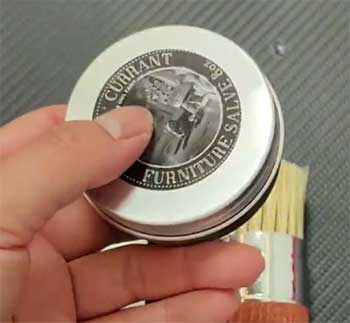
The comparison with Wise Owl Furniture Salve is particularly interesting because Wise Owl has taken the DIY and furniture restoration world by storm lately.
Wise Owl is a very versatile product; it’s marketed not just for leather, but for wood, metal, and even painted surfaces.
It is a hemp oil and wax-based formula that is incredibly nourishing.
When I use Wise Owl on an old leather armchair, the results are visually stunning. It gives the leather a rich, matte glow that looks very “editorial” and high-end.
However, the “all-purpose” nature of Wise Owl means it isn’t a specialized leather tool. Leather Honey was engineered with a singular focus: the longevity of animal hide fibers. While Wise Owl is amazing for refreshing the look of a piece of furniture, Leather Honey is a chemical treatment designed to preserve the mechanical integrity of the leather.
If you have an antique leather trunk that is purely decorative, Wise Owl is a joy to use because it makes the piece look beautiful and smell like a spa.
But if you have a leather saddle or gear that your safety depends on, you want the specialized, non-toxic polymer-style penetration that only the Honey offers. The Honey is about the health of the hide; Wise Owl is about the beauty of the piece.
Frequently Asked Questions (FAQ)
Yes. It is highly concentrated, lasts for months, and restores leather that other products cannot save.
Leather Honey is better for deep restoration and longevity, while Lexol is better for quick, light maintenance on items you use daily.
It often darkens leather slightly, which can be permanent depending on the porosity and original color of the hide.
No, it is completely odorless, which makes it perfect for use on furniture and clothing.
Final Verdict
At the end of the day, your leather goods are an extension of your style and your hard work. You wouldn’t put cheap oil in a luxury car, so don’t put cheap chemicals on your premium leather.
Leather Honey has proven itself to me over years of use on everything from rugged work gear to delicate home decor. It is the most effective way to ensure your favorite items last a lifetime and beyond.
Don’t wait until the cracks appear; grab a bottle today and give your leather the protection it deserves.