
If you’re tired of battling poor soil, constant weeding, or back-breaking work in your garden, you should seriously consider grabbing a Land Guard galvanized raised garden bed.
I’ve been using them for a couple of seasons now, and they’ve transformed how I grow veggies and flowers.
They’re affordable, sturdy enough for everyday use, and make gardening feel straightforward and rewarding. Trust me, once you switch to these, you’ll wonder why you waited so long.
My Experience With Land Guard Raised Beds
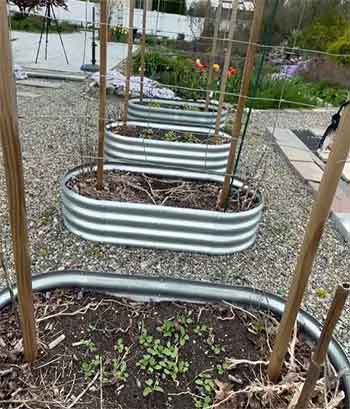
Let me walk you through how these Land Guard beds ended up in my backyard.
A few years back, my in-ground garden was a mess—compacted clay soil that drowned plants in heavy rain and turned rock-hard in summer.
I needed something better, especially as my knees started complaining about all the bending.
After reading tons of reviews and comparing options, I ordered a couple of the 8x4x2-foot Land Guard kits.
They arrived flat-packed, and I have to say, putting them together was simpler than I expected.
You just bolt the panels, add the braces, and you’re done in under an hour per bed. No fancy tools needed, just a screwdriver or drill. I set them up on a level spot in full sun, filled them with a mix of compost, topsoil, and some organic matter, and planted right away.
That first season, my tomatoes exploded with growth—taller, healthier, and loaded with fruit compared to previous years. The open bottom let excess water drain perfectly, no soggy roots, and the height made harvesting a breeze without stooping.
I’ve got kids and pets running around, so safety mattered to me. The edges aren’t razor-sharp like some cheaper metals I’ve seen, though I did add rubber edging strips for extra peace of mind. Over time, they’ve held up through harsh winters, scorching summers, and everything in between.
No major warping or rust, just solid performance. One bed got a little dent from me being clumsy with a wheelbarrow, but it didn’t affect anything. Overall, these beds gave me control over my soil, bigger yields, and way less hassle.
If you’re on the fence, start with one or two like I did—you’ll quickly want more to expand your setup.
What I Love About Land Guard Raised Beds?

- Durability That Holds Up Season After Season
You know how some garden purchases feel like a gamble? With Land Guard, I stopped worrying about that. The galvanized steel is coated with a thick layer of zinc that fights off rust like a champ. I’ve had mine out in the rain, snow, and blazing sun for several seasons now, and there’s barely a spot on them.
Unlike wooden beds that start rotting at the corners or attract termites, these stay solid. The panels are thick enough that even when they’re packed with heavy, wet soil, they don’t bow out or lose shape.
I added the center braces as recommended, and honestly, they feel rock-solid. If you’re tired of replacing flimsy beds every few years, this is the kind of longevity that makes you smile every spring when you see them still standing strong.
- Easy Assembly and Setup for Anyone
I remember opening the boxes and thinking, “This is going to take all weekend.” Nope. You line up the panels, slide in the corners, and tighten the bolts—done. I did my first 8x4x2 bed in about 45 minutes by myself, and the second one even faster with my partner helping.
All you really need is a socket wrench or drill. The instructions are straightforward, and every hole lines up perfectly in my sets. I love that they’re modular too—if you want to make an L-shape or add another bed later, you just buy more pieces and connect them.
No cutting lumber, no painting, no sealing. It’s the kind of setup that makes you feel accomplished without exhausting you.
- Better Drainage and Root Health
This is where raised beds shine, and Land Guard nails it with the open-bottom design. Excess water just drains away, so my plants never sit in soggy soil and rot. Last year we had weeks of heavy rain, and while my neighbor’s in-ground beds turned into swamps, mine stayed perfect.
Roots can grow deeper if they want, pulling nutrients from below, which gave me monster carrots and potatoes. Airflow is better too, so I see way fewer fungal issues on leaves.
You control the soil completely—mix in compost, peat, vermiculite—and suddenly everything grows faster and healthier. My tomato plants went from okay to absolutely loaded with fruit the first year I switched.
- Affordable Way to Level Up Your Gardening
Let’s talk money, because that’s a big one for most of us. Land Guard gives you high-quality galvanized steel beds at a price that doesn’t make you choke. I outfitted my whole backyard with four large beds for what one or two premium brands would cost.
That savings meant I could splurge on great soil, seeds, and trellises instead of just the frames. They look clean and modern too—silver metal that fits any yard style. And because they’re safe once edged (more on that later), my kids can help weed and harvest without worry.
For the performance you get, it’s honestly one of the best gardening investments I’ve made.
- Improved Pest Control and Weed Reduction
Weeds used to drive me crazy, popping up everywhere in my old in-ground plots. With these raised beds, I laid down landscape fabric underneath before filling, and now weeds are minimal. Slugs and some ground pests have a harder time climbing up the smooth metal sides.
I still get a few, but nothing like before. Voles can sometimes tunnel up from below, but hardware cloth at the bottom fixes that if it’s a problem in your area. Overall, I spend way less time weeding and more time enjoying fresh veggies straight from the garden.
- Comfortable Gardening Height
At two feet tall, these beds save my back completely. No more kneeling in mud or bending over until I ache. Harvesting lettuce or picking beans is actually pleasant now. If you have mobility issues or just want gardening to feel easier as you get older, this height is a game-changer. I even pull up a stool sometimes and work comfortably for hours.
The Downsides I’ve Noticed With Land Guard Raised Beds
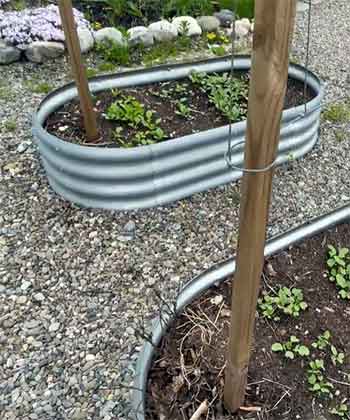
- Potential for Sharp Edges and Minor Dents: Let’s be real—metal beds can have edges that catch you off guard during assembly or weeding. I’ve nicked my hand a couple times before adding protective strips. Also, the sides are sturdy but not indestructible; heavy impacts can dent them. It’s not a deal-breaker, but something to handle carefully.
- Heat Absorption in Hot Weather: In peak summer, the metal warms up faster than wood, which can dry out soil quicker on scorching days. I’ve had to water a bit more during heatwaves, especially for shallow-rooted plants. Mulching helps a ton, but it’s worth noting if you live in a very hot climate.
- Assembly Can Feel Tedious at Times: While straightforward, bolting everything takes patience. A few reviews mention mismatched parts or needing extra hardware, though I lucked out. If you’re not handy, grab a helper.
- Possible Quality Variations: Not every unit is perfect—some folks report thinner panels bending under soil pressure. Mine have been fine, but inspecting on arrival is smart.
Maintenance Tips To Keep Your Land Guard Beds Thriving
- Regular Inspections for Longevity: I make it a habit every spring and fall to walk around my beds and check everything. Look for loose bolts—soil settling can loosen them over time. Just tighten with a wrench. Check corners for any signs of rust, especially if you’ve scratched the coating. If you spot a small bare spot, a quick spray of rust-resistant paint seals it right up. These quick checks take five minutes but add years to the bed’s life.
- Smart Soil Management: Your soil is the heart of the bed, so treat it right. I top-dress with compost every season and mix in organic matter to keep it loose. Test pH occasionally—galvanized steel prefers neutral soil, so avoid super acidic additives like straight pine bark. If your plants show nutrient issues, a balanced organic fertilizer fixes it without harming the metal. Refresh about 20-30% of the soil every few years to prevent compaction.
- Watering Strategies That Save Time and Plants: Because metal conducts heat, consistent moisture matters more. I installed drip irrigation on soaker hoses—it delivers water slowly right to the roots and cuts down on evaporation. Mulch is your best friend: a thick layer of straw, leaves, or wood chips keeps soil cooler in summer and warmer in spring. Water deeply but less frequently to encourage deep roots. In hot spells, check the top few inches—if dry, give them a good soak in the morning.
- Protecting Edges and Structure: Those rubber or plastic edge guards I mentioned? Worth every penny. They soften the top rim, protect hands, and give a finished look. If you have kids or grandkids helping, it’s a must. For the sides, avoid leaning heavy ladders directly against them. When moving wheelbarrows nearby, go slow to prevent dents. Simple awareness keeps them looking sharp.
- Seasonal Care Routine: Fall cleanup: remove spent plants, add compost, and maybe plant a cover crop. In winter, I clear heavy snow if it piles up unevenly to avoid stressing the panels, though mine handle it fine. Spring startup: loosen soil, add amendments, and you’re ready to plant. If you live where freezes are harsh, some folks cover beds with tarps, but I’ve never needed to. Just keep debris from collecting in corners where moisture could sit.
- Dealing with Minor Rust or Scratches: If you ever notice a tiny rust spot (rare with good galvanizing), sand it lightly and apply a zinc-rich primer or galvanized touch-up paint. It stops progression immediately. Deep scratches are unlikely, but the same fix works. Staying on top of small issues means your beds can easily last 20-30 years.
These tips aren’t complicated—they’re just small habits that pay off big. Treat your Land Guard beds with a little regular care, and they’ll reward you with decades of hassle-free gardening.
How Land Guard Stacks Up Against Other Brands?
- Land Guard Vs. Vegega Raised Beds
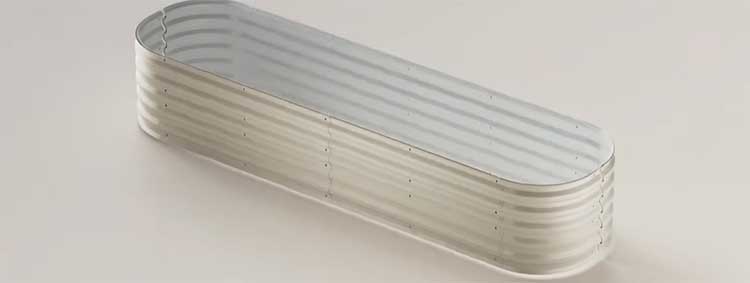
You might be wondering how my trusty Land Guard beds stack up against the premium Vegega ones everyone raves about. I’ve looked closely at both, and while Vegega feels like the luxury option, Land Guard holds its own for everyday gardeners like us.
Vegega uses that advanced zinc-aluminum-magnesium alloy steel, which promises even better corrosion resistance than standard galvanized coatings. Customers love how their beds stay cooler in summer thanks to reflective properties, and the rounded safety edges come standard—no extra work needed. Assembly is a breeze with fewer screws and clear instructions, plus modular designs let you get creative with shapes.
On the flip side, Vegega costs significantly more—often double or triple what I paid for Land Guard equivalents. If you’re in a harsh climate or want something that could outlast us all with minimal fuss, Vegega might justify the splurge.
But for me, Land Guard’s thicker galvanized panels have proven plenty durable through multiple seasons without major issues. My tomatoes and peppers thrive just as well, and I saved enough to buy extra beds or better soil mixes.
If budget matters and you want reliable performance without overpaying, stick with Land Guard—you get 80% of the benefits for half the price.
- Land Guard Vs. Birdies Raised Beds
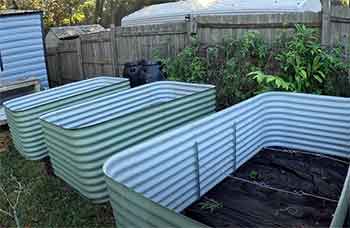
Birdies beds have that established reputation, originating from Australia with years of proven use down under.
They’re built tough with Aluzinc-coated steel for excellent rust resistance, and the modular system allows fun configurations.
I appreciate the sturdy feel and the wide rubber edging that protects hands right from the start.
Many users swear by Birdies for longevity—some report beds looking great after a decade or more. The taller options reduce bending, which is great if back pain is a concern, and they handle heavy soil loads without bowing.
That said, Birdies come at a premium price point, similar to or higher than Vegega. Shipping can add up, and some folks mention minor paint peeling or rust in extreme conditions over time.
In comparison, my Land Guard beds assembled faster with simple bolting, and the oval design adds stability against soil pressure. They’ve withstood winters and hot summers without warping, and the cost let me set up a larger garden area.
Birdies shine for ultimate quality if you’re investing long-term, but Land Guard delivers comparable everyday strength and ease at a fraction of the cost—perfect if you’re expanding without emptying your wallet.
- Land Guard Vs. Anleolife Raised Beds
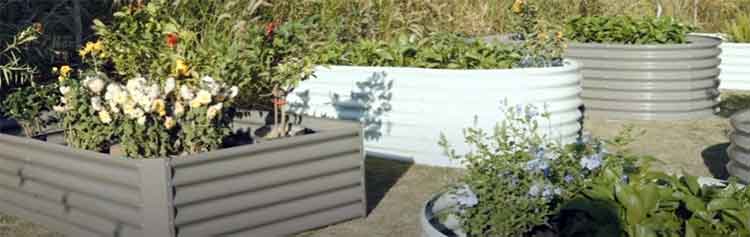
Anleolife is another strong contender in the metal bed world, often praised for thicker panels and thoughtful features like no sharp edges out of the box. Their beds emphasize ergonomics, with heights that make gardening comfortable, and the powder coatings add extra protection plus color options for a polished look.
Reviews highlight how sturdy Anleolife feels, with some models boasting double the thickness in key areas to prevent deformation. Assembly is straightforward, and they market a 20-year lifespan, appealing if you want something low-maintenance.
Compared to my experience, Anleolife runs pricier than Land Guard, sometimes overlapping with mid-range premiums. While the extra thickness sounds impressive, my Land Guard panels have held firm under full soil weight, no bowing or issues after heavy rains.
The open-bottom design drains just as effectively, and I’ve had zero rust problems with basic care. Anleolife might edge out for those prioritizing rounded safety and varied aesthetics, but Land Guard gives you solid build quality, easy setup, and better value—letting you focus funds on plants rather than fancy finishes.
If you’re like me and want dependable beds that perform without extras, Land Guard wins hands down.
Frequently Asked Questions (FAQ)
It depends on your budget and needs, but Vegega and Birdies often top lists for premium durability, while Land Guard offers great value.
They can heat up soil faster, may have sharp edges, and require more watering in hot weather.
They dry out quicker than in-ground, attract voles sometimes, and need quality soil fill to avoid compaction issues.
Typically 20-30 years or more with proper care, depending on coating and climate.
Final Thoughts
I’ve poured my real experiences into this, and Land Guard beds have genuinely made gardening more enjoyable for me. They’re reliable, boost your yields, and stand strong over time.
If you’re ready to simplify your setup and grow better, give them a try—you won’t regret investing in something that works this well.