
I’ve spent years on job sites with pliers in my pockets every single day. When the conversation turns to the best pliers money can buy, two names always surface: Klein Tools and Knipex.
In this article, I’m putting them head-to-head based on my own real-world use, breaking down everything from build quality to comfort to value so you can decide which one deserves a spot in your tool bag.
| Aspect | Klein Tools | Knipex |
| Country of Origin | USA (some components overseas) | Germany |
| Average Price Range | $25–$60 per pair | $40–$90 per pair |
| Materials | Forged high-carbon steel | Chrome vanadium steel, oil-hardened |
| Comfort | Molded plastic grips, decent padding | Soft multi-component grips, ergonomic |
| Durability Reputation | Very good, lifetime warranty | Exceptional, often outlasts others |
| Electrician Preference | Dominant in North America | Growing fast among pros |
| Adjustment Mechanism | Traditional bolt (most models) | Push-button or self-setting (Cobra) |
| Weight | Slightly heavier | Slightly lighter |
| Cutting Edge Hardness | 58–60 HRC | 62–64 HRC |
| Warranty | Lifetime (excludes abuse) | Lifetime (excludes abuse) |
Key Differences Between Klein And Knipex
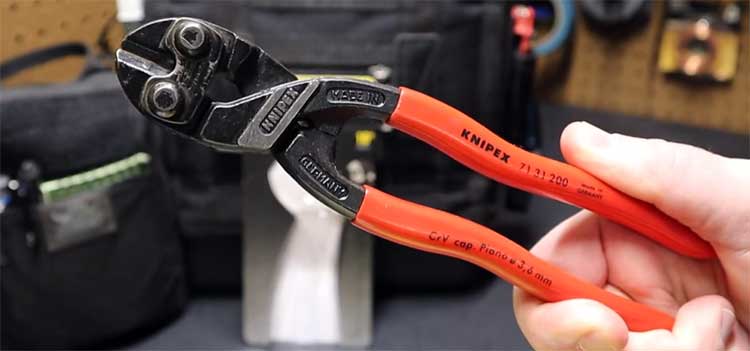
- Manufacturing philosophy – Klein focuses on rugged, electrician-centric tools built to a price point that professionals can stock multiples of. Knipex engineers for maximum precision and longevity, often prioritizing innovation over cost.
- Steel and heat treatment – Knipex uses higher-grade chrome vanadium with oil-hardening that reaches 62–64 HRC on cutting edges; Klein uses high-carbon steel typically around 58–60 HRC. The difference shows up in edge retention on hard wire.
- Handle ergonomics – Knipex multi-component grips distribute pressure better and reduce hot spots; Klein’s molded grips are comfortable but can feel slippery when wet.
- Adjustment speed – Knipex Cobra’s push-button is dramatically faster than Klein’s traditional slip-joint pivot, especially with gloves or one-handed.
- Weight and balance – Knipex models often feel lighter and more nimble; Klein’s extra mass can help with heavy twisting but adds fatigue over time.
- Jaw design – Knipex self-setting parallel jaws grip automatically and evenly; Klein relies on aggressive knurling that bites hard but can mar softer materials.
- Specialization vs. generalization – Klein dominates electrical-specific features (stripping holes, crimpers, fish-tape pullers); Knipex excels at universal gripping and cutting across trades.
- Warranty and support – Both offer lifetime coverage, but Klein’s North American distribution makes replacements faster and easier for U.S. users.
- Cultural adoption – Klein remains the default choice among North American electricians due to tradition and availability; Knipex is the rising challenger favored by those willing to pay for premium performance.
- Innovation pace – Knipex regularly introduces new mechanisms (Pliers Wrench, TwinGrip); Klein evolves more slowly, refining proven designs instead.
Key Features of Klein Tools
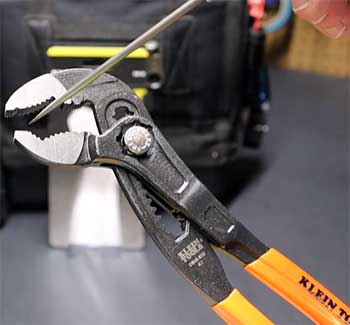
- Forged in the USA heritage – Even though some parts are now sourced globally, the final forging and assembly still happen in America for most models. That matters to a lot of tradespeople who want to support domestic manufacturing.
- Iconic lineman’s pliers – The classic “Kleins” with the fish-tape puller, heavy head, and aggressive knurled jaws are instantly recognizable. The cutting edges are induction-hardened and stay sharp through hundreds of cuts on copper and aluminum.
- High-leverage design – Many models use a rivet placed closer to the cutting edge, giving you extra mechanical advantage with less hand force.
- Molded plastic grips – Comfortable enough for all-day use, with some newer models adding rubberized sections for better slip resistance.
- Wide electrician-focused lineup – Diagonal cutters, needle-nose, pump pliers, strippers, cable cutters—Klein makes tools specifically for the electrical trade, often with features like built-in crimpers or stripping holes.
- Lifetime warranty execution – I’ve actually sent back two pairs over the years (one with a chipped cutter, one with a broken handle) and received replacements quickly with no hassle.
Pros of Klein Tools
- Outstanding value for professional performance – I’ve equipped entire apprentices with full sets of Klein pliers for under what one or two premium Knipex pairs cost. You’re getting forged steel tools that handle daily abuse on construction sites without failing, all at a price point that lets you buy backups or multiples for different tool bags.
- Unmatched availability in North America – Every electrical distributor, big-box store, and even many hardware shops stock Klein. When I stripped the teeth on a pair during a rushed job, I drove ten minutes to a supply house and walked out with an identical replacement the same day.
- Designed specifically for electrical work – The iconic lineman’s pliers have that fish-tape pulling groove, perfect knurling for twisting wire nuts, and built-in crimpers that actually work reliably. The stripping holes on many models are precisely sized for common gauges and rarely tear the insulation.
- Comfortable enough for 10–12 hour days – The molded grips fit my medium-sized hands perfectly, and the weight distribution feels balanced when I’m pulling hard on heavy cable overhead. Newer Journeyman series handles add just enough cushion without being overly soft.
- Proven long-term reliability – I still have my first pair of Klein diagonal cutters from fifteen years ago; the cutters are dulled but the joint is tight and the handles intact despite countless drops onto concrete.
- Excellent warranty execution – Klein’s lifetime warranty isn’t just marketing. I’ve returned three pairs over the years (one with a cracked handle, two with worn cutters) and received free replacements within a week, no questions asked beyond basic proof of purchase.
- Good corrosion resistance for job site conditions – Polished heads and decent plating mean I can leave them in a damp truck box or use them in rainy weather without immediate rust spots forming.
- Consistent quality across price tiers – Whether I buy the budget orange-handle diagonals or the higher-end Journeyman needle-nose, the jaw alignment is spot-on and the cutting performance is dependable.
- Strong community and crew standardization – Entire electrical crews often run Klein because everyone knows the feel, replacements are identical, and you can borrow a pair from a coworker without relearning the grip.
Cons of Klein Tools
- Grips can feel basic – Compared to newer ergonomic designs, the molded plastic can get slippery when hands are sweaty or oily.
- Adjustment on pump pliers is old-school – You have to open the handles wide and slide the pivot bolt—slow when you’re wearing gloves.
- Cutting edges eventually dull – They stay sharp for a long time, but once they go, they don’t hold an edge as long as premium German steel.
- Slightly heavier – Some models feel a touch bulkier in the pocket compared to lighter European designs.
- Occasional quality variance – While rare, I’ve seen pairs with slightly misaligned jaws straight out of the package.
- Less innovation in recent years – Many designs haven’t changed much in decades, while competitors keep adding new mechanisms.
Also Read: Comparison of Fluke 101 And Klein MM400 Multimeters.
Key Features of Knipex Tools
- German chrome vanadium steel – Oil-hardened to higher Rockwell ratings, giving cutting edges that stay sharp dramatically longer.
- Push-button adjustment (Cobra models) – One-handed sizing that locks securely—no fumbling with a bolt while holding wire.
- Self-setting pump pliers – The parallel jaw design grips round, square, and hex shapes without slipping, and the teeth are angled to bite harder the more pressure you apply.
- Multi-component grips – Soft outer layer over a hard core, contoured to reduce hand fatigue even after hours of repetitive twisting.
- Precision joint construction – Box-joint or lap-joint designs with almost zero play, maintaining perfect jaw alignment over years.
- Specialized models galore – From tiny electronics pliers to massive 22-inch water-pump pliers, plus unique tools like the Pliers Wrench that replaces an entire set of open-end wrenches.
- Minimal backlash – The jaws close parallel and stay that way, giving you confident grip on small nuts and delicate components.
Pros of Knipex Tools
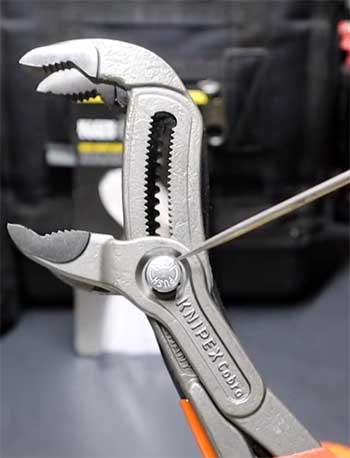
- Exceptional cutting edge longevity – The oil-hardened chrome vanadium steel holds an edge dramatically longer; I’ve cut thousands of pieces of hard-drawn copper and stainless staples with the same pair of high-leverage diagonals and they still slice cleanly.
- Superior ergonomic handles – The multi-component red-and-blue grips are contoured perfectly, distributing pressure evenly and virtually eliminating hot spots even after hours of repetitive wire twisting or pipe gripping.
- Incredible overall durability – I own pairs that are over twelve years old, dropped countless times, left in tool boxes through freezing winters, and they still have zero joint play and perfect jaw alignment.
- Lightning-fast one-handed adjustment on Cobra models – The push-button mechanism lets me resize the jaws with my thumb while holding the workpiece in the other hand—a genuine time-saver on repetitive tasks.
- Non-marring parallel jaw action – The self-setting Cobras grip chrome plumbing fittings, brass valves, and polished nuts without leaving teeth marks, something traditional knurled jaws struggle with.
- Lighter and better balanced – Despite their strength, most Knipex pliers feel noticeably lighter in hand and on the belt, reducing fatigue during long days of overhead work.
- Precision engineering shines on fine work – The needle-nose and electronics models have tips so finely tapered and perfectly aligned that I can grab individual strands in fine stranded cable without damaging neighbors.
- Innovative specialty tools – The Pliers Wrench replaces an entire set of open-end wrenches with smooth parallel jaws that ratchet and grip without rounding bolts, and the TwinGrip handles stripped screws better than anything else I’ve tried.
- Growing reputation among serious professionals – More and more electricians, plumbers, and mechanics I work with are switching to Knipex for pump pliers and cutters because the performance difference becomes obvious after a week of side-by-side use.
- Minimal backlash and perfect parallel closure – The box-joint construction ensures jaws stay perfectly parallel with almost no play, giving confident, even grip pressure on flats and rounds alike.
- Excellent vibration damping – The handle material and design absorb shock better when cutting heavy cable, saving my wrists on high-volume jobs.
Also Read: Comparison of Fluke And Fieldpiece Multimeters.
Cons of Knipex Tools
- Higher price – You pay a premium, sometimes double what a comparable Klein costs.
- Limited availability in some areas – Not every local supply house stocks a full range; often you have to order online.
- Steeper learning curve on some models – The push-button mechanism can feel strange at first if you’re used to traditional pump pliers.
- Grips can attract dirt – The soft red/blue material picks up grime and grease more easily than plain plastic.
- Less electrical-specific features – While excellent all-around, Knipex doesn’t always include built-in crimpers or stripping holes that electricians rely on daily.
- Overkill for casual use – If you only need pliers occasionally, the extra cost might not justify the performance gain.
My Real-World Performance Tests
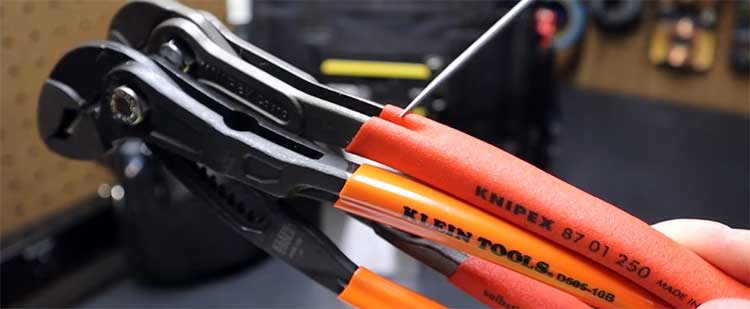
Over the past year I deliberately used both brands on the same jobs. I cut hundreds of feet of 12-gauge Romex with Klein diagonal cutters and Knipex high-leverage diagonals.
The Kleins needed sharpening after about two months of daily use; the Knipex pair still cut cleanly six months later.
For pump pliers, I gripped everything from 2-inch conduit to tiny compression fittings. The Knipex Cobras adjusted faster and gripped without slipping even on wet PVC. The Klein pump pliers required more hand strength to keep grip on slippery surfaces.
Lineman’s pliers twisting 10-gauge solid copper: both performed well, but the Knipex edges stayed sharper longer, and the handles felt less fatiguing after dozens of twists.
Which One Should You Choose?
If you’re an electrician working primarily in North America, starting out, or building a full kit on a budget, Klein remains hard to beat. You get reliable, job-specific tools that won’t let you down, and you can buy multiples without breaking the bank.
If you want the absolute longest-lasting, most comfortable, and innovative pliers—especially pump pliers or cutters—and you’re willing to invest more upfront, Knipex will reward you with years of superior performance.
Many pros (including me) now carry a mix: Klein lineman’s and strippers for daily electrical tasks, Knipex Cobras and diagonals for everything else.
Also Read: Comparison of Fieldpiece SC480 And SC680 Multimeters.
Frequently Asked Questions (FAQ)
Yes—very good professional quality with excellent durability and warranty support.
Many professionals consider it the top tier for pliers, especially in cutting performance and ergonomics, though “best” depends on your specific needs.
Tradition, widespread availability, electrical-specific features, strong warranty, and great value.
Knipex is widely regarded as making the highest quality pliers overall, particularly for longevity and precision.
Wrapping Up
I’ve laid out everything I’ve learned from years of using both brands. You now have the information to make the choice that fits your work, your budget, and your hands.
Whichever you pick, invest in good pliers—they’re the tools you reach for constantly, and quality makes every job easier. Happy wrenching!