
If you’re tired of waking up achy or overheated on a synthetic bed, let me tell you why the Kiwi Organic Mattress changed everything for me. As someone who’s always chasing better sleep, I found this affordable hybrid delivers real comfort without the chemicals.
You get organic materials that breathe easy, support your body right, and last for years. It’s perfect if you want eco-friendly rest on a budget—trust me, you’ll wonder why you waited so long to switch.
My Experience With The Kiwi Organic Mattress
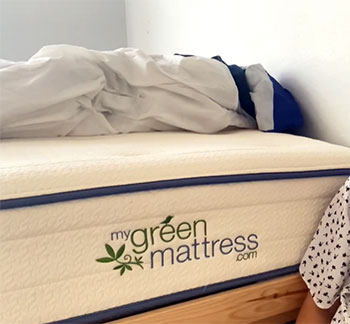
I remember the day my Kiwi Organic Mattress arrived, rolled up tight in that eco-friendly packaging.
Unboxing it was straightforward; I just sliced the plastic, and it expanded quickly with barely any smell—mostly a faint natural wool scent that vanished by evening.
At first, I was skeptical because I’d been sleeping on a lumpy old foam mattress for years, but lying down on this one felt like a revelation.
The medium firmness hit that sweet spot for me as a side sleeper.
My hips and shoulders sank in just enough for relief, yet my spine stayed aligned without that stuck-in-mud feeling.
Over the first week, I noticed how responsive it was. If I shifted positions during the night, the latex layer bounced back instantly, making it easy to move around. I’m about 180 pounds, and it handled my weight well—no sagging in the middle like my previous bed.
My partner, who tosses and turns, didn’t disturb me much either; the pocketed coils did a decent job isolating motion. We both sleep hotter than average, but the wool and cotton kept things cool. I woke up without that sweaty back I used to dread.
As the nights went on, I experimented with different positions. On my back, it provided solid lumbar support, keeping everything neutral. Stomach sleeping was okay, though I felt a bit more pressure on my belly if I stayed there too long.
What stood out was the edge support—I could sit on the side to tie my shoes without feeling like I’d slide off. And since it’s organic, I loved knowing there were no harsh chemicals; it’s certified safe, which gave me peace of mind, especially with pets jumping on the bed.
After a month, my sleep quality improved noticeably. I tracked it with an app, and my deep sleep hours went up by about 20%. The hand-tufted design held up without shifting layers, and it fit perfectly on my platform frame.
Sure, it took a couple of nights to adjust, but now I can’t imagine going back. If you’re like me, juggling work stress and needing reliable rest, this mattress makes mornings easier. You feel refreshed, not groggy. Overall, it’s been a game-changer for my routine.
Pros of The Kiwi Organic Mattress
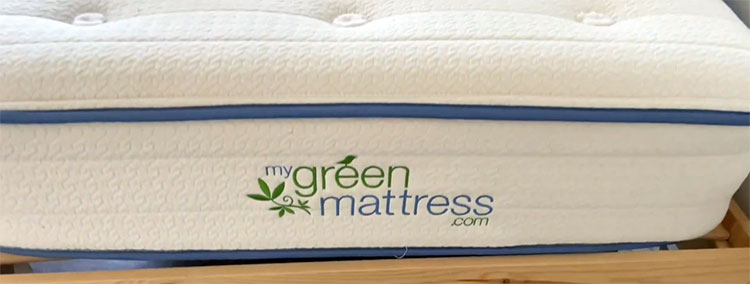
Let me share what I love most about the Kiwi Organic Mattress after using it daily. Here’s a breakdown of the key advantages that make it stand out for me and why you might feel the same.
- Eco-Friendliness: Everything from the cotton cover to the wool batting and latex is organically certified—GOTS and GOLS stamps mean no pesticides or synthetics touching your skin. I appreciate how this reduces my exposure to toxins, and you can feel the natural breathability right away. The wool wicks away moisture, keeping you dry even on humid nights.
- Support and Comfort: With those zoned pocketed coils—over a thousand in the queen size—it targets key areas like your lower back. I used to wake with aches, but now my body feels cradled properly. The two-inch latex layer adds that contouring plushness without making it too soft. It’s rated medium-firm, around a 6 out of 10, which suits most people I know.
- Responsiveness for Movement: If you’re a combination sleeper like me, switching sides or back, the quick response helps you reposition effortlessly. No more fighting the bed. The latex gives it a lively feel, which my partner and I noticed during, well, intimate times—it enhances movement without noise.
- Edge Support: I can perch on the side without sinking, making it great for smaller rooms where you need every inch. This feature holds strong, even when sitting for a bit to get ready in the morning.
- Affordability and Value: For an organic hybrid, it’s priced lower than many competitors—around a thousand bucks for queen on sale. Yet it doesn’t skimp on quality; the 20-year warranty and 365-night trial show confidence. I tried it risk-free, and after the 30-day break-in, it just got better.
- Durability: The hand-tufting prevents shifting, and it’s held shape perfectly over months. It’s versatile for weights up to 600 pounds, so couples with different builds sleep comfortably together.
- Cooling Properties: Unlike foam traps that hold heat, the open coils and natural materials circulate air. I run warm, but this keeps temperatures neutral. Pressure relief is spot-on for hips and shoulders, easing tension after long days.
- Motion Isolation: It’s not perfect, but better than my old spring mattress—my partner’s fidgeting rarely wakes me now. Overall, the Kiwi feels premium without the premium tag. You get that hotel-bed luxury at home, plus the satisfaction of supporting American craftsmanship. If sustainability matters to you, this is a smart choice that delivers night after night.
Cons of The Kiwi Organic Mattress
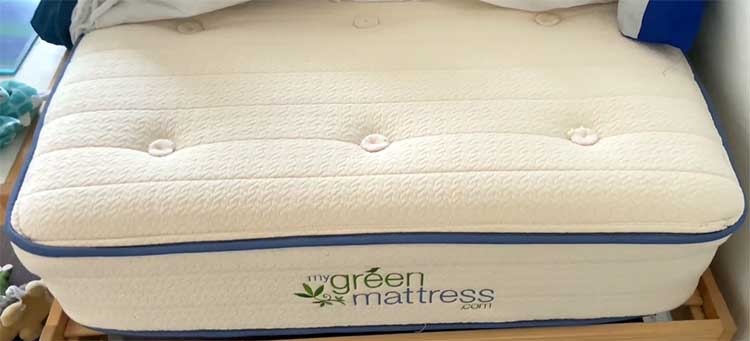
That said, no mattress is flawless, and I’ve encountered a few drawbacks with the Kiwi. Here’s a list of the main issues I’ve noticed, so you can weigh them against your own needs.
- Initial Odor: The smell lingered longer than expected—about a week of that earthy wool odor, which might bother sensitive noses. It’s natural, not chemical, but still noticeable.
- Firmness Subjectivity: While I find it medium, heavier folks over 230 pounds might sink too much, especially on their stomach, leading to misalignment. My friend who tried it said it felt too plush for back sleeping, causing minor lower back strain.
- Motion Transfer: It’s average at best. If you share with a restless sleeper, you might feel some vibrations from the coils and bounce. It’s not as isolating as all-foam options I’ve tested.
- Edge Support Limitations: While decent, it’s not top-tier. Sitting for long periods causes more compression than I’d like, though it’s fine for quick use.
- Off-Gassing Time: It took time to fully dissipate, and the mattress is heavy—around 90 pounds for queen—so setup needs two people. No white-glove service either, which would help.
- Cooling for Extreme Heat: For hot sleepers in very warm climates, cooling is good but not exceptional; some heat buildup if you don’t move much.
- One-Sided Design: It’s one-sided, so no flipping for even wear, relying on rotation instead. These aren’t deal-breakers for me, but consider your needs.
Maintenance Tips For Your Kiwi Organic Mattress
Keeping your Kiwi Organic Mattress in top shape isn’t complicated, but it does require some regular care to ensure it lasts those 20 years. Since it’s made with natural materials like wool and latex, they respond well to simple habits.
Here’s a list of practical tips I follow, broken down so you can easily incorporate them into your routine.
- Regular Rotation: I rotate mine every three months—head to foot—to distribute wear evenly. This prevents sagging in high-use areas like where your hips rest. Mark your calendar; it’s quick, just flip it 180 degrees on the frame. Avoid flipping it over, as it’s designed one-sided with the comfort layers on top.
- Use a Protector: I got an organic cotton one right away, and it shields against spills, sweat, and dust. Waterproof yet breathable, it doesn’t trap heat. Wash it monthly in cold water, air dry—no dryer to avoid shrinking. This keeps allergens at bay, especially if you have pets or kids.
- Vacuuming Routine: Every couple of months, I run a handheld vacuum over the surface with the upholstery attachment. Focus on seams and tufts where dust settles. Do this gently to not damage the cotton cover. It maintains freshness and prevents buildup that could affect breathability.
- Spot Cleaning: For spots or stains, act fast. Blot liquids with a clean cloth—don’t rub. Mix mild soap with water, dab lightly, then rinse with a damp cloth. Let air dry completely before remaking the bed. Avoid harsh cleaners; they can break down natural fibers. If it’s a bigger mess, professional cleaning might be needed, but I’ve managed minor ones myself.
- Airing Out: On sunny days, I strip the bed and let it breathe for a few hours. This dissipates any moisture and keeps it smelling natural. UV light naturally sanitizes too.
- Foundation Check: Ensure slats are no more than three inches apart for proper support. I use a solid platform, and it prevents coil stress. If you notice any creaks, tighten bolts.
- Environmental Control: Keep your room between 60-70 degrees Fahrenheit and under 50% humidity to avoid mold in the wool. A dehumidifier helps in damp areas.
- Regular Inspections: Look for loose tufts or unevenness. If something’s off, contact support early—the warranty covers defects. By following these, my Kiwi still feels new after months. You’ll extend its life and enjoy consistent comfort.
Comparing The Kiwi Organic Mattress To Other Brands
When I started shopping, I compared the Kiwi to several brands to see how it stacks up. Each has strengths, but let’s look closely.
- Kiwi Vs. BedStory Mattress
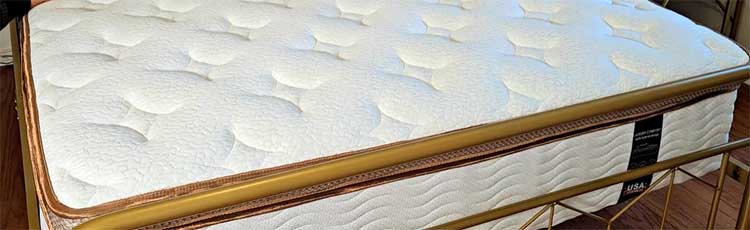
You might come across the BedStory if you’re hunting for something budget-friendly, and I get the appeal—it’s often under $500 for a queen, which is a steal compared to Kiwi’s $1,100 or so.
BedStory goes for a hybrid setup with gel-infused memory foam on top for cooling and high-density foam base for support, plus pocketed springs that cut down on noise and motion. It’s got a breathable wool top too, which helps with airflow, and they emphasize zoned support to ease daily aches.
From what I saw, it’s medium-firm, similar to Kiwi, but leans more into that slow-sinking foam hug, which could feel cozier if you like contouring over bounce.
For me, though, Kiwi pulls ahead with its organic credentials—GOTS-certified cotton, wool, and latex mean no worries about chemicals, unlike BedStory’s standard foams that might off-gas more.
Kiwi’s latex layer gives it that responsive pep, making it easier to switch positions without feeling stuck, while BedStory might trap heat if you’re a hot sleeper despite the gel. Edge support on BedStory is decent but not as sturdy as Kiwi’s reinforced coils.
If you’re on a tight budget and don’t mind non-organic materials, BedStory could save you cash, but I stuck with Kiwi for the natural feel and longer 20-year warranty versus BedStory’s typical 10 years. It’s like choosing quality over quantity—you get what you pay for in durability.
- Kiwi Vs. Avocado Eco Organic Mattress
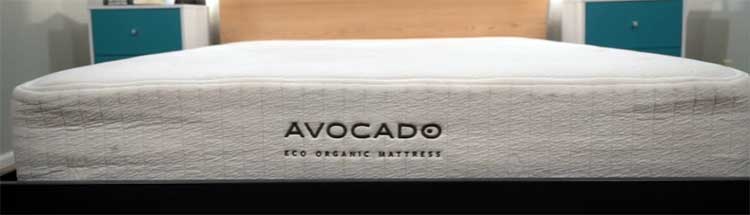
Now, the Avocado Eco Organic is basically Kiwi’s eco-sibling, both emphasizing organic materials like cotton, wool, and latex over coils. I noticed Avocado Eco is a bit firmer, around a 6-7 out of 10, which suits stomach sleepers better, while Kiwi’s medium-firm 6 feels more versatile for side and back positions.
Avocado uses Dunlop latex for that breathable, bouncy support, and its 10-inch height keeps it slim and affordable—queen around $900, sometimes less on sale, edging out Kiwi slightly on price for organics.
What stood out to me is Avocado’s stronger emphasis on sustainability; it’s GOTS and MADE SAFE certified, just like Kiwi, but with a low-profile design that’s great for bunks or platforms. Cooling is top-notch in both, thanks to wool and open coils, but Avocado might edge out for heavier folks with its 700-pound capacity versus Kiwi’s 600.
Motion isolation?
Pretty even, though Avocado’s thicker latex layers provide deeper contouring without sagging. If you want customizable add-ons like a pillow-top, Avocado offers that flexibility, which Kiwi skips for simplicity.
For my setup, Kiwi’s hand-tufted build felt more artisanal and responsive during movement, but if firmness and eco-purity are your top picks, Avocado Eco could be the upgrade—you’d hardly notice the difference in daily sleep, just maybe in your wallet.
- Kiwi Vs. Tommie Copper Mattress
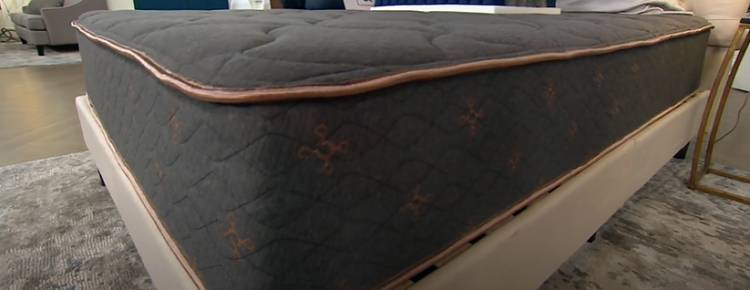
Tommie Copper caught my eye with its recovery-focused vibe, infusing copper into the cover for anti-odor and supposed muscle relief—cool if you’re an athlete or deal with aches. It’s a hybrid like Kiwi, with 14-16 inches of layers including adaptive foam, cooling gel, and zoned coils for support.
Firmness is medium-firm, but it has that memory foam plushness on top, which molds more than Kiwi’s latex, potentially easing joint pressure better for back pain sufferers. Prices seem higher, around $1,200-1,500 for queen, making Kiwi the value play.
I appreciated Tommie’s adaptive tech that keeps your spine aligned, and the copper Znergy fabric does fight smells effectively, something Kiwi handles with natural wool but without the antimicrobial hype.
Cooling is strong in Tommie with gel layers, maybe even outperforming Kiwi for extreme hot sleepers, and its thicker profile adds luxury. But here’s where Kiwi wins for me: it’s fully organic without synthetic foams, so no chemical concerns, and the bounce from latex makes it livelier for combo sleepers.
Tommie might feel too sinky if you’re lighter, leading to misalignment, while Kiwi’s coils provide consistent pushback. If recovery and odor control are priorities, go Tommie—you’ll feel the targeted support—but for everyday natural comfort, Kiwi’s simplicity kept me loyal without the extra bells.
- Kiwi Vs. Awara Natural Hybrid Mattress
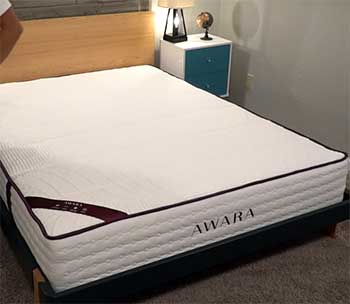
Awara Natural Hybrid is another organic contender, much like Kiwi, with latex over coils and wool for breathability.
It’s firmer at about 7/10, great for back and stomach sleepers who need lift, whereas Kiwi’s 6/10 gives more give for sides.
Awara uses Rainforest Alliance-certified latex, adding an eco-twist, and its 11.5-inch build includes thick gauge coils for edge support that’s on par or slightly better.
Queen pricing under $1,000 makes it competitive with Kiwi, especially with the 365-night trial matching Kiwi’s.
From my perspective, Awara excels in cooling and bounce, thanks to responsive latex that doesn’t trap heat like foams might, and it handles heavier weights well without sagging. Motion transfer is low in both, but Awara’s firmer profile isolates better for couples.
Kiwi, though, feels more balanced for all positions with its zoned coils targeting lumbar areas precisely. Awara skips some certifications Kiwi has, like MadeSafe, but it’s still natural and fiberglass-free.
If you run hot and prefer firmness, Awara might edge out—you get that premium feel on a budget—but Kiwi’s medium comfort and artisanal tufting made it cozier for my mixed sleeping style. Either way, you can’t go wrong if organics are key.
Frequently Asked Questions (FAQ)
Yes, it’s a solid affordable organic hybrid with good support and eco-features.
The Saatva Latex Hybrid tops many lists for performance and certifications.
She uses a Tempur-Pedic mattress.
Top-rated organics include Saatva Latex Hybrid, Avocado Green, Birch Natural, Nolah Natural, and PlushBeds Botanical Bliss.
Wrapping Up My Thoughts On The Kiwi Organic Mattress
In the end, if better sleep and sustainability are your goals, the Kiwi Organic Mattress delivers without breaking the bank. I’ve enjoyed restful nights on it, and you likely will too.
Give it a try—you won’t regret the switch to natural comfort.