
I’ve always been the type who loads up the dishwasher after a big family dinner and expects sparkling results without much fuss. Over the years, I’ve tried plenty of detergent pods, but the debate between Kirkland Signature and Cascade keeps coming up among friends and online.
In this article, my goal is to give you a straightforward, honest comparison based on my own testing, everyday use, and what I’ve learned from ingredients and performance.
I’ll break down the features, pros, cons, and differences to help you decide which one fits your kitchen routine and budget best.
| Feature | Kirkland Signature Pods | Cascade Pods |
| Price per load (approx.) | $0.12–$0.15 | $0.20–$0.30 |
| Pack size (common) | 115-count tub | 60–90-count tubs |
| Built-in rinse aid | Yes | Yes |
| Enzymes included | Yes | Yes |
| Bleach type | Oxygen-based (no chlorine) | Oxygen-based (some variants emphasize it more) |
| Scent options | Mainly lemon citrus | Fresh, mountain, lemon, or scent-free |
| Dissolvable film | PVA film (standard for pods) | PVA film with multi-chamber design |
| Phosphate-free | Yes | Yes |
| Average cleaning score (from tests/reviews) | Strong on everyday messes, occasional residue on tough stains | Top-rated for tough grease and stuck-on food |
Key Differences Between Kirkland And Cascade
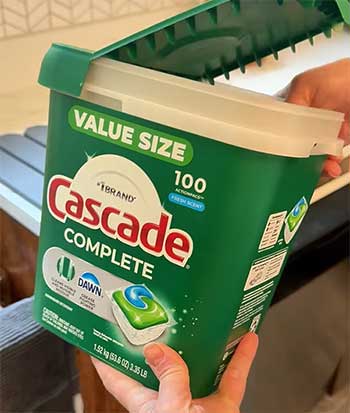
- Price and value: Kirkland wins hands-down on affordability because Costco’s direct-to-consumer model skips heavy advertising and middlemen, while Cascade invests in branding and R&D—making Kirkland the clear budget champion without huge compromises.
- Cleaning power on tough stains: Cascade consistently edges out with its multi-phase release and stronger grease cutters. If you regularly cook baked, fried, or heavily sauced meals, you’ll see fewer remnants and less need for re-washing.
- Formula complexity: Kirkland keeps it simple with single-compartment powder and core enzymes; Cascade adds timed-release gels, extra surfactants, and shine enhancers for more targeted, layered cleaning.
- Scent and fragrance strength: Kirkland sticks to one mild lemon citrus that’s subtle and quick-fading, while Cascade offers multiple choices, some bolder and longer-lasting.
- Shine and spot prevention: Cascade excels with dedicated boosters that combat water minerals more aggressively, delivering that extra glossy finish even in challenging water conditions.
- Pack size and convenience: Kirkland’s giant 100+ count tubs mean months between purchases and easy bulk storage; Cascade’s smaller boxes are lighter but require more frequent buying.
- Environmental considerations: Both avoid phosphates and chlorine, but Kirkland’s leaner ingredient list feels slightly simpler and less processed overall.
- User satisfaction variability: Budget-conscious families rave about Kirkland’s near-premium results; perfectionists and heavy cooks swear by Cascade’s flawless performance on the toughest jobs.
- Long-term dishwasher maintenance: Cascade’s advanced formula may reduce internal buildup better over years, while Kirkland performs solidly but might need occasional vinegar cycles in hard-water homes.
These differences really come down to your priorities: maximum savings with excellent everyday results (Kirkland) or uncompromising deep cleaning regardless of the mess (Cascade).
Also Read: Comparison of Cascade Platinum And Cascade Complete.
Key Features of Kirkland Signature Dishwasher Pods
- Affordable bulk packaging: The tubs usually hold over 100 pods, which means fewer trips to restock. I appreciate not running out mid-week.
- Powder-filled design: These are straightforward powder in a dissolvable film—no fancy gels or multi-chambers. It keeps things simple and contributes to the lower cost.
- Oxygen-based cleaning action: They use sodium percarbonate for stain fighting, which activates in hot water to release oxygen and tackle grease.
- Built-in rinse aid: This helps prevent water spots, especially useful if your water is hard or you skip Jet-Dry.
- Enzyme blend: Protease and amylase break down proteins and starches—perfect for egg yolk or pasta sauce remnants.
- Lemon citrus scent: It’s fresh without being overpowering, and it fades quickly once dishes dry.
- Phosphate- and chlorine-free formula: Gentler on the environment and septic systems compared to older detergents.
I like how consistent the Kirkland pods feel. They dissolve reliably in my dishwasher, and the lemon scent makes the kitchen smell clean right after a cycle.
Pros of Kirkland Signature Pods
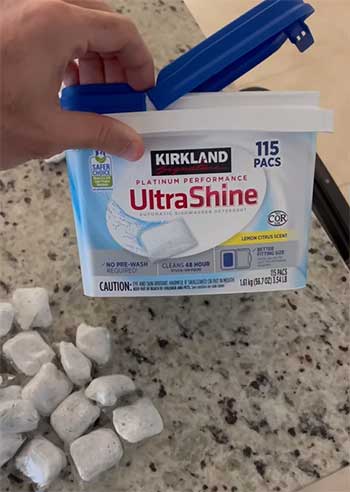
- Outstanding value: With a family of five, we run the dishwasher five or six times a week. At 12–15 cents per load, Kirkland saves me $80–$120 a year compared to Cascade—money that goes toward groceries or kids’ activities. The bulk tub lasts months, so I’m not constantly shopping.
- Reliable everyday cleaning: For typical loads—dinner plates, coffee mugs, kids’ plastic cups, silverware—they come out spotless with no cloudy film or streaks. I’ve loaded up saucepans with light browning and they’ve handled it without pre-rinsing.
- No strong lingering fragrance: The mild lemon scent disappears fast, so my morning coffee never tastes like detergent. This is huge for me because stronger scents give me headaches.
- Large quantity per container: One tub replaces three or four smaller Cascade boxes, cutting down on packaging waste and storage clutter. The resealable lid keeps pods fresh longer if you remember to snap it shut.
- Septic-safe and eco-friendlier: No phosphates or chlorine bleach means I’m not worrying about my septic system or local waterways. It’s a small thing, but it feels good knowing the formula is simpler and less harsh.
- Consistent dissolution: Even on quick or eco cycles, the pod always opens fully—no half-dissolved packets stuck in the dispenser like I’ve had with off-brands.
- Great for soft to medium water: In my area, the water isn’t super hard, so Kirkland performs almost identically to premium brands without needing extra additives.
- Gentle on dishes over time: I’ve noticed less etching on older glassware compared to harsher formulas I’ve tried in the past.
The biggest win is how Kirkland makes me feel like a smart shopper. I get 90–95% of the premium performance at half the price, and that consistency keeps me coming back.
Cons of Kirkland Signature Pods
- Occasional struggle with heavy grease: Baked-on lasagna edges, fried chicken residue, or cast-iron seasoning can leave faint streaks or bits that need a second wash or light scrubbing. It’s not terrible, but noticeable on richer meals.
- Limited scent variety: You’re locked into lemon citrus. If you want unscented for allergies or a different fresh note, there’s no option.
- Powder-only formula: Without the gel boosters in premium pods, it lacks that extra punch on oily or burnt-on foods. The difference shows most when I’m cooking Indian curries or roasting meats.
- Potential film in hard water areas: In winter when our water gets harder, I sometimes see light spotting on glasses unless I add vinegar or extra rinse aid.
- Bulk tub can be cumbersome: The giant container is heavy to lift when full, and if humidity creeps in, pods can clump slightly at the bottom.
- Not always top-ranked in blind tests: Independent reviews often place it just behind Cascade on the toughest stains like melted cheese or dried eggs.
- Less shine on glassware: Stemware and clear plastics don’t get quite the same brilliant sheen—there’s a subtle difference next to Cascade loads.
- Requires hotter water for best results: On cooler eco cycles, performance drops a bit more than with multi-phase pods.
These drawbacks pop up mostly when I’m pushing the dishwasher hard with big, messy dinners. For lighter days, I rarely notice them.
Key Features of Cascade Pods
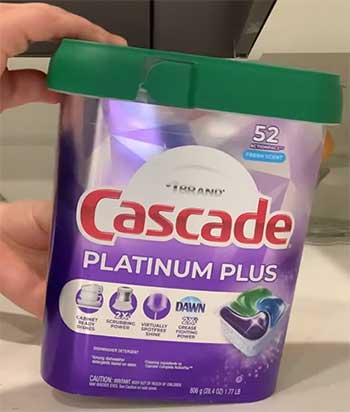
- Multi-chamber technology: Many variants have separate compartments for powder, gel, and enzymes that release at different times.
- Advanced grease-fighting formula: The platinum line emphasizes Dawn-like power for cutting through oils.
- Stronger oxygen bleach action: Sodium percarbonate is boosted for better stain removal.
- Variety of scents and formulas: Options like Free & Clear for sensitive users or Power of Bleach for extra whitening.
- High enzyme concentration: Targeted at proteins, starches, and fats for superior breakdown.
- Quick-wash compatible: Designed to work even on shorter cycles without pre-rinsing.
- Premium shine boosters: Extra ingredients for that “just like new” glassware look.
Cascade feels engineered—every component has a purpose, and it shows in the results.
Also Read: Comparison of Cascade Platinum Plus And Finish Quantum.
Pros of Cascade Pods
- Superior cleaning on tough messes: Baked-on casseroles, greasy sheet pans, dried tomato sauce—they vanish completely, even without scraping. It’s the brand I trust for holiday cooking disasters.
- No residue or film: Glasses and silverware come out crystal clear every time, no matter the water hardness or cycle length.
- Excellent shine and spot prevention: The built-in boosters give dishes a professional, showroom sparkle that makes unloading feel satisfying.
- Scent options for everyone: Fresh, lemon, mountain spring, or completely fragrance-free—I can switch based on mood or guests with sensitivities.
- Top ratings from testers: It consistently wins independent lab tests and consumer reports for overall performance and reliability.
- Works well in all water types: Even in hard-water regions, it fights minerals better, reducing the need for separate rinse agents.
- Reliable on quick cycles: Perfect for busy weeknights when I choose the 1-hour wash—still gets everything impeccably clean.
- Prevents long-term buildup: The formula seems to keep the dishwasher itself cleaner inside, with less scale or odor over months of use.
- Extra confidence with delicate items: My fine china and stemware look newer longer, with no clouding or etching.
When I switch to Cascade after a Kirkland stretch, the difference feels luxurious—like upgrading from economy to first class.
Cons of Cascade Pods
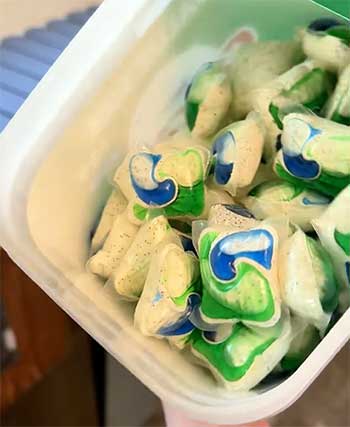
- Higher cost per load: At double the price, it adds up quickly for daily use. With our family’s volume, that’s hundreds of dollars a year—money I’d rather spend elsewhere.
- Stronger scent in some variants: The fresh or mountain scents can linger on plastic containers, making leftovers taste slightly off for sensitive palates.
- Smaller pack sizes: 60–90 pods means repurchasing every month or two, more trips to the store, and more cardboard waste.
- Overkill for light loads: For simple breakfast dishes or lightly soiled plates, the premium power feels unnecessary and wasteful.
- More packaging per pod: Some packs have individual wrappers or thicker plastic, creating extra trash compared to Kirkland’s simple tub.
- Can feel harsh on very delicate items: Rare reports (and my own experience with antique glass) of minor etching after years of exclusive use.
- Harder to find bulk deals: Without a Costco membership, you’re often paying full retail, widening the price gap.
- Slightly more environmental additives: The extra boosters and gels mean a more complex formula, even if still phosphate-free.
The premium price is the main reason I don’t use it exclusively—it’s great, but hard to justify every single load.
How They Perform in Everyday Scenarios?
In my kitchen, normal weeknight dinners (pasta, chicken, veggies) come out perfect with either brand. But when I make casseroles or use cast iron with stuck-on bits, Cascade pulls ahead.
Glasses and silverware shine more with Cascade, while Kirkland needs occasional vinegar rinse aid top-ups in winter when our water gets harder.
I also tested dissolution on eco/short cycles. Both worked, but Cascade felt more confident—no undissolved bits ever.
- Ingredients and Safety Considerations
Both use similar bases: sodium carbonate, enzymes, surfactants, and oxygen bleach. Kirkland skips extra boosters that Cascade includes for shine.
Neither has chlorine bleach or phosphates, so they’re safer for homes with kids, pets, or septic systems. Always store pods up high—those colorful packets look tempting to little ones.
Also Read: Comparison of Cascade Complete And Platinum Plus.
Frequently Asked Questions (FAQ)
It depends on your needs. Cascade Platinum often ranks highest for tough cleaning, but Kirkland offers the best value with near-comparable results for most households.
Many plumbers point to Cascade Platinum because it cleans thoroughly and reduces buildup issues over time.
No chlorine bleach. They use oxygen-based cleaners instead.
Tide doesn’t make dishwasher pods (they’re laundry-focused). Compared to Cascade, Kirkland performs very well for the price but trails slightly on the toughest grease.
Final Thoughts
After months of switching back and forth, I can say both Kirkland and Cascade have their place in my kitchen. I’ve settled on Kirkland for daily loads because the savings matter to me, and the results satisfy 95% of the time.
But when company’s coming or I’m tackling holiday baking messes, I reach for Cascade—it’s that reliable extra punch.
You probably face the same choice: stretch your budget or go for premium peace of mind. Whichever you pick, you’ll get clean dishes. Try a tub of each if you can, run your own tests, and see what works best for your dishwasher, water, and cooking style.
Your plates (and wallet) will thank you.