
If you’re tired of mediocre green powders that taste grassy or fade fast, you need to try Kettl matcha. I’ve switched my daily ritual to it, and the vibrant color, smooth umami, and steady energy make it worth every penny.
You deserve authentic Japanese quality sourced directly from top farmers—trust me, once you experience Kettl, you’ll wonder why you settled for less. Grab a tin now and elevate your mornings.
My First-Hand Experience With Kettl Matcha
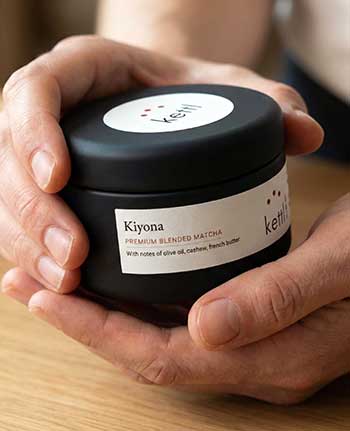
Let me take you back to when I first opened my tin of Kettl’s Kiyona matcha.
The scent hit me immediately—fresh, almost floral with a hint of toasted nuts that pulled me in.
I remember scooping out that bright emerald powder, feeling excited but a little nervous.
Would it live up to the hype I’d heard from other tea lovers?
I started simple: traditional usucha style.
I sifted two grams into my bowl, added hot water around 175 degrees, and whisked vigorously. The foam built up beautifully, thick and creamy like a natural latte top.
My first sip? Pure bliss. It was smooth, with this deep umami that unfolded into subtle sweetness, no harsh bitterness biting back. You know that feeling when something just clicks? That’s what happened. The flavor lingered pleasantly, leaving me calm yet focused.
Over the next weeks, I experimented more. Mornings became my iced shaken version—cold water, a bit of ice, vigorous shake. Refreshing and invigorating without any crash later. Afternoons, I made lattes with oat milk.
Kettl’s blends, like Hukuju or Shirakawa Legacy, stood up amazingly, turning creamy and nutty with cocoa undertones that made it feel indulgent. One day, I even tried koicha with their higher-end offering—thicker, more intense, like drinking velvet.
What surprised me most was the consistency. Every batch felt fresh, thanks to how Kettl sources weekly from Japan and packages carefully. No dull brown tones or off flavors that I’ve gotten from cheaper brands. And the energy?
Steady all day. I swapped my second coffee for matcha and noticed clearer thinking, fewer slumps. You feel it in your body—the antioxidants working, that gentle lift from L-theanine pairing with caffeine.
I shared some with friends. One, a former coffee addict, said it didn’t upset her stomach like coffee did. Another loved the nutty profile in lattes. Even straight, it converted skeptics. For me, it’s become a ritual. That quiet moment whisking transports you, makes you slow down.
If you’re like me and want something authentic that tastes incredible every time, Kettl delivers. I’ve tried several of their offerings now—Kiyona for daily, Hukuju for lattes, Soukou for something new—and each brings its own character from specific regions like Uji or Yame.
Honestly, incorporating Kettl into my routine changed how I start my day. It’s not just a drink; it’s an experience that leaves you feeling nourished. You owe it to yourself to try this level of quality.
The Pros of Kettl Matcha
- Exceptional Flavor Depth and Balance
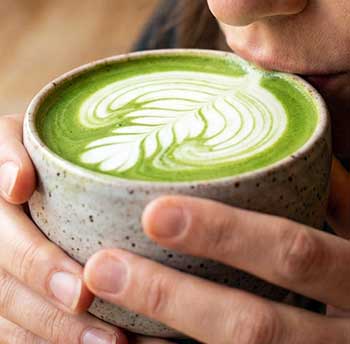
You won’t believe how layered Kettl’s matcha tastes until you try it yourself.
Take their Hukuju blend—it’s got this incredible nutty cocoa richness that blooms when you add milk, but straight, it offers deep umami with hints of toasted nuts and subtle sweetness.
Or the Shirakawa Legacy: complex, fresh, with a perfect umami edge that feels refined, not overpowering.
I’ve had sessions where the flavor evolves sip after sip, from initial fragrance to lingering aftertaste.
No flat grassiness here; it’s balanced in a way that keeps you coming back. If you love variety, their single cultivars shine too, like Saemidori for clean refreshment.
- Vibrant Color and Smooth Texture
Open a tin, and that intense jade green hits you—proof of high chlorophyll from proper shading and fresh milling. It whisks into the silkiest foam, no lumps, just pillowy creaminess that coats your mouth pleasantly.
I’ve made lattes where the texture feels almost velvety, elevating simple oat milk into something luxurious. The fine grind means effortless preparation, whether traditional or modern.
- Premium Sourcing and Unmatched Freshness
This is where Kettl truly shines for me. They partner directly with masters like the Yamaguchi family in Yame or Tsuji-san in Shirakawa, milling fresh and shipping quickly. You taste the difference—aromas pop, colors stay vivid longer.
Their house mill subscription? Genius for getting peak freshness monthly. No stale imports; it’s like drinking tea straight from the farm.
- Incredible Versatility Across Preparations
Whether you’re a purist doing koicha or a latte lover, Kettl has you covered. Blends labeled for milk, like Hukuju, transform into chocolatey delights with dairy or alternatives. Straight usucha from Kiyona or Soukou feels elegant and session-worthy.
I’ve baked with it too—cookies come out vibrant and flavorful without bitterness. It adapts beautifully, making daily drinking exciting.
- Calm, Sustained Energy Without the Downsides
You get that focused buzz from caffeine, but L-theanine smooths it out—no jitters, just clear-headed productivity. I’ve powered through afternoons feeling sharp yet relaxed. Friends notice better mood stability, and I sleep fine even with evening cups sometimes.
- Noticeable Health and Wellness Benefits
Beyond taste, you feel the antioxidants at work. My skin looks clearer, digestion smoother, and overall inflammation down after months of daily use. It’s packed with catechins and vitamins that cheaper powders lack due to inferior processing.
- Educational Guidance and Intentional Blends
Kettl doesn’t just sell powder; they guide you on each blend’s purpose—usucha, koicha, or lattes. This helps you choose right and appreciate nuances, turning drinking into a mindful experience.
The Cons of Kettl Matcha
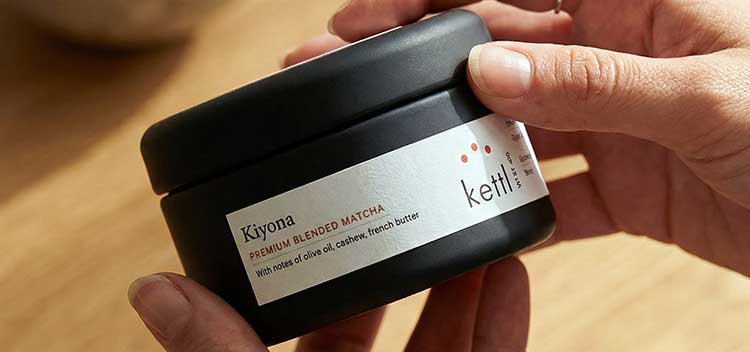
- Premium Pricing That Adds Up Quickly: Let’s be real—you pay for this quality. Tins often run high, especially smaller 20g sizes or limited blends like Shirakawa Legacy at $95 for 100g. Daily drinkers feel it in the wallet compared to bulk options elsewhere. Subscriptions help, but it’s still a luxury commitment.
- Bold Profiles May Overwhelm Beginners or Mild-Preference Fans Kettl leans nutty, mineral, or intensely umami-forward. If you crave super-sweet or mild, some blends like Suiteki or certain Yame options might feel too robust or astringent at first. I’ve adjusted, but friends new to matcha found the minerality surprising—not everyone’s instant love.
- Frequent Sell-Outs and Limited Availability Popular ones like Kiyona or Hukuju vanish fast, especially online. In-store only for some, or seasonal limits mean waiting months. Planning ahead frustrates spontaneous buyers.
- Smaller Tin Sizes for Heavy Users Most come in 20-40g, perfect for freshness but gone quick if you drink multiple cups daily. Larger 100g bags exist for favorites, but not all blends offer them.
- Requires Investment in Tools and Technique To truly shine, you want a good chasen, bowl, and sifter. Electric frothers work okay, but traditional methods unlock depths—skipping them might leave you underwhelmed initially.
- Potential for Personal Taste Mismatches Despite raves, not every blend clicks universally. Some report vegetal or metallic notes in rarer picks, reminding us taste is subjective.
Tips For Your Kettl Matcha
- Prioritize Airtight Sealing Every Time Oxygen degrades flavor fastest, turning vibrant green dull and muting umami. Always reseal the tin tightly after scooping, or transfer to an opaque airtight jar. I’ve used double-layered Ziplocs inside the original tin for extra protection—keeps that fresh aroma intact for weeks longer.
- Choose Cool, Dark Storage Spots Heat and light accelerate oxidation, fading color and taste. A pantry shelf away from stove or window works wonders. Avoid counters; I’ve noticed tins near sunlight lose vibrancy quicker. For peak preservation, especially opened tins, refrigerate—but crucial step next.
- Let Refrigerated or Frozen Tins Acclimate First Cold matcha attracts moisture when opened suddenly, causing clumps. Pull it out an hour before use to room temperature. This prevents condensation ruining texture—I’ve learned this the hard way with lumpy powder.
- Opt for Smaller Purchases to Match Consumption Buy what you’ll finish in 30-60 days post-opening. Kettl’s smaller tins encourage this, ensuring every bowl tastes fresh-milled. Stockpiling risks staleness; better frequent smaller orders.
- Guard Against Odor Absorption Matcha soaks up smells like a sponge. Keep far from spices, onions, or coffee in fridge or pantry. I’ve dedicated a tea-only shelf to avoid garlic-tinged disasters.
- Always Sift for Optimal Results Even premium powder settles. Sifting breaks clumps, aerates for better foam, and evens flavor. Do this routinely—your whisking becomes effortless, foam thicker.
- Track Opening Dates and Rotate Stock Jot the date on the tin. Use oldest first if multiple. Helps consume at peak and reminds you when to reorder favorites.
- Freeze Unopened Tins for Long-Term Sealed, they last months frozen without quality loss. Thaw fully in fridge then room temp before opening. Great for limited releases.
- Minimize Exposure During Use Scoop quickly, don’t leave tin open. Use dry tools—moisture invites mold or clumping.
These habits transformed my Kettl experience. Small efforts preserve that just-opened magic, letting you savor every gram.
Comparing Kettl Matcha To Other Brands
- Kettl Versus Encha Matcha
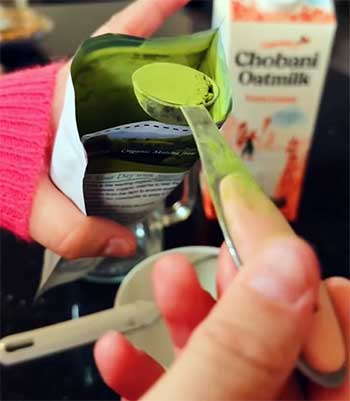
Encha offers solid organic ceremonial-grade matcha from first-harvest leaves in Uji, making it a great entry point for beginners who want something smooth and approachable without bitterness.
You get vibrant color and reliable quality at a more wallet-friendly price, perfect for daily lattes or straight drinking if you prefer milder profiles.
I’ve found Encha’s powder whisks easily and delivers consistent energy, plus their transparency on testing builds trust.
That said, Kettl pulls ahead for me with deeper complexity and nuance—those nutty cocoa notes from Yame blends or refined umami from single cultivars feel more artisanal and evolving.
Kettl’s direct weekly sourcing from master farmers keeps everything fresher, resulting in brighter aromas and silkier texture that Encha can’t quite match in pure sessions. If you’re chasing premium depth over everyday affordability, Kettl transforms your ritual.
- Kettl Versus Jade Leaf Matcha
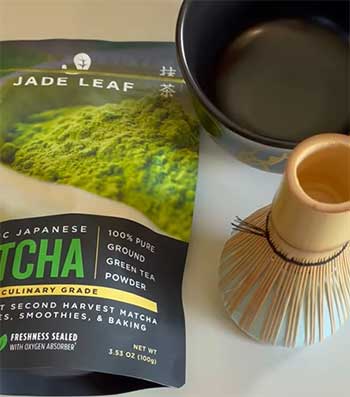
Jade Leaf stands out as incredibly accessible—you spot it in stores everywhere, and their organic ceremonial options provide smooth, mild flavor with just a hint of grassiness that’s beginner-friendly.
It’s versatile for lattes, smoothies, or baking without overwhelming bitterness, and the price makes experimenting easy.
Many love how it froths well and offers steady quality for casual drinkers.
Kettl, though, brings elevated refinement that Jade Leaf doesn’t reach.
You taste the intentional blending and regional character—vibrant jade greens, layered sweetness, and that pillowy foam from finer milling. Kettl’s focus on specific producers and fresh milling creates emotional depth in every bowl, making it feel special rather than straightforward.
For me, Kettl’s sophistication justifies the step up if you crave authentic Japanese nuance.
- Kettl Versus Ippodo Matcha
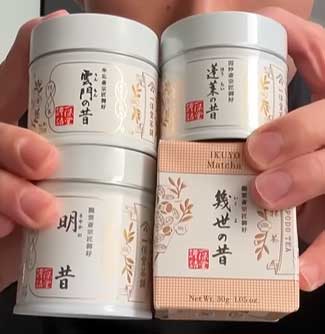
Ippodo remains a timeless benchmark with centuries of expertise—their Ummon delivers rich, creamy umami and balanced earthiness that’s incredibly consistent and elegant straight or in koicha.
The emerald color pops, and flavors like vegetal asparagus or kombu unfold beautifully, appealing to traditionalists who value reliability from a historic Kyoto house.
Kettl matches that pedigree but adds modern dynamism for my taste.
With broader cultivar variety and innovative blends highlighting nutty or fruity notes from Yame and Shirakawa, Kettl feels more expressive and educational—they guide you on each tin’s purpose.
Freshness from quick air-shipping gives Kettl an edge in vibrancy and aroma. Both are elite, but Kettl’s variety and direct farmer stories make it my daily favorite over Ippodo’s classic steadiness.
- Kettl Versus Mighty Leaf Matcha
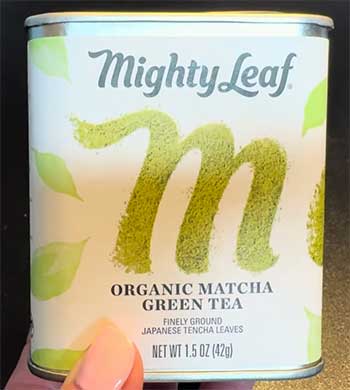
Mighty Leaf provides an affordable organic option sourced from regions like Shizuoka and Kagoshima, offering full-bodied nuttiness with umami and frothy texture that’s decent for basic lattes or hot whisking.
It’s easy to find and delivers straightforward grassy sweetness without much fuss, suiting those dipping toes into matcha on a budget.
Compared to that, Kettl operates on another level entirely—master-level sourcing yields intensely vivid colors, silky smoothness, and profound depth from prize-winning gardens.
You notice the care in every sip: lingering aftertastes, balanced sweetness, no off-notes.
Mighty Leaf works fine casually, but Kettl’s premium artistry and freshness make it the clear choice when you want matcha that truly nourishes and delights.
In the end, while these brands all bring authentic Japanese elements to the table, Kettl consistently shines for its thoughtful curation, unparalleled freshness, and flavors that keep revealing new layers. It’s the one that turned my routine into something I look forward to every day.
Also Read: Is Bodum Pour Over Coffee Maker Worth It?
Frequently Asked Questions (FAQ)
It depends on your taste, but Kettl consistently ranks top for its direct sourcing, fresh milling, and balanced flavors from renowned Japanese producers.
Direct relationships with artisan farmers in Uji and Yame, careful blending of cultivars, and emphasis on freshness through quick shipping and packaging.
Yes, in moderation—2-3 cups provide benefits like steady energy and antioxidants without issues for most people.
It uses real matcha powder blended into white chocolate, but lower quality and quantity compared to drinking-grade matcha.
Wrapping Up
If you’re seeking matcha that transforms your routine into something special, Kettl is the one to buy. The quality, flavor, and care behind it make it stand out—you’ll feel the difference from the first whisk.
Treat yourself to this level of excellence; your mornings (and mood) will thank you.