
If you’re tired of jittery coffee crashes and looking for a smoother, more focused energy boost that also packs serious health perks, you should absolutely buy Jade Leaf Matcha.
It’s authentic Japanese powder that’s organic, affordable, and versatile enough for everything from straight tea to lattes—trust me, once you try it, you’ll wonder why you waited so long.
My First-Hand Experience With Jade Leaf Matcha
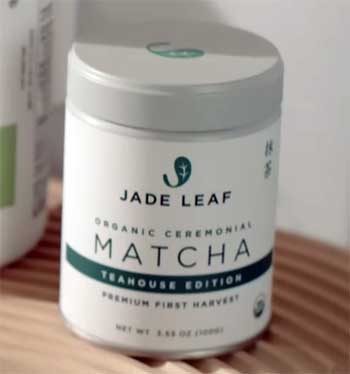
Let me take you back to when I first cracked open my tin of Jade Leaf Organic Ceremonial Matcha.
I was skeptical at first—you know how some green powders look vibrant online but turn out dull and disappointing in person?
Not this one. The color hit me right away: that bright, vivid emerald green that screams freshness.
I remember scooping out my first half-teaspoon, sifting it into my bowl (pro tip I learned quickly), and whisking it with hot water.
The foam built up beautifully, creamy and light, without any clumps.
The first sip? Wow. It was smooth, with this subtle umami richness and a hint of natural sweetness that lingered pleasantly. No overwhelming bitterness like I’d feared from past matcha tries. There was a gentle grassiness, but it felt fresh, like spring in a cup, balanced perfectly with that earthy depth.
I drank it straight that morning, and the energy kicked in steadily—no rush, just calm focus that carried me through hours of work without the afternoon slump.
Over the next weeks, I experimented a ton. Iced lattes became my obsession: whisk a shot with a splash of hot water, pour over oat milk and ice, maybe a dash of vanilla. It frothed up gorgeously, creating that cafe-quality layer on top.
The flavor shone through the milk—rich yet mild, never overpowering. I even tossed it into smoothies with banana and spinach; the matcha added this vibrant boost without dominating.
One weekend, I baked matcha cookies using their culinary grade (more on grades later), and they turned out perfectly green and flavorful.
What surprised me most was how it made me feel. That L-theanine and caffeine combo everyone talks about? It’s real. I felt alert but relaxed, productive without anxiety. My skin seemed clearer too, and digestion felt smoother—probably from all those antioxidants.
I’ve gone through multiple tins now, trying both the Teahouse and Barista editions, and it’s consistently reliable. If you’re new to matcha or switching from coffee like I did, this is the one that’ll hook you. It’s easy to prepare, tastes premium, and fits seamlessly into busy routines.
You won’t regret adding it to your mornings.
The Pros of Jade Leaf Matcha
- Vibrant Color and Fresh Appearance
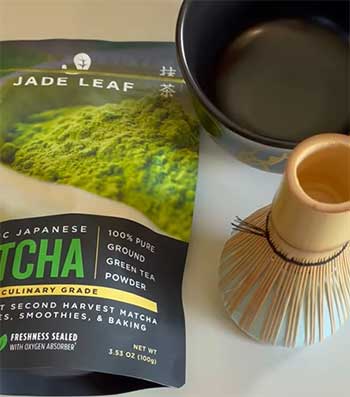
You know that moment when you open a new pouch and the powder just glows that electric emerald green?
That’s Jade Leaf every single time for me.
It’s not faded or dull like some cheaper powders I’ve tried—it’s a clear sign of high-quality, shade-grown leaves harvested at the right time from those famous Uji and Kagoshima farms.
The fineness of the grind is impressive too; it’s silky smooth, no coarse bits, which tells you it’s stone-ground properly.
This vibrant hue doesn’t just look pretty in your bowl—it translates to better flavor and more nutrients because fresher leaves hold onto those antioxidants longer.
I’ve noticed my batches stay bright for weeks when stored right, and that consistency makes me trust the quality every morning.
- Smooth, Balanced Flavor Profile
What keeps me coming back is how forgiving and enjoyable the taste is. You get this lovely umami depth—like a savory richness—with subtle natural sweetness that balances out any grassiness. It’s never overwhelmingly bitter, even if you’re new to matcha and still perfecting your whisking.
I love sipping it straight: that creamy mouthfeel and lingering fresh-aftertaste feel premium without being intimidating. In lattes, it shines even more, blending seamlessly with milk for a cafe-style drink that’s rich but light.
Compared to harsher powders I’ve had, Jade Leaf feels rounded and approachable, making it easy to drink daily without needing honey or extras every time.
- Steady Energy and Focus Boost
This is the game-changer for me—you feel that gentle caffeine lift (around 30-35mg per serving) paired with L-theanine for real calm productivity. I get through long work sessions feeling alert yet relaxed, no heart racing or mid-afternoon crash like with coffee.
It’s sustained energy that carries you smoothly. I’ve swapped my second cup of coffee for matcha and noticed better mood stability too—less anxiety, more even-keeled focus. Plus, those catechins support metabolism and recovery; after workouts, I feel less sore and more energized naturally.
- Versatility in Recipes and Drinks
You can do so much with it—traditional hot usucha, iced lattes that froth beautifully, smoothies where it adds nutrition without overpowering, even baking like muffins or cookies that turn out that perfect green with balanced flavor.
The Barista Edition is genius for milk-based drinks; it doesn’t separate or clump. Culinary grade holds its own in cooking, giving earthy depth to savory dishes too. I’ve made everything from matcha pancakes to energy balls, and it always elevates the recipe without tasting artificial.
- Affordable Access to Organic Quality
For authentic Japanese organic matcha direct from family farms, the price feels fair—you’re not paying boutique markups but still getting USDA-certified purity with no pesticides. It’s accessible for daily use, unlike pricier brands that make you ration it.
I’ve gone through tins without breaking the bank, and the value shines when you consider the health perks per sip.
- Health Benefits You Actually Notice
Beyond the buzz, those high EGCG antioxidants have made a difference for me—clearer skin, better digestion, stronger immunity during cold season. It’s loaded with chlorophyll for detox and vitamins that support overall wellness. Drinking it regularly feels like a simple self-care habit with tangible payoffs.
- Consistent Quality Across Batches
I’ve repurchased multiple times, and it’s reliably fresh and flavorful—no duds. The direct sourcing keeps standards high.
Also Read: Comparison of Moccamaster And OXO.
The Cons of Jade Leaf Matcha
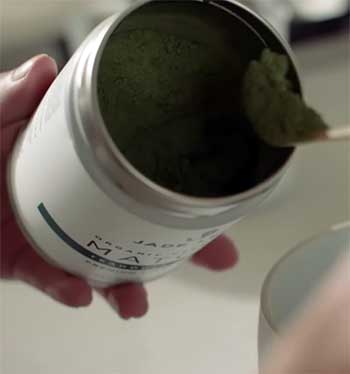
- Can Develop Bitterness If Over-Whisked or Too Hot I’ve learned the hard way: water over 180°F or aggressive whisking pulls out astringency fast. It turns sharper than intended, especially if you’re rushing. Stick to 175°F and gentle motions, and it’s fine—but beginners might hit this snag a few times.
- Culinary Grade Not Ideal for Straight Drinking If you buy culinary expecting ceremonial silkiness plain, you’ll find it bolder, grassier, sometimes more bitter solo. It’s designed for mixing, so it shines in lattes or recipes but can disappoint if misused for traditional tea.
- Packaging Could Be More Robust for Long-Term The resealable pouches work for daily use, but they’re not as airtight as metal tins long-term—air sneaks in if you’re not meticulous sealing. I’ve transferred to glass jars to avoid oxidation dulling the color faster.
- Mild Flavor Might Not Satisfy Bitter Lovers If you crave intense, robust umami or sharp notes like some premium singles, this smoother profile feels too mild. You might need extra powder for punch, upping cost per cup.
- Availability Fluctuates in Stores Easy online, but in physical stores or certain areas, stock runs low—I’ve had to wait or order when my local spot was out.
- Potential for Clumping in Humid Conditions In muggy weather, it can clump if not sifted—nothing major, but an extra step compared to drier powders.
- Not the Absolute Top-Tier for Connoisseurs While excellent for most, ultra-purists might find subtler nuances missing compared to rare single-origin batches—it’s blended for consistency, which trades some complexity.
Tips For Your Jade Leaf Matcha
- Keep It Airtight Right Away Oxidation starts the second air hits the powder, dulling that bright green and muting flavor. I immediately press out excess air and seal the pouch tightly after every scoop. For extra protection, I transfer daily portions to a small airtight jar and keep the bulk sealed— this slows degradation dramatically.
- Store in a Cool, Dark Place Light and heat are enemies; they fade color and break down antioxidants fast. Your pantry away from the stove or window is ideal short-term. I avoid counters altogether—direct sun can turn vibrant green olive in weeks.
- Refrigerate or Freeze for Longer Freshness Jade Leaf recommends refrigerating after opening, and it works wonders for me—keeps it tasting fresh up to 2 months. For bigger bags I won’t finish soon, freezer storage preserves vibrancy even longer (up to a year if sealed well). Crucial tip: let it reach room temp before opening to prevent condensation moisture ruining the powder.
- Avoid Moisture and Strong Odors Matcha absorbs smells like a sponge—never near onions, spices, or open fridge items. Use dry tools only; a wet spoon introduces humidity that causes clumping. I keep silica packets in my storage jar if humidity is high.
- Sift Before Use for Best Texture Even minor clumps from settling affect whisking—I sift every portion for that silky foam and even dissolution. It takes seconds but makes drinks creamier and more professional.
- Use Within 1-2 Months of Opening Peak freshness hits soon after opening; beyond that, flavor softens. I date my pouches and aim to finish ceremonial in a month— you’ll taste the brighter umami when fresh.
- Transfer to Opaque Containers If Needed Pouches let light through over time; I move to dark glass or metal tins for long-term. Blocks UV better and maintains that vivid color longer.
- Portion for Bulk Storage With larger bags, I divide into smaller airtight portions—one for fridge daily use, others frozen. Minimizes opening the main stash, extending overall life.
- Monitor for Signs of Aging If color shifts yellowish or aroma weakens, it’s past prime—still safe, but less vibrant. These habits keep mine tasting farm-fresh way longer.
- Buy What You’ll Use Soon Smaller tins mean less exposure overall—I grab 30g for frequent use to maximize enjoyment.
Following these has transformed how long my matcha stays amazing—you’ll save money avoiding waste and always have peak flavor ready.
Comparing Jade Leaf Matcha To Other Brands
- Jade Leaf Matcha Compared To Ippodo
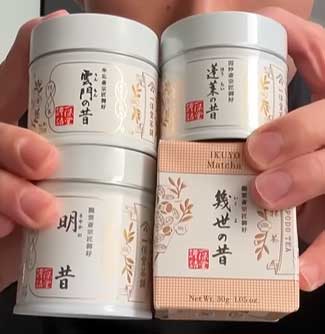
When you put Jade Leaf side by side with Ippodo, the differences really stand out for me.
Ippodo has this incredible heritage— they’ve been crafting tea in Kyoto since 1717— and it shows in the depth of flavor.
Their Ummon blend, for example, delivers richer umami, sweeter natural notes, and a silkier texture that feels almost luxurious when whisked straight.
You get those complex layers that serious matcha lovers chase, with virtually no chalkiness or astringency.
That said, Ippodo comes at a higher price, often double or more what you’d pay for Jade Leaf’s ceremonial grade. I’ve tried both in traditional usucha preparations, and while Ippodo edges out in nuance and smoothness—making it my pick for mindful, ceremony-style sipping—Jade Leaf holds its own remarkably well.
It’s vibrant, balanced, and forgiving, with that bright emerald color and mild sweetness that doesn’t demand perfect technique. For everyday drinking or when budget matters, Jade Leaf gives you authentic Japanese quality without the steep cost.
If you’re just building your matcha habit, start here—you can always level up to Ippodo later for special moments.
- Jade Leaf Matcha Compared To Encha
Encha and Jade Leaf both focus on organic, farm-direct Japanese matcha, so they’re closer competitors than some others.
Encha sources purely from Uji farms and emphasizes lab testing for purity, which gives it a slight edge in perceived cleanliness and sometimes a bolder, grassier profile.
I’ve found Encha’s ceremonial grade to have higher intensity—more vibrant freshness and a touch sweeter umami—that shines in straight tea or lighter preparations.
You might notice Encha feeling a bit more premium in straight sips, with stronger antioxidant punch from first-harvest leaves.
However, Jade Leaf isn’t far behind; its blends from Uji and Kagoshima offer a smoother, more approachable taste that’s less likely to turn bitter if you’re still tweaking your whisking.
I love Jade Leaf for lattes and mixed drinks because it froths beautifully and blends seamlessly without overpowering milk. Price-wise, they’re similar, but Jade Leaf often feels like better value with larger tins and consistent reliability across batches.
If purity testing is your priority, go Encha; for versatile daily use that won’t break the bank, Jade Leaf is tough to beat.
- Jade Leaf Matcha Compared To Mighty Leaf
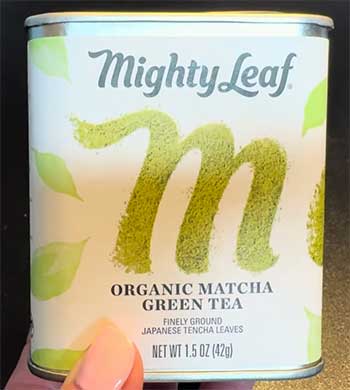
Mighty Leaf’s organic matcha comes from Shizuoka, another respected Japanese region, and aims for that full-bodied, nutty umami with a frothy texture.
When I tried it, it had a solid earthiness and richness that works well in lattes, but I noticed it could lean bolder or slightly more astringent compared to Jade Leaf’s milder balance.
You get good quality with Mighty Leaf—it’s handpicked and stone-ground properly—but in side-by-side tastings, Jade Leaf’s brighter color and smoother sweetness stood out more for me.
Mighty Leaf feels robust, almost hearty, which some prefer for cooking or stronger drinks, yet it didn’t match Jade Leaf’s vibrancy or ease in pure preparations.
Availability can be spotty for Mighty Leaf, and pricing is comparable or higher. Overall, if you want something approachable that excels in both traditional tea and modern recipes without any harsh edges, Jade Leaf pulls ahead as my everyday favorite over Mighty Leaf’s more intense style.
Frequently Asked Questions (FAQ)
Yes, it’s 100% pure shade-grown green tea leaf powder with no additives, fillers, or pesticides—straight from organic Japanese farms.
It has a smooth, mildly sweet umami with subtle grassy notes and balanced earthiness—no harsh bitterness when prepared right.
It depends on your needs, but Jade Leaf stands out for its quality-to-price ratio, authenticity, and versatility among popular options.
For straight tea, go Teahouse Ceremonial; for lattes and mixes, Barista Ceremonial or Culinary shines—pick based on how you’ll use it.
Wrapping Up
If you’ve made it this far, you’re probably as hooked as I am. Jade Leaf Matcha transformed my routine from chaotic coffee dependence to calm, energized days. It’s pure, delicious, and genuinely good for you—grab some today; your future self will thank you.