
If you’re on the fence about elevating your daily routine with something truly special, let me tell you right now: you should absolutely buy Ippodo Matcha.
As someone who’s tried countless green teas, this one stands out for its authentic Kyoto roots and that unbeatable umami depth that turns a simple sip into a moment of zen.
It’s not just tea; it’s an experience that boosts your focus and calm without the jitters. Trust me, once you whisk up your first bowl, you’ll wonder why you waited so long. Grab a can today and see what real quality feels like.
My Experience With Ippodo Matcha
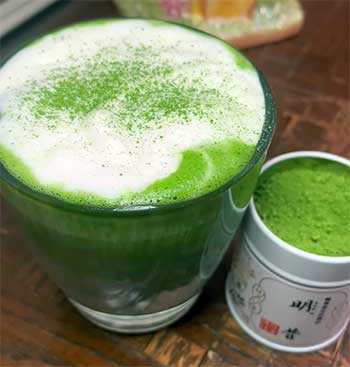
My journey with Ippodo Matcha started about a year ago when I was burnt out on my usual coffee habit.
I remember scrolling through recommendations online, and Ippodo kept popping up as this legendary brand from Kyoto with over 300 years of history.
I figured, why not give it a shot?
I ordered their Sayaka no Mukashi variety first, the one they suggest for newcomers, and when the package arrived, it felt like unwrapping a little piece of Japan.
The can was sleek, airtight, and the powder inside was this vibrant emerald green that screamed freshness.
No clumps, no dull color—just pure, finely milled leaves ready to transform.
The first time I prepared it, I went for a traditional usucha, the thinner style. I sifted about a teaspoon into my chawan bowl, added hot water—not boiling, mind you, around 70-80 degrees Celsius to avoid bitterness—and whisked with my bamboo chasen.
The froth built up beautifully, creamy and inviting. Taking that initial sip, I was hit with this wave of smooth umami, like a gentle savory note mixed with subtle sweetness. It wasn’t grassy or overpowering; instead, it lingered on my palate, leaving me feeling alert yet relaxed.
I noticed my energy levels stayed steady throughout the afternoon, no crash like with caffeine-heavy drinks. You know that mid-day slump? This wiped it out for me.
Over the weeks, I experimented more. One morning, I made a koicha, the thicker paste version. It’s intense—two teaspoons of powder with just a bit of water, whisked into a velvety consistency. With Sayaka, it was rich without being too astringent, almost nutty at the finish.
I felt like I was channeling some ancient tea ceremony vibes right in my kitchen. Then I branched out to lattes. I’d heat up some oat milk, froth it, and mix in the matcha—boom, a creamy green dream that tasted way better than anything from a cafe.
No added sugars needed; the natural flavors shone through.
As I got deeper into it, I tried their Ummon no Mukashi for a bolder profile. That one packed more robustness, perfect for when I wanted something with extra depth during work calls. I even incorporated it into recipes, like sprinkling it into smoothies or baking matcha cookies.
The versatility surprised me; it didn’t lose its character in mixes. But what really hooked me was the ritual aspect. Every time I prepare Ippodo Matcha, it’s a mindful pause in my day. You measure, you whisk, you sip—and suddenly, the world slows down.
I’ve shared it with friends, and their reactions are always the same: wide eyes and “Where can I get this?” It’s become my go-to for starting the day right or unwinding in the evening. If you’re curious about matcha but hesitant, starting with Ippodo changed how I think about tea entirely.
It’s not just a drink; it’s a daily upgrade that makes you feel more connected to what you’re consuming.
Pros of Ippodo Matcha
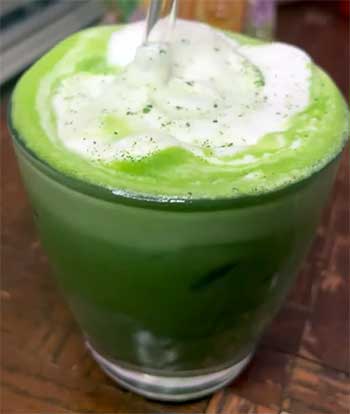
- Exceptional Flavor Profile: When I first tasted Ippodo Matcha, the umami hit me like nothing else. It’s that savory-sweet balance that comes from shade-grown tencha leaves, ground to perfection. You get layers—subtle nuttiness in varieties like Sayaka, or a deeper robustness in Ummon—that make each sip intriguing. Unlike cheaper powders that taste flat or bitter, this one delivers consistency. I love how it adapts; in a hot bowl, it’s comforting, and iced, it’s refreshing. For anyone seeking authentic taste, this is a game-changer.
- High-Quality Sourcing and Production: I appreciate knowing exactly where my matcha comes from. Ippodo sources from Kyoto’s Uji region, famous for its misty hills and nutrient-rich soil. They’ve been at it since 1717, so their expertise shows in the stone-ground milling that preserves antioxidants and chlorophyll. You can taste the care—no additives, just pure leaves. It’s ceremonial-grade stuff, meaning it’s meant for straight drinking, not just baking. When I compare it to generic brands, the vivid color and fine texture stand out, making preparation effortless and the health benefits—like L-theanine for calm focus—more potent.
- Versatility in Use: One thing I adore about Ippodo is how it fits into my life seamlessly. Whether I’m making a traditional bowl, a latte, or even matcha-infused desserts, it performs beautifully. Take their Kan variety—it’s smooth enough for everyday lattes but holds up in koicha without clumping. I’ve used it in smoothies for an energy boost or dusted it over yogurt for a quick snack. You won’t get that overpowering grassiness that ruins recipes; instead, it enhances flavors. This flexibility means I reach for it daily, turning routine moments into something special.
- Health Benefits That Feel Real: Drinking Ippodo Matcha isn’t just enjoyable; it genuinely supports my well-being. Packed with catechins and amino acids, it gives me sustained energy without the coffee crash. I notice better concentration during work, and the antioxidants help with my skin’s glow—something I’ve tracked over months. It’s also gentler on my stomach than other greens. If you’re looking to swap out sugary drinks, this is your ally; the natural sweetness satisfies cravings while promoting relaxation. I feel sharper and more balanced, which is why it stays in my pantry.
- Packaging and Freshness: The cans and bags are designed to keep things fresh, with airtight seals that lock in aroma. When I open a new one, that fresh scent hits immediately, unlike brands that arrive stale. It’s user-friendly too—easy to scoop without mess. This attention to detail extends the shelf life, so I don’t waste any. For someone like me who savors it slowly, this means every batch tastes as good as the first.
Cons of Ippodo Matcha
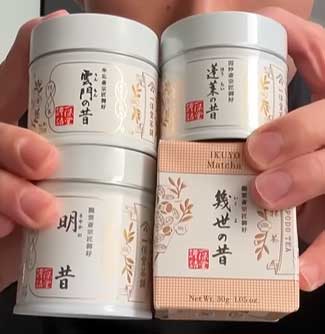
- Higher Price Point: Let’s be honest, Ippodo isn’t cheap. A 40g can of Sayaka runs around what you’d pay for a fancy dinner out, and if you’re new to matcha, that might sting. I justify it because the quality justifies the cost, but for budget-conscious folks, it could feel extravagant. You get what you pay for in terms of taste and purity, yet I wish they had more affordable entry options without skimping on standards.
- Limited Availability in Stores: I often have to order online, which means waiting for shipping. It’s not always on shelves at local spots, so if you’re impulsive like me and run out, you’re stuck. International shipping adds fees too. While their site is reliable, I’d love more widespread access to grab it on a whim.
- Potential for Overwhelming Intensity: Some varieties, like Ummon, pack a punch that might be too robust if you’re used to milder teas. I once made a strong koicha and found it a bit astringent at first—took adjusting my water ratios. For beginners, this could intimidate, though practice helps. It’s not a flaw, but it requires experimentation to get right.
- Short Shelf Life Once Opened: Matcha oxidizes quickly, so even with good packaging, I have to consume it within a month or two for peak freshness. If you don’t drink it often, that vibrancy fades. I’ve learned to buy smaller sizes, but it’s a con compared to longer-lasting teas.
- Preparation Learning Required: It’s not instant like bagged tea; you need tools like a whisk and bowl for the best results. My early attempts were lumpy until I got the hang of sifting and temperature control. If you’re short on time, this ritual might frustrate, though I now see it as part of the charm.
Tips For Ippodo Matcha
- Proper Storage Containers: I always transfer my Ippodo Matcha to an airtight, opaque container right after opening. Light and air are enemies—they degrade the color and flavor fast. Use something like a tin or ceramic jar that seals tightly; avoid clear glass or plastic that lets in odors. This keeps it vibrant for weeks, so you don’t end up with dull powder.
- Ideal Temperature and Location: Keep it in a cool, dark spot like a pantry cupboard, away from heat sources such as stoves or windows. I store mine at room temperature, but if I’m not using it daily, the fridge works— just let it warm up before opening to prevent condensation. Freezing is an option for long-term, but thaw slowly. This preserves the antioxidants and that fresh taste you love.
- Avoid Moisture and Odors: Never let water touch the powder; scoop with a dry spoon to prevent clumping. I keep it far from strong-smelling items like coffee or spices, as matcha absorbs scents easily. If humidity is high in your area, silica packets help. This ensures every bowl tastes pure, without off-notes.
- Portioning for Freshness: I buy smaller quantities if I’m experimenting, like 20g bags, to finish them quicker. For larger ones, divide into portions and seal extras. Check regularly for color changes—if it browns, it’s time to toss. This habit maximizes enjoyment without waste.
- Tools Care for Better Brews: Clean your whisk and bowl after each use with warm water, no soap, and air dry. I store my chasen standing up to maintain shape. Sharp tools mean smoother whisking, enhancing the overall experience.
Comparison of Ippodo Matcha With Other Brands
- Encha

When I stack Ippodo against Encha, the differences in origin and refinement jump out.
Encha sources from Uji as well, but their ceremonial grade feels a touch lighter, with more grassy notes that suit quick lattes.
I find Ippodo’s blends, like Sayaka, offer deeper umami that lingers longer, making it ideal for traditional preparations.
Encha is often more affordable, which is great if you’re starting out, but Ippodo edges it in smoothness—no bitterness even if you over-whisk.
If you want everyday accessibility, Encha fits, yet for that premium ritual feel, Ippodo wins my vote every time.
- Jade Leaf
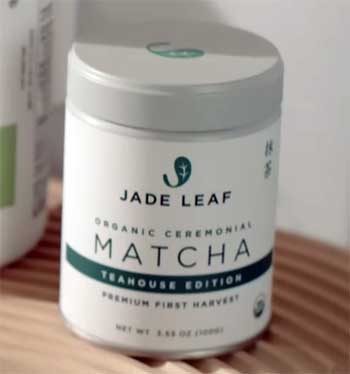
Jade Leaf brings a solid organic option to the table, with their matcha being versatile for baking and drinks.
I’ve tried their ceremonial powder, and it’s vibrant, but it lacks the nuanced layers I get from Ippodo’s stone-ground process.
Jade Leaf has a slight earthiness that can turn bitter if not prepared carefully, whereas Ippodo stays balanced.
Price-wise, Jade Leaf is easier on the wallet, perfect for bulk use, but Ippodo’s heritage craftsmanship justifies the splurge for purists.
You might grab Jade Leaf for experiments, but I turn to Ippodo when I crave authenticity.
- Kettl
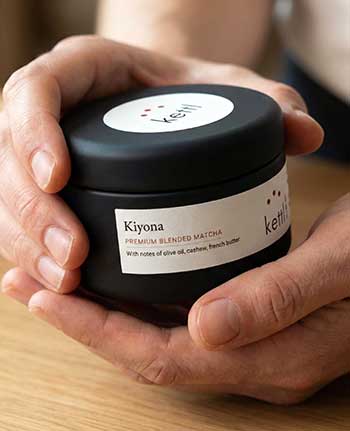
Kettl’s Shirakawa Uji Hikari is a strong contender, with its vivid hue and rich flavor profile that’s umami-forward like Ippodo.
Both emphasize quality sourcing, but Kettl sometimes feels more floral, which I enjoy in spring blends.
However, Ippodo’s variety range— from smooth to robust—gives more options for moods.
Kettl is pricier in some cases, yet Ippodo’s consistency across batches impresses me more.
If you’re into single-origin specifics, Kettl shines, but Ippodo’s blended expertise makes it my reliable choice for daily indulgence.
- Naoki
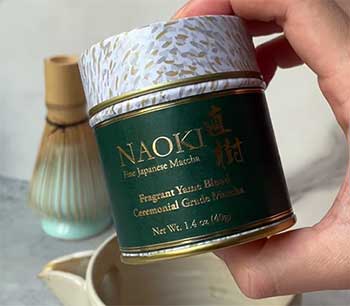
Naoki offers crowd-pleasing matcha that’s well-rounded and approachable, with less intensity than Ippodo.
Their powders whisk up frothy and sweet, great for beginners, but I miss the depth in umami that Ippodo delivers effortlessly.
Naoki is budget-friendly and widely available, making it a gateway brand, yet Ippodo’s superior milling results in finer texture and better health perks.
You could start with Naoki to build confidence, but once you taste Ippodo, it’s hard to go back— the quality leap is noticeable in every sip.
Also Read: Comparison of Rasa And Ryze Mushroom Coffees.
Frequently Asked Questions (FAQ)
All their varieties shine, but if you’re new, go for Sayaka no Mukashi—it’s smooth with balanced umami, perfect for usucha or lattes without overwhelming.
Absolutely, it’s one of their bestsellers for a reason: rich yet mild, with low astringency and a creamy finish that works in any preparation.
Ippodo’s Ummon no Mukashi tops the list for premium quality, offering robust depth and vivid color from expert Kyoto blending.
It’s renowned for its authentic Kyoto heritage, umami-rich profiles, and versatile blends that capture the essence of traditional Japanese tea craftsmanship.
Final Thoughts
In wrapping this up, I can’t recommend Ippodo Matcha enough. It’s transformed my mornings and afternoons into something mindful and energizing.
If you’re ready for top-tier quality that delivers on taste and benefits, don’t hesitate—pick up a can and start whisking. You’ll thank yourself with every smooth, umami-filled bowl.