
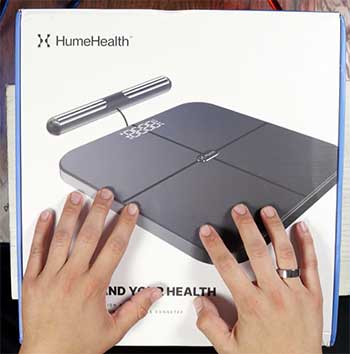
I’ve been tracking my health with smart scales for years, frustrated by basic ones that only showed weight and vague body fat guesses. Recently, I tested both the Hume Health Body Pod and the Withings Body Scan side by side for months.
My goal here is to help you decide which one fits your routine better—whether you’re chasing muscle gains, fat loss, or overall wellness insights. I’ll break it down honestly from my experience, focusing on what matters most in daily use.
| Feature | Hume Health Body Pod | Withings Body Scan |
| Price (approx.) | $229–$299 | $399–$450 |
| Measurement Technology | Multi-frequency BIA with retractable handle | Multi-frequency BIA with retractable handle |
| Key Metrics | 45+ (segmental muscle/fat per limb, visceral fat, bone mass, body water, BMR, metabolic age, protein, heart rate) | Weight, BMI, body fat %, muscle mass, bone mass, body water, visceral fat index, segmental (arms/legs/torso grouped), 6-lead ECG, vascular age, nerve health (EDA), pulse wave velocity |
| Segmental Analysis | Individual left/right arms and legs | Arms grouped, legs grouped, torso |
| Connectivity | Bluetooth only | Wi-Fi + Bluetooth |
| App Features | AI coaching, weekly reports, personalized insights (premium $9.99/mo) | Seamless integration (Apple Health, etc.), trends, optional Withings+ subscription |
| Battery/Recharge | Rechargeable | Rechargeable |
| Users | Up to 30 | Up to 8 |
| Special Modes | Athlete mode, multi-user | Pregnancy, baby, athlete, eyes-closed |
| Heart Health | Basic heart rate | Advanced: ECG (AFib detection), vascular age |
| Accuracy Claim | 98% correlation to DEXA (company study) | High precision (0.1 lb weight), clinically validated for some features |
Key Differences Between Hume Health Body Pod And Withings
- Segmental Analysis Granularity
This stands out as one of the biggest reasons I switched routines between the two devices.
The Hume Health Body Pod measures each limb individually—left arm, right arm, left leg, right leg, plus torso—giving me separate muscle and fat readings for every part.
I could spot that my dominant right arm had more muscle but also slightly higher fat from old habits, or see if my left leg was lagging after an injury.
It made training feel precise, like having a personal map of imbalances.
Withings Body Scan does segmental too, but it groups both arms together and both legs together, with torso separate. That’s still advanced—most scales don’t do any segmental—but it meant I couldn’t pinpoint side-to-side differences as easily. For anyone into unilateral training or rehab, Hume’s per-limb detail changes everything.
- Number and Variety of Metrics
Hume throws over 45 metrics at you every scan, from basics like body fat percentage and muscle mass to deeper ones like protein mass, metabolic age, bone density, intracellular/extracellular water ratios, and even phase angle (a marker of cellular health).
It felt overwhelming at first, but once I got used to it, those extras helped me understand plateaus—like noticing low protein levels despite eating enough calories. Withings focuses on a tighter, more curated set: weight down to 0.1 lb precision, body fat/water/muscle/bone, visceral fat index, basal metabolic rate, plus its standout heart and vascular stuff.
Fewer numbers, but each one feels rock-solid and clinically oriented. If you want volume and variety for fitness experimentation, Hume wins; if you prefer focused, reliable essentials without data overload, Withings feels cleaner.
- Heart and Cardiovascular Health Focus
Withings absolutely dominates here, and it’s why I kept it longer for overall monitoring. The 6-lead ECG can detect potential atrial fibrillation (it’s FDA-cleared for that), plus you get vascular age, pulse wave velocity for artery stiffness, and standing heart rate trends.
During a high-stress month, seeing my vascular age improve after adding cardio gave real motivation. Hume sticks to basic standing heart rate—no ECG, no artery health metrics. It’s more body-comp centric, with just enough heart data to track resting rate trends.
If family history includes heart issues or you’re over 40, Withings’ advanced tools provide peace of mind no home scale matches.
- Nerve Health and Unique Wellness Indicators
Withings adds electrodermal activity (EDA) on the feet to score nerve health via sweat gland response—basically a proxy for autonomic nervous system stress and recovery. It’s not diagnostic, but tracking how my score dipped during poor sleep weeks helped me prioritize recovery.
Hume doesn’t have anything similar; its extras lean toward metabolic markers like protein or water balance. This makes Withings feel more “whole-body wellness station” than just a scale.
- Connectivity and Daily Convenience
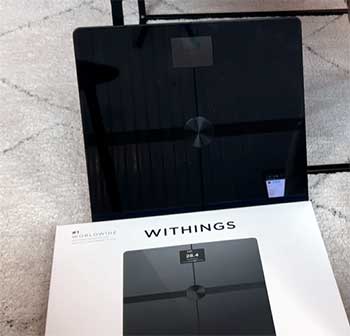
Withings’ Wi-Fi sync is a game-changer for me—no need to open the app or have my phone nearby every morning.
Data uploads automatically, even showing weather or air quality on the screen as bonuses.
Hume is Bluetooth-only, so I had to wake the scale, open the app, and stand close for sync.
It frustrated me on rushed mornings, especially if the phone was charging elsewhere.
Withings also integrates seamlessly with Apple Health, Google Fit, and tons of apps; Hume connects well but feels more standalone, pulling wearable data mainly for its own AI reports.
- App Experience and Coaching Style
Hume’s app pushes AI-driven weekly reports and personalized coaching (premium unlocks full nutrition plans and habit suggestions). It analyzes how sleep, steps, or stress from connected wearables affect your composition—super motivating for goal-oriented users. I loved getting alerts like “Your muscle increased in legs this week—keep up the squats.”
Withings’ app is beautifully designed with smooth graphs and trends, plus optional Withings+ for guided programs, but it’s less “chatty” and more data-visualization focused. If you want an app that feels like a coach talking to you, Hume edges ahead; if you prefer elegant, no-nonsense tracking, Withings shines.
- Price and Overall Value
As of 2026, Hume often lands around $200–$300 (sometimes discounted heavily), making it feel like a steal for the metric depth and segmental precision. Withings Body Scan sticks closer to $400–$500—premium pricing for premium heart features and build.
Both have optional ~$10/month subscriptions for extras, but basics are free. Hume gives more bang if body recomp is your main goal; Withings justifies the cost if cardiovascular monitoring matters.
- Build Quality, Design, and Special Modes
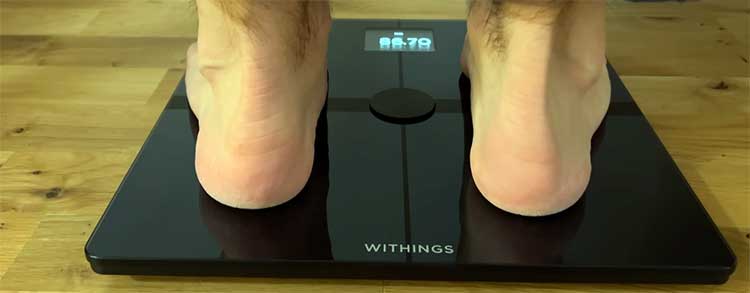
Both feel high-end with retractable handles and color screens, but Withings has a slight edge in polish—thicker glass, smoother handle retraction. It also offers unique modes like pregnancy tracking (safe BIA adjustments), baby hold-weigh, athlete mode, and eyes-closed (hides weight for mental health).
Hume supports athlete mode and unlimited users (great for big families), but no pregnancy-specific safety tweaks. Withings accommodates up to 8 users with auto-recognition; Hume handles way more without issue.
- Battery Life and Portability
Both rechargeable via USB-C, lasting weeks to months. Hume feels a touch lighter, easier to move if needed. Withings’ battery claims up to a year in some modes, though real use is closer to months.
- Accuracy Perceptions and Consistency
Both use multi-frequency BIA with handles for better readings than foot-only scales. Hume claims 98% correlation or ±3% to DEXA in studies, and my trends matched gym progress well. Withings emphasizes clinical validation for heart features and precise weight.
Day-to-day, hydration affects both (as with all BIA), but consistent conditions yield reliable trends. Some users debate Hume’s absolutes for very lean people, while Withings gets praise for repeatability in heart metrics.
Key Features of The Hume Health Body Pod
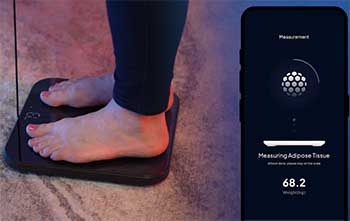
- Direct segmental measurement for each arm and leg separately—I love seeing if my left arm lags behind the right after focused workouts.
- Over 45 metrics, including protein levels, metabolic age, and detailed visceral fat tracking.
- AI-powered weekly health reports that pull in data from wearables for sleep and activity context.
- Retractable handle for upper body analysis, making scans quick (about 20-30 seconds).
- Color display on the pod shows immediate results like weight and body fat.
- Supports tons of users, perfect for families.
- Rechargeable battery lasts weeks.
- App offers free basic tracking with optional premium for deeper coaching.
Pros And Cons of The Hume Health Body Pod
Pros
- Incredible segmental detail motivates targeted training.
- Tons of metrics keep things interesting without overwhelming.
- AI insights feel personal and actionable.
- Cheaper entry into advanced scanning.
- Rechargeable and portable-ish.
- Multi-user friendly for sharing with family.
- Quick scans with immediate feedback on display.
- Good trend tracking over time.
Cons
- Bluetooth-only sync can frustrate if your phone isn’t nearby.
- Some app bugs with syncing or data pulls.
- Premium subscription needed for full coaching.
- Accuracy varies day-to-day based on hydration (like all BIA).
- No advanced heart features.
- Occasional inconsistencies reported in leaner users.
Key Features of The Withings Body Scan
- Advanced heart monitoring with 6-lead ECG to spot potential AFib—peace of mind if heart health runs in your family.
- Vascular age and pulse wave velocity for artery health insights.
- Nerve health score via electrodermal activity on feet.
- Segmental analysis, though it groups arms and legs together rather than individually.
- Visceral fat index and standard composition metrics like muscle, fat, water, bone.
- Wi-Fi sync means no phone needed nearby—data uploads automatically.
- Beautiful app with smooth trends and integrations.
- Special modes like pregnancy tracking and baby weigh-ins.
- High-resolution color screen.
Pros And Cons of The Withings Body Scan
Pros
- Top-tier heart health tools, including ECG.
- Wi-Fi makes daily use effortless.
- Clean, intuitive app with excellent graphs.
- Clinically backed features for cardiovascular stuff.
- Special modes for life stages like pregnancy.
- Precise weight measurements (down to 0.1 lb).
- Vascular and nerve health add unique wellness layers.
- Seamless ecosystem if you have other Withings devices.
Cons
- Much higher price.
- Less granular segmental analysis.
- Fewer total metrics compared to Hume.
- Subscription for extra guidance features.
- Handle feels a bit clinical.
- Overkill for pure fitness tracking.
My Personal Experience Using Both
I started with the Hume because the segmental per-limb data sounded perfect for my uneven strength training. Seeing exact muscle differences between arms pushed me to balance workouts better, and I noticed real progress in spots I ignored before.
The sheer number of metrics kept me engaged—tracking protein or metabolic age added motivation beyond just weight.
Then I added the Withings Body Scan for its heart features. The ECG gave reassuring checks, especially during stressful periods, and vascular age motivated cardio improvements. Wi-Fi sync became my favorite—no fumbling with phones in the morning.
Over months, Hume excelled at body recomp feedback, helping me fine-tune diet and lifts. Withings shone for holistic health, catching nerve or artery trends I wouldn’t notice otherwise.
Consistency matters most: Both track trends well if used same time daily, fasted, hydrated similarly. Hume felt more “fitness coach,” Withings more “health guardian.”
If your focus is building muscle or losing fat precisely, I’d lean Hume. If heart health or seamless integration tops your list, Withings pulls ahead.
Also Read: Is Home Fitness Code Treadmill Worth It?
Frequently Asked Questions (FAQ)
Withings emphasizes advanced heart health (ECG, vascular age) and Wi-Fi sync, while Hume Pod focuses on detailed segmental body composition (individual limbs) and more metrics overall.
It’s consistent for trends and correlates well with DEXA in company studies (around 98%), but like all BIA scales, it varies with hydration and isn’t lab-perfect. Great for home tracking progress.
Hume is home-focused with handle for upper body, more metrics, and AI coaching. InBody (like Dial H30) uses professional-grade DSM-BIA, often more consistent for athletes but fewer extras and higher price for pro models.
No, it’s a consumer wellness device, not FDA-cleared for medical diagnosis. Some features have certifications, but not full FDA approval.
Wrapping This Up: Which One Should You Choose?
I’ve loved having both, but if I picked one today, it’d depend on you. You’re serious about transforming your body—go with the Hume Health Body Pod for that detailed feedback to guide every workout and meal.
You want broader health monitoring with pro-level heart insights—choose Withings Body Scan for confidence in your overall wellness.
Either way, stepping on a smart scale consistently changed how I view progress. You deserve tools that show the full picture, not just a number. Whichever you pick, commit to using it daily—you’ll thank yourself when those trends start moving your way.