
I’ve been relying on meal replacements for years to keep my busy life on track—quick nutrition without the hassle of cooking. Between Huel and Ka’Chava, two of the biggest names out there, I’ve spent months alternating between them, testing flavors, tracking how they make me feel, and analyzing the nutrition labels.
In this article, I’ll compare them head-to-head from my real-user perspective to help you decide which one fits your lifestyle, budget, and goals better—whether you’re chasing convenience, taste, or that premium superfood vibe.
| Aspect | Huel | Ka’Chava |
| Calories per serving | 400 | 240 |
| Protein | 30-40g (depending on version) | 25g |
| Carbohydrates | 37-45g | 24g |
| Fat | 12-18g | 7g |
| Fiber | 7-10g | 6g |
| Price per serving (approx., with subscription) | $2.50-$3.50 | $4.50-$5.00 |
| Main protein source | Pea and rice protein | Plant-based blend (pea, brown rice, etc.) |
| Key focus | Complete, balanced meal replacement | Whole-food superfoods and adaptogens |
| Taste profile | Thick, functional, oat-based | Smooth, dessert-like |
| Fullness duration | 3-5 hours | 2-3 hours |
| Best for | Budget-conscious, high-protein needs | Premium taste, nutrient density seekers |
Key Differences Between Huel And Ka’Chava
- Calorie and macro balance
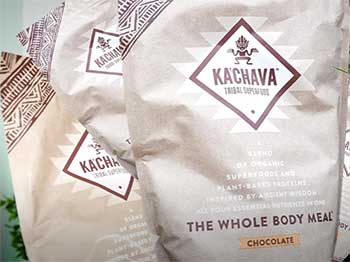
This is one of the biggest distinctions that shapes how I use each product daily.
Huel is built as a true 400-calorie meal replacement—whether it’s the standard Powder with around 30 grams of protein or the Black Edition pushing 40 grams.
That higher calorie count comes with a balanced split: roughly 37-45 grams of carbs from oats, 12-18 grams of fat from flaxseed and sunflower, and plenty of fiber (7-10 grams). It feels substantial, like I’ve actually eaten a meal.
On the flip side, Ka’Chava clocks in at just 240 calories per serving, with 25 grams of protein, 24 grams of carbs, and only 7 grams of fat. For me, that makes Ka’Chava more of a boosted snack or light breakfast rather than something that carries me through several hours.
If I’m replacing lunch at my desk, Huel wins every time because I don’t get that mid-afternoon hunger crash. But if I’m looking for something lighter after a morning workout, Ka’Chava fits without weighing me down.
- Ingredient philosophy
Huel and Ka’Chava approach nutrition from completely different angles, and it shows in every scoop. Huel is engineered for completeness—oats, pea and rice protein, flaxseed, and a precise micronutrient blend that hits 100% of your daily vitamins and minerals in two scoops.
It’s functional, science-driven food designed to cover all bases efficiently. Ka’Chava, however, leans hard into the whole-food, superfood trend with over 85 plant-based ingredients: organic maca, camu-camu, reishi mushrooms, lacuma, and adaptogens like ashwagandha.
It’s less about hitting exact macro targets and more about delivering nutrient diversity from sources that feel closer to nature. Personally, I appreciate Ka’Chava’s organic focus—it aligns with my preference for cleaner sourcing when I can afford it—but Huel’s transparency and guaranteed completeness give me peace of mind on days when my real-food intake is minimal.
- Price accessibility
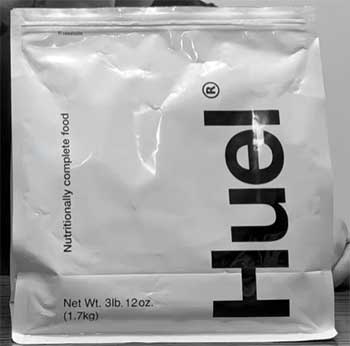
Let’s be real: cost is a deciding factor for most of us using these long-term.
As of early 2026, Huel remains significantly more wallet-friendly.
With subscription, standard Huel Powder drops to around $2.20-$2.65 per meal, and even the premium Black Edition stays under $3.50.
I’ve stocked my pantry with multiple bags without feeling guilty.
Ka’Chava, meanwhile, sits at about $3.99 per serving on subscription and closer to $4.66 one-time—nearly double Huel for fewer calories.
That price gap adds up fast if you’re replacing one or two meals a day. I’ve had months where Ka’Chava was a luxury I limited to weekends, while Huel became my everyday staple. If budget is tight, Huel stretches further and feels more sustainable.
- Taste and enjoyment factor
Hands down, Ka’Chava takes the crown here. Their flavors—chocolate, vanilla, chai—taste like actual desserts. The smoothness from coconut milk and monk fruit sweetener makes it something I genuinely look forward to drinking.
I’ve caught myself craving it like a treat. Huel, especially the standard versions, can taste more functional: oat-forward, sometimes chalky or with a faint artificial sweetener note if you don’t blend it perfectly.
The Black Edition has improved, and flavors like salted caramel are decent, but it still requires add-ins (berries, peanut butter, coffee) to really shine for me. If enjoyment keeps you consistent, Ka’Chava wins; if you’re fine treating it like fuel, Huel gets the job done without complaints.
- Satiety and fullness
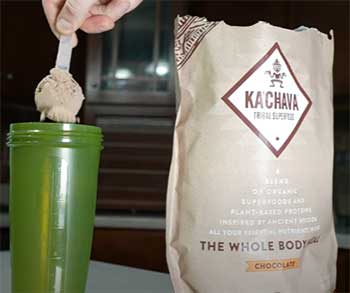
This ties directly to calories and texture.
Huel’s thicker, oat-based consistency and higher fiber content keep me satisfied for 4-5 hours easily—sometimes longer with the Black Edition.
It’s saved me from mindless snacking during long work stretches or travel days.
Ka’Chava, while delicious, often leaves me hungry again in 2-3 hours because of the lower calorie density.
I’ve experimented by doubling the scoop to match Huel’s calories, but then the cost skyrockets and it defeats the purpose.
For anyone using these as actual meal replacements rather than supplements, Huel’s staying power is a clear advantage.
- Nutrient sourcing
Ka’Chava emphasizes organic, whole-food ingredients and adaptogens that you won’t find in most competitors—things like sacha inchi protein, maqui berry, and probiotic blends. It feels premium and gives me that subtle wellness boost (better stress handling, steadier energy).
Huel fortifies heavily to guarantee completeness, but the base is more conventional: pea/rice protein, added vitamins, and minerals. While effective, it can feel more processed. Recent 2025-2026 heavy metals concerns (elevated lead in some Black Edition batches per Consumer Reports and ongoing discussions) have made me cautious with Huel, though the company maintains levels are safe and naturally occurring.
Ka’Chava hasn’t faced similar scrutiny, which adds to its clean-image appeal.
- Digestive experience
Both are plant-based and generally gentle, but my body reacts differently. Ka’Chava’s added enzymes, probiotics, and lower fiber load mean almost no bloating—even from day one. It’s smoother sailing, especially if I’m sensitive.
Huel’s higher fiber (especially from oats and flax) caused noticeable gas and bloating during my first couple of weeks, though my system adapted and now it supports great regularity. If you have a sensitive gut or want zero adjustment period, Ka’Chava edges out. For long-term fiber benefits, Huel delivers more.
- Best use case
Ultimately, it comes down to your goals and lifestyle. Huel is my go-to for budget-conscious, high-volume meal replacement when I need reliable nutrition without fuss—think busy workweeks, travel, or cutting calories while staying full.
Ka’Chava shines when I prioritize taste, organic superfoods, and that premium feel, like weekend indulgence or lighter days focused on wellness over calorie density. Neither is “better” universally, but alternating them has worked best for me: Huel for practicality, Ka’Chava for enjoyment and variety.
Your choice depends on whether you value affordability and fullness (Huel) or flavor and whole-food nutrients (Ka’Chava).
Also Read: Is Keto Activate Dark Chocolate Truffle Worth It?
Key Features of Huel
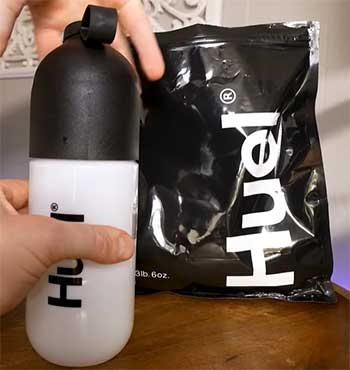
- Nutritionally complete formula. Every serving delivers a balanced macro split with all 26 essential vitamins and minerals. I appreciate knowing I’m hitting 20-30% of my daily needs for everything from vitamin D to iron without thinking about it—perfect for days when my diet would otherwise be coffee and whatever’s in the office fridge.
- High protein options, especially in Black Edition. The Black Edition gives me 40 grams of protein per shake, which keeps my muscles fueled during long workdays or after workouts. As someone who lifts weights a few times a week, this higher protein hit feels substantial and helps me avoid snacking.
- Affordability and subscription model. With subscription discounts, it drops to around $2.50-$3 per meal. That’s sustainable long-term. I’ve ordered multiple bags at once, and the cost never makes me wince like some premium brands do.
- Sustainability focus. Huel uses plant-based ingredients and emphasizes low environmental impact. The packaging is recyclable, and they often highlight their carbon-neutral goals. It aligns with my efforts to make greener choices without sacrificing convenience.
- Variety of products. Beyond powder, there’s Ready-to-Drink bottles, Hot & Savory options, and bars. I’ve grabbed the RTD bottles for travel, and they save me in airports when food options are terrible.
- Thick, filling texture from oats and flaxseed. The oat base makes it feel like a real meal rather than a thin drink. On busy mornings, one shake keeps me satisfied until lunch or beyond, which has helped me manage portions better.
- Customizable flavors and add-ins. Vanilla and chocolate are staples, but I mix in frozen berries or peanut butter to keep things interesting. The neutral base takes additions well without overpowering them.
Pros of Huel
- Exceptional value for money. At under $3.50 per serving on subscription, it’s one of the most budget-friendly complete meals available. I’ve replaced expensive takeout lunches with it and saved hundreds over months.
- Keeps me full for hours. The 400 calories and balanced macros mean I rarely feel hungry soon after. This has been a game-changer for productivity—I power through afternoons without cravings.
- High protein satisfaction. Especially in Black Edition, the 40 grams help with muscle recovery and satiety. As an active person, I’ve noticed better workout recovery when using it consistently.
- Complete nutrition without gaps. Independent tests and the company’s transparency show it covers all essential nutrients. I’ve used it during travel periods when fresh food is scarce and felt energized, not depleted.
- Versatile for different diets. Gluten-free, vegan, and low-sugar options fit almost any restriction. I’ve recommended it to friends with various dietary needs, and it works across the board.
- Reliable consistency. The texture is predictable—thick and creamy when blended well. No surprises batch to batch.
- Strong community and recipes. Online forums share endless customization ideas. I’ve experimented with savory versions that feel like actual meals.
Cons of Huel
- Taste can feel functional rather than enjoyable. Some flavors are bland or have a slight artificial sweetener aftertaste. It took me time to find mixes that excited me.
- Potential digestive adjustment. The high fiber from oats and flaxseed caused gas and bloating initially. My body adapted after a couple weeks, but it was uncomfortable at first.
- Recent heavy metals concerns. Reports and lawsuits about elevated lead and cadmium in some batches worried me. While levels are within legal limits, I now rotate it rather than rely on it exclusively.
- Thicker texture isn’t for everyone. If you prefer light shakes, it can feel heavy or gritty if not blended perfectly.
- Ultra-processed perception. Despite natural ingredients, the vitamin fortification and processing make some question if it’s “real food.” I sometimes crave variety from whole meals.
- Limited indulgent flavors. It doesn’t hit that dessert-like satisfaction some premium options do.
Also Read: Is Step One Foods Worth It?
Key Features of Ka’Chava
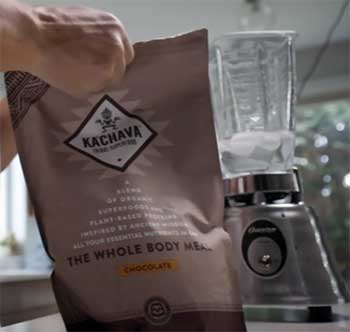
- Over 85 superfoods and adaptogens. Ingredients like maca, camu-camu, reishi, and acai pack in antioxidants and plant compounds you don’t get from standard shakes. I notice a subtle energy boost without jitters, especially on stressful days.
- Organic and whole-food emphasis. Most ingredients are organic, and it feels closer to “real food” than processed alternatives. As someone who tries to eat clean when possible, this premium sourcing stands out.
- Smooth, dessert-like taste. Flavors like chocolate and vanilla actually taste indulgent—like a milkshake rather than a supplement. It’s the one shake I’ve looked forward to drinking, even on days when I’m not rushed.
- Digestive support blend. It includes enzymes, probiotics, and prebiotics. I experience less bloating compared to higher-fiber options, which makes it gentler on my stomach.
- Lower calorie density. At 240 calories, it’s lighter and works well as a snack or lighter meal. I’ve used it post-workout when I don’t want something heavy but still need nutrients.
- Plant-based protein blend. The 25 grams come from pea, brown rice, sacha inchi, and more. It feels diverse and high-quality, though not as high-volume as some competitors.
- Clean sweetener profile. It uses coconut nectar and monk fruit instead of artificial options. That avoids the aftertaste I sometimes get from sucralose-heavy products.
Pros of Ka’Chava
- Outstanding taste and smoothness. It’s genuinely delicious—I crave it like a treat. Chocolate flavor feels like a reward rather than a chore.
- Superfood density feels premium. The adaptogens and antioxidants give a subtle wellness boost. I’ve noticed better stress handling and steady energy.
- Gentler on digestion. Enzymes and probiotics mean less bloating for me compared to fiber-heavy alternatives.
- Clean, organic ingredients. Knowing most components are organic and minimally processed aligns with my preference for less synthetic stuff.
- Beautiful packaging and branding. It feels luxurious opening a bag, which oddly motivates me to use it consistently.
- Versatile as snack or light meal. Lower calories make it flexible—I use it between meals or when I want something nourishing but not heavy.
Cons of Ka’Chava
- Higher price point. At $4.50+ per serving, it adds up fast. I’ve had to limit usage to treat days rather than daily meals.
- Lower calories and protein. 240 calories often leaves me hungry sooner, requiring double scoops—which defeats the cost-saving purpose.
- Not as filling long-term. Without the higher macro balance, I reach for snacks earlier than with fuller options.
- Proprietary blends. Exact amounts of some superfoods aren’t disclosed, making it harder to gauge potency.
- Limited availability and flavors. Fewer options than broader product lines, and stock sometimes runs low.
- Premium cost without full meal replacement feel. For the price, I sometimes wish it packed more calories/protein to truly replace a meal.
Also Read: Is Koia Protein Drink Worth It?
Frequently Asked Questions (FAQ)
Recent 2025 reports and class-action lawsuits highlighted elevated levels of heavy metals like lead and cadmium in some Huel products, particularly Black Edition, raising safety concerns despite being within legal limits.
Bland taste for some, initial digestive bloating, heavy metals concerns from recent tests, and a processed feel that turns off whole-food purists.
Many view it as a convenient, balanced option for busy periods with solid short-term nutrition, but most recommend prioritizing whole foods long-term over exclusive reliance.
Yes, depending on priorities—Ka’Chava for superior taste and superfoods, LyfeFuel or Soylent for cleaner or cheaper options, or Jimmy Joy for similar completeness at competitive pricing.
Final Thoughts
In my experience, neither Huel nor Ka’Chava is perfect, but both have earned a place in my routine. If you’re watching your wallet and need reliable, filling meals, I lean toward Huel—it’s practical and gets the job done.
But when you want something that actually tastes amazing and packs in those extra superfoods, Ka’Chava feels worth the splurge.
Ultimately, you have to try them yourself to see what fits your body and lifestyle. Whichever you choose, listen to how you feel and adjust. You’ve got this—finding the right fuel makes everything else easier.