
If you own an in-ground pool and hate spending hours manually vacuuming, you need the Hayward TracVac. I switched to this suction-side cleaner last season, and it transformed my pool maintenance routine.
It delivers reliable, thorough cleaning without the high cost of robotic models, climbs walls effectively, and handles debris like a champ. For most pool owners, it offers the perfect balance of performance, ease, and value—you’ll wonder why you waited so long to get one.
My Personal Experience With The Hayward TracVac
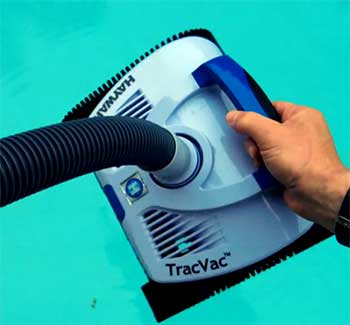
Let me tell you how I ended up with the Hayward TracVac.
My old suction cleaner was falling apart after years of service—wheels worn down, barely moving, leaving patches of dirt everywhere.
I spent way too much time brushing and vacuuming manually, especially during summer when the pool saw constant use from kids and gatherings.
I researched options and kept coming back to the TracVac because it promised better traction with those rugged tracks and easier handling.
When the box arrived, I felt excited but a bit nervous about setup. You connect it to your skimmer or dedicated suction line, adjust the hose length, and use the flow gauge to get the suction right.
It took me about 30 minutes the first time, mostly figuring out the regulator valve for my variable-speed pump. Once I dropped it in the water, I watched it go—and I was impressed.
The tracks gripped the pool floor immediately. My pool has a vinyl liner with some gentle slopes and a deeper end, and the TracVac moved steadily without getting stuck on the main drain like my old one did.
It climbed the walls smoothly up to the waterline, scrubbing off algae buildup I usually had to handle myself. After a full cycle, the water looked clearer, and the floor felt clean underfoot.
I run it three times a week now, and it consistently picks up leaves, sand, and fine dust. One weekend after a windy storm dumped twigs and pollen everywhere, I worried it might clog, but the hollow turbine design let larger pieces pass through without stopping.
The debris went straight to my filter, which I backwashed afterward—no big deal.
You might wonder about noise or disruption. It’s quiet; you barely notice it running. The lightweight body makes pulling it out easy, unlike heavier models I’ve tried. Over the past year, I’ve saved hours of manual work, and my pool stays inviting longer between full cleanings.
If you’re tired of inconsistent cleaners or don’t want to spend thousands on a robot, this one feels like a smart upgrade. My only regret? Not getting it sooner.
The Pros of The Hayward TracVac
- Exceptional Traction and Mobility
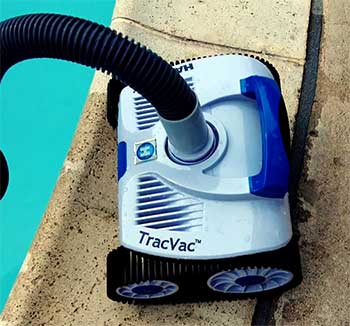
What stands out most to me is how well the TracVac moves around the pool.
Those rugged tracks give it superior grip compared to wheeled cleaners I’ve used before.
You see it handle uneven surfaces, raised drains, and transitions from floor to wall without hesitation.
In my pool, it navigates the bench seating area effortlessly, where older models would spin or stall.
This means fuller coverage every time it runs—you get a consistently clean pool with minimal missed spots.
- Efficient Debris Handling
I appreciate how the TracVac deals with all kinds of debris. The wide intake and hollow turbine allow it to suck up everything from fine silt to larger leaves without clogging easily. You don’t have to empty a bag constantly; everything goes to your pool filter.
After heavy pollen seasons or storms, it clears the floor quickly, leaving the water sparkling. This efficiency saves you time and keeps your pool healthier overall.
- Wall-Climbing Capability
Many suction cleaners struggle with walls, but not this one. The TracVac climbs reliably up to the tile line, scrubbing off light algae and dirt buildup. You notice the difference immediately—fewer manual brush sessions needed.
In my experience, it reaches about 80-90% of the wall height consistently, which is plenty for preventing that stubborn ring at the waterline.
- Lightweight and Easy Handling
At under 15 pounds, the TracVac is a breeze to lift in and out of the pool. You won’t strain your back like with bulkier models.
The comfortable handle helps too. When you store it or move it for swimming, the light weight makes the whole process simple and quick.
- Simple Setup and Operation
You can have it running in under an hour. Connect the hose, adjust flow with the included gauge, and drop it in. No extra boosters or electrical cords needed—it uses your existing pump suction.
This plug-and-play approach suits busy pool owners who want reliable cleaning without complicated programming.
- Cost-Effective Performance
Compared to robotic cleaners that cost two or three times as much, the TracVac delivers strong value. You get thorough cleaning powered by your current system, with lower upfront and operating costs.
Over the season, I’ve seen my energy use stay stable since it doesn’t require separate power.
- Compatibility with Variable-Speed Pumps
If you have a modern VS pump like I do, the TracVac works beautifully. You dial in the right RPM for optimal flow, and it runs efficiently at lower speeds. This keeps your energy bills down while maintaining great cleaning power.
Also Read: Comparison of Pentair Warrior SE And Dolphin S200 Pool Cleaners.
The Cons of The Hayward TracVac
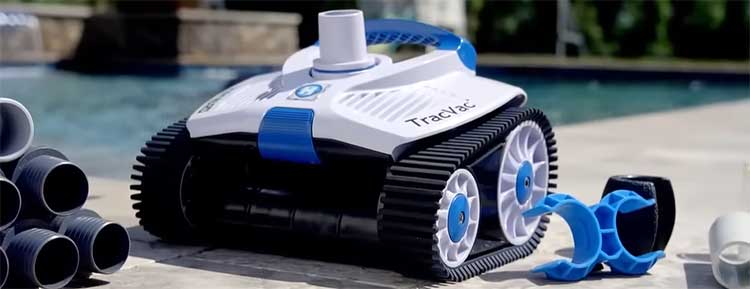
- Dependence on Pool Pump and Filter: Since it’s suction-powered, the TracVac relies entirely on your pump’s strength. If you have a weaker single-speed pump, you might not get full performance—climbing could suffer, or movement slow down. You may need to run the pump longer during cleaning cycles, which adds to runtime.
- Potential Hose Tangling: Like most suction cleaners, the hose can twist or tangle occasionally, especially in larger or irregularly shaped pools. You might have to straighten it out midway through a cycle. It’s not a constant issue for me, but it happens more than with track-guided robotics.
- Wear on Wearable Parts: The tracks and drive components wear over time with heavy use. You can expect to replace them every few seasons depending on debris load and pool chemistry. It’s normal maintenance, but you factor in those occasional costs.
- Limited Fine Filtration: All debris goes to your main filter, so very fine particles might recirculate if your filter isn’t top-notch. You end up backwashing or cleaning the filter more often than with bag-equipped cleaners.
- No Independent Scheduling: You can’t program it to run on its own schedule like cordless robotics. It operates only when your pump is on and dedicated to the suction line, requiring some manual timing coordination.
Maintenance Tips For Your Hayward TracVac
- Regular Cleaning After Each Use: I make it a habit to rinse the TracVac quickly after pulling it out. You hose off any stuck debris on the tracks and underside to prevent buildup. This simple step keeps it moving smoothly and extends part life significantly.
- Checking and Adjusting Flow: Every couple of weeks, I use the included flow gauge to verify suction strength. You hold it against the cleaner while running and adjust the regulator valve if needed. Proper flow prevents sluggish movement or excessive wall climbing—it’s key to consistent performance.
- Inspecting Tracks and Drive Components: You flip the cleaner over monthly and look for wear on the tracks. If they feel slick or cracked, order replacements early. I also check the drive shafts for debris wrapping around them. Catching issues early saves you from bigger repairs.
- Winter Storage Practices: When closing the pool for winter, I disassemble the hose sections and store everything dry in the garage. You avoid leaving it outside where freezing or sun damage could occur. A quick wipe-down and loose coiling of the hose prevents kinks.
- Hose Maintenance and Length Adjustment: You ensure the hose is the right length—too long causes tangling, too short limits coverage. I mark mine and check for cracks or stiffness seasonally. Replacing sections as needed keeps everything flexible.
- Pump and Filter Coordination: Since debris heads to your filter, I backwash right after heavy cleaning sessions. You also clean cartridges or DE grids regularly to maintain strong suction. This partnership keeps the TracVac performing at its best.
- Troubleshooting Common Issues: If it starts spinning in circles, you check for uneven track wear or blocked intakes. For poor climbing, increase flow slightly. Having the troubleshooting guide handy helps you fix most things yourself quickly.
Comparing The Hayward TracVac To Other Brands
- Hayward TracVac Vs. Dolphin Nautilus CC Plus
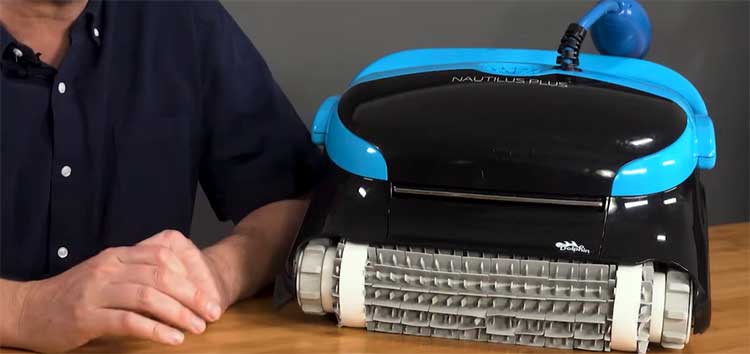
I almost pulled the trigger on the Dolphin Nautilus CC Plus before settling on the TracVac. The Dolphin is a full robotic cleaner—it runs on its own power cord, climbs walls effortlessly, scrubs with active brushes, and traps debris in its own easy-to-empty filter baskets.
You drop it in, set a cycle (some models even have Wi-Fi for scheduling), and it works independently without touching your pool filter or pump runtime. It shines on fine dust and algae, leaving pools sparkling with minimal effort.
But here’s why I went with the TracVac instead: cost. The Nautilus CC Plus runs $800–$1,000, while you can grab the TracVac for half that. My suction setup already existed, so adding a robotic felt like overkill for everyday maintenance.
The Dolphin uses very little electricity on its own, but the TracVac piggybacks on my variable-speed pump efficiently—I barely notice extra energy costs. You do clean your main filter more with the TracVac since debris heads there, whereas the Dolphin’s baskets are a quick rinse.
If you hate any filter maintenance or want hands-off scheduling, the Dolphin wins. For reliable cleaning on a budget with great traction from those tracks, the TracVac feels like the smarter daily driver for my pool.
- Hayward TracVac Vs. Polaris MAXX Pool Cleaner
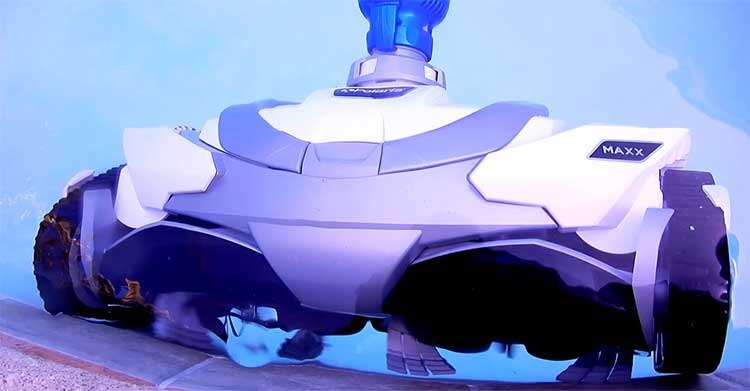
Both the TracVac and Polaris MAXX are suction-side cleaners, so they connect the same way—to your skimmer or dedicated line—and rely on your pump’s power. The MAXX steps it up with premium features like spinning scrubbing turbines that actively agitate stuck-on dirt and a wider cleaning path for faster coverage.
You get strong performance on floors, walls, and even the tile line, plus it handles fine silt and larger debris well without clogging easily.
What tipped me toward the TracVac was the track design. Those rugged tracks give unbeatable grip on my pool’s slopes and around drains—I’ve seen the MAXX (from a friend’s pool) occasionally slip or hesitate on uneven spots where wheels dominate its setup.
The TracVac maneuvers more steadily, climbing consistently without extra adjustments. The MAXX feels a bit heavier to handle in and out of the water, and its active brushes add nice scrubbing power you might miss on the simpler TracVac.
Price-wise, they’re close, but if your pool has lots of fine or stuck debris, the MAXX’s turbines give it an edge. For pure mobility and obstacle navigation in varied pools, you can’t beat the TracVac’s tank-like tracks—it just keeps going without drama.
- Hayward TracVac Vs. Polaris Atlas XT Pool Cleaner
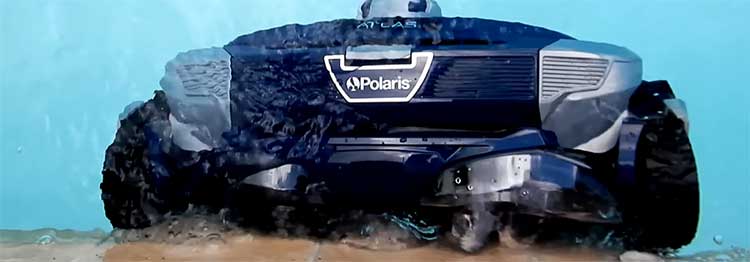
The Polaris Atlas XT is another suction-side contender that many owners rave about, and I get why after checking it out. It uses HALO technology for advanced obstacle avoidance and debris removal, picking up everything from tiny silt to bigger leaves without stalling.
You see excellent wall climbing all the way to the waterline, strong scrubbing, and reliable coverage even in complex pool shapes. It’s built tough and often leaves pools crystal clear with minimal missed spots.
Comparing it directly to my TracVac, the Atlas XT feels like the premium sibling—more aggressive suction and better at circulating water while cleaning. Friends with the Atlas say it rarely gets stuck and handles heavy leaf seasons like a champ.
That said, the TracVac holds its own with superior traction from the tracks; it grips better on my vinyl liner and transitions smoothly over raised drains where wheeled designs like the Atlas can sometimes bounce.
The TracVac is noticeably lighter to lift out, and setup felt simpler right out of the box—no fancy tech to tweak. Both need your pump running, so filter maintenance is similar. If you want max debris pickup and wall scrubbing power, the Atlas XT pulls ahead slightly.
But for lightweight handling, unstoppable mobility, and straightforward performance without the higher price tag, the TracVac is the one I trust daily—you get 90% of the results for less hassle and cost.
Also Read: Comparison of Jacuzzi JCRX And Dolphin Nautilus CC Plus.
Frequently Asked Questions (FAQ)
It depends on your budget and pool type, but many consider Dolphin robotic models tops overall. For reliable suction-side performance, the Hayward TracVac stands out.
It connects to your pool’s skimmer or suction line. Your pump creates suction that powers movement via tracks, vacuums debris to the filter, and allows wall climbing.
Hayward offers a 2-year parts-only warranty.
Most last 5-8 years with proper care, though heavy use or harsh conditions can shorten that.
Final Thoughts On Owning The Hayward TracVac
After using the TracVac daily, I can say confidently it’s worth adding to your pool setup. You get dependable cleaning that saves time and effort without breaking the bank.
If you want a hassle-free way to keep your in-ground pool spotless, this cleaner delivers day after day. Grab one—you’ll enjoy your pool more and maintain it less.