
As someone who spends 10+ hours a day at my desk, I’ve become obsessed with finding the perfect ergonomic chair. After trying dozens of options, I narrowed it down to two premium contenders: the Haworth Fern and the Herman Miller Embody.
In this article, I’m sharing my real-world experience with both to help you decide which one deserves a spot in your home office. I’ll break down their features, comfort, support, and value so you can choose the chair that fits your body, budget, and workday.
| Feature | Haworth Fern | Herman Miller Embody |
| Price (approx. 2026) | $1,300 – $1,500 | $1,900 – $2,100 |
| Back Support Style | Wave Suspension with adjustable lumbar | Pixelated dynamic matrix, no traditional lumbar |
| Seat Comfort | Soft, waterfall edge foam | Firm, flexible suspension |
| Adjustability | 4D arms, seat depth, lumbar height, tilt tension | 4D arms, seat depth, Backfit, tilt limiter |
| Breathability | Full mesh back, very airy | Layered design with cooling foam (gaming version) |
| Movement Support | Excellent fluid motion | Promotes active sitting |
| Warranty | 12 years | 12 years |
| Weight Capacity | 325 lbs | 300 lbs |
| Best For | All-day comfort, lumbar focus | Dynamic posture, upper-back emphasis |
Key Differences Between Haworth Fern And the Herman Miller Embody
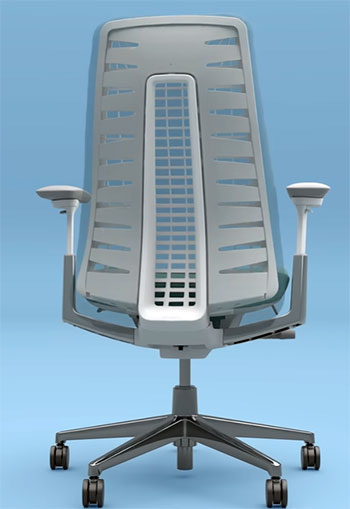
- Back Support Philosophy — The Fern relies on its Wave Suspension technology paired with an adjustable lumbar pad, delivering a more traditional, passive cradling feel that gently hugs the entire spine. In my experience, this creates consistent, forgiving support that doesn’t force anything—it just feels reliably there. The Embody takes a completely different approach with its pixelated dynamic matrix, spreading pressure across hundreds of flexible points for active, instinctive alignment. It almost trains your body to move better, rewarding shifts in posture rather than letting you settle into one spot.
- Seat Feel — The Fern’s soft, edgeless waterfall foam seat is immediately cozy and forgiving, with just the right amount of cushion that molds to me without ever feeling mushy. I never get thigh pressure, even when perching forward or sitting cross-legged. The Embody’s suspension seat is noticeably firmer and more bouncy from the start—it flexes with every weight shift but took me about a week to break in fully. Once adjusted to, it feels energizing rather than plush.
- Breathability — The Fern’s full mesh back is the clear winner here; air flows freely, and I stay cool and dry even on hot days or during intense work sessions. The Embody uses layered materials with cooling foam (especially effective in the gaming version), but it still traps a bit more heat against my back compared to the Fern’s open mesh design.
- Lumbar vs. Thoracic Focus — The Fern truly shines in lower-back support thanks to its sliding lumbar pad—I can dial it in exactly where my curve needs it, and it stays put for hours, eliminating the evening tightness I used to feel. The Embody skips traditional lumbar entirely, instead emphasizing mid and upper-back alignment through its Backfit adjustment, which supports the thoracic area beautifully but left me wanting more pronounced push lower down at first.
- Movement Style — Both chairs encourage motion, but the Fern does it with fluid, almost effortless flow—the wave back follows every twist and lean seamlessly, like an extension of my body. The Embody actively pushes for posture changes; its pixels nudge me to keep adjusting, which keeps blood flowing but feels more deliberate than the Fern’s natural glide.
- Adjustment Experience — The Fern’s controls are straightforward and intuitive—most tweaks are quick reaches that I barely think about once set. The Embody demands more initial tweaking, especially the Backfit knob, to get everything dialed in perfectly; it’s rewarding when right, but the trial-and-error phase was longer for me.
- Price and Value — The Fern consistently comes in hundreds cheaper while delivering premium comfort that feels nearly on par with flagship chairs. The Embody commands a higher price that it justifies through its groundbreaking tech and long-term posture benefits, but only if those innovations align with what your body needs.
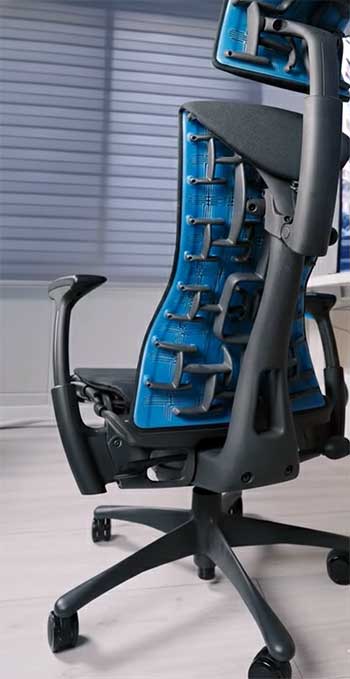
- Aesthetics — The Fern has an elegant, understated look with organic curves that blends effortlessly into any home office without drawing attention. The Embody’s bold, skeletal design with exposed mechanics makes a stronger visual statement—great if you love modern, almost futuristic vibes.
- Noise Level — Day-to-day, the Fern runs quieter with barely any creaks or clicks, even when I’m shifting a lot. The Embody produces subtle mechanical feedback from its pixels and tilt mechanism, nothing loud but noticeably more present during active use.
- Initial Comfort vs. Long-Term Benefits — The Fern wins hands-down for out-of-the-box coziness; I felt great from day one and could sit forever. The Embody requires setup time and a break-in period, but once there, it delivers superior long-term posture improvements and energy—I stood up feeling less stiff after full days.
Key Features of The Haworth Fern
- Wave Suspension System — The back uses suspended waves that flex independently. As I shift side to side or lean, it follows without resistance. This creates a floating sensation that keeps me moving naturally throughout the day.
- Edgeless Waterfall Seat — The front edge curves down gently, avoiding pressure behind my knees even when I sit cross-legged or perch forward. The foam has just enough give to feel plush without sinking too deep.
- Adjustable Lumbar Support — A sliding pad lets me position support exactly where my lower back curves. I dial it up during focused work and lower it when reclining to read.
- Full Mesh Back — Breathability stands out. Even in summer with poor AC, my back stays cool and dry after hours.
- 4D Arms — They adjust height, width, depth, and angle. I position them perfectly for typing or push them away when guitar playing during breaks.
- Synchro-Tilt Mechanism — The seat and back recline together in a smooth ratio. Tension adjusts easily so reclining feels effortless regardless of weight.
- Height Range — The gas lift offers more travel than most chairs, making it friendly for taller users like my 6’3″ friend who borrows it occasionally.
The Fern feels like a supportive hug that still lets me wiggle and stretch without fighting the chair.
Also Read: Is Ostrich 3-in-1 Lounge Chair Worth It?
Pros of The Haworth Fern
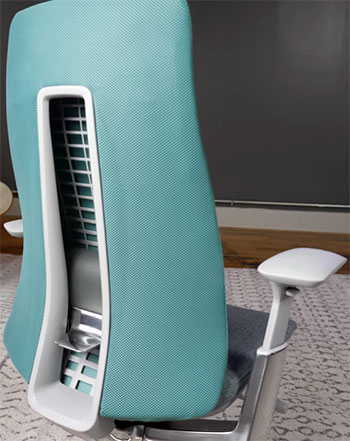
- Exceptional all-day comfort → I log 12-hour sessions without numbness or fatigue. The soft seat and responsive back make long hours bearable, creating no hot spots or pressure points even when I forget to take breaks.
- Outstanding lumbar support → The adjustable pad fills my lower back curve perfectly, reducing strain I used to feel by evening. It stays in place most of the time and provides that gentle, consistent push that keeps my spine aligned naturally.
- Superior breathability → Full mesh keeps me cooler than any padded chair I’ve tried. On hot days or during intense deadlines, I never feel that sticky buildup that forces me to stand up and cool off.
- Smooth, natural movement → The wave back encourages micro-adjustments, helping me stay alert instead of stiff. It flows with every twist or lean, making the chair feel like an extension of my body rather than something I’m confined to.
- Better value in the premium segment → It delivers 95% of flagship chair comfort for hundreds less. When I compare build quality and daily feel, the savings make it an easier justification without sacrificing much.
- Quiet operation → Minimal creaks or clicks, even during active reclining. This matters in quiet home offices or during video calls where every sound gets picked up.
- Attractive, understated design → It blends into home offices without screaming “gaming chair.” The organic lines look sophisticated next to wood desks or minimalist setups.
- Sustainable materials → Haworth emphasizes eco-friendly production, which matters to me as I try to make conscious purchases that last.
- Generous weight and height accommodation → Friends of various sizes find it accommodating, from petite to tall and heavier builds—no complaints about stability or fit.
Cons of The Haworth Fern
- Seat might feel too soft for some → If you prefer firm surfaces, the foam could seem cushy initially and encourage slight slouching if you’re not disciplined about posture.
- Lumbar pad can shift slightly → During very active movement or aggressive reclining, it occasionally needs nudging back into place, which interrupts flow a tiny bit.
- Armrests feel less premium → They’re functional but lack the buttery smoothness of pricier competitors—the pads are solid but don’t have that ultra-refined click or glide.
- Recline tension takes effort to adjust → The knob sits under the seat and requires reaching around, which isn’t as convenient as side-mounted controls on some chairs.
- Not as “exciting” in innovation → It refines existing ideas rather than reinventing support like some rivals, so if you want cutting-edge tech feel, it might seem evolutionary instead of revolutionary.
Key Features of The Herman Miller Embody
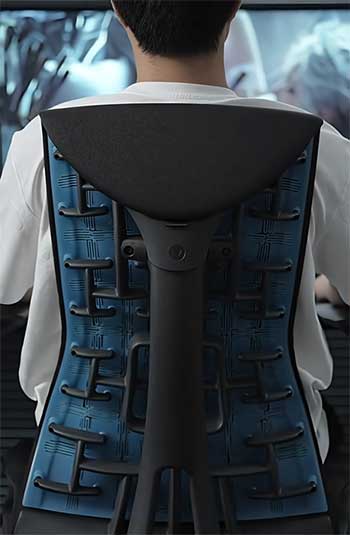
- Pixelated Support System — Hundreds of flexible pixels distribute pressure and adjust instantly. Leaning back feels like the chair anticipates my moves.
- Backfit Adjustment — A knob tunes the back’s curve to match my spine length. Proper setting aligns support from sacrum to thorax.
- Central Spine Design — The narrow spine lets my shoulder blades move freely—great for reaching or turning.
- Flexible Seat — The suspension seat flexes with weight shifts. It’s firmer than traditional foam but bouncy in a unique way.
- 4D Arms — Highly adjustable with smooth, precise movement.
- Tilt Limiter — I set recline range and tension to lock upright for tasks or open for lounging.
- Cooling Foam Layer (Gaming Version) — Copper-infused foam dissipates heat better than the standard model.
The Embody feels alive—it nudges me to stay dynamic rather than sink in.
Pros of The Herman Miller Embody
- Unmatched dynamic support → The pixel system promotes constant posture shifts, reducing stagnation and keeping circulation going even during marathon sessions.
- Excellent upper and mid-back alignment → It supports my thoracic spine in ways no lumbar-focused chair matches, opening my chest and reducing forward rounding over time.
- Encourages healthy movement → I fidget more (in a good way), staying energized during long calls instead of zoning out in a static position.
- Premium build quality → Every adjustment feels precise and durable, with materials that scream longevity—I trust this chair to last decades.
- Iconic, modern aesthetic → It makes a statement in creative workspaces, looking like a piece of design art rather than just furniture.
- Superb for forward-leaning tasks → The flexible seat and spine let me hunch productively without pain, perfect for drawing tablets or intense typing bursts.
- Long-term posture benefits → After weeks, I noticed better natural standing posture and less overall tightness when getting up.
- Cooling performance (gaming model) → Heat buildup stays minimal even in warm rooms, thanks to the infused foam that actively wicks away warmth.
Also Read: Comparison of Branch Daily Chair And Ergonomic Chairs.
Cons of The Herman Miller Embody
- High price tag → It costs noticeably more than comparable chairs, making the decision heavier when similar comfort exists for less.
- Firm seat takes breaking in → The suspension feels hard at first, especially for lighter users, and required a solid week before it softened to my liking.
- No traditional lumbar support → Some (including me initially) miss pronounced lower-back push—it relies on overall distribution, which works but feels less targeted.
- Can feel narrow for broader builds → Shoulder and hip room feels snugger than wider seats, potentially restrictive if you have a larger frame.
- More mechanical noise → Pixels and mechanism create subtle sounds during movement, like quiet clicks that become noticeable in silent environments.
- Armrests can wobble slightly → They’re adjustable but less rock-solid than expected at this price, with minor play under pressure.
- Requires proper setup → Wrong Backfit adjustment makes it uncomfortable—trial and error needed, which extended my initial adjustment period.
How They Performed In My Daily Routine?
Mornings start with emails and coffee—I lean forward a lot. The Embody’s flexible seat and spine let me perch without edge pressure. The Fern feels great too, but its softer seat tempts slouching if I’m not mindful.
Midday brings deep-focus work. The Fern’s lumbar pad keeps my lower back happy during upright sitting. The Embody’s pixels distribute pressure evenly, though I occasionally wish for more lower push.
Afternoons involve calls and reclining. Both recline smoothly, but the Fern’s tension adjustment feels more natural to me.
Evenings mean reading or gaming. The Fern’s breathability and softer seat win for marathon sessions. The Embody stays supportive but can feel too firm after hours.
Final Thoughts
After months, I kept the Haworth Fern as my daily driver. Its combination of immediate comfort, excellent lumbar support, breathability, and lower price edges out for my body and workflow.
That said, if you prioritize dynamic movement and upper-back health—and don’t mind the investment—the Embody could transform your sitting experience.
You deserve a chair that makes long hours feel better, not worse. Both are outstanding, but one will click with your body more. I hope my experience helps you choose confidently.