
As someone who’s spent years battling weeds in my driveway, patio, and along fence lines, I’ve tried just about every herbicide out there.
Today, I want to share my experience comparing Ortho GroundClear and Roundup—two heavy hitters in vegetation control. My goal here is to help you decide which one fits your needs, whether you’re clearing a gravel path where nothing should grow or targeting weeds without long-term soil effects.Feature Ortho GroundClear Roundup (Standard Glyphosate-Based) Active Ingredients Glyphosate (5%) + Imazapyr (0.08%) Glyphosate (typically 18-50% in concentrates) Kill Type Non-selective, kills to root + prevents regrowth up to 1 year Non-selective, kills existing weeds to root Speed of Visible Results Hours to days 1-2 weeks full kill Best For Bare ground areas (driveways, patios) Spot treatment, lawns, gardens Soil Residual Yes, up to 1 year Minimal to none Rainfast 1 hour Varies, often 30 minutes to hours Risk to Nearby Plants High (root absorption possible) Lower (foliar mostly)
Key Differences Between GroundClear And Roundup
The biggest choice comes down to whether you want prevention or just elimination. I’ve used both extensively, and the differences really show up in how they perform over time and in different spots around my property.
- Residual Prevention
This is the standout contrast for me.
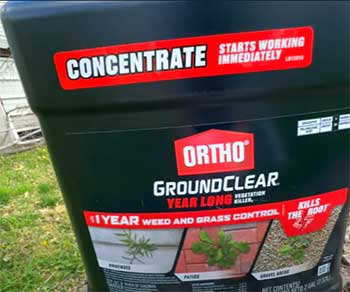
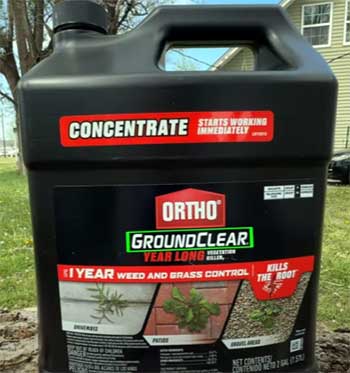
GroundClear, especially the Year Long Vegetation Killer versions, keeps areas bare for up to a full year—sometimes longer in dry conditions.
I’ve had gravel paths stay completely weed-free from spring through the next winter after one application.
The imazapyr in many GroundClear formulas creates that soil barrier, stopping seeds from germinating and killing any emerging roots.
Standard Roundup, on the other hand, has basically no residual effect. It kills what’s there, but new weeds can sprout within weeks if seeds blow in or are already in the soil. That’s why I reach for Roundup in my lawn; it lets grass fill back in naturally without leaving dead zones.
- Active Ingredients
GroundClear lines vary, but the long-lasting ones often combine glyphosate with imazapyr for that dual punch—quick kill plus prevention. Some newer or different GroundClear products might use pelargonic acid for fast contact burn or other mixes, but the classic vegetation killers include imazapyr.
Roundup’s core is glyphosate alone in most standard versions, though they have extended control options with added ingredients like diquat or others for quicker action. This makes Roundup simpler in its systemic root kill without lingering in the soil.
- Speed of Action
GroundClear often shows results faster on contact—I’ve seen wilting in hours with some formulas, especially those with contact burners like pelargonic acid. It’s satisfying when you want visible progress quickly on tough spots.
Roundup is systemic, so it takes longer: a few days to start yellowing, up to two weeks for complete death on perennials. But that slower action means thorough root kill without burning tops prematurely.
- Application Areas
I reserve GroundClear for total bare-ground zones like driveways, sidewalk cracks, gravel lots, fence lines, or under decks where I never want anything growing.
It’s perfect for those “set it and forget it” areas. Roundup shines in mixed settings—lawns, gardens, around shrubs, or edible areas (with careful spotting)—because it doesn’t sterilize the soil long-term. You can overseed or plant soon after.
- Risk to Nearby or Future Plants
GroundClear’s residual makes it riskier; imazapyr can move through soil or leach with rain, potentially damaging roots of nearby trees, shrubs, or beds. I’ve had to be extra cautious, staying well outside drip lines. Once, a little overspray affected a borderline plant months later.
Standard Roundup binds quickly to soil particles and has minimal root uptake risk beyond direct contact, so drift is the main worry, but it doesn’t hang around to hurt future plantings.
- Soil Impact and Environmental Persistence
GroundClear alters soil biology more noticeably— that long residual can suppress microbes and earthworms temporarily, leaving soil “sterile” for months.
In heavy clay or low-rain areas, effects might stretch beyond a year. Roundup’s glyphosate degrades faster through microbial breakdown, often within days to weeks, with little ongoing impact once bound. It’s why I feel better using Roundup around my veggie garden edges.
- Reapplication Frequency
With GroundClear on hardscape, one solid spring spray often lasts the season or more, saving time.
But if weeds sneak through late, tough luck until next year.
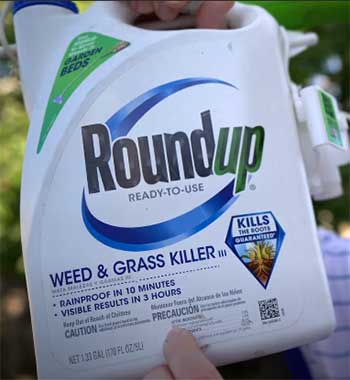
Roundup might need 2-3 applications per season for persistent perennials or heavy infestations, but it’s flexible—you can hit new growth without long-term consequences.
- Effectiveness on Tough Weeds
Both handle broadleaves and grasses well, but GroundClear’s prevention edge stops regrowth from roots or seeds better in bare areas. I’ve found Roundup excels on actively growing weeds with good leaf coverage, especially in cooler or shadier spots where GroundClear might need warmer conditions.
- Cost and Coverage
Concentrate versions of both are economical for big jobs, but GroundClear often costs more per gallon due to the added ingredients. Coverage-wise, similar when mixed properly, but GroundClear’s longevity means fewer overall purchases for permanent clear zones.
- Rainfastness and Weather Needs
Both become rainproof quickly—GroundClear often in 1 hour, some Roundup in 30 minutes. But optimal results for either come on warm, sunny days with active weed growth. I’ve wasted product applying too early in cool springs.
- User Flexibility and Regret Factor
Roundup gives more room for error—if plans change and you want to plant, you’re not locked out. GroundClear commits you; I’ve regretted using it in spots where I later wanted flowers or groundcover.
- Health and Safety Profile
Both contain glyphosate in many formulas, so similar precautions: gloves, no pets until dry, avoid inhalation. But GroundClear’s added chemicals like imazapyr require extra care around water sources or sensitive areas.
These differences have shaped how I tackle weeds year after year. GroundClear feels like a nuclear option for problem spots, while Roundup is my precise tool for maintenance. Matching the product to the situation avoids headaches down the line.
Key Features of GroundClear
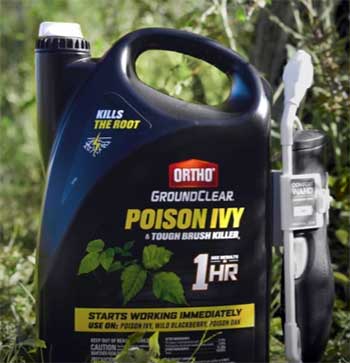
- Dual-action formula in many versions, combining fast-acting contact kill (like from pelargonic acid) with systemic and residual prevention from imazapyr.
- Year-long versions prevent new growth for up to 12 months, ideal for maintaining bare ground without constant maintenance.
- Fast visible results—often wilting in hours and full effects in days, thanks to quick-absorbing ingredients.
- Rainproof in as little as 1 hour, so unexpected showers don’t wash away your effort.
- Available in ready-to-use with comfort wands for easy, no-mess application or concentrates for covering larger areas cost-effectively.
- Works effectively on hard surfaces like driveways, patios, sidewalk cracks, gravel paths, and fence lines where you want zero vegetation.
- Penetrates tough weeds, including woody stems and deep roots, making it reliable for established invasions.
- Some formulations are OMRI-listed or use natural-derived acids for quicker burn-down.
- Concentrate mixes allow customization—higher rates for tougher jobs or broader coverage.
- Suitable for prepping areas like under decks or parking spots that stay barren season after season.
- Visible foaming in some ready-to-use versions helps you see exactly where you’ve sprayed to avoid misses or overlaps.
- Effective across a wide temperature range once above 60°F, with best results on actively growing plants.
Pros and Cons of GroundClear
I’ve had great success with GroundClear on my driveway, where weeds kept popping through gravel year after year.
Pros of GroundClear
- Exceptional long-term control—up to a full year of bare ground, reducing how often you need to spray and saving time in the long run.
- Handles the toughest invaders, from annual grasses to perennial broadleaves and even brushy growth that other killers struggle with.
- Quick initial knockdown—seeing leaves curl and brown in hours feels incredibly satisfying when you’re dealing with an eyesore.
- Prevents seed germination and root regrowth effectively due to soil activity, perfect for high-traffic or problem-prone areas.
- Economical for large bare zones; concentrate versions treat hundreds of square feet per bottle when mixed properly.
- Versatile application options—wand sprayers for precision, tank mixes for big jobs, or even watering can for small spots.
- Stays effective after rain quickly, so you don’t lose progress to weather.
- Creates a true “no-grow” zone, great for landscaping with rock, mulch, or hardscape where plants aren’t wanted.
- Reliable on dormant or mature weeds that might resist foliar-only products.
- Reduces overall herbicide use over time since one application often suffices for a season.
- Works well in various soil types, from sandy to clay, as long as you apply to moist ground.
- Gives professional-looking results, like commercial lots, without hiring help.
- Some users report it controlling invasive species better than single-ingredient options.
Cons of GroundClear
- The residual effect means nothing grows there for months, which isn’t ideal if plans change.
- Imazapyr can leach into soil and affect nearby desirable plants’ roots.
- Not suitable near lawns, gardens, or trees—I’ve learned to stay far from drip lines.
- Both ingredients raise health concerns with prolonged exposure.
- Requires careful application to avoid drift.
- More expensive per application for prevention needs.
- Can sterilize soil temporarily, impacting beneficial microbes.
Also Read: Is Preen Weed Preventer Worth It?
Key Features of Roundup
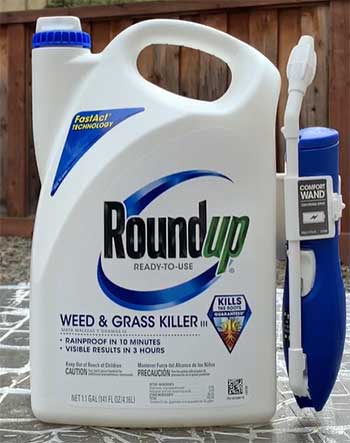
- Multi-ingredient formulas in current versions (like triclopyr, fluazifop, and diquat) for broad-spectrum kill on both grasses and broadleaves.
- Fast contact action with visible wilting in hours, plus systemic movement to roots for complete death.
- Wide product lineup: ready-to-use with extendable wands, concentrates, extended control with preventers, and lawn-specific safe options.
- Rainfast in as little as 30 minutes on many formulas, allowing flexible timing.
- Effective spot treatment—kills only what you spray, preserving surrounding grass or plants.
- Covers common tough weeds like dandelions, crabgrass, clover, poison ivy, and thistles.
- Some versions allow planting or seeding shortly after, from days to weeks depending on the product.
- Pump ‘n Go or comfort wand sprayers for fatigue-free, accurate application on larger areas.
- Concentrates offer high value, mixing to treat thousands of square feet.
- Works year-round on actively growing weeds, with optimal performance in warm conditions.
- Newer non-glyphosate mixes reduce some controversies while maintaining efficacy.
- Precise control for edging, around trees, flower beds, or vegetable gardens (with careful spotting).
Pros and Cons of Roundup
When I need to kill dandelions or crabgrass without blanketing the whole yard, Roundup shines.
Pros of Roundup
- Allows quick regrowth or overseeding since most formulas have minimal soil residual.
- Excellent for targeted spot treatments, minimizing impact on lawns, gardens, or landscapes.
- Thorough root kill prevents many perennials from returning the same season.
- Broad availability in various sizes and strengths for any job scale.
- Often more affordable per application for ongoing maintenance compared to preventive types.
- Many formulations designed for specific uses, like lawn-safe or tough brush killers.
- Fast results satisfy that urge to see progress quickly.
- Flexible—use around edibles or ornamentals with shielding or careful aim.
- Builds less long-term soil activity, preserving microbiology better for planted areas.
- Multiple applications possible without committing to barren zones.
- Effective on a huge range of weed species, from annuals to woody vines.
- Easy cleanup; no lasting bare spots if used properly.
- Current mixes address resistance issues in some glyphosate-tolerant weeds.
Cons of Roundup
- Weeds can return sooner since no prevention.
- May require multiple applications for tough perennials.
- Glyphosate controversies around health and environment.
- Slower full kill compared to some dual-action products.
- Less effective on very woody or mature plants without higher concentrations.
- Drift can damage nearby greens.
- Resistance building in some weed populations.
My Personal Experiences Using Both
Last summer, my patio cracks were overrun with grass and broadleaf weeds.
I tried Roundup first— it killed what was there, but by fall, new sprouts appeared. Frustrated, I switched to GroundClear the next spring.
One application, and that patio stayed bare all season.
It felt like magic, but I was careful not to get near my nearby flower beds.
On the flip side, in my lawn, Roundup let me target clumps of clover without harming the grass. Regrowth of turf happened naturally. GroundClear would have left dead patches too long.
I’ve also noticed temperature matters—both work best above 60°F on sunny days with active growth.
- When to Choose GroundClear Over Roundup? If your goal is a weed-free zone that stays that way, like paths or under decks, GroundClear is my pick.
- When to Choose Roundup Over GroundClear? For gardens, lawns, or anywhere you might plant later, Roundup gives flexibility.
Also Read: Comparison of Ortho Weed B-Gon And WeedClear.
Frequently Asked Questions (FAQ)
It depends on your needs—GroundClear for long-term bare ground, Roundup for flexible spot killing without residuals.
Yes, it’s non-selective and kills all vegetation it contacts, plus prevents regrowth.
On sunny days above 60°F, when weeds are actively growing and soil is moist but not soaked.
Yes, typically 5%, combined with imazapyr.
Wrapping Up
You and I both know weeds don’t quit easily. Whether you go with GroundClear’s powerhouse prevention or Roundup’s targeted approach, pick based on what you want long-term.
I’ve found success with both, but matching the product to the job makes all the difference. Here’s to cleaner yards ahead—happy spraying!