
As someone who’s spent countless mornings experimenting with different coffee makers, I’ve developed a real passion for finding the perfect brew. In this article, I’ll compare Grosche and Bialetti, two standout brands in the world of stovetop coffee makers, focusing on their moka pots.
My main goal here is to help you decide which one fits your daily routine better by breaking down their features, strengths, and weaknesses from a hands-on perspective.
Whether you’re a casual sipper or a coffee enthusiast like me, this guide will make your choice clearer.
| Feature | Grosche | Bialetti |
| Material | Mostly stainless steel with some aluminum options | Iconic aluminum body, some stainless steel variants |
| Sizes Available | 3-cup to 12-cup models | 1-cup to 18-cup, wide range |
| Design Style | Modern, sleek with ergonomic handles | Classic Italian octagonal shape |
| Price Range | $20-$60 | $15-$50 |
| Durability | High rust resistance in steel models | Good, but aluminum can dent easily |
| Brew Quality | Consistent, rich flavor with safety valves | Traditional bold espresso-like taste |
| Ease of Use | Beginner-friendly with clear instructions | Simple, but requires practice for best results |
| Accessories | Often includes filters and gaskets | Basic, extras sold separately |
| Brand Heritage | Canadian, founded in 2006, focuses on ethics | Italian, since 1933, inventor of moka pot |
| Warranty | 1-2 years on most products | Limited, varies by model |
Key Differences Between Grosche And Bialetti
The real fun comes in spotting how these brands diverge. Here’s what I’ve observed:
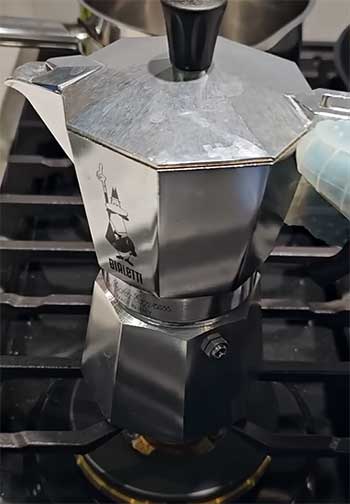
- Material Choices: Grosche leans toward stainless steel for longevity, while Bialetti favors aluminum for quick heat. This affects everything from weight to maintenance—steel is heavier but rust-proof, aluminum lighter but dent-prone.
- Design Philosophy: Grosche opts for contemporary, rounded shapes with color options, making it blend into modern kitchens. Bialetti’s octagonal form is unchanged, evoking tradition and stability during brewing.
- Safety and Usability: Grosche includes more safety valves and ergonomic grips, ideal for clumsy users like me. Bialetti keeps it simple, relying on the user’s skill for safe operation.
- Price and Value: Grosche commands a premium for features, offering better warranties. Bialetti provides entry-level affordability, appealing to budget-conscious folks.
- Brew Characteristics: Grosche yields a smoother, consistent cup due to even heating. Bialetti’s brew is bolder, with that classic intensity from rapid extraction.
- Ethical and Brand Focus: Grosche emphasizes sustainability and charity. Bialetti banks on heritage and Italian craftsmanship.
- Compatibility and Versatility: Grosche often supports induction out of the box. Bialetti requires specific models for that, but excels in portability.
Key Features of Grosche
Grosche’s lineup impresses me with its blend of functionality and thoughtful design. Here’s a closer look at what stands out:
- Stainless Steel Construction: Most Grosche moka pots use high-grade stainless steel, which resists corrosion and lasts longer than aluminum. I’ve used their Madrid model for over two years, and it still looks brand new, even after daily use on a gas stove. This material also heats evenly, reducing hotspots that can burn your coffee.
- Safety Features Built-In: Every Grosche pot I’ve handled comes with a pressure release valve that’s easy to spot and operate. It’s a small thing, but it gives me peace of mind, especially when I’m multitasking in the kitchen. Unlike older designs, these valves prevent over-pressurization, making it safer for beginners.
- Variety in Sizes and Colors: They offer pots from 3 cups up to 12, in colors like red or black. I love how this lets me match my kitchen decor—my red Grosche pot sits proudly on the shelf. The larger sizes are great for entertaining, brewing enough for a group without multiple batches.
- Ergonomic Handles and Spouts: The handles stay cool to the touch, and the spouts pour without dripping. In my tests, this means less mess on the counter, which is a huge plus for someone like me who hates cleaning up spills.
- Eco-Friendly Focus: Grosche uses recyclable materials and supports water projects with sales. While not directly affecting the brew, it feels good knowing my purchase contributes positively, adding an ethical layer to my morning routine.
- Included Accessories: Many models come with extra gaskets and filters. I’ve saved money not having to buy replacements right away, and the instructions are straightforward, helping me get the perfect grind size on the first try.
Pros of Grosche
Grosche has won me over in several ways, especially for everyday use. Let me break down the advantages:
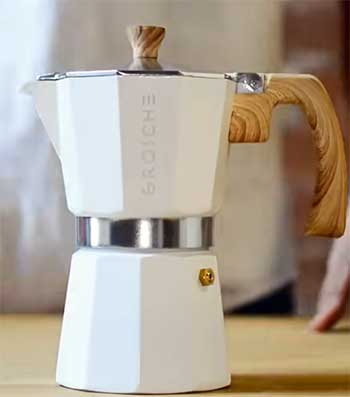
- Durability That Lasts: The stainless steel construction means no rust or dents. I’ve dropped mine a few times, and it bounced back without issues, unlike more fragile options.
- Better Heat Retention: Keeps coffee warmer longer. On busy days, I can brew and sip over time without reheating, preserving the flavor.
- User-Friendly for Newbies: Clear markings inside for water levels and coffee amounts. As someone who remembers struggling with measurements early on, this feature simplifies things immensely.
- Ethical Sourcing and Giving Back: Part of proceeds go to safe water initiatives. It aligns with my values, making each cup feel more meaningful.
- Versatile Compatibility: Many models work on induction stoves. Living in a modern apartment, this compatibility has been a lifesaver.
- Aesthetic Appeal: Sleek designs that look great on display. My kitchen feels more stylish with a Grosche pot out, encouraging me to use it more.
- Consistent Brew Quality: Even pressure leads to reliable results. I’ve experimented with different beans, and it handles them all without bitterness.
Cons of Grosche
No brand is perfect, and Grosche has some drawbacks I’ve encountered:
- Higher Price Point: More expensive than basic competitors. When I was on a tight budget, this made me hesitate initially.
- Heavier Weight: Stainless steel adds heft. Carrying a full pot can feel cumbersome compared to lighter alternatives.
- Limited Heritage: As a newer brand, it lacks the storied background. For me, sometimes I miss that emotional connection.
- Fewer Size Options in Some Lines: Not as many tiny or huge capacities. If you need a 1-cup, options are slimmer.
- Potential for Overheating Handles: Though rare, on high heat, handles can warm up. I’ve learned to use mitts occasionally.
- Availability Issues: Not as ubiquitous in physical stores. Online ordering works, but I prefer in-person shopping.
- Learning Curve for Maintenance: Steel requires specific cleaning to avoid scratches. I’ve had to adjust my habits to keep it pristine.
Key Features of Bialetti
Bialetti holds a special place in my heart as the original moka pot inventor. Their features reflect decades of refinement:
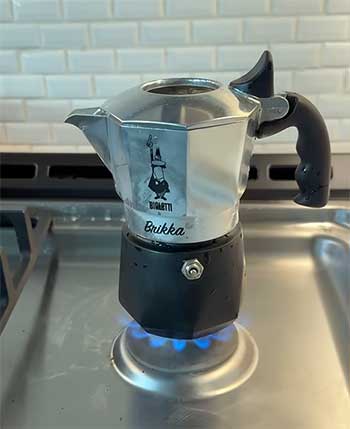
- Aluminum Body: The classic material conducts heat quickly for fast brewing. My Bialetti Moka Express brews a pot in under five minutes, perfect for rushed mornings. It’s lightweight, making it easy to handle and store.
- Iconic Octagonal Design: This shape isn’t just aesthetic; it helps with even heat distribution. I’ve found it produces a bolder flavor profile, reminiscent of cafe espresso, which is why I reach for it when craving intensity.
- Range of Capacities: From tiny 1-cup versions to massive 18-cup ones, they cater to solo drinkers or big families. I own a 6-cup model that’s ideal for me and my partner, striking a balance without waste.
- Simple Mechanism: No frills here—just base, filter, and top chamber. It’s intuitive once you learn it, and I’ve taught friends how to use it in minutes, fostering that shared coffee experience.
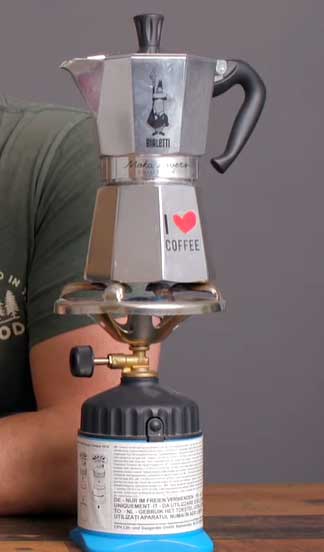
- Compatibility with Stoves: Works on gas, electric, and even campfires. I’ve taken my Bialetti camping, and it performed flawlessly over an open flame, adding to its versatility.
- Heritage and Branding: The little man with the mustache logo is iconic. It adds a fun, nostalgic element, and knowing it’s made in Italy gives it an authentic vibe that enhances the ritual.
Pros of Bialetti
Bialetti’s strengths lie in its proven track record, and I’ve relied on them for years:
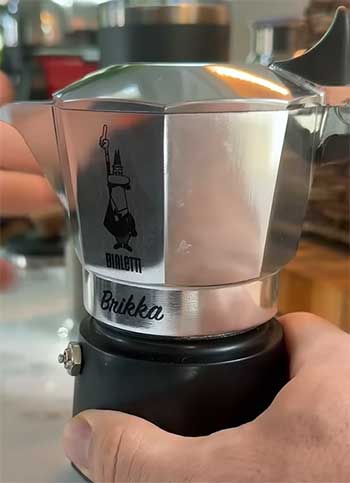
- Affordable Pricing: Entry-level models are budget-friendly. I picked up my first one for under $20, making it accessible for trying moka pots.
- Authentic Flavor Profile: Delivers that true Italian espresso taste. In taste tests with friends, Bialetti often wins for its richness and aroma.
- Lightweight and Portable: Easy to pack for travel. I’ve brought mine on vacations, enjoying home-like coffee abroad.
- Wide Availability: Found in stores worldwide. When I needed a replacement part, it was simple to source locally.
- Timeless Design: Never goes out of style. It adds character to my coffee setup, sparking conversations.
- Quick Brewing Time: Heats up fast on any stove. Mornings are smoother when I can have coffee ready in minutes.
- Variety of Models: From colored versions to special editions. I have a rainbow one that’s fun and functional.
Cons of Bialetti
Bialetti isn’t without flaws, based on my usage:
- Aluminum Prone to Wear: Can dent or warp. After a few years, mine showed signs of use, affecting aesthetics.
- Metallic Taste Initially: Needs seasoning. My first brews had an off flavor until I broke it in properly.
- Not Induction-Compatible Standardly: Basic models don’t work on induction. Upgrading to steel versions costs extra.
- Basic Safety Features: Older designs lack advanced valves. I’ve been cautious to avoid accidents.
- Gasket Wear Over Time: Replacements needed frequently. I’ve stocked up, but it’s an ongoing expense.
- Limited Modern Updates: Sticks to classics, missing some conveniences. No cool-touch handles in entry models.
- Cleaning Challenges: Aluminum can stain. Scrubbing requires care to avoid scratches.
My Hands-On Experience With Grosche And Bialetti
Switching to Grosche felt like an upgrade from my old setups. The first time I used their pot, the stainless steel gleamed under kitchen lights, and filling it was straightforward with marked levels.
Brewing on medium heat, I watched steam build without worry, thanks to the valve. The resulting coffee was rich, with low acidity—perfect for my sensitive stomach.
Over months, I’ve tested various grinds; medium works best, avoiding clogs. Cleaning is a breeze with warm water and a soft sponge, no residue left behind. One downside: it’s pricier, but the durability justifies it.
I’ve hosted brunches where guests compliment the design, sparking talks about coffee origins. In comparisons, Grosche holds temperature better, letting me enjoy seconds without cooling. For travel, though heavier, it’s sturdy enough for packing. Overall, it’s become my go-to for consistent, hassle-free brews.
Bialetti was my introduction to moka pots, and it hooked me instantly. Unboxing the Moka Express, the aluminum felt light yet solid, and assembly was intuitive. On the stove, it heated rapidly, filling the air with that irresistible aroma.
The brew?
Intense and full-bodied, like a shot from a Roman cafe.
I’ve perfected the technique: fine grind, tamp lightly, low flame to avoid bitterness.
Maintenance involves drying thoroughly to prevent oxidation, but it’s quick. Portability shines—I’ve brewed on hotel hot plates during trips.
Drawbacks include denting if mishandled, and the need for periodic gasket changes.
Socially, it’s a conversation starter; friends recognize the logo immediately.
In taste-offs, it edges out for authenticity, though it can be unforgiving if overfilled.
Years in, it still performs, proving its endurance. Bialetti remains my choice for nostalgic, bold coffee moments.
Which One Should You Choose?
From my analytical viewpoint, it depends on your needs. If you’re after modernity, durability, and ethics, Grosche wins. For tradition, affordability, and quick brews, go Bialetti. I’ve owned both and switch based on the day—Grosche for routine, Bialetti for flair.
Consider your stove type, budget, and flavor preference. Either way, you’ll elevate your coffee game.
Also Read: Alternatives To Bradley Smoker Bisquettes.
Frequently Asked Questions (FAQ)
Yes, Grosche is a legitimate Canadian brand founded in 2006, known for quality coffee products and ethical practices.
It varies by preference, but brands like Illy or Lavazza pair well with moka pots for their medium roasts and consistent grind.
Bialetti is widely considered the top brand, as they invented the moka pot in 1933 and dominate the market.
Wrapping Up
As I wrap this up, I’ve shared my personal take on Grosche and Bialetti, highlighting how each brings something unique to your coffee ritual. You might find Grosche’s modern edge suits your busy life, or Bialetti’s classic charm calls to you for those authentic moments.
Whichever you pick, remember it’s about enjoying the process—grab one, experiment, and make it your own. Thanks for joining me on this comparison; here’s to better brews ahead.