
If you are tired of scrubbing burnt rice off stainless steel pots or worrying about chemical coatings flaking off your old cooker, the GreenLife Rice Cooker is the upgrade your kitchen needs.
For the best warranty protection and color selection—especially those viral pastel pinks and turquoises—you should purchase this unit directly through major authorized retailers like Amazon or the official GreenLife website.
These platforms ensure you receive the latest model with the updated interface. It’s a small investment for peace of mind, ensuring your grains are cooked safely and consistently every single time.
My Personal Experience With GreenLife Rice Cooker

I have always considered myself a decent home cook, but rice was my Achilles’ heel.
For years, I relied on the knuckle method and a heavy-bottomed pot, and for years, I failed.
I would either end up with a layer of charcoal at the bottom or a gloopy, porridge-like mess that looked nothing like the distinct grains I saw in restaurants.
I honestly thought I just wasn’t meant to cook grains. Then, the health anxiety kicked in.
I started reading about PFAS and traditional non-stick coatings, and looking at my scratched-up Teflon pans made me shudder.
I wanted something that took the guesswork out of cooking but didn’t introduce “forever chemicals” into my family’s diet.
That is when I stumbled upon the GreenLife Rice Cooker. Initially, it wasn’t the specs that grabbed me; it was the look. It didn’t look like a piece of industrial machinery or a boring grey box. It was cute, compact, and had a soft matte finish that actually looked good sitting on my counter. I decided to give the turquoise model a shot.
The first time I used it, I was skeptical. It felt too lightweight. The inner pot, while ceramic-coated, felt different from the heavy cast iron I was used to.
I rinsed my jasmine rice, tossed it in, filled the water to the line indicated inside the bowl, and hit the “White Rice” button. No complex programming, no pressure release valves to fear. Just a button.
About thirty minutes later, the machine beeped. I opened the lid, expecting the usual disappointment. Instead, I was hit with a cloud of steam that smelled purely of sweet jasmine rice. No metallic tang, no burning smell.
I took the plastic spatula—which they thankfully include to protect the coating—and fluffed it. It was perfect. The grains were separate, tender but with a slight bite, and most importantly, the bottom was clean. The rice slid right out.
What truly sold me, though, was the week I decided to go on a health kick and exclusively eat quinoa and steel-cut oats. Usually, oatmeal in a pot is a disaster of spill-over and scorching. With this machine, I selected the “Steel Cut Oats” setting and walked away to shower.
I came back to perfect, creamy oats without having to stir once. It felt less like cooking and more like magic. It has been six months now, and that little colorful appliance has seen more action than my stove. It didn’t just solve my burnt rice problem; it removed the friction from cooking healthy grains entirely.
Why The GreenLife Rice Cooker Changes Everything?
When we talk about rice cookers, we usually focus on the logic chip or the heating element. But with GreenLife, the headline feature is undeniably the pot itself. This isn’t just about food not sticking; it is about what is not in the pot.
- The Science of Thermolon
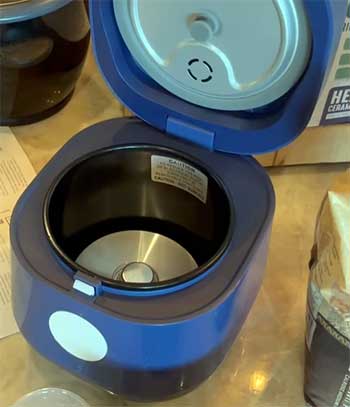
The core technology here is Thermolon, a sand-derived ceramic non-stick coating.
Unlike traditional coatings that rely on plastic polymers, this ceramic layer is cured without PFAS, PFOA, lead, or cadmium.
From an analytical perspective, this matters because rice cookers operate at sustained heat.
Knowing that the surface touching your food is stable and free from manufacturing toxins adds a layer of psychological comfort to the meal prep.
I have noticed that even after months of heavy use—cooking everything from sticky sushi rice to turmeric-stained yellow rice—the coating remains intact.
There is no peeling, no chipping, and absolutely no strange chemical odors, which can sometimes happen with cheaper plastic-based non-stick units when they first heat up.
- Fuzzy Logic in a Tiny Package
While it looks simple, the GreenLife isn’t a “dumb” device. It utilizes a version of fuzzy logic technology. Essentially, the cooker makes micro-adjustments to the temperature and cooking time based on how the grains are reacting inside the pot.
If the sensor detects that the rice is heating up too fast or there is still too much water, it adjusts the heat curve. This is why my brown rice comes out chewy-tender rather than crunchy, and my white rice doesn’t turn into mush.
The machine is “thinking” for you, which is a massive pro for anyone who multitasks in the kitchen.
Also Read: Differences Between Zojirushi Micom And Neuro Fuzzy Rice Cookers.
The Pros of Owning a GreenLife Rice Cooker
There is a lot to love about this appliance, and frankly, it punches above its weight class when you consider the price point.
- Effortless Cleanup
I cannot overstate this enough: cleaning this machine is trivial. Because the ceramic coating is so slick, nothing truly adheres to it. Even if I leave the rice on the “Keep Warm” setting for a little too long and the bottom layer gets slightly crisp, it wipes away with a soft sponge and warm water.
There is no soaking required. I have literally cleaned the inner pot in under 30 seconds. For someone who dreads doing dishes after a meal, this factor alone makes it worth the purchase.
- Compact and Aesthetic Design
Most appliances are eyesores we try to hide in cabinets. The GreenLife cooker is designed to live on the counter. It has a small footprint, making it ideal for apartments, dorms, or crowded kitchens. The interface is on the top, not the front, which keeps the look clean and modern.
The LED display is bright without being blinding, and the touch-capacitive buttons respond well, meaning there are no physical crevices for food gunk to get stuck in.
- Versatility Beyond Rice
While it is called a rice cooker, the preset menus for Quinoa and Steel Cut Oats turn it into a dedicated grain station. The heat profiles for these grains are different; oats need a lower, slower simmer to prevent boiling over, while quinoa needs a specific absorption rate to “pop” correctly.
Having dedicated buttons for these means you don’t have to guess water ratios or watch the pot. I have even used it to steam vegetables using a small basket (not included, but easy to improvise) while the rice cooks below, making it a functional meal-in-one device.
- Cool-Touch Exterior
Safety is a major pro here. The exterior of the unit stays relatively cool to the touch even during the boil phase. If you have curious kids or a cluttered counter where your arm might brush against the machine, you won’t get burned.
This thermal insulation also helps the machine work more efficiently, keeping the heat directed at the pot rather than radiating into your kitchen.
Also Read: Differences Between Tiger And Cuckoo Rice Cookers.
Care Tips For GreenLife Rice Cooker
To keep the GreenLife rice cooker performing at its peak, you have to treat the ceramic coating with respect. It is durable, but it isn’t invincible. Proper maintenance will extend the life of the unit significantly.
- Protecting the Ceramic Coating
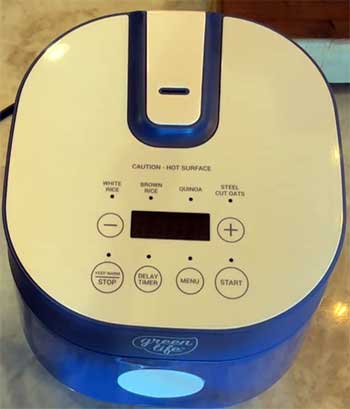
The golden rule of ceramic non-stick is to avoid metal.
Never, under any circumstances, use a metal spoon, fork, or whisk inside the inner pot.
The cooker comes with a plastic spatula for a reason. If you lose it, use a silicone spatula or a wooden spoon.
Metal will create micro-scratches in the ceramic.
While these scratches won’t release toxins (because the coating is toxin-free), they will degrade the non-stick properties.
Over time, rice will start to stick to those scratched areas, making cleanup harder and ruining the efficiency of the pot.
- Washing the Inner Pot Correctly
Although the pot is technically dishwasher safe, I strongly advise against it. Dishwasher detergents are highly abrasive and can wear down the ceramic coating over time, dulling the finish and reducing its slickness. The high heat of the drying cycle can also affect the longevity of the coating.
Hand washing is the way to go. Use a soft sponge or a microfiber cloth. Do not use steel wool or green abrasive scouring pads. If you have some stubborn starch residue, simply fill the pot with warm soapy water and let it sit for five minutes. The residue will lift right off.
- Cleaning the Heating Plate
The heating plate is the silver disc at the bottom of the main housing unit. If a stray grain of rice or a drop of water falls onto this plate and gets cooked on, it can disrupt the heat transfer. This leads to uneven cooking or the sensor triggering the “shut off” mechanism too early.
Check this plate regularly. If you see burnt-on debris, wait for the unit to be completely cool and unplugged. Then, take a slightly damp cloth and wipe it down. for tougher burnt spots on the heating plate, a fine grit sandpaper (used very gently) can remove the carbon buildup, but be extremely careful not to damage the sensor in the center.
- Managing the Lid and Steam Vent
The inner lid of the GreenLife cooker is removable, and you should remove it after every use. Starchy water splashes up during cooking and coats this metal plate. If you don’t clean it, that old starch can harbor bacteria or create off-flavors in your next batch of fresh rice.
Pull the rubber gasket gently to remove the plate, wash it with warm soapy water, and dry it thoroughly before snapping it back in. Also, check the steam vent cap on top. This can get clogged with starchy goo over time, which might cause the unit to sputter. Pop it off and rinse it out regularly to ensure clear airflow.
- Exterior Maintenance
The matte finish of the exterior is beautiful, but it can attract oil splatters if kept near the stove. Wipe the exterior down with a damp cloth after cooking.
Avoid harsh chemical sprays like bleach or ammonia-based window cleaners, as these can discolor the plastic housing or fade the text on the control panel. A simple solution of vinegar and water works wonders for keeping the exterior looking brand new.
How GreenLife Rice Cooker Stacks Up Against The Competition?
When you are shopping for a rice cooker, you are likely bombarded with options. Understanding how the GreenLife unit compares to the titans of the industry helps clarify who this product is actually for.
- GreenLife Vs. Toshiba Rice Cooker
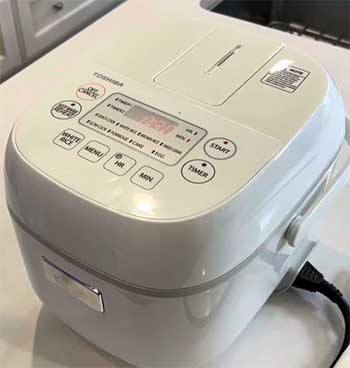
If you are looking at Toshiba, you are likely eyeing their popular fuzzy logic models which are known for being absolute workhorses.
The main difference here is the philosophy of the machine.
Toshiba rice cooker models are engineered like traditional Japanese electronics—they are functional, slightly bulky, and often come in standard white or brushed stainless steel.
They prioritize precise cooking algorithms over aesthetics.
When I used a Toshiba, I noticed the rice was exceptionally consistent, especially for mixed rice or long-grain varieties.
However, the GreenLife holds its own by offering a much healthier cooking surface. Most Toshiba units come with standard non-stick inner pots, which are durable but usually rely on traditional PTFE coatings.
If your primary concern is avoiding synthetic chemicals, GreenLife’s ceramic Thermolon coating is the clear winner. Additionally, the GreenLife is significantly faster. A standard white rice cycle on a Toshiba can take upwards of 40 to 50 minutes because of the soak time programmed into the logic. The GreenLife gets the job done much quicker, usually around 30 minutes.
If you want culinary perfection and don’t mind the wait or the industrial look, Toshiba is great. But if you want a toxin-free pot that looks good and respects your time, GreenLife is the better pick.
- GreenLife Vs. Cuckoo Rice Cooker
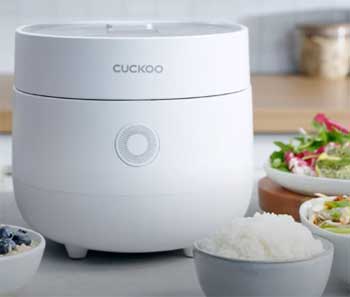
Cuckoo is the heavyweight champion of Korean rice cookers.
These machines are often pressure cookers, designed to force moisture into the grain, creating that distinctive sticky, chewy texture beloved in Korean cuisine.
If you are serious about sticky rice or plan to make GABA brown rice regularly, a high-end Cuckoo is unbeatable.
They talk to you, they have pressure locking handles, and they look like futuristic space helmets.
But here is the catch: they are complicated and expensive. I have found that Cuckoo interfaces can be intimidating for someone who just wants to press a button and walk away. There are voice navigation menus and pressure release cleaning protocols that require attention.
The GreenLife, by comparison, is delightfully simple. It does not use pressure, which means it is safer for kids to be around and easier to open mid-cycle if you want to throw in some veggies. The texture from the GreenLife is fluffier and lighter, whereas Cuckoo tends to be denser.
Unless you are cooking specific Korean dishes that demand that high-pressure texture, the GreenLife is far more approachable and wallet-friendly.
- GreenLife Vs. Dash Mini Rice Cooker
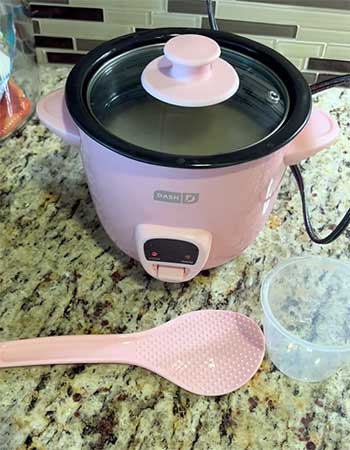
This is the battle of the “cute” appliances.
Both Dash and GreenLife target the same demographic: people with limited space who want something colorful and fun.
The Dash Mini is incredibly popular because it is tiny and cheap—often half the price of the GreenLife.
It is perfect for a single person making one bowl of rice at a time.
However, the difference in functionality is massive.
The Dash Mini is typically a mechanical “one-switch” device.
You press the lever down to cook, and it pops up to keep warm. That is it. It treats brown rice, white rice, and oatmeal exactly the same, which can lead to boil-overs or undercooked grains.
The GreenLife, on the other hand, actually has a brain. Its digital interface allows you to select the specific grain, adjusting the heat profile accordingly. This means you aren’t just boiling water; you are actually cooking the grain properly.
Furthermore, the Dash is almost too small for anything other than a single serving. The GreenLife has a 4-cup cooked capacity, giving you enough room to meal prep or feed a partner without taking up much more counter space.
While I love the price of the Dash, the GreenLife offers a far superior cooking experience and build quality.
Frequently Asked Questions (FAQ)
Yes, it is designed with safety in mind, featuring a cool-touch exterior and built-in thermal protections to prevent overheating.
Yes, the Thermolon ceramic coating is free from PFAS, PFOA, lead, and cadmium, ensuring no toxic fumes or chemicals leach into your food.
For high-end precision, Zojirushi is often considered the best, but for healthy, toxin-free cooking at an affordable price, GreenLife is a top contender.
Yes, it is highly rated for its non-stick performance, ease of cleaning, and eco-friendly manufacturing, making it excellent for everyday home cooking.
Conclusion: A Vibrant Addition To A Healthy Kitchen
The GreenLife Rice Cooker is more than just a pretty appliance; it is a reliable, health-conscious workhorse. It bridges the gap between ultra-budget cookers that burn your food and high-end luxury machines that break the bank.
By combining a toxin-free ceramic coating with smart cooking logic, it delivers consistently delicious results with minimal effort. If you value ease of cleaning, safety from chemicals, and kitchen aesthetics, this little machine is a winner.
It has certainly earned its permanent spot on my countertop, and I suspect it will do the same on yours.