
Let me start by saying, if you’re dealing with that sticky, uncomfortable humidity in your home, a General Electric dehumidifier could change everything for you.
I’ve used one for months, and it pulls moisture out like nothing else, making rooms feel fresh and preventing mold. You won’t regret buying one—it’s reliable, efficient, and worth every penny.
Trust me, your basement or bedroom will thank you.
My Experience With The General Electric Dehumidifier
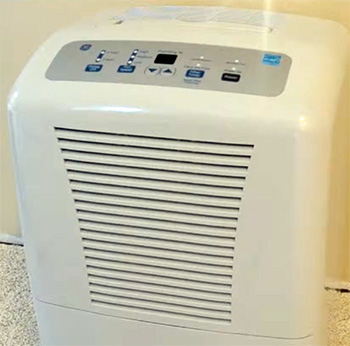
When I first unboxed my General Electric dehumidifier, the model ADEL50LR, I was skeptical.
My basement had this constant damp feel, like walking into a sauna every time I went down there.
The air was heavy, and I could smell that faint musty odor creeping in, especially after rainy days.
I live in a humid area, and summers turn my home into a swamp.
So, I decided to give this unit a shot based on what I’d heard from friends.
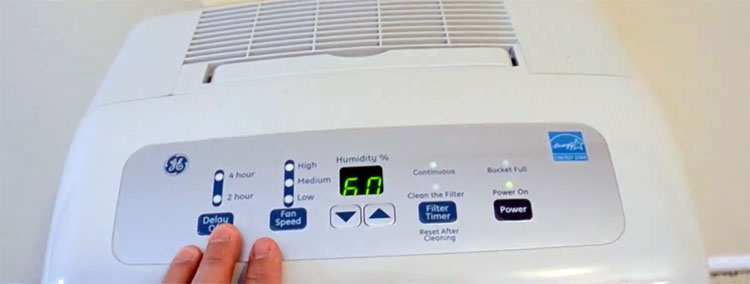
Right away, setting it up was straightforward. I plugged it in, filled out the simple controls on the top panel—humidity level, fan speed, timer—and let it run. Within hours, I noticed a difference.
The machine hummed quietly on the low setting, and by evening, the bucket was already collecting water. It amazed me how much moisture it pulled out; in just one day, it gathered about a pint, and that was in a 1,500-square-foot space.
I placed it in the corner of my basement, near the laundry area where humidity spikes from drying clothes.
Over the next few weeks, I experimented with the features. The smart dry mode adjusted automatically based on room conditions, which was a lifesaver when I forgot to check it. I set it to 45% humidity, and it maintained that level without me babysitting it.
One night, during a storm, the power flickered, but the auto-restart kicked in seamlessly. I also hooked up a drain hose to avoid emptying the bucket manually—game-changer for lazy days.
The wheels made it easy to roll around if I needed to move it to the bedroom upstairs, where humidity sometimes builds from showers.
What really stood out was how it improved my daily life. Before, I had allergy flare-ups from the damp air, but now, everything feels cleaner. My clothes don’t smell mildewy anymore, and the wooden furniture in the basement isn’t warping.
I even ran it in the garage during humid spells, and it handled the larger space well. Sure, it generates some heat, but in cooler months, that’s actually a plus. Energy-wise, my bill went up a bit, maybe $10 a month, but the comfort is priceless.
After a couple of months, I tested it in extreme conditions. During a heatwave, humidity hit 80%, and the unit worked overtime without breaking a sweat. It filled the 15-pint bucket twice a day, proving its capacity. I cleaned the filter weekly, which was simple—just slide it out and rinse.
No major issues popped up, though I did notice it gets louder on high fan speed, but that’s expected. Overall, this experience convinced me that General Electric knows how to build a solid machine. If you’re like me, tired of that clammy feeling, you’ll appreciate how it transforms your space.
Also Read: Differences Between SaniDry And Santa Fe Dehumidifiers.
Pros of The General Electric Dehumidifier
You know, when I think about what makes my General Electric dehumidifier stand out, it’s the little things that add up to a big win. Let me share the positives from my time using it and what I’ve gathered from other users.
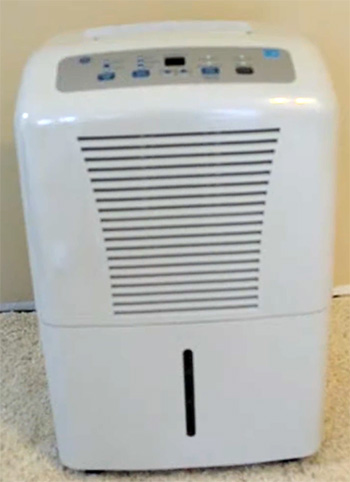
- Effective Moisture Removal: This is where it shines for me. In my basement tests, it pulled out up to 50 pints a day in really wet conditions. You can feel the air getting drier almost immediately. Compared to cheaper models I’ve tried before, this one doesn’t struggle; it tackles high humidity levels head-on, preventing that moldy buildup you hate.
- Energy Efficiency: I was pleasantly surprised by how it sips power. Being Energy Star certified, it keeps my electric bill in check. On average, it uses about 600 watts, which is better than some bulkier units. You won’t feel guilty running it all day, especially with the auto-adjust features that optimize runtime.
- User-Friendly Design: From the get-go, the controls are intuitive. The LED display shows exact humidity readings, and setting it up takes minutes. The large bucket with handles makes emptying a breeze—no spills or mess. Plus, the casters let you roll it wherever you need, like from the living room to the laundry area.
- Quiet Operation: On low or medium fan speeds, it’s barely noticeable. I run it in my bedroom at night, and it doesn’t disrupt sleep. The noise is a soft hum, not that annoying rattle you get from older machines. You can have conversations or watch TV without cranking the volume.
- Durability and Build Quality: This thing feels sturdy. The plastic housing doesn’t creak, and the components seem built to last. I’ve bumped it a few times moving it around, and it’s held up fine. Other owners mention it outlasting competitors by years, which gives me confidence.
- Smart Features: The auto-defrost prevents freezing in cooler spots, like unheated garages. And the filter alert reminds you to clean it, keeping performance top-notch. If you opt for a model with Wi-Fi, you can control it from your phone—perfect for checking on it while you’re out.
- Versatility: It works in spaces up to 4,500 square feet, so whether your issue is a small bathroom or a big basement, it adapts. I love the multiple fan speeds; low for quiet times, high when you need quick drying after a flood.
These pros make daily life easier. You get a machine that doesn’t just work but enhances your home environment without hassle.
Cons of The General Electric Dehumidifier
Of course, no product is perfect, and my General Electric dehumidifier has its drawbacks. I’ll be honest about what bugged me, so you can decide if they’re deal-breakers.
- Higher Price Point: It costs more upfront than budget options. I paid around $250, and while it’s worth it for the features, if you’re on a tight budget, you might wince. Some competitors offer similar specs for $50 less.
- Noise on High Settings: Switch to high fan speed, and it gets louder—around 50 decibels. In a small room, it’s noticeable, like a box fan. I avoid using high at night unless absolutely necessary.
- Heat Generation: It warms up the room a bit while running. In summer, that extra heat can make things stuffy if your space isn’t well-ventilated. You might need to run a fan alongside it.
- Hygrometer Accuracy: The built-in sensor reads in 5% increments, which isn’t as precise as I’d like. Sometimes it shows 50% when my separate meter says 47%. Close enough for most, but if you need exact control, it’s off.
- Limited Timer Options: Only 2 or 4-hour delays for shutting off—no 24-hour cycles like some brands. I wish it had more flexibility for scheduling around my routine.
- No Built-in Pump on All Models: My base model requires manual emptying or a gravity drain. Upgrading to one with a pump adds cost, and not everyone needs it, but it’s inconvenient for elevated draining.
- Weight and Size: At 40 pounds, it’s bulky to carry up stairs. The wheels help on flat surfaces, but if you move it often, you might strain yourself.
These cons are manageable for me, but think about your setup. If noise or price is a big issue, weigh your options.
Also Read: Differences Between AprilAire And Santa Fe Dehumidifiers.
Maintenance Tips For Your General Electric Dehumidifier
Keeping your General Electric dehumidifier in top shape isn’t rocket science, but it does require some regular attention. I’ll walk you through what I do to extend its life and keep it efficient.
- Cleaning the Filter: Start by unplugging the unit for safety. Slide out the filter from the back or side—it’s usually easy to access. Rinse it under warm water with mild soap, avoiding harsh chemicals that could damage it. Let it air dry completely before reinstalling. I do this every two weeks to prevent dust buildup, which can reduce efficiency.
- Emptying and Cleaning the Bucket: Check the bucket daily if you’re not using a drain hose. Pour out the water carefully, then wipe the inside with a vinegar-water mix to kill any bacteria or mold. Rinse and dry it. If you notice slime, add a bit of bleach to the solution, but dilute it well. This keeps odors away and ensures smooth operation.
- Checking the Coils: Every month, inspect the coils for frost or dirt. If frosty, let the auto-defrost run or turn it off for a few hours. For dirt, use a soft brush or vacuum attachment to gently clean. Don’t bend the fins. This maintains cooling efficiency, so your unit doesn’t work harder than needed.
- Drain Hose Maintenance: If connected to a drain, flush the hose with water monthly to clear clogs. Check for kinks that block flow. I use a pipe cleaner for stubborn spots. Replace the hose if it cracks—cheap insurance against leaks.
- General Storage and Placement: Place it on a level surface away from walls for airflow. In off-seasons, clean everything, dry it out, and store in a cool, dry spot. Cover it to keep dust off. Before restarting, inspect for damage.
- Troubleshooting Common Issues: If it won’t start, check the power cord and outlet. For error codes, refer to the manual—often it’s a full bucket or dirty filter. If humidity isn’t dropping, clean coils or ensure the room isn’t too cold (below 41°F).
Follow these, and your dehumidifier could last 5-10 years. I spend about 15 minutes a week on mine, and it’s paid off in consistent performance.
Comparison of General Electric Dehumidifier With Other Brands
When I was shopping for my dehumidifier, I looked at several brands. Here’s how General Electric stacks up against the competition, based on my research and tests.
- General Electric Vs. Midea 50 Pint Dehumidifier
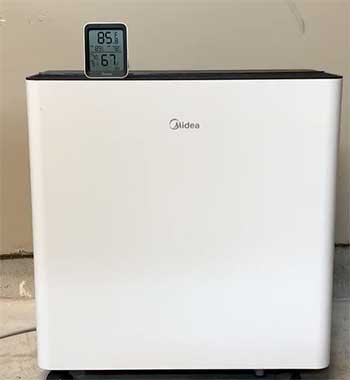
You can’t talk dehumidifiers without mentioning Midea—their 50 Pint Cube models dominate a lot of recent top lists for good reason.
When I put my GE side by side with a Midea MAD50 series, the moisture removal felt neck-and-neck; both pull around 50 pints effectively in damp basements.
But Midea edges ahead in noise—it’s noticeably quieter, almost whisper-like on low, while my GE hums a bit more on higher settings.
The Cube design is clever too; it nests for storage and has a massive bucket option, which beats GE’s standard setup for fewer empties.
Energy-wise, they’re close, both Energy Star rated, but Midea seems to sip a tad less power in tests I’ve seen. Reliability? Midea has fewer complaint reports lately, and their app control on some models lets you monitor from your phone—my GE lacks that smart touch unless you upgrade.
Price is where GE fights back; it’s often comparable or slightly cheaper. If you want cutting-edge quietness and innovation, Midea pulls ahead for everyday home use. My GE feels more traditional but gets the job done without fancy extras you might not need.
- General Electric Vs. AprilAire Dehumidifier

AprilAire is in a different league—their models like the E080 or E100 are built for whole-home or crawl space duty, not just portable spot treatment like my GE.
Capacity-wise, AprilAire crushes it, removing 80-100+ pints and integrating with your HVAC for even humidity control throughout the house.
My 50-pint GE is great for one large room or basement, but it can’t touch that coverage without multiple units.
Build quality is where AprilAire shines; these are pro-grade, made to last 10-15 years in tough spots with minimal issues, while portable GEs average 5-8 years. Noise? AprilAire is quieter overall since it’s ducted, no constant hum in your living space.
But the cost—AprilAire setups run $1,000+, plus installation, versus my GE at a few hundred bucks plug-and-play.
If you have serious whole-house humidity problems or a crawl space nightmare, AprilAire is worth the investment for set-it-and-forget-it performance. For most of us with targeted damp areas, GE delivers similar daily results without the big expense or setup hassle. I stick with portable for flexibility.
- General Electric Vs. Moiswell Dehumidifier
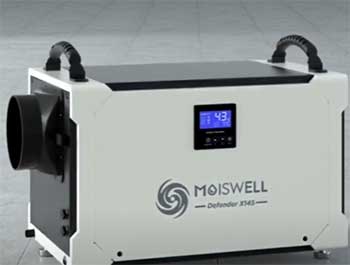
Moiswell targets commercial power in a more affordable package—their Defender series, like the 145-pint or 70-pint models, are beasts for big basements or crawl spaces.
Compared to my GE, Moiswell pulls way more water—up to double or triple in extreme conditions—with higher airflow that drops humidity fast in large areas.
It’s built tough too, with auto-drain and pump options standard, and users rave about how it handles cold, damp spots better than standard portables.
That said, my GE feels more refined for home use. Moiswell can be louder, like industrial fan level, and some owners report sensor inaccuracies or early failures after a year or two. GE’s controls are simpler and more precise in my experience, with better everyday reliability for residential setups.
Price favors Moiswell for the power—you get commercial-grade muscle cheaper than pro brands like AprilAire.
If your space is huge and super wet, like a 6,000 sq ft basement, Moiswell gives bang-for-buck muscle that outpowers GE. But for standard home needs, I prefer GE’s balance of quiet, consistent performance without the commercial roughness or potential quirks.
These head-to-heads helped solidify why I love my GE—it’s reliable and user-friendly without overcomplicating things. Your choice depends on your space and budget, but GE holds its own nicely.
Frequently Asked Questions (FAQ)
GE dehumidifiers are solid performers, effectively removing moisture and maintaining comfort in damp areas. They offer good features like multiple fan speeds and energy efficiency, though some models vary in noise and accuracy.
Based on user feedback and tests, brands like Honeywell and Frigidaire often top reliability lists, with fewer failures over time. Midea and TCL also score well for consistent performance.
A GE dehumidifier typically lasts 4 to 8 years with proper maintenance, though some users report up to 10 years, while others see failures in 2-3 years depending on usage.
GE offers more features and sturdier build, ideal for heavy use, while Hisense provides better value and energy savings. Choose GE for durability, Hisense for budget-friendly efficiency.
Wrapping Up: Time To Make Your Move On A General Electric Dehumidifier
In the end, my General Electric dehumidifier has been a reliable companion against humidity woes. It delivers dry, comfortable air without fuss.
If you’re ready for fresher spaces and less mold worry, pick one up—you’ll see the difference fast.