
I’ve been on a fitness journey for years, tracking everything from runs to strength sessions, and one tool that’s made a real difference is a reliable smart scale.
In this article, I share my hands-on experience comparing the Garmin Index S2 and Withings Body Smart—two top contenders—to help you decide which fits your routine best.
My goal is to give you a clear, balanced view based on daily use, so you can pick the one that supports your health goals without guesswork.
| Feature | Garmin Index S2 | Withings Body Smart | Winner for Most Users |
| Price (approx.) | $150 | $100 | Withings |
| Metrics Tracked | Weight, BMI, body fat %, muscle mass, bone mass, body water % | Weight, body fat %, muscle mass, bone mass, visceral fat, heart rate, metabolic age | Withings (more health-focused) |
| User Capacity | Up to 16 | Up to 8 | Garmin |
| Connectivity | Wi-Fi + Bluetooth | Wi-Fi + Bluetooth | Tie |
| Battery Life | 4 AAA batteries (up to 9 months) | Rechargeable (up to 15 months) | Withings |
| Display | Color screen with graphs and trends | Color screen with clear readouts | Garmin |
| Ecosystem Integration | Seamless with Garmin Connect (full metrics sync) | Excellent with Apple Health/Google Fit; indirect to Garmin via third-party | Garmin (if you use Garmin watches) |
| Special Modes | Athlete mode | Pregnancy, baby, athlete, eyes-closed | Withings |
| Accuracy (Weight) | Extremely consistent | Extremely consistent | Tie |
| Best For | Serious athletes in Garmin ecosystem | Everyday health tracking and families | Depends on you |
In-depth Comparison of Garmin And Withings Scales
I’ve used both the Garmin Index S2 and Withings Body Smart daily for extended periods, often placing them side by side in my bathroom to cross-check readings. This direct comparison revealed strengths and weaknesses that go beyond specs on paper.
Here’s how they stack up in key areas that matter most to me—and likely to you.
- Accuracy and Consistency
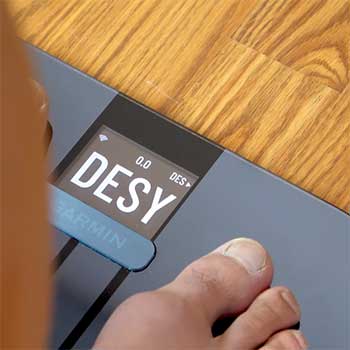
Weight tracking on both scales proves rock-solid.
I consistently see differences of less than 0.2 pounds compared to calibrated gym scales, and day-to-day readings rarely fluctuate more than 0.1 pounds when I weigh under identical conditions—like first thing in the morning, post-bathroom, pre-coffee.
Body composition tells a different story.
Both use bioelectrical impedance analysis (BIA), sending a mild current through your feet to estimate fat, muscle, bone mass, and water percentage.
Hydration levels, recent meals, or even foot moisture heavily influence results.
On days I ran hard and dehydrated slightly, both showed higher body fat by 1-2%. The Withings Body Smart edges ahead with visceral fat index and standing heart rate, offering a broader health snapshot. Its multi-frequency BIA feels marginally more stable for muscle mass trends.
The Garmin Index S2 shines in athlete mode, which I activate for my training-heavy weeks. It adjusts algorithms for lower body fat and higher muscle, making readings feel more realistic—my body fat didn’t spike unrealistically after intense sessions.
Neither matches gold-standard DEXA scans perfectly (consumer BIA scales typically vary 3-5% from clinical methods), but for tracking changes over weeks or months, both deliver reliable trends. I focus on weekly averages rather than single weigh-ins.
- Design and Build Quality
The Garmin Index S2 boasts a premium glass top with a vibrant color display that shows weight trends as a mini graph right on the scale. It feels sturdy and modern, though fingerprints show easily, requiring frequent wipes.
The Withings Body Smart adopts a sleeker, minimalist look with a high-resolution color screen that’s crisp and customizable—you choose which metrics appear during weigh-ins. Its platform feels equally solid, and the overall design blends better into my bathroom without screaming “tech gadget.”
Both handle up to 400 pounds and work on carpet with included feet. The Withings wins on practicality with its rechargeable battery (I charged mine once in over a year), while the Garmin requires AAA batteries every 9-12 months.
- Display and On-Scale Experience
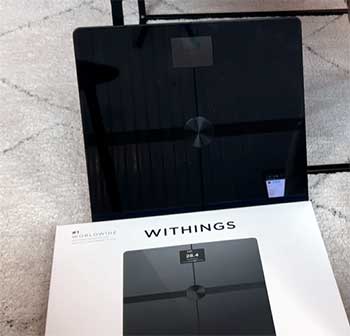
This category highlights a clear difference.
The Garmin’s color screen displays graphs, past weights, and progress toward goals instantly—motivating without needing my phone.
I love glancing at my 30-day weight trend arrow.
The Withings screen remains clear and bright but simpler, cycling through metrics like weight, fat percentage, heart rate, and even weather or air quality if enabled.
It lacks built-in graphs, so I open the app for trends. However, modes like eyes-closed (showing encouragement instead of numbers) prove thoughtful for motivation dips.
Garmin feels more engaging on the scale itself; Withings prioritizes quick reads and app depth.
- App Experience and Data Insights
Garmin Connect integrates seamlessly if you own a Garmin watch. Scale data flows in alongside runs, strength sessions, sleep, and recovery metrics. Seeing muscle mass rise during a lifting block next to increased VO2 max keeps me hooked. The app prioritizes performance, with body composition feeding into training readiness scores.
Withings Health Mate offers a cleaner, more explanatory interface. It breaks down visceral fat risks, compares metabolic age to norms, and provides gentle nudges like “your heart rate is improving.”
It integrates effortlessly with Apple Health or Google Fit, and indirect Garmin sync via third-party apps works for basic weight (though not full composition).
For pure wellness tracking, Withings feels more educational and less intimidating. Garmin excels at tying everything to athletic progress.
- User Recognition and Multi-User Support
In my household with four people weighing regularly, the Garmin recognizes me instantly 95% of the time and supports up to 16 profiles—ideal for big families or shared gyms.
The Withings handles up to 8 users well, auto-detecting most times but occasionally asking to lean left or right for confirmation. It never mixes up data badly, but Garmin feels snappier in busy mornings.
- Special Modes and Features
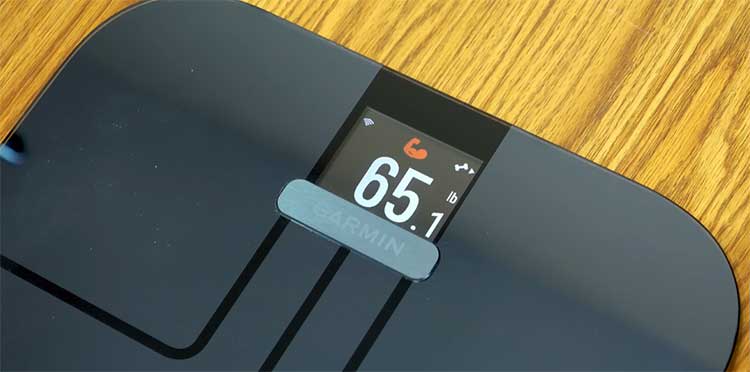
Withings packs more lifestyle options: pregnancy mode (tracks weight safely without BIA), baby hold mode (hold infant for accurate baby weight), eyes-closed motivation, and athlete mode. Standing heart rate adds daily cardiovascular checks.
Garmin focuses on athlete mode and basic guest weigh-ins. It lacks family-specific modes but nails performance calibration.
If life stages like pregnancy or baby tracking matter, Withings dominates. For serious training, Garmin’s mode makes a noticeable difference.
- Connectivity and Syncing
Both offer Wi-Fi and Bluetooth for automatic uploads. Garmin syncs flawlessly to its ecosystem—data appears in Connect seconds after stepping off.
Withings syncs instantly to Health Mate and pushes to partner apps. Cross-ecosystem users find Withings more flexible natively.
- Battery and Maintenance
Withings’ rechargeable battery lasts 15+ months, making it set-it-and-forget-it. Garmin’s batteries last about a year but require swaps—minor hassle, but no charging needed.
- Price and Value
At around $150 for the Garmin Index S2 and $100 for the Withings Body Smart, the price gap matters. Withings delivers more health metrics (visceral fat, heart rate) for less money, feeling like better everyday value.
Garmin justifies the premium only if you’re locked into its watches and crave that unified training view.
In my routine, Withings provides more actionable health insights per dollar, while Garmin creates the smoothest athlete experience.
My Experience With The Garmin Index S2
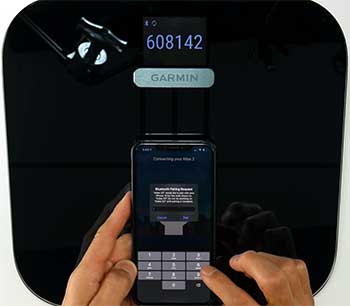
I own a Garmin watch, so the Index S2 felt like a natural addition.
Stepping on it each morning syncs everything directly to Garmin Connect—no extra steps needed.
What stands out is how it pulls in full body composition data alongside my training stats.
Seeing muscle mass trends next to my running progress keeps me motivated during strength phases.
The color display shows a quick weight trend graph right there, which I check often.
The scale recognizes me automatically in a multi-person household and supports up to 16 users, perfect for larger families. It even has an athlete mode that adjusts readings for those with lower body fat or higher muscle.
That said, battery changes every few months can be annoying, and the app focuses heavily on performance rather than broader wellness. If you’re not already using Garmin gear, it might feel limited.
Pros of The Garmin Index S2
I’ve stuck with the Garmin Index S2 for years now, and it fits perfectly into my routine, especially since I track everything with Garmin watches. Here’s what keeps me coming back to it every morning.
- Seamless integration with Garmin Connect—if you have a Fenix, Forerunner, or any Garmin device, your weight, body fat, muscle mass, and other metrics flow straight into the same app as your runs, rides, and recovery data. Seeing my body water percentage drop after a long run or muscle mass tick up during a lifting cycle alongside training load feels incredibly cohesive.
- Supports up to 16 users with reliable auto-recognition. In households with multiple people weighing in, it almost always knows who I am without prompting, and guest mode handles visitors easily.
- The color display shows immediate trends—like a 7-day or 30-day weight graph right on the scale. I get a quick visual of progress before even grabbing my phone, which motivates me on plateau days.
- Athlete mode calibrates readings for those with higher muscle and lower fat. During intense training blocks, it prevents unrealistic spikes in body fat estimates that plague standard modes.
- Extremely consistent weight measurements. Cross-checking with gym scales, it’s usually within 0.1-0.2 pounds, and bone mass stays rock-steady.
- Wi-Fi connectivity means automatic uploads without needing Bluetooth or my phone nearby—data appears in the app seconds after I step off.
- Customizable on-scale widgets let me prioritize what shows up, like focusing on BMI or body water during cutting phases.
- Durable build with a premium glass platform that holds up to daily use and 400 pounds capacity.
Cons of The Garmin Index S2
- Higher price without extra health insights like heart rate.
- Requires battery replacements.
- Body composition can vary day-to-day based on hydration.
- Fewer family-friendly modes compared to competitors.
- App leans toward hardcore training data.
My Experience With The Withings Body Smart
I tested the Body Smart side-by-side for months, and it quickly became my go-to for everyday tracking. The app is clean and encouraging, explaining each metric simply.
I love the standing heart rate reading and visceral fat index—they give a broader picture of health beyond fitness. The eyes-closed mode shows a smiley or motivation instead of numbers on tough days, which feels thoughtful.
Battery life is impressive; I charged it once and forgot about it for over a year. It has pregnancy and baby modes, making it versatile for life changes.
Setup was effortless, and it plays well with Apple Health or Google Fit. If you want Garmin sync, it works indirectly through MyFitnessPal, though only weight transfers fully.
Pros of The Withings Body Smart
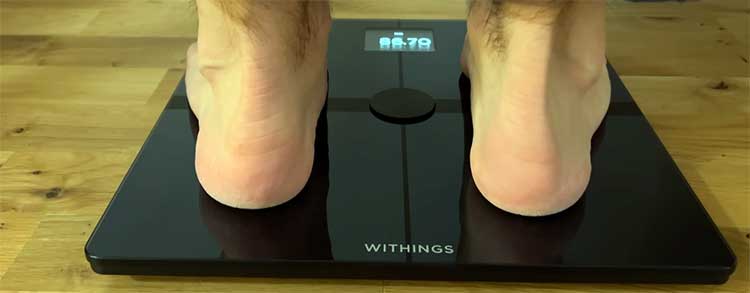
Switching to the Withings Body Smart for testing felt refreshing—it’s more approachable for everyday health tracking and packs thoughtful features that surprise me daily.
- More affordable at about $100 while delivering advanced metrics like visceral fat index, standing heart rate, metabolic age, and basal metabolic rate—giving a fuller picture of internal health risks.
- Rechargeable battery lasts up to 15 months on a single charge; I plugged it in once and practically forgot about power.
- Dedicated modes for every life stage: pregnancy (safe weight-only tracking), baby hold (accurate infant weights while holding), athlete calibration, and eyes-closed (motivational messages instead of numbers on tough days).
- Intuitive Health Mate app explains each metric clearly with color-coded healthy ranges, comparisons to norms, and gentle insights like “your visceral fat is improving.”
- Excellent compatibility with Apple Health, Google Fit, and others—data flows freely across ecosystems.
- Multi-frequency BIA provides marginally more stable body composition trends, especially for muscle mass and fat distribution.
- Sleek, minimalist design with a bright color screen that blends into any bathroom and shows customizable readouts.
- Automatic multi-user recognition for up to 8 profiles, with thoughtful prompts if needed.
- Consistent performance across varying conditions, including heart rate readings that align well with my watch.
Cons of The Withings Body Smart
- Fewer users (8 vs. 16).
- No direct full sync to Garmin Connect.
- On-scale display is simpler without graphs.
- Some premium insights require a subscription after trial.
- Slightly less tailored for elite athletes.
Also Read: Is Sunny Health & Fitness Rowing Machine Worth It?
Frequently Asked Questions (FAQ)
It depends on your needs—Withings for general health and value, Garmin for deep integration with its fitness ecosystem.
Very consistent for weight; body composition is good for trends but affected by hydration like all consumer BIA scales.
No consumer scale is lab-perfect, but both are reliable for daily tracking when used consistently.
Not directly—Withings can send weight to Garmin via MyFitnessPal, but full metrics stay in the Withings app.
Which One I Recommend and Why
It depends on your setup. If you wear a Garmin watch and prioritize training data in one app, go with the Index S2—integration is unbeatable.
For most people focused on overall health, family use, or better value, I lean toward the Withings Body Smart. It provides more insightful metrics at a lower price with less hassle.
You deserve a scale that makes tracking feel encouraging, not overwhelming. Whether you choose Garmin for seamless fitness fusion or Withings for broader wellness wisdom, consistent use will help you reach your goals.
I’ve seen real changes from paying attention to these numbers—now it’s your turn.