
I’ve always loved the idea of fresh produce right at my fingertips, no matter the season or how small my living space is. After trying both Gardyn and AeroGarden systems firsthand, I wanted to share my real experiences to help you decide between them.
This article breaks down their differences, features, pros, and cons, so you can pick what fits your life best and start growing your own food effortlessly.
| Feature | Gardyn (Home Model) | AeroGarden (Bounty/Farm Models) |
| Plant Capacity | Up to 30 plants | 9-24 plants (depending on model) |
| Footprint | About 2 sq ft (vertical tower) | 1-2 sq ft (countertop or stacked) |
| Height | Over 5 ft tall | 12-24 inches grow height |
| Price Range | $800-900+ | $100-700 |
| Smart Features | App with AI assistant (Kelby), cameras | Touchscreen, some WiFi/Alexa |
| Energy Use | Lower (around 47 kWh/month) | Higher (up to 91 kWh/month for larger) |
| Plant Variety | Wide (veggies, fruits, greens) | Mostly herbs, salads, some tomatoes/peppers |
| Setup Difficulty | Moderate (assembly required) | Easy (plug and play) |
| Ongoing Costs | Optional membership for pods/convenience | Proprietary pods and nutrients |
| Best For | Serious yields, variety | Beginners, small spaces, herbs |
Key Differences Between Gardyn And AeroGarden
When I first compared the two side by side in my own home, the contrasts became crystal clear through daily use. Here’s an expanded look at what truly sets them apart, based on months of growing everything from herbs to full veggies in both systems.
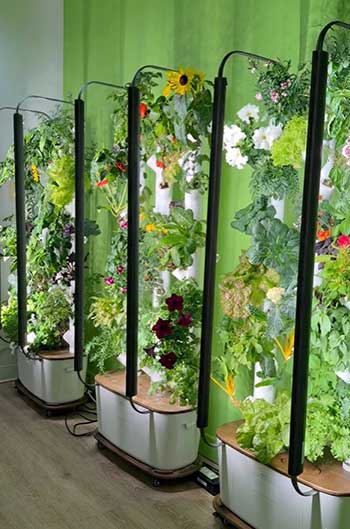
- Design and Space Efficiency — Gardyn’s vertical tower rises over 5 feet tall but claims only about 2 square feet of floor space, fitting neatly into a corner like a piece of modern furniture. I’ve grown lush, overflowing plants without it dominating the room. AeroGarden, on the other hand, spreads horizontally across counters—great for kitchens but larger models like the Farm take up more surface area, feeling more like an appliance than decor.
- Plant Capacity and Yield — This is where Gardyn pulls ahead dramatically for me. The Home 4 model handles 30 plants simultaneously, delivering weekly harvests of pounds of greens, multiple peppers, tomatoes, and even strawberries from one unit. AeroGarden tops out at 24 in its biggest Farm models, and in practice, I’ve often left slots empty or pruned heavily to avoid crowding—yields feel more like supplements than substantial meals.
- Technology and Automation — Gardyn’s app-integrated AI, Kelby, along with HD cameras and sensors, actively monitors and adjusts—I’ve gotten proactive alerts for pruning, pollination, or tweaks that prevented losses. Features like sunrise/sunset lighting and vacation mode make it truly hands-off. AeroGarden offers reliable touchscreen reminders and some WiFi/Alexa on premium units, but it lacks that intelligent, camera-based oversight; maintenance relies more on me remembering.
- Energy and Efficiency — Gardyn’s latest Home 4 draws around 47 kWh per month, keeping my bill increase minimal and feeling eco-friendly. AeroGarden’s larger setups can hit 91 kWh or more monthly—I’ve noticed a bigger spike with those powerful LEDs running long cycles, especially on stacked Farms.
- Plant Variety and Growth Style — Gardyn’s hybrid Hybriponics™ and height support diverse, full-sized produce: berries, vining tomatoes, substantial peppers alongside greens. I’ve experimented with over 100 varieties successfully. AeroGarden excels at compact, quick-cycle plants like herbs, lettuces, and cherry tomatoes, but taller or heavier fruits often require trellises, constant pruning, or separate nutrient tweaks due to shared bowls.
- Setup and Maintenance — AeroGarden remains the champion for ease—plug in, fill water, pop in pods, and go; ideal for instant gratification. Gardyn requires about an hour of assembly (connecting columns and tubes), but newer models like Home 4 and Studio 2 have easy-clean designs that reduce deep scrubbing to rare, quick citric acid rinses.
- Cost Structure — AeroGarden starts much lower ($100+ entry), making it accessible, but proprietary pods and nutrients accumulate quickly for ongoing use. Gardyn’s $800+ upfront feels steep, yet optional membership provides credits for yCubes and full AI access, often offsetting with bigger, more valuable harvests over time.
- Aesthetics and Lifestyle Fit — Gardyn doubles as a glowing, green statement piece that elevates my space and mood daily. AeroGarden blends into counters practically but lacks that wow factor—better for hidden utility.
These differences made me switch setups depending on what I craved—quick herbs or a mini farm.
Key Features of Gardyn
Gardyn became my go-to for serious indoor growing. Here are the standout elements I’ve relied on:
- Vertical Hybriponics™ tower with 30 yCube slots for dense planting.
- Built-in HD cameras and sensors that monitor health.
- Kelby AI assistant in the app for personalized tips, schedules, and troubleshooting.
- Full-spectrum LED lights that mimic sunrise/sunset.
- Large 5-6 gallon reservoir for less frequent refills.
- Modular design for easy part replacements.
- Wide plant library (over 100 varieties, including fruits like berries).
- Vacation mode and automated adjustments.
- Eco-friendly materials and efficient water use.
I’ve watched it optimize light based on plant needs, turning me into a confident grower without constant checking.
Pros And Cons of Gardyn
I’ve spent countless hours tending my Gardyn, harvesting everything from crisp lettuces to juicy strawberries, and it’s transformed how I eat at home. But like any system, it’s not perfect. Here’s a deep, honest breakdown based on my extended use and what I’ve seen from other growers.
Pros of Gardyn
- Incredible Yield in Minimal Space — The vertical tower design packs 30 plants into just about 2 square feet of floor space. I’ve consistently pulled multiple pounds of produce weekly—salads for days, bunches of herbs, peppers, and even fruits like strawberries. It’s like having a mini farm in my living room without sprawling across counters.
- Advanced Smart Technology That Feels Like a Helper — The app with built-in cameras and Kelby AI monitors plant health, adjusts lights automatically, and sends tailored advice. I’ve watched it catch issues early, like suggesting more pruning or tweaking water levels, saving crops I might have lost otherwise. Features like vacation mode and sunrise/sunset simulation make growth feel natural and hands-off.
- Wide Variety of Plants Beyond Basics — Over 100 options, including full-sized veggies, fruits, and flowers. I’ve grown cherry tomatoes that vine up the tower, bell peppers that produce steadily, and leafy greens that regenerate quickly. This versatility means I customize for seasons or cravings—strawberries in winter or hot peppers year-round.
- Energy and Water Efficiency — It uses significantly less electricity than countertop systems (around 47 kWh/month) and recirculates water efficiently. My bills stayed reasonable, and I love knowing it’s more eco-friendly with recyclable materials and less waste.
- Aesthetic Appeal as Home Decor — The sleek, modern tower with wooden accents looks like stylish furniture. Lights create a warm glow, and seeing lush growth every day boosts my mood—it’s therapeutic and a conversation starter.
- Low Maintenance Once Running — Automated watering and lighting mean I spend under 15 minutes a week refilling the large reservoir or harvesting. The modular design makes swapping parts easy if needed.
- Healthier, Fresher Produce — No pesticides, organic options, and nutrients delivered directly—everything tastes intensely fresh and nutritious. I’ve noticed better flavor in salads and herbs compared to store-bought.
- Community and Growth Tracking Fun — Time-lapse videos from cameras are addictive, and the app’s guidance builds confidence. Even as a non-expert, I’ve felt like a pro grower.
- Optional Membership Savings — Without it, I buy yCubes outright, but subscribing unlocks free monthly plants and full AI—great for heavy users offsetting costs over time.
Cons of Gardyn
- High Upfront Cost — Starting at $800+, it’s a big investment. I hesitated initially, but yields paid off in fresh food value over months.
- Assembly and Initial Setup Time — It took me about an hour to build—labeling parts helps, but connecting tubes and columns feels fiddly compared to plug-and-play options.
- Height and Stability Concerns — Over 5 feet tall, it needs a stable, level spot. I’ve worried about tipping with kids or pets, and it dominates smaller rooms visually.
- Occasional Maintenance Hassles — Cleaning columns to prevent biofilm can be tedious, though newer models improved this. Root pruning per plant takes time for full towers.
- Subscription for Full Features — Basic functions work without, but premium AI and credits require it—some feel it’s pushy, though I manage fine without.
- Part Quality and Support Issues — Rare pump or sensor failures reported; support varies—quick for some, slow for others. Replacement parts add cost.
- Pest and Disease Risks — Indoors reduces bugs, but aphids or fungus gnats sneak in. I’ve battled outbreaks requiring restarts.
- Not Ideal for Very Tall or Heavy Plants — Some fruiting varieties need extra support; overload causes instability.
- Learning Curve for Optimal Growth — Different plants compete for light/space—I experiment with placement and pruning for best results.
Despite cons, Gardyn’s rewards—abundant, diverse harvests—keep me committed for serious indoor growing.
Key Features of AeroGarden
AeroGarden hooked me as a beginner with its straightforward approach. My favorites include:
- Compact models like Harvest (6-9 pods) or larger Bounty/Farm (up to 24).
- Adjustable LED grow lights with high output.
- Touchscreen or digital controls for reminders.
- Some models with WiFi and Alexa integration.
- Pre-seeded pods that germinate reliably.
- Vacation mode on premium units.
- Trellis accessories for vining plants.
- Variety of seed kits focused on herbs and salads.
- Easy nutrient system.
It’s perfect for grabbing fresh basil without fuss.
Pros And Cons of AeroGarden
AeroGarden introduced me to hydroponics with its simplicity, and I still use mine for quick herbs. It’s reliable for casual growing, but limitations show with bigger ambitions.
Pros of AeroGarden
- Affordable and Accessible Entry Point — Models from $100 to $700 suit budgets. I started with a Harvest under $150—great value for beginners.
- Super Easy Setup and Use — Unbox, add water/nutrients, insert pods—ready in minutes. Touchscreen reminders for feeding/watering make it foolproof.
- Reliable Germination and Fast Growth — Pre-seeded pods sprout consistently. I’ve had near-100% success with herbs exploding in weeks.
- Compact and Kitchen-Friendly — Countertop design fits small spaces. Portable, lightweight—move easily for cleaning or light.
- Perfect for Herbs and Salads — Excels at basil, mint, lettuce—I’ve snipped fresh additions daily, elevating meals effortlessly.
- Built-in Reminders and Controls — Digital displays or apps alert for maintenance; vacation mode keeps plants alive during trips.
- Variety of Models — From 3-pod Sprout to 24-pod Farm—scale up as needed. Trellises support vining plants.
- Strong Community and Hacks — Tons of tips for custom seeds, extending life, or tweaking nutrients—I’ve saved by reusing pods.
- Quiet and Low-Profile Operation — Most models run silently; lights bright but adjustable.
- Fun and Rewarding for Beginners — Quick results build confidence—I’ve gifted them, watching newbies get hooked.
Cons of AeroGarden
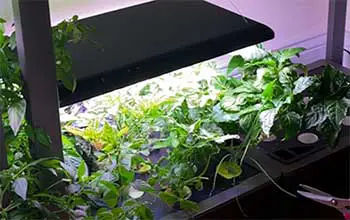
- Limited Capacity and Height — Max 24 plants, but taller ones hit lights quickly, requiring constant pruning or empty spots. Not for full-sized veggies.
- Higher Ongoing Costs — Proprietary pods and nutrients add up—I’ve spent more over time than expected, especially for frequent replants.
- Greater Energy Consumption — Larger models draw more power (up to 91 kWh/month)—noticeable on bills compared to efficient alternatives.
- Pruning and Crowding Issues — Plants compete fiercely; I’ve trimmed weekly to prevent overshadowing, more work than advertised.
- Algae, Roots, and Cleaning Challenges — Opaque bowls breed algae if not vigilant; root tangles require frequent cleans.
- Limited Plant Variety — Focuses on compact herbs/salads; fruits/veggies like tomatoes work but yield less than dedicated systems.
- Noise from Pumps — Some models gurgle noticeably—annoying in quiet spaces.
- Bright Lights Can Glare — Full-spectrum LEDs harsh at night; I’ve covered or moved units.
- Durability Over Time — Pumps or lights fail after years; replacements costly, no modular fixes.
- Not Scalable for Serious Yields — Great starter, but I’ve outgrown for volume—supplements grocery, doesn’t replace.
My Personal Experience Growing With Both
I began with an AeroGarden Harvest—herbs exploded, boosting my cooking confidence. But craving more, I added a Gardyn. The difference amazed me: Gardyn produced salad bowls weekly, plus tomatoes and peppers.
AeroGarden became my herb station, Gardyn my produce powerhouse. Both taught me hydroponics’ joy—fresh food anytime, no dirt. If you’re starting small, go AeroGarden. For family-feeding yields, choose Gardyn.
Also Read: Is Sta-Green Potting Soil Worth It?
Frequently Asked Questions (FAQ)
No, after a brief shutdown in late 2024, AeroGarden relaunched in spring 2025 and continues selling models.
It depends—Gardyn tops for high-yield home variety, while AeroGarden excels for beginner-friendly herbs. Many rate Gardyn highest overall in 2025 reviews.
Main ones include limited height/capacity for tall plants, higher ongoing pod costs, and greater energy use than vertical alternatives.
Yes, fully functional without—buy yCubes outright. Subscription adds convenience like free monthly plants and full AI access.
Final Thoughts
You deserve fresh, home-grown food that fits your lifestyle, whether snipping herbs for dinner or harvesting veggies for meals. I’ve found both Gardyn and AeroGarden deliver that magic differently—AeroGarden for simple starts, Gardyn for abundant rewards.
Whichever you choose, you’ll wonder how you lived without it. Start small, experiment, and enjoy the growth.