
As a home cook who washes dishes every single day, I’ve tried just about every dish soap on the shelf. Two brands always come up in conversations: Gain and Dawn. Both promise clean dishes, but they deliver in very different ways.
In this article, I’ll share my real-world experience using both, break down their strengths and weaknesses, and help you figure out which one deserves a permanent spot under your kitchen sink.
| Feature | Dawn | Gain |
| Grease-cutting power | Excellent – cuts through heavy grease fast | Good – handles everyday grease well |
| Scent strength | Mild to moderate, fades quickly | Very strong, lingers on hands and dishes |
| Skin gentleness | Very gentle, rarely dries skin | Can be drying with frequent use |
| Suds longevity | Thick, long-lasting suds | Decent suds, but fade faster |
| Bottle sizes | 7 oz to 90 oz, including spray | 7 oz to 52 oz, fewer large options |
| Price (average per oz) | Slightly higher | Usually a bit cheaper |
| Variants available | Powerwash, Platinum, EZ-Squeeze, scents | Original, Apple Mango Tango, Lavender |
| Best for | Tough messes, sensitive skin | Pleasant fragrance lovers |
Key Differences Between Gain And Dawn
After using both soaps extensively in my own kitchen, the differences became crystal clear. They’re both from the same company (Procter & Gamble), but they feel like they were designed for completely different people.
Below, I’ve broken down the major ways they stand apart, with real examples from my daily use.
- Grease-Cutting Power
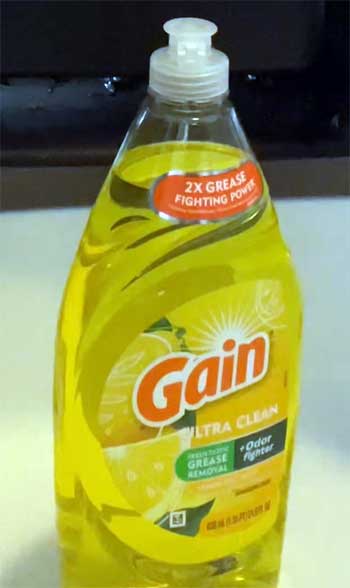
This is the single biggest difference, and it’s not even close.
Dawn is engineered to destroy grease—its surfactants are specifically formulated to break down oils at a molecular level.
When I cook bacon or fry chicken, the pan comes out almost clean with just a quick scrub after a short soak in Dawn.
Gain handles light grease fine—think salad dressing or butter—but with heavy, baked-on messes, it requires way more scrubbing, multiple squirts, and sometimes overnight soaking.
I’ve had pots where Gain left a faint oily film that Dawn would have obliterated in minutes.
If you cook a lot of fried or oily foods, this difference alone makes Dawn the clear winner.
- Scent Profile and Intensity
Gain is all about fragrance. Its scents—Apple Mango Tango, Lavender Calm, or the classic Gain Original—are bold, sweet, and designed to linger. After washing with Gain, my hands smell like laundry fresh out of the dryer for hours, and the kitchen carries that scent too.
Some people love it; I have friends who buy Gain just for that mood boost. Dawn, on the other hand, keeps scents mild and clean. The original blue has that classic “fresh” smell that fades quickly after rinsing.
Even the scented versions (like Dawn New Zealand Springs) are subtle and don’t compete with food flavors. If strong fragrance is a priority for you, Gain wins. If you prefer neutral, Dawn is better.
- Skin Friendliness and Hand Feel
I wash dishes without gloves most of the time, so this matters a lot. Dawn is noticeably gentler—my hands stay soft even after a big dinner party cleanup. Many Dawn formulas include moisturizing ingredients, and it rarely leaves my skin feeling tight or dry.
Gain, while not harsh, tends to dry my hands out faster with prolonged use. After a full sink load, I notice roughness and sometimes have to reach for lotion. If you have sensitive skin or wash dishes multiple times a day, Dawn feels kinder overall.
- Suds Longevity and Efficiency
Dawn produces thick, rich suds that last through an entire sink of dishes, pots, and pans. One small squeeze is often enough for 15–20 items. Gain starts with decent bubbles, but they dissipate quicker—halfway through a big load, I’m usually adding more soap.
This means I go through Gain bottles faster, even though it’s cheaper upfront. Over a month, the difference in product usage is significant.
- Product Variety and Innovation
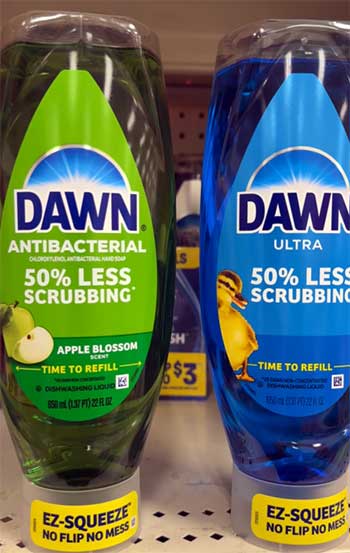
Dawn offers way more specialized options: Platinum for extra grease power, Powerwash spray for no-soak cleaning, EZ-Squeeze upside-down bottles, antibacterial versions, and even gentle formulas for baby bottles.
Gain sticks mostly to scented varieties in standard squeeze bottles.
There’s no Gain equivalent to Dawn’s spray or ultra-concentrated lines.
If you like having options for different tasks, Dawn feels more versatile.
- Price and Value
Gain is usually a bit cheaper per ounce, especially in larger bottles or during sales. I’ve seen Gain 38–52 oz bottles go for less than comparable Dawn sizes. That makes Gain appealing for budget-conscious households or big families.
However, because I use more Gain to get the same clean, the cost evens out over time. Dawn’s efficiency often makes it the better long-term value despite the higher sticker price.
- Fragrance Transfer to Dishes
This is a big one for Gain fans and critics alike. The strong scents can linger on dishes, especially plastic containers and glasses. I’ve poured water into a “clean” glass the next day and caught a whiff of mango or lavender.
It’s subtle, but it can affect taste, especially with plain water or mild foods. Dawn rinses completely clean—no scent transfer at all.
- Concentration and Cleaning Strength Per Squirt
Dawn feels more concentrated. A tiny drop goes further, especially on tough jobs. Gain requires a larger squirt to achieve similar results. In side-by-side tests with identical greasy pans, I used about 30–40% less Dawn to get spotless results.
- Packaging and Ease of Use
Dawn’s innovations shine here: the upside-down EZ-Squeeze bottle means no more shaking out the last drops or fighting stuck caps. The Powerwash spray is a lifesaver for casserole dishes.
Gain uses traditional squeeze bottles that work fine but lack those conveniences. Small thing, but it adds up when you’re tired after cooking.
- Brand Reputation for Tough Jobs
Dawn has earned trust beyond home kitchens. It’s the soap wildlife rescuers use to clean oil-spill-affected animals because it removes petroleum without harming skin or feathers.
Restaurants and professional cleaners often choose Dawn for its reliability on heavy grease. Gain doesn’t have that same heavy-duty reputation—it’s more of a home fragrance-focused product.
- Everyday vs. Heavy-Duty Performance
For light daily loads—coffee mugs, lunch plates, lightly soiled silverware—Gain performs perfectly well and makes the chore more pleasant with its scent.
For heavy-duty cooking days with baked-on food, multiple greasy pans, or sticky sauces, Dawn pulls ahead dramatically. Gain feels like the “everyday” soap; Dawn feels like the “when things get serious” soap.
- Hand Feel and Residue After Rinsing
After rinsing, Dawn leaves hands feeling clean and neutral. Gain often leaves a faint scented film that requires extra rinsing to remove completely. Some users love that lingering softness; others (like me) prefer Dawn’s truly clean feel.
- Scent Coordination with Other Products
Gain’s biggest unique advantage: its dish soap matches the laundry detergent, fabric softener, and other Gain products. If you already use Gain in your laundry room, the dish soap creates a consistent home fragrance.
Dawn stands alone—there’s no matching Dawn laundry line, so the scent experience is confined to the kitchen.
Key Features of Dawn Dish Soap
Dawn has been around since 1973 and built its reputation on one thing: cutting grease like nothing else. Here’s what stands out to me after years of use:
- Unmatched grease-fighting formula: The original blue Dawn contains surfactants that break down oil molecules incredibly well. I can soak a greasy pan for five minutes and watch the fat lift off without scrubbing.
- Gentle on skin: Many variants include moisturizing ingredients. Even after washing dishes for an hour, my hands don’t feel stripped.
- Long-lasting suds: One small squeeze fills the sink with thick foam that doesn’t disappear quickly, so I use less product overall.
- Versatile product line: From the classic original to Platinum (with extra cleaning boosters) and the EZ-Squeeze bottle that doesn’t require twisting, there’s a version for every need.
- Wildlife-safe reputation: Dawn is the go-to soap for cleaning animals affected by oil spills because it’s tough on grease but gentle overall.
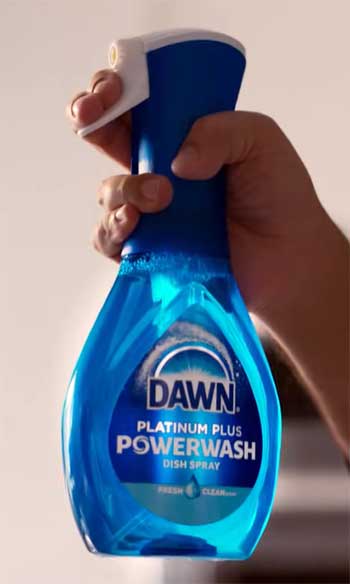
- Concentrated options: The Powerwash spray refill is a game-changer for baked-on messes—no soaking required.
- Antibacterial variants: Some versions kill bacteria, which gives extra peace of mind when handling raw meat.
Pros of Dawn Dish Soap
I’ve used Dawn for years, and these are the reasons it keeps earning its spot:
- Superior grease removal: Nothing beats it on bacon grease or baked-on lasagna. I squirt a drop, let it sit, and the mess slides right off.
- Gentle on hands: Even without gloves, my skin stays soft. This matters when you’re washing dishes multiple times a day.
- Lasting suds mean less product waste: One squeeze can handle an entire sink full of dishes, pots, and pans.
- Versatile beyond dishes: I use it to clean makeup brushes, de-grease stove tops, and even wash my car in a pinch.
- Trusted for decades: When wildlife rescuers choose it to clean oil-covered ducks and otters, you know it’s effective yet safe.
- Innovative packaging: The upside-down EZ-Squeeze bottle is brilliant—no more fighting with stuck caps.
- Wide availability: Every grocery store, dollar store, and big box retailer carries multiple versions.
- Spray option saves time: The Powerwash spray tackles sheet pans and casserole dishes without soaking.
- Minimal scent overload: The smell is pleasant but doesn’t linger on plates or glasses.
- Concentrated strength: I consistently use less Dawn than other soaps to get the same results.
Cons of Dawn Dish Soap
It’s not perfect. Here are the downsides I’ve noticed:
- Higher price point: You pay more per ounce compared to many competitors, including Gain.
- Scent can feel “clinical”: The original blue smells clean but not particularly exciting.
- Some variants are hard to find: The Platinum line or certain scents aren’t always stocked in smaller stores.
- Thicker formula in cold water: In winter, it can feel a bit sluggish coming out of the bottle.
- Not the most exciting fragrance selection: If you want your kitchen to smell like a tropical vacation, Dawn isn’t the one.
Key Features of Gain Dish Soap
Gain entered the dish soap game later but brought something different: bold, laundry-inspired scents. Here’s what defines it:
- Intense, long-lasting fragrance: Scents like Apple Mango Tango and Lavender Calm are strong and linger on dishes even after rinsing.
- Good everyday cleaning power: It handles light to moderate grease well and leaves dishes clean.
- Affordable pricing: Often costs less per ounce than Dawn, especially in larger bottles.
- Colorful, fun variants: Bright bottles and playful scent names make dishwashing feel less like a chore.
- Decent sudsing action: Creates plenty of bubbles initially, though they don’t last quite as long as Dawn’s.
- Concentrated formula: A little goes a decent distance for regular loads of dishes.
- Familiar brand scent: If you already love Gain laundry detergent, the matching dish soap creates a consistent home fragrance.
Pros of Gain Dish Soap
Gain brings something different to the sink, and these are the things I genuinely appreciate:
- Amazing scents: The Apple Mango Tango smells incredible—like a fruity cocktail. It makes washing dishes more enjoyable.
- Strong fragrance payoff: The smell lingers pleasantly on hands and dishes, which many people love.
- Budget-friendly: Regularly cheaper than Dawn, especially during sales.
- Fun, vibrant packaging: Bright colors and playful names add a little joy to the chore.
- Solid everyday performance: Handles breakfast dishes, lunch containers, and moderate dinner messes without issue.
- Matches Gain laundry products: Creates a unified scent throughout the house.
- Good initial sudsing: Starts strong with lots of bubbles, which feels satisfying.
- Widely available: Easy to find in most stores that carry P&G products.
- Concentrated enough for value: Doesn’t require huge amounts for regular cleaning.
- Appeals to scent lovers: If fragrance is your priority, Gain delivers in a big way.
Cons of Gain Dish Soap
Despite the great smells, Gain has some clear drawbacks:
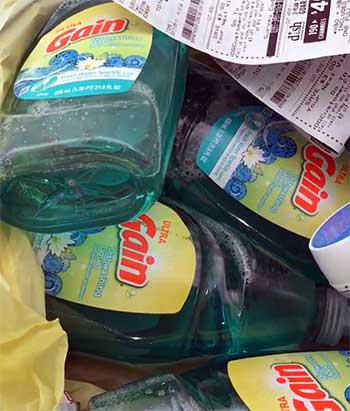
- Weaker grease fighting: Struggles more with heavy, baked-on grease compared to Dawn.
- Suds disappear faster: I find myself adding more soap midway through a sink full of dishes.
- Strong scent can be overwhelming: The fragrance lingers on dishes and can transfer to food taste sometimes.
- Drying on skin: After extended use, my hands feel drier than with Dawn.
- Fewer specialized variants: No spray version or ultra-powerful grease formulas like Dawn’s Platinum line.
- Scent overpowers subtle foods: I’ve noticed fruity notes on drinking glasses the next day.
- Less concentrated overall: I use more product to achieve the same level of clean.
- Bottle design is basic: Standard squeeze bottles—no upside-down convenience.
- Performance inconsistency: Some scents seem to clean better than others.
- Not ideal for sensitive noses: The intensity can be too much for some households.
Also Read: Comparison of Castile Soap And Murphy’s Oil Soap.
My Experience With Gain And Dawn Dish Soap
I put both soaps through the same challenges over several months.
First test: Sunday breakfast after bacon and eggs. The cast iron skillet had baked-on grease. With Dawn, one drop and a five-minute soak loosened everything. Gain required two squirts and more elbow grease.
Second test: Lasagna pan with cheese baked onto the edges. Dawn Platinum Powerwash spray dissolved it in under two minutes. Gain needed overnight soaking and still left some residue.
Third test: Daily glassware and plates. Gain’s scent made the process more pleasant, but I noticed a faint fruity taste on drinking glasses the next day. Dawn rinsed completely clean.
Fourth test: Hand washing delicate wine glasses. Dawn’s gentle formula gave me confidence; Gain’s stronger scent made me worry about residue.
Fifth test: Skin impact after a big dinner party (30+ items). Dawn left my hands normal. Gain left them slightly dry and scented.
When I Reach for Dawn
I keep Dawn as my primary soap for these situations:
- Cooking with lots of oil or grease
- Baked-on food disasters
- Days when I’m washing dishes for long periods
- Cleaning delicate items that need gentle handling
- When I want dishes to taste exactly like the food, not soap
When I Reach for Gain
I still buy Gain occasionally because:
- I want my kitchen to smell amazing
- I’m doing light dish loads (lunch containers, coffee mugs)
- It’s on sale and I’m being budget-conscious
- I want variety from the standard clean scent
- Guests are coming and I want the house to smell fresh
Also Read: Are Year & Day Dishes Worth It?
Frequently Asked Questions (FAQ)
It depends on your priorities. Dawn is best for tough grease and gentle hands. Gain is best if you love strong, pleasant scents.
Yes, it’s good for everyday cleaning and delivers fantastic fragrance, but it doesn’t match Dawn’s grease-fighting power.
Very few soaps outperform Dawn on grease. Some people prefer Seventh Generation for natural ingredients or Palmolive for scent variety, but Dawn remains the gold standard for tough cleaning.
Wildlife rescuers (often working alongside emergency responders) use Dawn to clean animals affected by oil spills because it’s exceptionally effective at removing oil while being gentle on skin and feathers.
Final Thoughts
After months of side-by-side use, I’ve settled on Dawn as my everyday dish soap. Its grease-cutting ability and gentleness on my hands simply outweigh the amazing scents Gain offers.
That said, I completely understand why someone would choose Gain—if fragrance is what makes dishwashing bearable for you, it delivers in spades.
You know your kitchen and your preferences better than anyone. If tough messes are your reality, go with Dawn. If you want your dishes (and hands) to smell like a tropical getaway, Gain might be your winner.
Either way, both get the job done—just in different ways.