
If you’re tired of watching your groceries spoil before you can use them, let me tell you right now: you need a FoodSaver vacuum sealer in your kitchen.
I’ve been using mine for months, and it’s transformed how I store food, cutting down on waste and saving me money on those weekly shopping trips.
Whether you’re meal prepping or just trying to keep leftovers fresh, this gadget is a game-changer. Trust me, once you start sealing, you’ll wonder how you ever lived without it. Go grab one—you won’t regret it.
My Hands-On Experience With The FoodSaver Vacuum Sealer
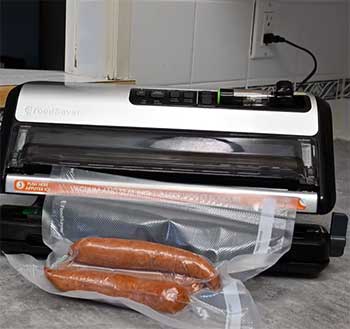
I remember the day my FoodSaver arrived like it was yesterday.
I’d been frustrated with freezer burn ruining my batches of ground beef and berries turning mushy in the fridge.
So, I decided to give the FoodSaver FM5200 model a shot after hearing friends rave about it.
Unboxing it was straightforward—the machine felt solid, not flimsy like some kitchen gadgets I’ve tried.
It came with a roll of bags, a few pre-cut ones, and even a hose for sealing canisters.
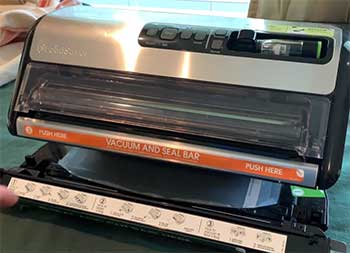
I plugged it in, and right away, I appreciated the built-in bag cutter and storage for the roll inside the unit. No more fumbling around with scissors or loose rolls cluttering my counter.
My first test was sealing some chicken breasts I’d bought in bulk. I portioned them out, slid a bag into the machine, and hit the vacuum and seal button. The suction was powerful; I watched the air get pulled out, and the seal formed in seconds.
It was satisfying to see the bag shrink tight around the meat, no air pockets left. I tossed them in the freezer, and weeks later, when I thawed one, there was no ice crystals or off smells—just fresh chicken ready for grilling. That alone hooked me.
Next, I experimented with liquids. Soups are tricky because moisture can mess up the seal, but the FoodSaver has a moist mode that handles it well. I made a big pot of chili, let it cool, and sealed portions.
The machine detected the liquid and adjusted, preventing any spills into the vacuum chamber. Sure, I had to wipe down the drip tray afterward, but it was minimal effort.
I’ve also used it for marinating—pop some steak in a bag with sauce, vacuum it, and the flavors infuse faster than traditional methods. One time, I marinated pork chops for just 30 minutes, and they tasted like they’d soaked overnight.
Dry goods are where it shines too. I buy nuts and cheese in large quantities to save cash, but they go stale quickly. Sealing them keeps that crunch and freshness intact. I even tried sealing snacks for road trips—chips stayed crisp, no crushing in my bag.
The handheld attachment is a bonus; I use it with zipper bags for quick seals on the go, like resealing a half-eaten bag of salad greens.
Over time, I’ve noticed how it fits into my routine. It’s not bulky, so it lives on my counter without dominating space. Noise-wise, it’s like a loud fan, but the process is quick, so it doesn’t bother me. I’ve sealed everything from veggies to baked goods, and the results are consistent.
One minor hiccup was when I overfilled a bag, and it didn’t seal properly—I learned to leave enough room at the top. Overall, this thing has cut my food waste by half, and I feel more organized in the kitchen. If you’re like me, always juggling meals for a family, it’s worth every penny.
Pros of FoodSaver Vacuum Sealer
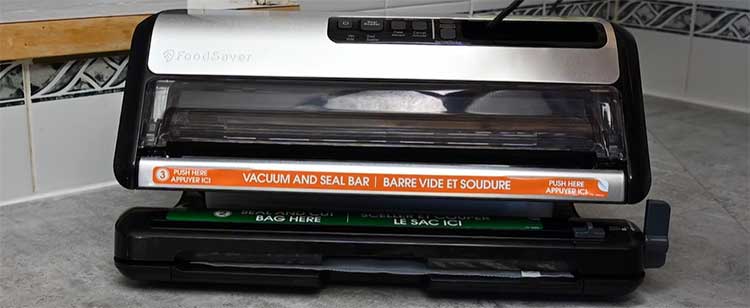
I’ve put my FoodSaver through its paces, and there are so many upsides that make it stand out. Let me share what I’ve found works best, based on my daily use.
- Exceptional Freshness Preservation
You know that moment when you open the freezer and find your food looking as good as the day you bought it? That’s what the FoodSaver delivers every time. The vacuum process removes air so effectively that oxidation doesn’t stand a chance.
I’ve kept strawberries sealed for months without them turning brown or soft. It’s not just about looks—flavors stay locked in too. Think about your favorite herbs; mine used to wilt in days, but now they last weeks in the fridge.
This extends to meats, where I’ve noticed no freezer burn on roasts after six months. For someone like you who hates throwing money away on spoiled produce, this feature alone justifies the investment.
- Versatile Sealing Options
What I love is how adaptable it is. The FoodSaver isn’t limited to one type of food—it handles dry, moist, and even delicate items with specific modes. I switch to moist for sauces or juicy fruits, and it prevents liquid from being sucked into the machine.
The pulse function lets me control the vacuum for fragile things like cookies, so they don’t get crushed. Plus, the accessory port means I can seal jars or canisters for pantry staples. I’ve used it to reseal wine bottles, keeping that last glass fresh.
If you’re experimenting in the kitchen like I do, this versatility means you’re not stuck with basic functions.
- Space-Saving Design
In my small kitchen, counter space is precious, and the FoodSaver fits right in without overwhelming it. Models like the FM5200 have a slim profile and built-in storage for bag rolls, so everything stays tidy. I don’t have to dig through drawers for supplies—it’s all there.
The compact versions, like the VS1050, are even better for apartments. I’ve moved it around easily, and it doesn’t feel heavy. For you, if storage is an issue, this design means you can keep it handy without clutter.
- Cost Savings Over Time
Let’s talk money—you’ll save a ton. By buying in bulk and sealing portions, I’ve reduced my grocery bills noticeably. No more tossing half-eaten bags of veggies or expired meats. The bags are reusable if you wash them carefully, stretching your supplies further.
I’ve calculated that it paid for itself in under a year through less waste. And with sales on bulk items, you’re ahead. If you’re budget-conscious like me, this is a practical win.
- User-Friendly Interface
From the start, I found it intuitive. Buttons are clearly labeled—vacuum, seal, cancel—and LED lights show progress. No complicated manuals needed; I was sealing within minutes of setup. The express bag maker cuts custom sizes, saving material.
Even when I had a guest over, they figured it out quickly. For beginners or busy folks like us, this ease means you actually use it regularly.
- Reliable Performance
Consistency is key, and my FoodSaver hasn’t let me down. It seals over 20 bags in a row without losing suction, perfect for batch prepping. The double seal option adds extra security for long-term storage. I’ve tested it on various materials, and it holds up.
In my experience, this reliability beats cheaper alternatives that fail after a few uses.
Cons of FoodSaver Vacuum Sealer
No product is perfect, and while I stand by my FoodSaver, there are a few drawbacks I’ve encountered. Here’s what you should know.
- Higher Initial Cost: You might wince at the price tag—good models start around $100 to $200, which feels steep compared to basic storage bags. I justified it with long-term savings, but if you’re on a tight budget, it could be a hurdle. Accessories like extra bags add up too.
- Bag Expenses Add Up: The proprietary bags aren’t cheap, and you can’t just use any plastic. I’ve gone through rolls faster than expected during heavy use. While they’re durable, the ongoing cost is something I budget for now. Generic options exist, but they don’t always perform as well.
- Potential for Overheating: During marathon sealing sessions, like prepping a week’s meals, the machine can get warm and need a break. I’ve had it pause to cool down, which interrupts my flow. It’s not frequent, but if you’re sealing large quantities often, plan accordingly.
- Not Ideal for All Foods: Some items don’t seal well—soft cheeses or powdery flours can clog the system if not handled carefully. I’ve learned to freeze liquids first, but it’s an extra step. Certain veggies like mushrooms release gases, risking bag bursts over time.
- Noise During Operation: It’s not whisper-quiet; the vacuum pump sounds like a small engine. In my quiet evenings, it’s noticeable, though short-lived. If you have sensitive ears or little ones napping, time your use wisely.
- Limited Portability for Some Models: Larger units aren’t super portable—I wouldn’t lug it on a camping trip. Handheld versions help, but the main machine stays put. For mobile needs, it might not be your first choice.
Maintenance Tips For FoodSaver Vacuum Sealer
Keeping your FoodSaver running smoothly is easier than you think, and I’ve picked up some habits that extend its life. Let me walk you through what works for me.
- Regular Cleaning After Each Use: I always wipe down the vacuum chamber and drip tray right after sealing, especially if juices are involved. A damp cloth with mild soap does the trick—avoid harsh chemicals that could damage seals. Dry everything thoroughly to prevent mold. This takes two minutes and prevents buildup that could weaken suction over time.
- Checking and Replacing Seals: The foam gaskets wear out eventually, so I inspect them monthly. If they’re compressed or cracked, suction suffers. FoodSaver sells replacements cheaply; swapping them is simple—just pop out the old ones. I’ve done it once, and it restored performance like new. You should do this if you notice weaker seals.
- Proper Bag Handling to Avoid Issues: Always leave at least three inches at the bag’s open end for a good seal. I fold the edge over when filling to keep it clean—no crumbs or moisture there means better results. For moist foods, pat them dry first. This prevents leaks and extends bag life.
- Troubleshooting Common Problems: If the vacuum isn’t pulling strong, I check for blockages in the hose or chamber. A quick unplug and reset often fixes it. For no seal, ensure the heating bar is clean—residue can interfere. I’ve used the manual’s tips to clear jams, saving me from service calls.
- Storage Practices for Longevity: I store mine upright in a dry spot, away from heat sources. Covering it keeps dust out. If not using for weeks, run a test seal to keep parts lubricated. This routine has kept mine reliable for over a year.
- Accessory Maintenance: The handheld sealer and hose need attention too. I clean the nozzle after each use and store them attached to avoid loss. Replacing filters as needed ensures consistent vacuum.
Comparing FoodSaver To Other Brands
When I looked into vacuum sealers, I compared FoodSaver to several others to see if it was the right fit. Here’s how it stacks up analytically, based on my research and tests with similar models.
- FoodSaver Vs. Chef Preserve Compact Vacuum Sealer
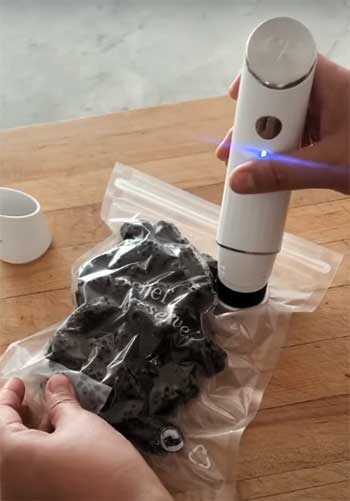
Let me start with the Chef Preserve Compact—it’s a cordless, handheld model that’s all about portability and simplicity.
I like how it fits in a drawer and comes with reusable bags that you can open without ruining them, which is great for quick seals on snacks or leftovers.
The double seal feature is automatic, and users say it keeps food fresh up to five times longer, similar to what I get with my FoodSaver.
But in my analysis, FoodSaver wins on power and versatility.
The Chef Preserve is battery-powered, so it might not handle heavy-duty jobs as well—I saw complaints about it stopping after just a few uses or making weird sounds from the bags, suggesting potential reliability issues.
FoodSaver’s plugged-in suction is stronger for bulk sealing, and it has modes for moist or delicate foods that the Chef Preserve lacks. If you’re after something super compact for light use, Chef Preserve could save space, but for everyday reliability like mine, FoodSaver feels more robust. Price-wise, Chef Preserve is cheaper upfront, but if it fails early, you’re out more in the long run.
- FoodSaver Vs. Nesco Vacuum Sealer
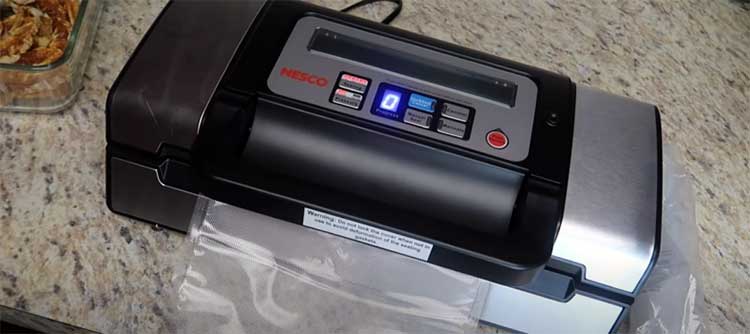
Now, pitting FoodSaver against the Nesco, specifically models like the VS-12 Deluxe, this one’s a closer match. Nesco packs a 130-watt double vacuum pump for max air extraction, and it handles larger items with double heat seals, much like FoodSaver’s secure sealing. I appreciate Nesco’s built-in bag cutter and roll storage, which mirrors what I love about my FoodSaver—keeps things tidy.
In tests, Nesco shows strong suction at 80 kPa for dry foods and 70 for moist, performing well without leaks. It’s intuitive with options for normal/gentle modes, and some versions have LiquidLock for soups, reducing mess like FoodSaver’s moist setting.
However, from what I’ve seen, FoodSaver edges out in accessory variety; I use the hose for canisters and jars more often, while Nesco focuses on bags. Nesco can feel bulkier on the counter, whereas my FoodSaver’s slim design fits better in small spaces. Reliability is solid for both, but FoodSaver’s widespread parts availability makes fixes easier.
If you’re on a budget, Nesco offers great value and power—some folks say it’s better than home sealers for commercial-like results. But for my all-around needs, including marinating and pulse control, FoodSaver pulls ahead.
- FoodSaver Vs. Electric Mason Jar Vacuum Sealer
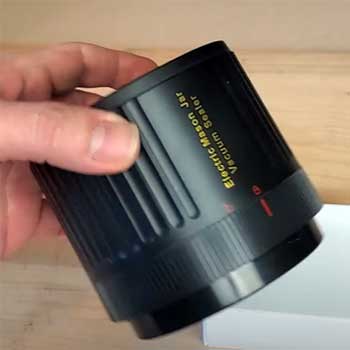
Switching gears, the Electric Mason Jar Vacuum Sealer is a niche player—it’s cordless and designed specifically for sealing Mason jars, not bags like FoodSaver.
I find it handy for pantry staples; it creates an airtight seal in 40-45 seconds, keeping dry goods like nuts or flour fresh longer with a powerful suction that rivals countertop models.
Many come with LED screens showing battery life and work with both wide and regular mouth jars, making it versatile for fermentation or storage.
It’s compact, charges easily, and holds power well, which is perfect if you don’t want a big machine.
But here’s where FoodSaver shines: it’s not limited to jars. My FoodSaver does bags, canisters, and even wine bottles with accessories, offering way more flexibility for freezing meats or liquids. The Mason sealer isn’t ideal for wet foods or bulk prepping—it might not achieve the same vacuum depth for long-term freezer storage.
Plus, if you’re like me and seal a variety of items, switching between jar-only and full vacuum systems feels inefficient. Cost-wise, the Electric Mason is affordable for targeted use, but FoodSaver’s broader capabilities make it a better investment for overall kitchen efficiency. If jars are your main thing, go for it; otherwise, FoodSaver covers more ground.
In all these matchups, FoodSaver holds its own as a reliable, feature-rich option that fits my lifestyle best. Each alternative has perks, but none quite matches the balance I get from mine.
Frequently Asked Questions (FAQ)
The FM5200 stands out for its balance of features and ease.
No, they won’t hold vacuum properly, though hacks exist with adapters.
Risk of bacterial growth in some foods, texture changes, and added costs.
Up to 2-3 years frozen, or 10 days in the fridge.
Final Thoughts
In wrapping up, my time with the FoodSaver has been eye-opening—it’s reliable, saves food, and fits my life perfectly. If you’re dealing with waste or wanting fresher meals, this is the tool you need. Don’t hesitate; pick one up and see the difference yourself.